How to Filter Salt Out of Water for 2026: Worth Your Money
If you're looking into how to filter salt out of water, you've hit on a really common query. Whether you’re curious about making seawater drinkable in a bind or understanding how your home water system works, getting dissolved salts out is a specific kind of challenge. It’s more involved than just straining out solids; you’re dealing with molecules that are fully dissolved.
Our research indicates that effective salt removal, or desalination, relies on two main scientific principles: changing the water's phase or forcing it through specialized barriers. The method you'd choose depends heavily on your situation, whether it's for emergency survival or for consistent household use. As of 2026, industry standards for water purification often look at Total Dissolved Solids (TDS) down to levels below 50 parts per million (ppm) for drinking water, highlighting the precision needed.
Two Main Paths to Salt-Free Water
When it comes to removing salt from water, the core concepts boil down to fundamentally changing the water's state or using advanced filtration. These are the two primary scientific approaches that allow us to separate dissolved salts.
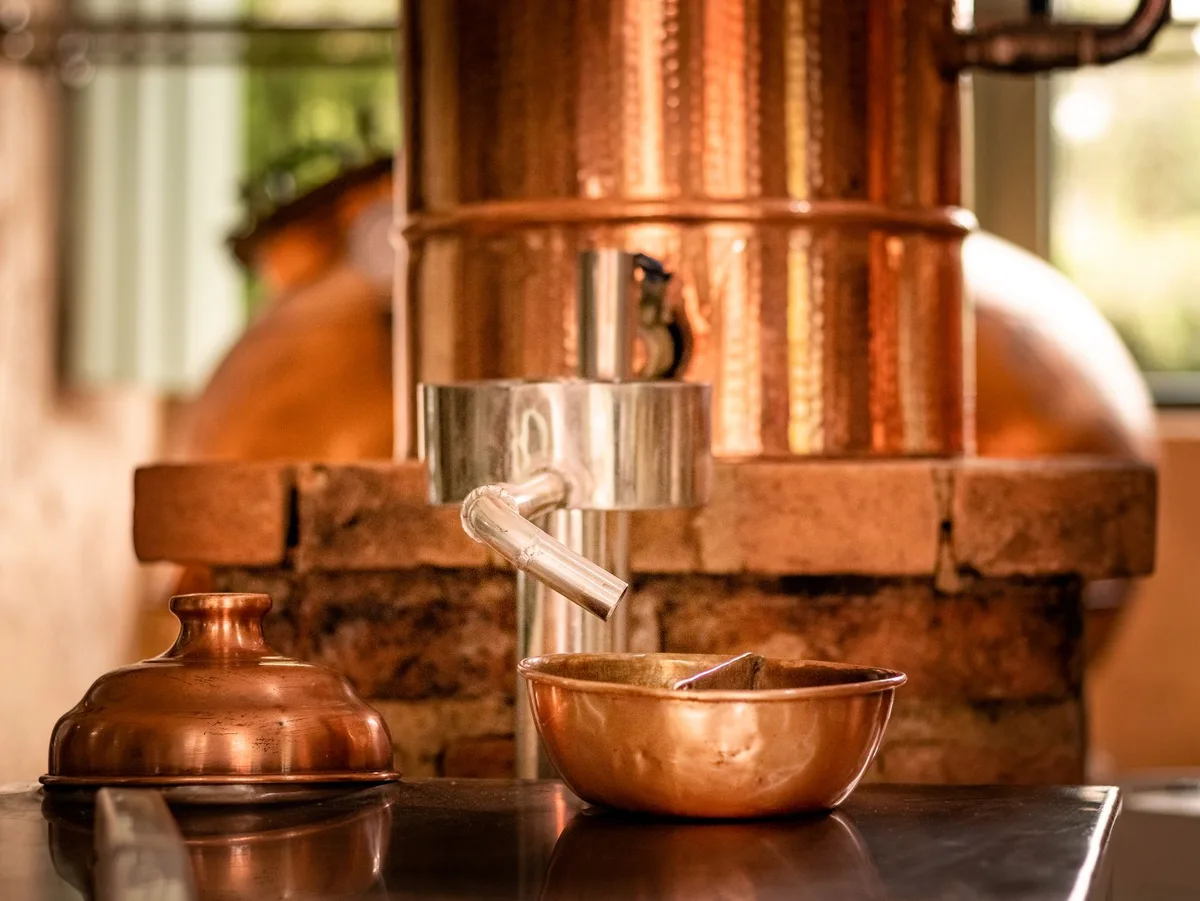
One path involves manipulating the physical state of water, primarily through heating it until it turns to vapor, leaving the salts behind. The other path employs a physical barrier, a specialized membrane, to physically block the salt molecules while letting water pass. Each has its own set of requirements, advantages, and disadvantages that we'll explore.
Method 1: Distillation – The Boil and Collect Approach
Distillation is a time-tested method that mimics something we do every day: boiling water. The key difference here is the controlled collection and condensation of the water vapor.
How Distillation Works (Simply Put)
At its most basic, distillation works by heating salty water to its boiling point. This process turns the pure water into steam, leaving behind the non-volatile salts and other impurities. The steam then travels to a cooler surface where it condenses back into liquid water, now free of the dissolved salts.
Distillation: What You Need to Know (Pros & Cons)
Distillation's biggest advantage is its ability to produce very pure water. Manufacturer specifications for high-end distillers often show TDS levels below 10 ppm.
- Pros:
- Achieves very high water purity.
- Effective at removing a wide range of contaminants, not just salt.
- Relatively simple to understand conceptually.
- Cons:
- Highly energy-intensive, requiring significant heat.
- Can be slow, producing water in batches.
- Removes beneficial minerals, affecting taste and potentially health if water is consumed long-term without remineralization.
- Requires a setup to collect steam and condense it.
When Distillation Makes Sense
Distillation is a solid choice when maximum purity is the absolute priority, and energy consumption is less of a concern.
- Emergency Preparedness: In survival situations, improvising a solar still can make brackish or seawater drinkable.
- Specialized Uses: For some scientific applications or specific appliance requirements, highly pure distilled water is necessary.
- Off-Grid Living (with sun): Solar stills offer a sustainable way to desalinate water using only sunlight, though output is limited.
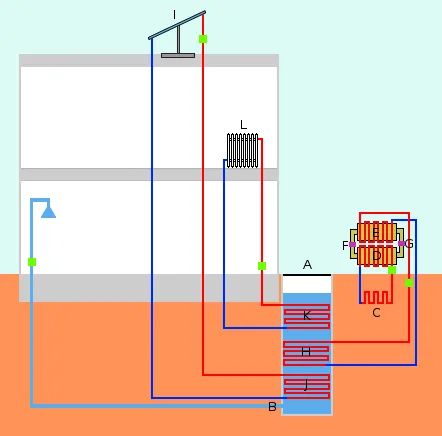
How to Set Up a Basic Distillation Process
While complex distillation units exist, the core principle can be demonstrated with simple setups:
- Container for Salty Water: Use a corrosion-resistant pot or basin.
- Heating Source: This could be a stove, a controlled fire, or sunlight (for a solar still).
- Collection Vessel: A separate, clean container to catch the condensed pure water, positioned so steam can reach it.
- Condensing Surface: A lid angled to direct condensed steam into the collection vessel, or a separate cooling element.
- Crucial Note: If using a stovetop or fire, ensure the collection vessel doesn't sit in the saltwater and isn't heated directly, which could cause it to boil or melt. The goal is for the steam to cool and condense.
Method 2: Reverse Osmosis (RO) – Pushing Water Through a Membrane
Reverse Osmosis (RO) is the more modern and widely adopted method for both home and commercial desalination, especially when consistent, on-demand water is needed.
How Reverse Osmosis Works (Simply Put)
RO systems use a semi-permeable membrane, which is essentially an extremely fine filter. This membrane has pores so small that water molecules can pass through, but larger dissolved salt ions and other impurities are blocked. Pressure is applied to the salty water, forcing it through the membrane, resulting in purified water on one side and a concentrated brine of salts and impurities flushed away on the other.
Reverse Osmosis: What You Need to Know (Pros & Cons)
RO systems are highly effective at reducing TDS. Many certified home RO systems can achieve TDS levels below 10 ppm, and some even lower.
- Pros:
- Efficiently removes a broad spectrum of contaminants, including salts, heavy metals, and other dissolved solids.
- Provides purified water on demand with consistent quality.
- Widely used in residential settings for drinking water.
- Cons:
- Requires sufficient water pressure to operate effectively; systems often include booster pumps.
- Generates wastewater (brine) as part of the purification process; recovery rates vary by system.
- Removes beneficial minerals, which many systems address with a remineralization stage.
- Membranes and pre-filters require regular replacement, adding to ongoing costs.
- Initial system cost can be higher than simpler filtration methods.

When Reverse Osmosis Makes Sense
RO is typically the go-to choice for households and smaller businesses needing a reliable source of purified water.
- Home Drinking Water: Under-sink RO systems are popular for improving taste and reducing contaminants in tap water.
- Whole-House Solutions: Larger RO units can treat all water entering a home, reducing hardness and mineral buildup.
- Aquariums and Sensitive Ecosystems: Hobbyists use RO water to create controlled environments for aquatic life.
What Components Make Up an RO System?
A typical under-sink RO system includes several stages to ensure effective purification:
- Sediment Filter: Removes larger particles like sand and rust.
- Activated Carbon Filter: Adsorbs chlorine, odors, and organic compounds.
- RO Membrane: The core component that filters out dissolved salts and other impurities.
- Storage Tank: Holds purified water until it's needed.
- Post-Carbon Filter: Polishes the water for taste after storage.
- Optional Remineralization Filter: Adds back healthy minerals lost during RO.
Choosing Your Path: Which Method is Right for You?
Deciding between distillation and reverse osmosis hinges on what you need the purified water for, your available resources, and how much effort you're willing to put into maintenance. There's no single "best" method; it's about picking the right tool for your specific job.
Your Situation: Survival vs. Home Use
If you're facing an emergency scenario and need to make seawater drinkable with minimal equipment, distillation, particularly a solar still, is likely your most accessible option. While it's slow and its output limited, it doesn't require complex plumbing or electricity beyond what's naturally available.
For regular, high-volume needs like daily drinking water at home, reverse osmosis is generally the more practical and efficient choice. These systems are designed for continuous use, delivering purified water directly from a tap, and many now include features like remineralization to improve taste and health benefits.
Your Resources: Energy, Budget, and Time
Distillation demands significant thermal energy. If your power is unreliable or expensive, solar distillation is an option, but it's slow. RO systems use electricity, usually for pumps, but their energy draw is typically lower and more consistent than continuous boiling.
Initial costs for RO systems, especially whole-house units, can be substantial. Countertop distillers vary in price, with some being quite affordable. Both methods have ongoing costs for filter replacements and, in RO's case, membrane replacements. Distillation is a batch process requiring time for boiling and condensation.
RO systems provide purified water on demand, though the refill rate of the storage tank can vary.
Common Pitfalls to Avoid
Making mistakes in either distillation or reverse osmosis setups can lead to ineffective purification, wasted resources, or even system damage. Understanding these common errors beforehand can save you a lot of hassle.
Mistakes in Distillation Setups
- Insufficient Condensation Surface: If the steam doesn't have a cool surface to readily condense on, it can escape or remain vapor, reducing the amount of collected pure water.
- Collection Vessel Contamination: Not ensuring the collection vessel is clean, or if it's positioned such that salty water can splash into it, defeats the purpose of purification.
- Ignoring Energy Needs: Expecting to produce large volumes of distilled water quickly without a proper heating source or adequate time can lead to disappointment.
Mistakes with Reverse Osmosis Systems
- Incorrect System Installation: Not following manufacturer instructions for plumbing, pressure checks, or filter seating can lead to leaks or immediate system failure. This is why manufacturers like Aqua-Pure provide detailed manuals for their systems.
- Neglecting Filter Maintenance: Allowing sediment or carbon filters to become completely clogged inhibits water flow and can prematurely damage the RO membrane.
- Overlooking Wastewater: Not accounting for the water that's flushed away can lead to surprisingly high water bills, especially in systems with lower recovery rates.
- Drinking Un-remineralized Water Long-Term: While safe, drinking RO water consistently for extended periods can strip essential minerals from your diet, which some health guidelines suggest addressing.
Essential Maintenance for Long-Term Purity
Keeping any water purification system working at its best requires consistent care. Neglecting maintenance means you might not be getting the pure water you expect, and it can shorten the lifespan of your equipment.
Keeping Distillers Running
- Regular Cleaning: Descale the boiling chamber to remove mineral buildup, which can affect efficiency and transfer unwanted tastes to your water.
- Inspect Seals: Ensure any seals or tubing used for steam collection are intact to prevent vapor loss.
- Check Collection Vessels: Make sure they remain clean and free of any residue.
Caring for Your RO System
- Scheduled Filter Changes: Adhere to the manufacturer's recommended schedule for replacing pre-filters and post-filters. This is crucial for protecting the RO membrane.
- Membrane Replacement: RO membranes have a lifespan, usually measured in years or gallons filtered. Replacing them when indicated ensures continued high levels of salt removal.
- Sanitize Periodically: Some manufacturers recommend periodic sanitizing of the system, especially the storage tank, to prevent microbial growth.
Understanding System Costs and Performance Data
When you're looking at how to filter salt out of water, the numbers matter. Understanding the costs and performance metrics helps you make a sound decision based on your budget and needs.
Distillation Costs and Performance
- Energy Consumption: This is the major ongoing cost. A typical countertop distiller might use 0.5 to 1.5 kWh per gallon (3.78 liters) of purified water. For comparison, boiling a gallon of water on a standard electric stovetop can take around 1.5-2 kWh.
- Initial Cost: Countertop distillers can range from about $150 to $500. Solar stills can be DIY projects or purchased for $50 to $300, depending on size and materials.
- Output Rate: Expect only about 1-2 gallons (3.78-7.57 liters) of distilled water per day from a typical countertop unit operating for several hours. Solar stills are even slower, often producing less than a gallon per day.
Reverse Osmosis Costs and Performance
- Initial Cost: Under-sink RO systems typically range from $200 to $600, with whole-house systems costing significantly more, often $500 to $2000 or higher, plus installation.
- Filter Replacement: Pre-filters (sediment and carbon) usually need changing every 6-12 months and cost $20-$50. The RO membrane lasts longer, typically 2-5 years, and can cost $50-$150. Post-filters and remineralization filters also require periodic replacement.
- Water Wastage: Recovery rates vary. Older or less efficient systems might produce 1 gallon of pure water for every 3-5 gallons of wastewater. Modern, high-efficiency systems can achieve 1:1 or even better.
- Energy Use: Primarily for pumps, which use relatively little energy compared to distillation, often less than 1 kWh per day for typical household use.
Real-World Scenarios: When These Methods Shine
To really grasp the practical application of filtering salt from water, let's look at a couple of scenarios where these methods are put to the test. These aren't scientific case studies with hard data but illustrative examples to show how the principles apply.
Scenario 1: The Seaside Cottage with Salty Well Water
Imagine a family living in a cottage near the coast. Their well water, while clear, has a slightly salty taste due to proximity to the sea (brackish water). A standard water softener won't do much for this level of salinity; it's designed for hardness minerals, not dissolved salts.
- The Solution: An under-sink Reverse Osmosis system is installed in the kitchen. The family chooses a system with a remineralization filter because they found plain RO water tasted flat. They monitor the TDS, which drops from around 800 ppm in the well water to under 50 ppm for drinking. They budget for an annual filter change and a membrane replacement every three years.
Scenario 2: Extended Boating Trip in the Tropics
A couple on a long sailing trip needs a reliable way to produce fresh drinking water from seawater. They have a small boat with limited power, making energy-intensive solutions difficult.
- The Solution: They have a compact solar still on deck. On sunny days, it produces about 2-3 liters of drinking water. They also carry a small, efficient RO unit they run for a few hours each day when their solar panels have generated enough charge. This dual approach ensures they have plenty of water, with the RO providing faster output and the solar still acting as a backup and daily supplement.
Questions About Saltwater Purification Answered
To wrap things up, let's address some common questions that come up when people explore how to filter salt out of water.
How much pure water can a typical RO system make per day?
A standard under-sink RO system, depending on its overall recovery rate and household water pressure, can typically produce between 10 to 50 gallons (38 to 190 liters) of purified water per day. This output is stored in a tank, so you have immediate access to purified water.
Is distilled water safe to drink all the time?
Distilled water is safe to drink. However, it lacks the minerals found in tap or remineralized water, which contribute to taste and may have some health benefits. Drinking exclusively distilled water long-term, without also consuming mineral-rich foods or water, is a topic of ongoing discussion, but generally considered safe in moderation.
Can I use a standard water filter pitcher to remove salt?
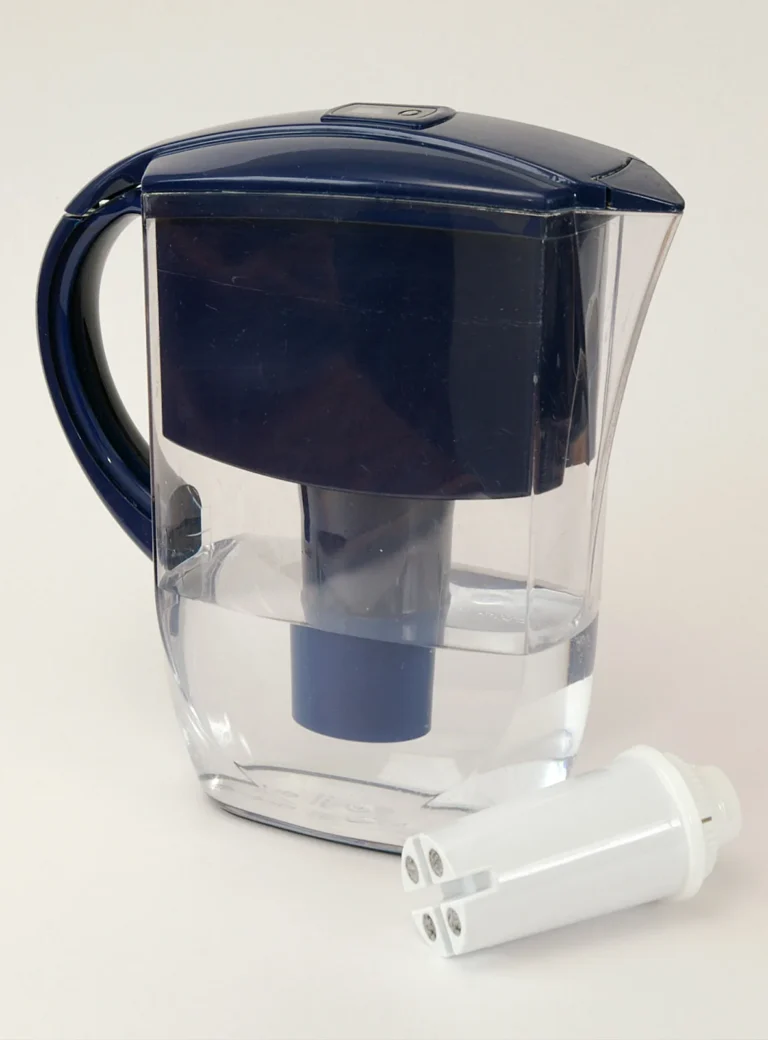
No, standard water filter pitchers like those designed for refrigerators or basic countertop use are not effective at removing dissolved salts. They are designed to reduce chlorine, sediment, and improve taste, but they lack the fine filtration needed to separate molecularly dissolved salts.