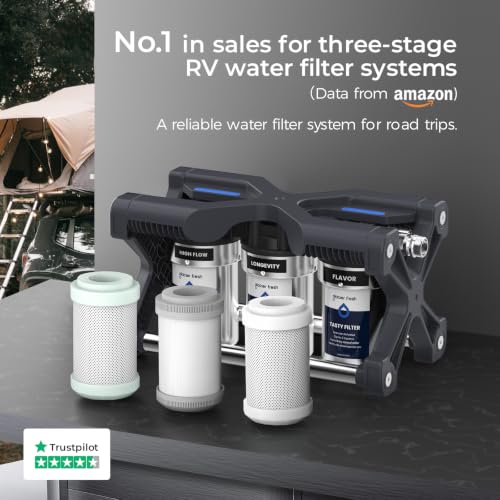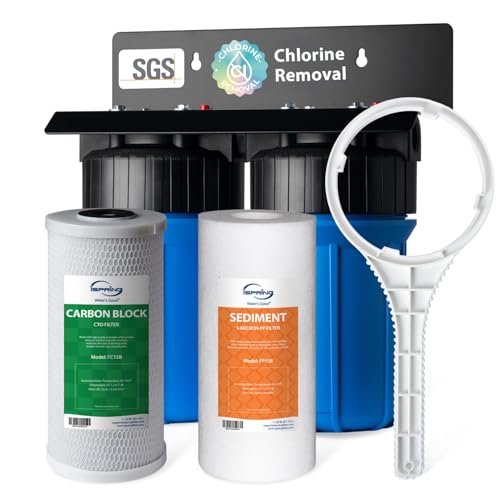
Whole House Water Filter vs Under Sink: Which Is Better?
Is iSpring WGB21B Good?
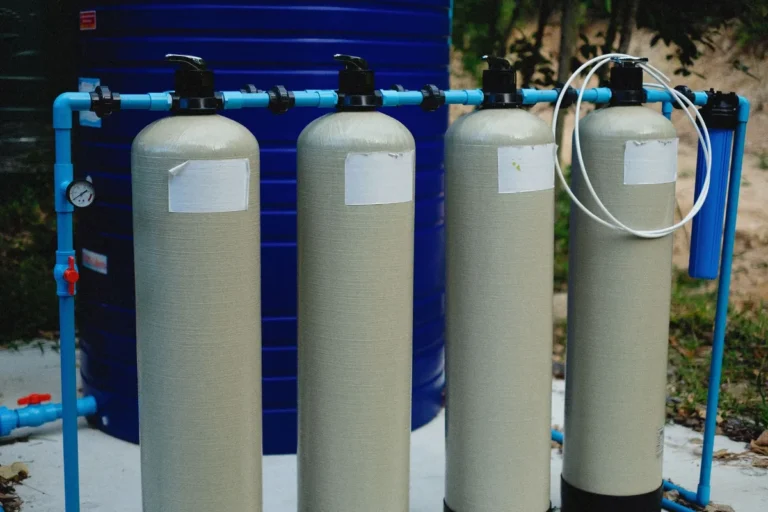
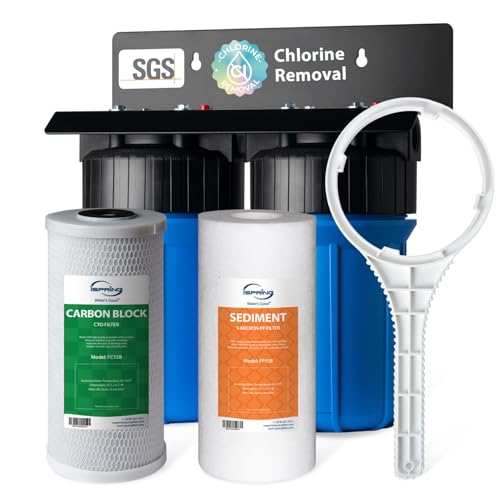
Yes, if you want filtered water at more than one tap. The iSpring WGB21B is built for whole-home use. It uses two stages. The first stage targets sediment such as dirt, sand, rust, and other particles. The second uses a CTO carbon filter to reduce chlorine, taste, and odor. The system has 1-inch inlet and outlet ports and a stated capacity of up to 50,000 gallons. That makes it a strong fit for a family home that wants broad coverage.
The main catch is installation. You need to place the system on the main water line. That can mean cutting pipe and working with plumbing. In a U.S. home with an easy-to-reach main line, that may be a manageable DIY job. In a tight utility room, I would plan for a plumber. In the whole house water filter vs under sink debate, this is the option I would look at when showers, laundry, bathroom taps, and kitchen water all matter.
What Makes It Stand Out / Key Features
- Two stage filtrationA sediment filter works first, followed by a CTO carbon filter for chlorine, taste, and odor reduction.
- Whole home coverageThe system connects to the main water line, so filtered water can reach many fixtures throughout the home.
- 50,000 gallon capacityThe listed filter capacity is up to 50,000 gallons, with actual life depending on water quality and household use.
- 1 inch portsThe 1-inch inlet and outlet are designed to support strong household water flow with less pressure loss than smaller connections may cause.
- Sediment reductionThe first-stage filter targets particles such as dirt, sand, rust, dust, and silt.
- Carbon filtrationThe CTO stage is designed to reduce chlorine and improve unpleasant taste and odor.
- No electricityThe filter works through normal water pressure and does not need a power outlet.
My Recommendation
Consider the iSpring WGB21B if you want broad water coverage and do not mind a more involved installation. It makes the most sense when water quality matters at many taps, not just the kitchen faucet.
| Best For | Why |
|---|---|
| Families | One system can treat water throughout the home. |
| Homes with chlorine taste or odor | The carbon stage targets chlorine, taste, and odor. |
| Whole-home coverage | It connects to the main water line rather than one faucet. |
Is Amazon Basics Under Sink Good?
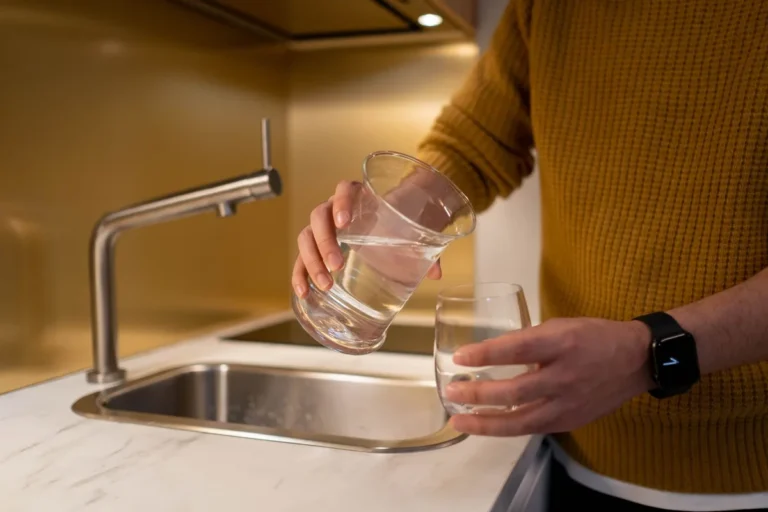
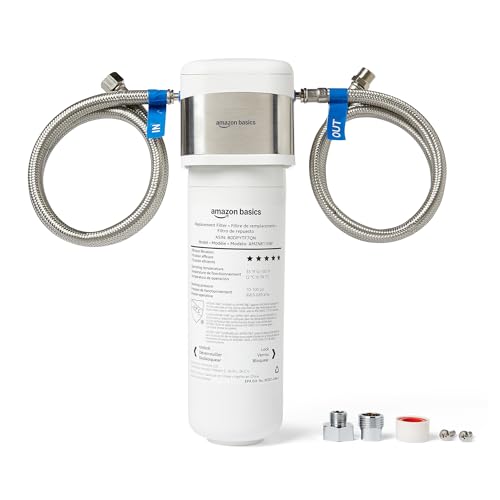
Yes, if your main goal is better water for drinking and cooking at one sink. The Amazon Basics Under Sink Water Filter is much more focused than the iSpring system. It uses activated carbon filtration and is rated for up to 11,000 gallons or about one year of service under stated conditions. It is also certified to NSF/ANSI 42 and 372 for the listed claims. The twist-and-lock design is the big convenience win. You do not need to tackle the home’s main water pipe just to improve kitchen water.
For an apartment, rental, small home, or kitchen-first setup, that simplicity can matter a lot. I like the idea of opening the cabinet, turning the cartridge, and getting back to making coffee or filling a glass. The trade-off is clear: this filter does not give the whole house the same coverage. In the whole house water filter vs under sink debate, this is the simpler route when drinking water is the main goal.
What Makes It Stand Out / Key Features
- Under sink designThe system sits under the sink and connects to the cold water line, keeping the main plumbing untouched.
- 11,000 gallon capacityThe system is rated for up to 11,000 gallons and up to one year of service under the stated municipal-water conditions.
- Activated carbonThe filter uses activated carbon to reduce chlorine and improve taste and odor.
- NSF/ANSI 42The system is listed as certified for NSF/ANSI 42 claims related to aesthetic water quality.
- NSF/ANSI 372The system is certified to NSF/ANSI 372 for lead content requirements in plumbing components.
- Twist and lock cartridgeThe cartridge is designed for quick replacement without the type of plumbing work required by a main-line installation.
- Compact setupThe filter stays inside the cabinet, making it a practical choice when whole-home equipment has no suitable installation space.
My Recommendation
Choose this option if you mainly want cleaner-tasting water for drinking and cooking without changing the home’s main plumbing. It is especially practical for apartments and smaller homes.
| Best For | Why |
|---|---|
| Apartment renters | It avoids a main-line whole-home installation. |
| Kitchen drinking water | It focuses filtration where drinking and cooking happen. |
| Easy maintenance | The twist-and-lock cartridge is designed for quick replacement. |
whole house water filter vs under sink: Side-by-Side Test
The whole house water filter vs under sink choice becomes easier when you stop asking which filter is better in general. The better question is where you need filtered water. One treats the home. The other treats a specific sink.
For a U.S. household, that difference can affect cost, plumbing work, maintenance, water flow, and daily convenience. Here is how the two systems compare.
Coverage: How Much Water Gets Filtered?
Coverage is the biggest difference. A whole-home system sits on the main line, while an under sink system focuses on one connected sink.
| Feature | Product 1 | Product 2 |
|---|---|---|
| Kitchen water | Yes | Yes |
| Bathroom faucets | Yes, when connected to the main line | No |
| Shower water | Yes, when connected to the main line | No |
| Laundry water | Yes, when connected to the main line | No |
⭐ Product A – 10/10 | Product B – 6/10
The whole house system has the edge when you want filtered water throughout the home.
Installation: Which Is Easier?
Installation can turn a good filter into a weekend project. The under sink model keeps the job small.
| Feature | Product 1 | Product 2 |
|---|---|---|
| Main water line work | Usually required | No |
| Cabinet installation | No | Yes |
| DIY difficulty | Moderate | Low |
| Plumber may be useful | Often, depending on plumbing skill | Less likely |
⭐ Product A – 6/10 | Product B – 9/10
The under sink filter has the edge because it avoids major main-line plumbing work.
Filter Capacity: Which Lasts Longer?
Filter capacity matters because it affects how often you need a replacement and how much work you do over time.
| Feature | Product 1 | Product 2 |
|---|---|---|
| Listed capacity | Up to 50,000 gallons | Up to 11,000 gallons |
| Stated service period | Up to about one year for a family of four under stated conditions | Up to about one year under stated conditions |
| Filter stages | 2 | 1 main activated carbon filtration stage |
⭐ Product A – 9/10 | Product B – 8/10
The iSpring has the edge on rated capacity, while both can offer a long service interval under suitable conditions.
Taste and Odor: Which Helps More?
If chlorine taste or odor is your main complaint, carbon filtration is the key feature to watch.
| Feature | Product 1 | Product 2 |
|---|---|---|
| Chlorine reduction | Yes | Yes |
| Taste improvement | Yes | Yes |
| Odor reduction | Yes | Yes |
| Coverage | Whole home | Connected sink |
⭐ Product A – 9/10 | Product B – 9/10
Both have a strong case for chlorine-related taste and odor, but the iSpring spreads that benefit across the home.
Maintenance: Which Is Simpler?
Both need filter changes. The real difference is where the work happens and how much plumbing you must touch.
| Feature | Product 1 | Product 2 |
|---|---|---|
| Cartridge replacement | Requires opening whole-house housings | Quick twist-and-lock design |
| Tools | A filter wrench may be used | Designed for tool-free cartridge replacement |
| Access | Main-line equipment area | Under sink cabinet |
⭐ Product A – 7/10 | Product B – 10/10
The Amazon Basics system has the edge for quick, simple filter changes.
Water Flow: Which Fits a Busy Home?
A family can have a shower running while someone fills a washer and another person uses the kitchen sink. Flow matters.
| Feature | Product 1 | Product 2 |
|---|---|---|
| Connection size | 1 inch inlet and outlet | Under sink cold-water connection |
| Coverage | Designed for whole-home use | Single sink line |
| Multiple fixtures | Yes | No |
⭐ Product A – 9/10 | Product B – 7/10
The iSpring has the edge for households that need filtration across several fixtures.
Space and Home Type
Not every home has room for main-line equipment. This is where the whole house water filter vs under sink decision can change quickly.
| Feature | Product 1 | Product 2 |
|---|---|---|
| Utility room space | Needed | Not needed |
| Under cabinet space | Not needed | Needed |
| Apartment friendly | Usually less practical | Usually more practical |
| Large family home | Strong fit | Best for kitchen-focused needs |
⭐ Product A – 8/10 | Product B – 9/10
The under sink filter has the edge for tight spaces, while the whole-home system fits larger homes better.
Overall Value: What Are You Paying For?
Value is not just the purchase price. It is the coverage, installation effort, filter life, and daily convenience you get.
| Feature | Product 1 | Product 2 |
|---|---|---|
| Whole-home coverage | Yes | No |
| Kitchen-focused value | May be more than needed | Strong |
| Installation value | Higher effort | Lower effort |
| Long rated capacity | 50,000 gallons | 11,000 gallons |
⭐ Product A – 9/10 | Product B – 9/10
Both offer good value when matched to the right home and the right water problem.
Final Verdict: Which Should You Buy?
The whole house water filter vs under sink choice is really a choice between coverage and simplicity. The iSpring WGB21B makes more sense when you want filtered water across the home. Its two-stage design, 1-inch ports, and 50,000-gallon rated capacity make it a strong whole-home option. The Amazon Basics Under Sink Water Filter makes more sense when drinking and cooking water are your main goals. Its compact design and quick cartridge change keep things simple.
For a family home, I would lean toward the whole-home approach when the plumbing allows it. For an apartment, rental, or kitchen-first setup, the under sink option is often the more practical path. Neither filter should be treated as a universal answer for every contaminant. Test your water first if you have a specific health or contamination concern.