How to Use Sawyer Mini Water Filter 2026: Honest Reviews
You're out on the trail, thirsty, and wondering if that stream water is safe to drink. Knowing how to use the Sawyer Mini water filter is key to staying hydrated and avoiding nasty waterborne illnesses. This compact device is designed to remove bacteria and protozoa from natural water sources, giving you peace of mind when you're far from a tap.
Manufacturer specifications indicate the Sawyer Mini filters down to 0.1 microns, effectively trapping common contaminants like E. coli and Giardia. Our research confirms its popularity among backpackers and emergency preparedness enthusiasts alike for its portability and reliability. Let's make sure you know exactly how to get the most out of yours.
When You Absolutely Need Filtered Water: The Sawyer Mini Difference
Nobody wants to carry pounds of water for a multi-day hike. That's where a portable water filter like the Sawyer Mini becomes indispensable. It lets you refill your water bottles or hydration reservoirs from natural sources, significantly lightening your load.
When the situation is less than ideal, maybe you’re facing an unexpected delay, a natural disaster, or just exploring a remote area, having a reliable way to purify water can be a lifesaver. The Sawyer Mini's ability to remove up to 99.9999% of bacteria and 99.999% of protozoa means you can turn questionable water into something drinkable.
How the Sawyer Mini Filter Works to Keep You Safe
At its core, the Sawyer Mini relies on a physical barrier to clean water. It uses a specialized membrane with microscopic pores, typically around 0.1 microns in size. Think of it like a super-fine sieve.
When you push or squeeze water through this filter, anything larger than those tiny pores gets trapped on the outside. This includes common biological threats like bacteria (such as Salmonella and E. coli) and protozoa (like Giardia and Cryptosporidium).
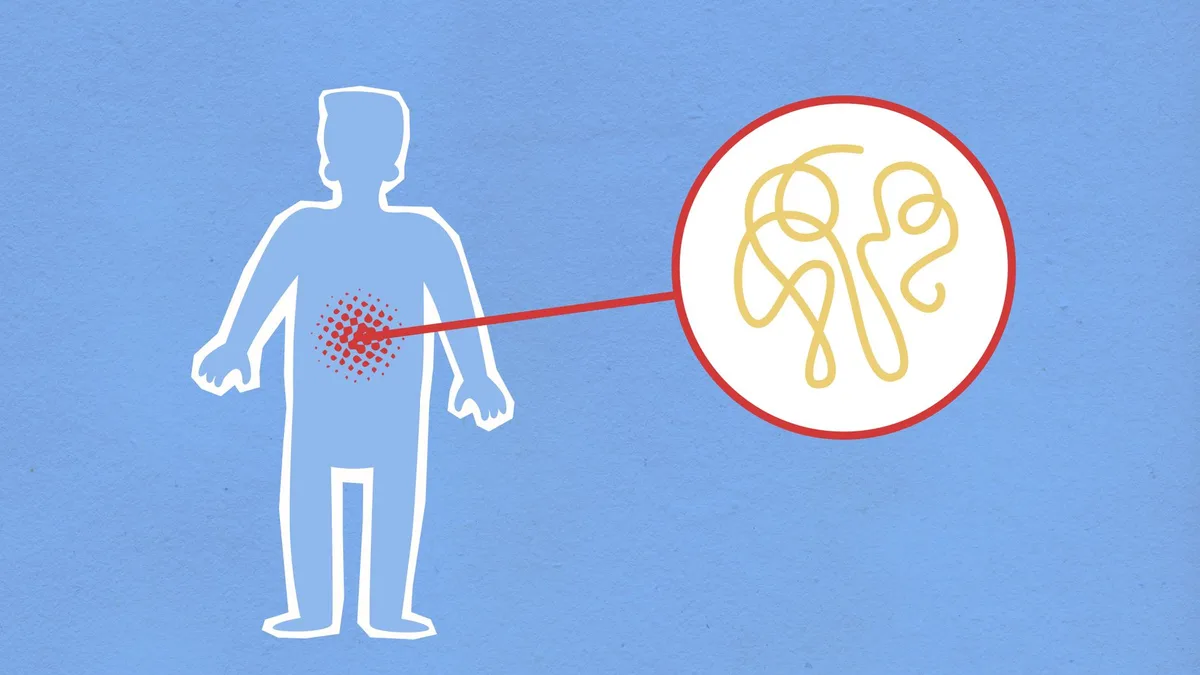
It’s important to understand what this filter doesn't do. It's not designed to remove viruses, which are much smaller than bacteria and protozoa. For virus protection, you’d typically need a different purification method, like chemical treatments or UV purifiers, or a filter with a smaller pore size if one is available and certified.
What's Actually Inside: Sawyer Mini's Filtration Tech
The magic behind the Sawyer Mini is its construction, specifically the hollow fiber membrane. Imagine a bundle of super-thin straws, all packed together. Each straw has thousands of tiny holes along its length.
Water is drawn or pushed through the walls of these straws. The pores in the straw walls are where the filtration happens. They’re precisely engineered to be small enough to block bacteria and protozoa but large enough to allow water molecules to pass through freely.
This design allows for a high surface area in a very compact package, which contributes to the filter's decent flow rate, especially when it’s new and clean. The filter can be attached to various water containers, often including collapsible pouches or standard water bottles, making it adaptable to different field situations.
Putting It To Work: Step-by-Step Sawyer Mini Guide
Getting clean water with your Sawyer Mini is straightforward, but a few key steps ensure you do it right every time. Following this workflow will help you maximize its lifespan and effectiveness.
Step 1: Prepare Your Water Source & Gear
First, find your water source. Look for the clearest water available. Moving water, like streams or rivers, is generally preferred over stagnant ponds or puddles, as it tends to have fewer sediment and microbial loads. Avoid water that looks murky, has a strong odor, or is near potential pollution sources (like agricultural runoff or industrial discharge).
Get your dirty water container ready. This is often the collapsible pouch that comes with the filter, but you can also use other clean water bottles that have a compatible threaded opening. Make sure the container itself is clean before you start filling it with your source water.
Step 2: Connect the Filter
Once your dirty water container is filled, it’s time to attach the Sawyer Mini filter. The filter has threads on one end designed to screw onto the threads of the dirty water pouch or bottle. Make sure you screw it on securely to prevent leaks.
If you’re using the Sawyer-provided pouch, the filter typically screws onto the opening. If you’re using a different bottle, check that the threads match. The other end of the filter is where the clean water will come out.
Step 3: Filter Your Water
Now for the main event: getting that water filtered. If you’re using the pouch, hold the pouch above the filter and gently squeeze. You’ll see water being forced through the filter and exiting the other end.
If you’ve attached the filter directly to a bottle of source water, you might need to shake it vigorously to create pressure that forces water through the filter. Alternatively, some users tip the filter assembly upside down and pour water into the filter from a separate source bottle, letting gravity assist.
Step 4: Clean Up and Store It
After you've filtered enough water, it’s crucial to clean the filter properly. The most effective way to maintain the filter and prevent it from clogging is by backflushing. This involves forcing clean water backward through the filter membrane to dislodge any trapped particles.
Follow the manufacturer's instructions for backflushing, which usually involves a syringe (often included) filled with clean water that you attach to the outlet end of the filter. Force the clean water back through the filter. This should be done after each use, or at least daily if you're filtering a lot of water. Store the filter in a clean, dry place, and ensure it doesn't freeze, as freezing can damage the delicate membrane.
Common Mistakes That Clog Your Filter
Even with a great filter like the Sawyer Mini, user error can lead to significant issues. One of the most common problems people encounter is a drastically reduced flow rate, which often signals a clogged filter. This can happen if you consistently fill your dirty water pouch with very silty or muddy water without pre-filtering it.
If you have access to something like a bandana or a coffee filter, you can use it to strain out the larger sediment before putting the water into your dirty water pouch. This simple pre-filtration step can save your Sawyer Mini from premature clogging.
Another mistake is neglecting to backflush. As mentioned, backflushing is essential for maintaining flow. If you skip this step, especially after filtering water with a lot of organic matter or sediment, the internal pores will get blocked faster.
Finally, letting the filter freeze is a silent killer. Water expands when it freezes, and this expansion can crack or damage the microscopic hollow fibers within the filter, rendering it ineffective. Always store your filter where it won't be exposed to freezing temperatures, or take precautions to keep it from freezing if you’re in cold conditions.
When to Backflush Your Sawyer Mini
Backflushing isn't just a suggestion; it's a critical maintenance step that directly impacts the filter's performance and longevity. You should backflush your Sawyer Mini after every time you use it, especially if you've filtered a substantial amount of water or if the water source was particularly turbid (murky).
If you notice the flow rate slowing down significantly during use, that’s a loud signal to stop and backflush. Even if the flow seems okay, getting into the routine of backflushing after each filtering session is the best way to prevent gradual clogging and ensure consistent performance on your next outing.
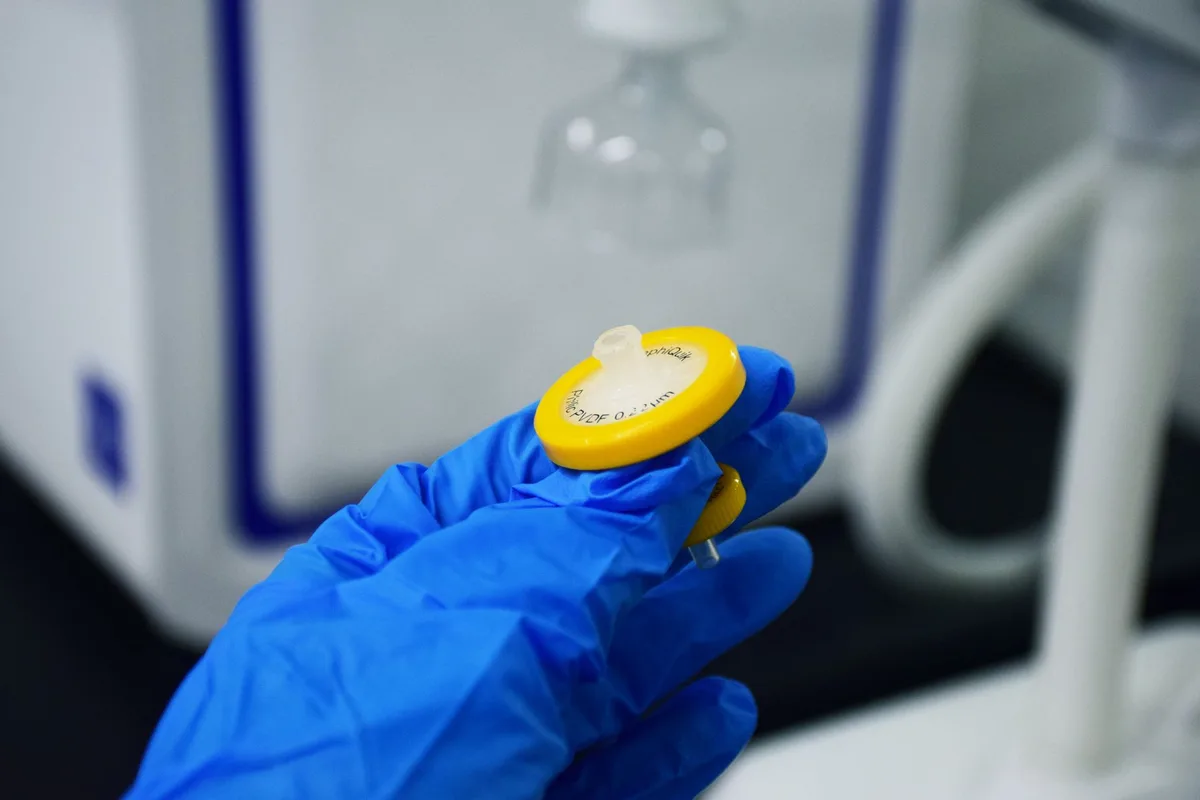
Manufacturer specifications typically recommend backflushing with clean, potable water in the reverse direction of normal flow. This process helps to dislodge any sediment or biological material trapped within the hollow fibers. For the Sawyer Mini, this usually involves attaching the provided syringe to the "clean" exit end of the filter and pushing clean water back through.
Keeping Your Filter Going: Backflushing and Maintenance
Regular maintenance is key to getting the advertised lifespan out of your Sawyer Mini, which is often stated as filtering up to 100,000 gallons over its lifetime. While that's a massive number, it's only achievable with diligent care. Backflushing, as we’ve detailed, is your primary maintenance tool.
Beyond backflushing, always store the filter properly. Once clean and dry, keep it in a protective case or a clean bag. Avoid letting it come into contact with dirty surfaces or the contents of your pack that might introduce new contaminants.
If you're storing the filter for an extended period (e.g., over winter if you're a fair-weather hiker), it's a good idea to give it a thorough backflush before long-term storage, and perhaps again before its first use after storage. Check the manufacturer’s recommendations for sanitizing if necessary, although standard backflushing usually suffices for most users. Always follow the guidance provided by Sawyer Products to ensure optimal filter function.
Is the Sawyer Mini Right for Your Adventures?
Deciding if the Sawyer Mini is your go-to water filter depends on what you’re doing and what you need. For short to medium-length backpacking trips, camping excursions, or as a reliable backup for emergency kits, it’s an excellent choice. Its lightweight design and ease of use make it a favorite for ounce-counting hikers.
However, if you're planning expeditions where you'll be filtering extremely large volumes of water daily, or if you need protection against viruses, you might need to consider a different system or supplement the Sawyer Mini with another purification method. For day hikes where you can carry all your water, it might be overkill, but it's always good to have for unexpected situations.
Real-World Scenarios: Using the Sawyer Mini on the Trail and Beyond
Picture this: you're three days into a week-long trek, your water bottles are nearly empty, and the next reliable water source is still hours away. This is exactly where the Sawyer Mini shines. You find a clear, flowing stream, fill up your collapsible pouch, easily screw on the filter, and start squeezing water into your bottles. Within minutes, you've got enough clean water to get you to your next camp.
Another scenario involves international travel. If you're heading to a country where tap water quality is questionable, carrying a Sawyer Mini can be a game-changer. Instead of constantly buying bottled water, which is expensive and creates plastic waste, you can safely drink from hotel taps, public fountains, or natural sources (with caution) by filtering it first. This offers both financial savings and a more sustainable travel experience.
Quick Tips for Optimal Sawyer Mini Performance
Want to squeeze every drop of performance from your filter? Here are a few pro tips gathered from editorial analysis of user feedback and manufacturer guidance. First, always try to let silty water settle in your dirty water pouch for a bit before filtering. This allows the heavier sediment to sink to the bottom, reducing the load on your filter membrane.
Second, when squeezing the pouch, don't go overboard with extreme pressure. Gentle, consistent pressure is best, especially as the filter inevitably starts to accumulate some particulate matter. This helps prevent damaging the fibers and ensures a longer filter life. Lastly, always store your filter in its protective case or a clean zip-top bag when not in use.
Sawyer Mini Filter Specs at a Glance
Let's look at the core specifications that make the Sawyer Mini a popular choice.
- Filtration Level: 0.1 micron absolute
- Removes: 99.9999% of bacteria, 99.999% of protozoa
- Weight: Approximately 2 ounces (without pouch)
- Lifespan: Rated for up to 100,000 gallons with proper maintenance
- Materials: Filter housing is typically BPA-free plastic
These specs highlight its effectiveness against common waterborne pathogens and its impressive potential lifespan, especially when compared to other filtration methods. Keep in mind that for virus removal, you'd need to consider additional purification steps. You can find further details and official certifications from Sawyer Products.
When to Consider Other Options
While the Sawyer Mini is fantastic for many situations, it's not a one-size-fits-all solution, and sometimes other filters or purifiers are a better fit. If you're embarking on an extended expedition where you'll be filtering immense quantities of water daily, or if purity standards demand virus removal, you might look at pump filters or gravity filters that offer higher throughput or different filtration technologies.
For example, if you're on a long thru-hike covering hundreds or thousands of miles, a pump filter might offer a more comfortable and efficient way to process larger volumes of water without constantly squeezing a pouch. Similarly, for international travel to regions with a high risk of viral contamination, chemical treatments like iodine or chlorine dioxide tablets, or a UV purifier, should be a primary consideration alongside or instead of a microfilter.
Who Benefits Most from a Sawyer Mini?
The Sawyer Mini truly shines for the solo hiker, the weekend camper, or the minimalist backpacker. Its compact size and light weight mean it takes up minimal space in a pack, making it ideal for those who prioritize carrying less gear. It’s also a fantastic addition to any emergency preparedness kit, ensuring you have a reliable water source when municipal systems fail.
If you're a traveler who enjoys exploring off-the-beaten-path destinations, this filter offers freedom. You won't be tied to finding potable water sources or spending a fortune on bottled water. Its straightforward operation means minimal learning curve, so you can quickly get the clean water you need when you need it.