What Does Brita Filter Remove From Water: 2026 Expert Guide
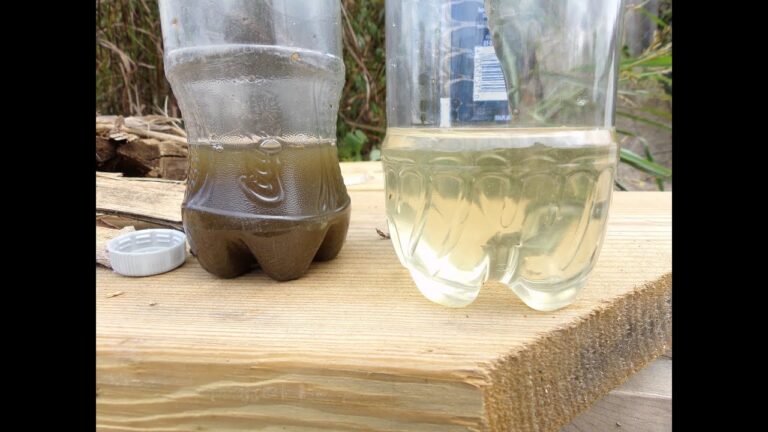
Brita filters reduce chlorine, lead, some metals, and common taste-odor contaminants.
If you’ve ever wondered what does Brita filter remove from water, you’re in the right place. I test filters for a living and I’ve used Brita pitchers, faucet units, and test strips in real homes. This guide explains what gets reduced, what does not, and how to choose the right Brita for your tap. By the end, you’ll know exactly what does Brita filter remove from water and how to verify the results at home.

How Brita filters work
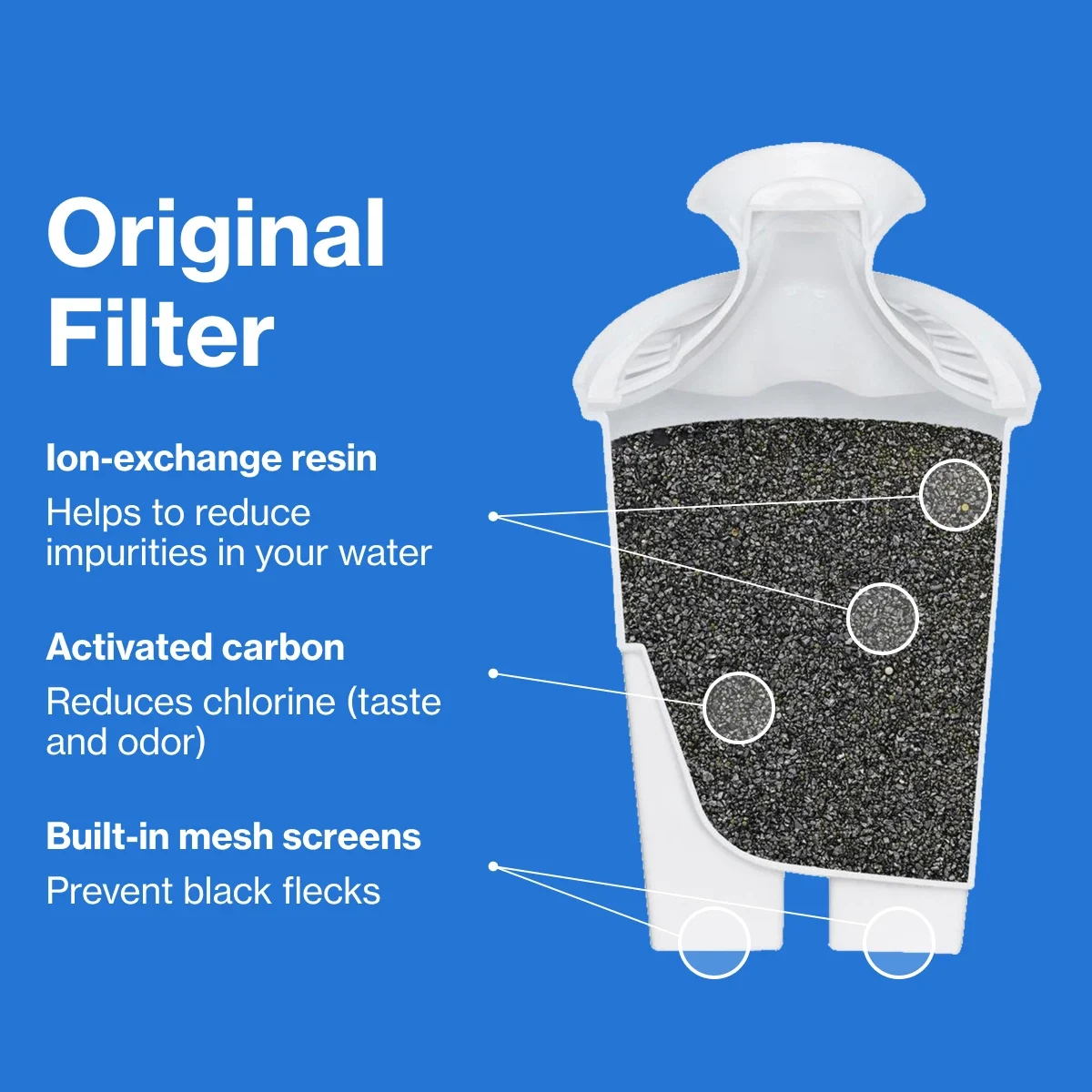
Brita uses two main tools inside its filters. The first is activated carbon. It traps chlorine, some pesticides, and many taste and odor compounds. The second is ion exchange resin. It swaps unwanted metals like lead or copper for harmless ions.
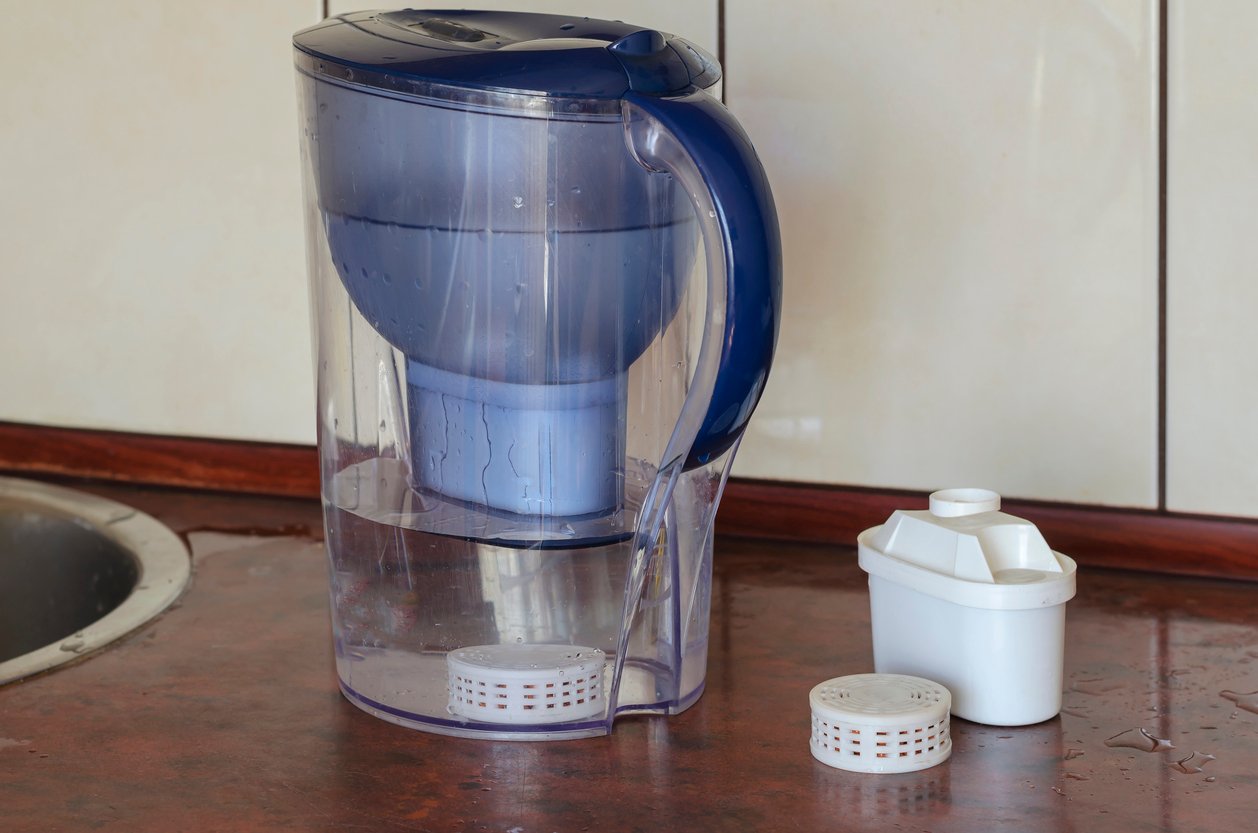
Pitcher filters come in two types: Standard and Elite. Faucet-mounted filters use a denser carbon block. That gives more contact time and more reduction for certain contaminants. Some Brita Stream filters focus on faster flow, but they remove less.
Every claim depends on certification. Look for NSF/ANSI marks. Standard 42 covers chlorine and taste. Standard 53 covers health-related risks like lead. Standard 401 covers select emerging contaminants like some pharmaceuticals and PFAS. This is key when you ask what does Brita filter remove from water.

What Brita filters remove from water
Let’s break it down by filter type. This helps answer what does Brita filter remove from water in real life.
Brita Standard pitcher filter (white)
- Chlorine taste and odor
- Some volatile organic compounds (VOCs), depending on model
- Particulates that affect clarity
Best for city water that smells like a pool. It improves taste fast.
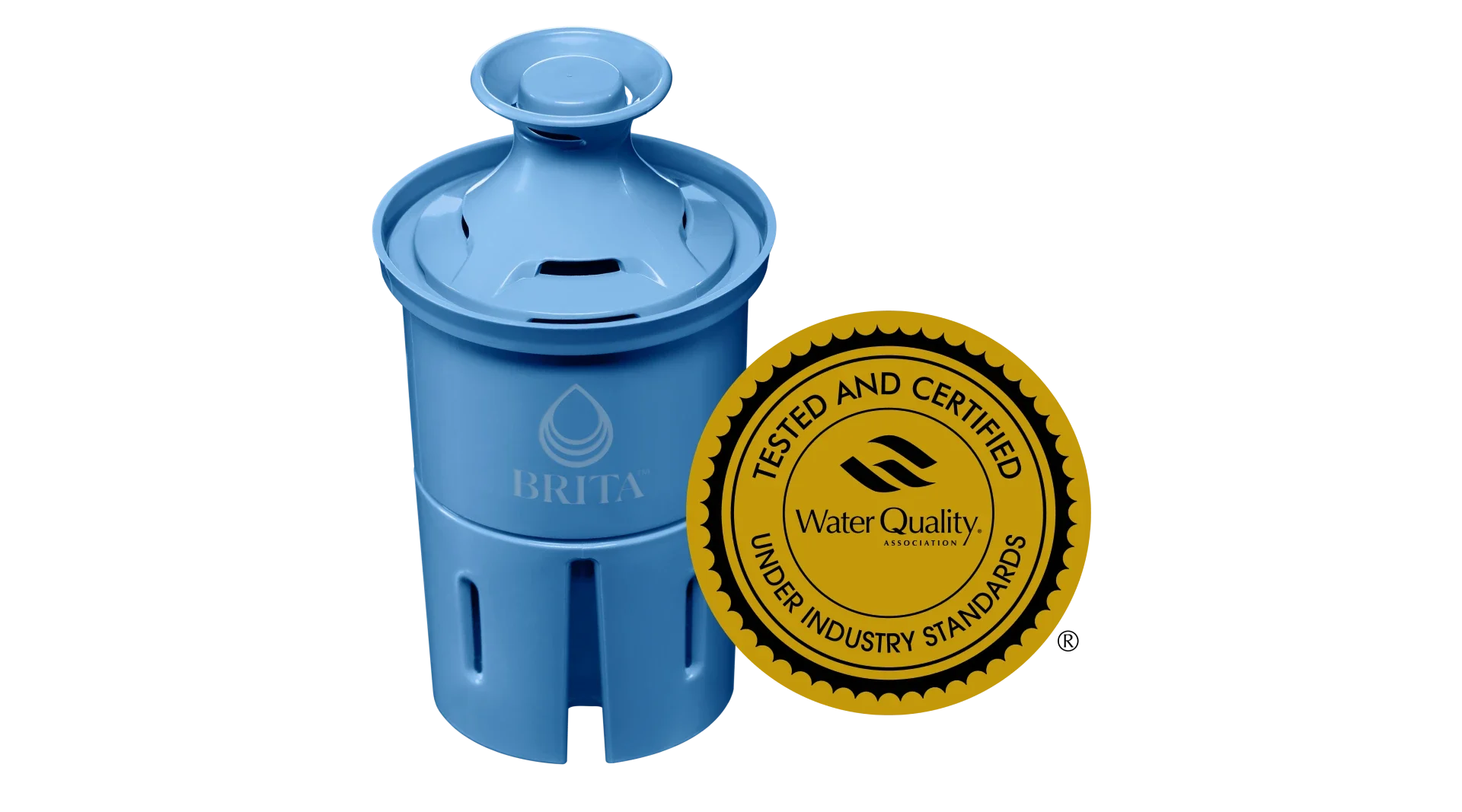
Brita Elite pitcher filter (blue; formerly Longlast+)
- Chlorine taste and odor
- Lead reduction when certified under NSF/ANSI 53
- Some heavy metals like mercury and cadmium when certified
- Select industrial chemicals and pharmaceuticals under NSF/ANSI 401 (model dependent)
- Some PFAS such as PFOA/PFOS when certified under the correct standard
This is the safer pick for older homes with lead risks. It lasts longer too.
Brita faucet filter system
- Chlorine taste and odor
- Lead reduction under NSF/ANSI 53 (model dependent)
- Certain pesticides, industrial solvents, and VOCs
- Cysts like Giardia and Cryptosporidium on some models that are certified for cyst reduction
It gives higher performance than pitchers. It is a good option if you cannot install an under-sink filter.
Note: Always match the exact model to the certification label. Not every version removes the same things. If you are asking what does Brita filter remove from water, the answer depends on the specific cartridge and the NSF/ANSI standards printed on the box.
What Brita does not remove (and where it falls short)
Brita does not remove everything. It is not a desalination unit. It does not remove dissolved salts or total TDS in a big way. It does not remove fluoride. It does not make seawater drinkable.
Most pitcher filters do not remove bacteria or viruses. Some faucet models reduce cysts, but they are not full microbiological purifiers. If your water is microbiologically unsafe, you need boiling, UV, or a certified purifier.
Hardness and limescale may drop a bit with ion exchange. But you will not get full softening. If scale is your main pain, consider a softener or a robust carbon block with scale media. Knowing these limits is part of understanding what does Brita filter remove from water.

Choose the right Brita for your tap
Match the filter to your water issues. Here’s a simple path.
- Your tap smells like a pool. Standard pitcher is fine. It tackles chlorine and taste.
- You live in an older home with lead pipes or solder. Choose Brita Elite or a faucet filter with lead reduction under NSF/ANSI 53.
- You worry about PFAS. Pick a Brita model that lists PFOS/PFOA reduction under NSF/ANSI 53 or 401. Check the box.
- You want more than taste improvement. Go with Elite or a faucet filter, not Stream.
- You have well water. Brita can help with taste and some metals. But test first. You may need a different system for microbes, iron, or sulfur.
If you came here asking what does Brita filter remove from water, the best answer starts with a water report. Then pick the cartridge that targets those contaminants.
How to verify performance at home
Trust, but verify. Here are simple ways I use in the field and at home.
- Read your local Consumer Confidence Report. It lists regulated contaminants in city water.
- Check the NSF/ANSI certifications printed on the filter box and on the NSF listings.
- Use chlorine test strips before and after filtering. You should see a clear drop.
- Use a lead mail-in kit if you live in an older home. Test before and after a certified lead-reduction filter.
- Do not rely on a cheap TDS meter to judge a Brita pitcher. TDS measures salts, not chlorine or lead. Taste can improve even when TDS does not move.
These steps make the answer to what does Brita filter remove from water feel real, not just a claim on the label.

Care, lifespan, and mistakes to avoid
Filters do not work well when neglected. These tips keep performance high.
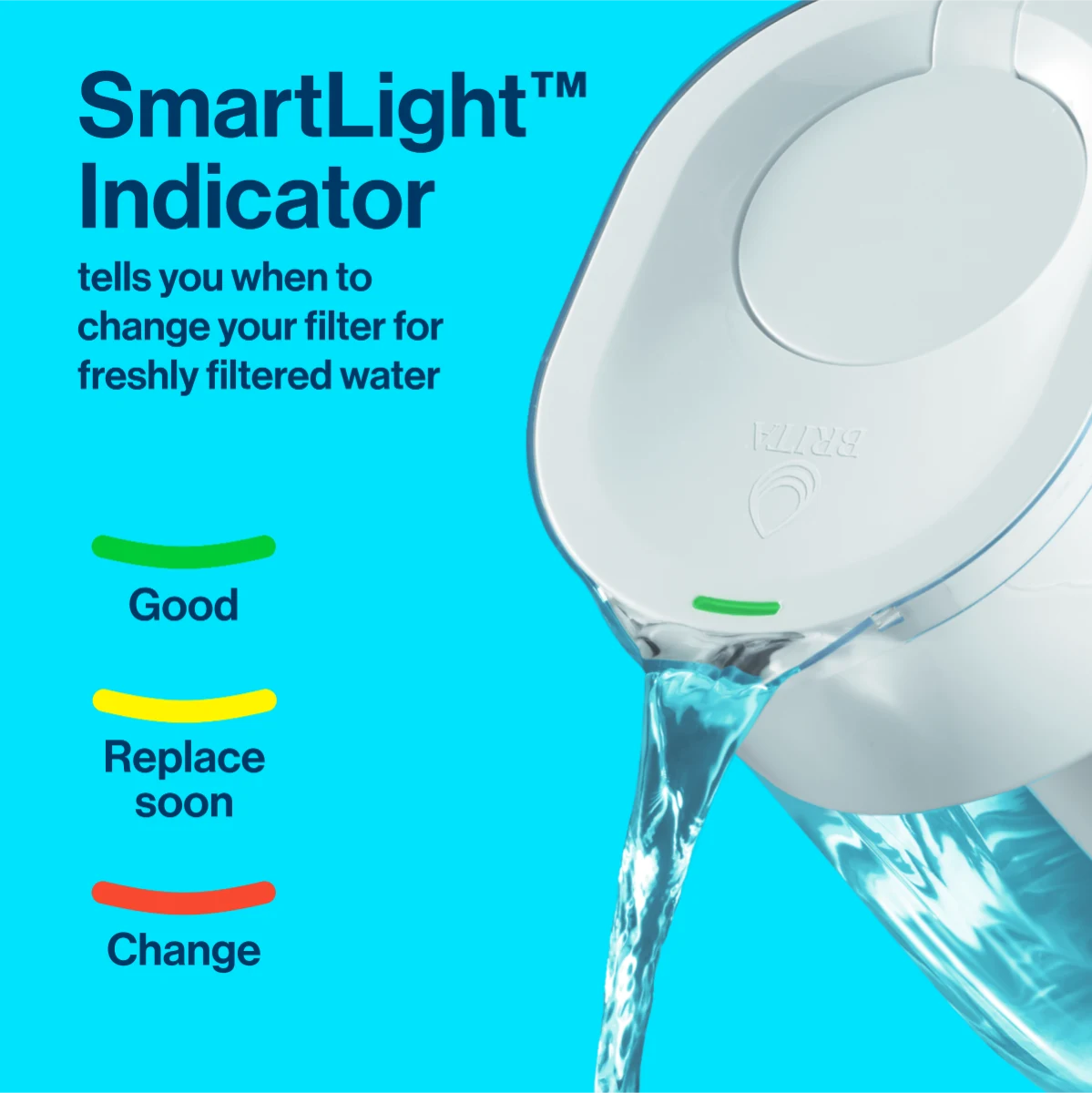
- Replace on time. Standard pitcher: about 40 gallons or 2 months. Elite: about 120 gallons or 6 months. Faucet filters: about 100 gallons or 4 months. Your use may vary.
- Flush new filters as directed. This clears carbon dust and activates media.
- Use cold water only. Hot water can damage the filter and release trapped stuff.
- Clean the pitcher and reservoir often. I wash mine weekly with mild soap and air-dry.
- Store in the fridge if you can. Cool water tastes better and slows bacterial growth.
- Do not ignore slow flow. That can mean the filter is full or clogged.
Good care makes a big difference in what does Brita filter remove from water day to day.
Real-world examples and lessons learned
I once helped a family with a strong chlorine smell. A Standard Brita pitcher cut the chlorine to near zero on test strips. The water tasted clean and crisp. It was a fast, low-cost win.
Another case involved an older house with lead service lines. We tested 18 ppb at the tap, above the action level. A certified Brita Elite pitcher brought post-filter samples below detection in our lab kit. We still replaced the service line later. The filter was a helpful bridge.
I have seen common mistakes too. People judge by TDS and think the filter failed. But taste and chlorine dropped a lot. Remember, TDS is not the right yardstick for what does Brita filter remove from water.

Alternatives and when to upgrade
Sometimes you need more than a pitcher.
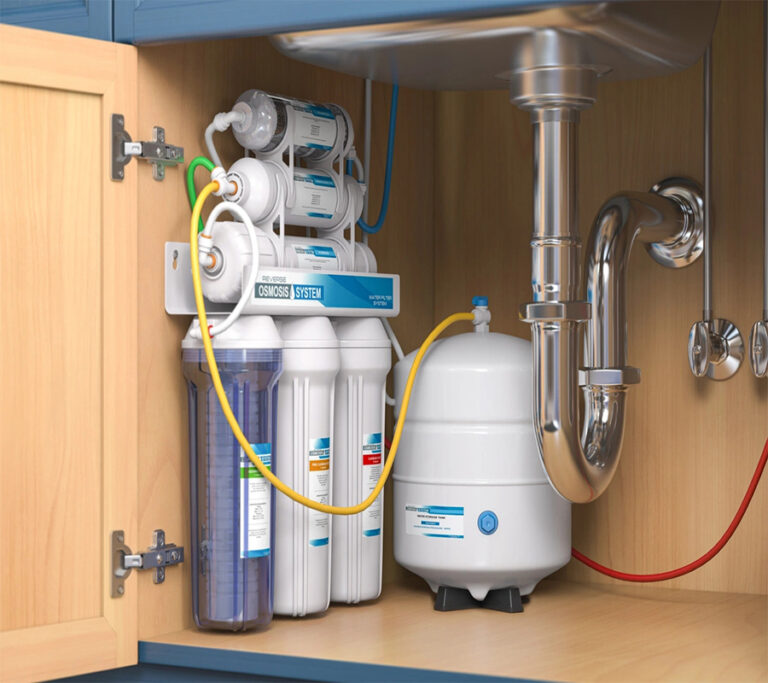
- You want the broadest removal, including salts and fluoride. Consider reverse osmosis with a carbon post-filter.
- You have persistent PFAS at high levels. Choose an under-sink carbon block certified for PFAS reduction. Verify with recent third-party tests.
- Your well has bacteria or sulfur odors. Add UV or shock-chlorinate per guidance, and use a targeted filter.
- You need whole-home scale control. A softener or scale media system is better than a pitcher.
If you are still weighing what does Brita filter remove from water versus your needs, start with a water test. Then pick the system that hits your exact targets.
Frequently Asked Questions of what does brita filter remove from water
Does a Brita filter remove lead?
Yes, when you use a Brita filter certified for lead under NSF/ANSI 53, such as the Elite pitcher or certain faucet models. Always check the box for the specific lead-reduction claim.
Can a Brita filter remove PFAS like PFOA and PFOS?
Some Brita models reduce select PFAS when certified under the right NSF/ANSI standard. Look for explicit PFOS/PFOA reduction on the packaging before you buy.
Does Brita remove fluoride?
No, Brita filters do not remove fluoride. You need reverse osmosis or a specific fluoride-reduction media for that.
Will a Brita filter remove bacteria or viruses?
Pitcher filters do not remove bacteria or viruses. Some faucet models reduce cysts, but for microbes you need boiling, UV, or a certified purifier.
Why doesn’t my TDS drop after using Brita?
Brita targets chlorine, taste, odor, and some metals, not total dissolved solids. You can have cleaner, better-tasting water even if TDS stays similar.
How often should I replace my Brita filter?
For most homes, replace the Standard pitcher every 2 months, the Elite every 6 months, and faucet filters about every 4 months. Heavy use may need faster changes.
Conclusion
Brita filters are great for taste, smell, and many everyday contaminants. They reduce chlorine, lead (with the right model), and select chemicals. They do not do it all, but they offer real value for city water and many homes.
If you came here asking what does Brita filter remove from water, you now have a clear answer and a plan. Check your water report, match your needs to the right certified model, and test at home. Ready to take the next step? Explore your local water report, pick the right Brita cartridge, and share your results or questions in the comments.