What Does a Carbon Filter Remove From Water 2026
Ever wonder what's actually lurking in your tap water and how that unassuming carbon filter actually works? It's a fair question, and honestly, it's pretty neat science. Think of an activated carbon filter like a highly efficient sponge for certain unwanted guests in your water, designed to grab onto specific impurities.
We’re not talking about boiling your water or removing every single mineral. Carbon filters are specialists. Per NSF/ANSI Standard 42 testing, which verifies aesthetic effects, these filters are rated for reducing specific contaminants like chlorine. They’re designed to make your water taste and smell better, and in some cases, improve its overall quality.

Activated Carbon: Your Water's Specialty Sponge
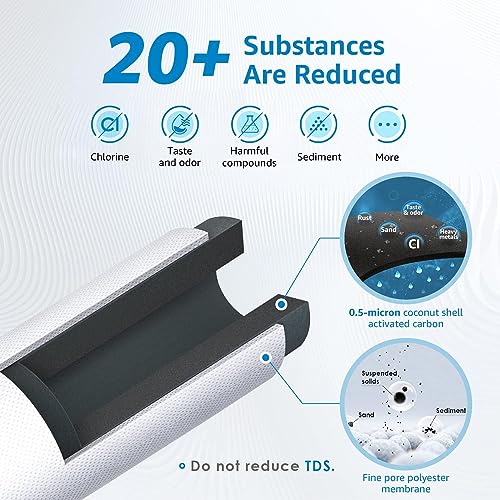
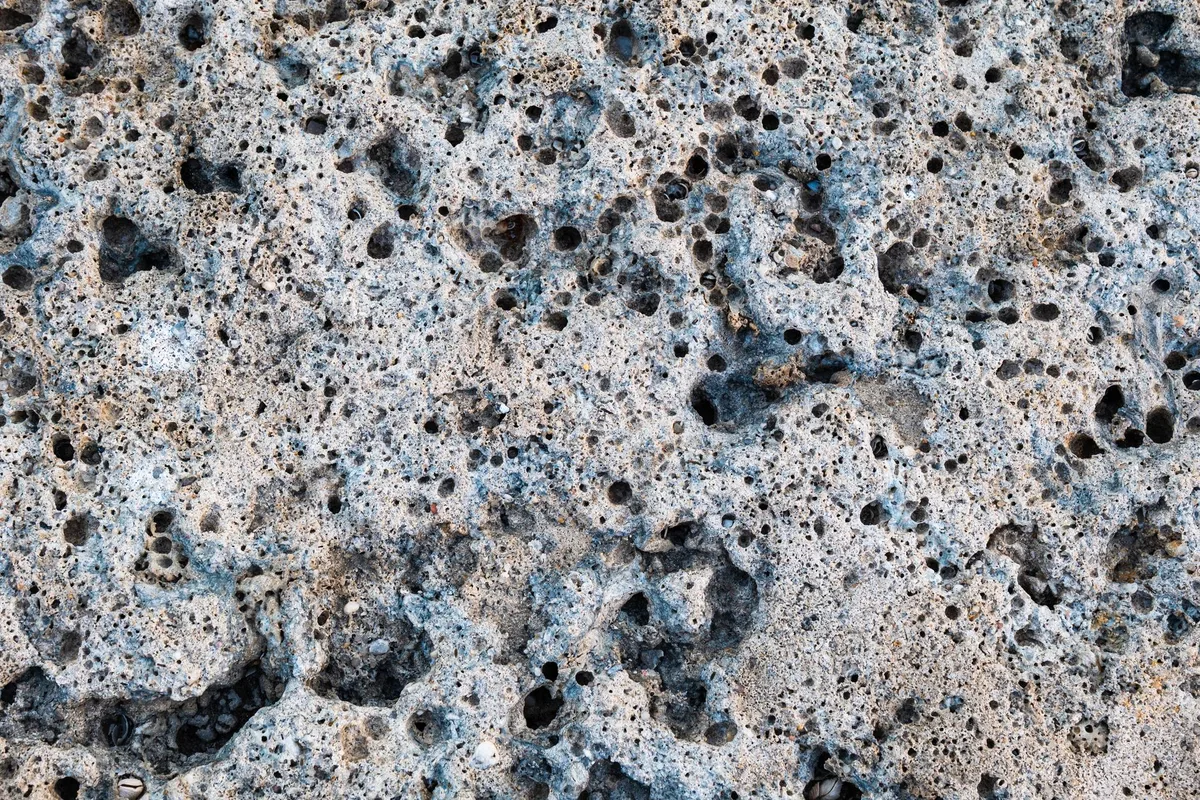
Activated carbon is a material that’s been processed to be incredibly porous, meaning it has a massive surface area packed into a small volume. This huge surface is what does all the work, acting like a magnet for certain impurities. It's this unique structure that allows it to adsorb (cling to) specific molecules from the water.
How Activated Carbon Works on Impurities
The magic of activated carbon lies in a process called adsorption, not absorption. Think of it like this: adsorption is when molecules stick to the surface of a material, whereas absorption is when molecules are soaked into the material. Activated carbon’s immense surface area, developed through treatments like steam activation, creates countless tiny pores and crevices. When water flows through it, specific contaminant molecules find these surfaces attractive and bond to them, effectively being removed from the water that passes through.
The "Big Grabs": What Carbon Filters Excel At Filtering
When we talk about activated carbon filters, we're primarily talking about their effectiveness against a handful of common culprits. They are particularly skilled at targeting things that affect the sensory experience of water, as well as some chemical contaminants.
Chlorine: Taste and Odor's Worst Enemy
This is a big one. Many municipal water systems use chlorine for disinfection, a vital step to kill harmful bacteria and viruses. While effective and necessary for public health, chlorine can leave your water with that distinct, often unpleasant, "pool-like" smell and taste. Activated carbon filters are fantastic at removing free chlorine and many chlorine byproducts that form when chlorine reacts with organic matter.
VOCs and Industrial Chemicals: Tackling Hidden Dangers
Volatile Organic Compounds, or VOCs, are chemicals that can easily evaporate into the air. If these find their way into your water supply, often through pesticide runoff, industrial discharge, or leaking underground storage tanks, an activated carbon filter can do a solid job of absorbing them. These include things like certain pesticides, herbicides, and cleaning solvents. Their organic nature makes them prime targets for bonding with activated carbon surfaces.
Other Taste and Odor Offenders
Beyond chlorine, there are numerous other compounds that can make water taste or smell "off." These can arise from natural sources, like decaying organic matter in reservoirs or groundwater, or from various industrial and agricultural activities. Activated carbon is a champion at removing the bits that cause these unpleasant tastes and smells. It can effectively adsorb a wide range of organic molecules responsible for off-flavors.
The "No-Go Zone": What Carbon Filters Don't Remove
It's just as vital to understand what a standard activated carbon filter isn't going to touch. They are not a catch-all solution and have clear limitations.
Dissolved Minerals and Salts: Leaving the Good Stuff
Many beneficial minerals like calcium, magnesium, and potassium are naturally dissolved in water. Activated carbon filters aren't designed to remove these. The molecules of these dissolved solids are often too small or too chemically bound to be effectively captured by the carbon's adsorption process. This means the minerals you might want or need in your water are generally left behind.
Heavy Metals: Not Their Strong Suit
While some specialized carbon filters might have additives or be designed with specific media to tackle certain heavy metals like lead, a standard activated carbon filter alone is usually not the primary defense. Metals like lead, mercury, or arsenic require different filtration technologies to be reliably removed. If heavy metals are a concern in your water, you'll need a system that specifically targets them. You can find detailed specifications on manufacturer sites regarding lead reduction claims.
Microbes: Not a Disinfection Method
Activated carbon filters can trap some larger bacteria or cysts, but they generally do not kill or reliably remove all problematic microbiological contaminants. They are not a substitute for disinfection. If your water source is suspect for bacteria, viruses, or protozoa, relying solely on a carbon filter could put you at risk. Many water filtration systems that incorporate carbon stages also include other purification steps, like UV sterilization or advanced membrane filtration, to address microbial threats.
Understanding Activated Carbon's Limitations
While activated carbon is a workhorse for improving water aesthetics and removing certain chemicals, it's crucial to be aware of its boundaries. Its effectiveness is highly dependent on the specific contaminants present and the filter's design. Not all carbon filters are created equal, and their performance can vary.
When Activated Carbon Isn't Enough
If your primary concern is dissolved salts, fluoride, nitrates, or the aforementioned heavy metals and microbes, a standard activated carbon filter will likely be insufficient on its own. For instance, removing dissolved solids like salts often requires processes like reverse osmosis. Similarly, the effective removal of arsenic or lead typically involves specialized filter media, ion exchange resins, or electro-adsorption technologies. Always consult your local water quality report and product specifications to ensure your chosen filter meets your needs.
As of 2026, various certification standards continue to evolve to help consumers make informed choices.
The Health Angle: Why Removal Matters
Improving the quality of your drinking water isn't just about taste; it has real health implications. By removing common contaminants like chlorine, your activated carbon filter can make water more palatable, encouraging you to stay hydrated throughout the day. Consistent hydration is fundamental for everything from cognitive function to physical energy levels.
Furthermore, reducing your exposure to certain chemical contaminants, such as VOCs and pesticides, can contribute to long-term well-being. While these might not cause immediate symptoms, prolonged exposure to some chemicals in drinking water is a concern that activated carbon helps address. This is where understanding what your filter targets becomes really important for your peace of mind.
Choosing and Using Carbon Filters Wisely
Selecting the right filter means looking beyond just the "carbon" label. It's about understanding what specific contaminants you need removed and ensuring the filter is certified for those capabilities. Many filters are designed for multi-stage purification, with activated carbon being just one component.
What to Look For: Certifications and Specs
When you're shopping, check for certifications from independent organizations like NSF International. Standards such as NSF/ANSI 42 confirm that a filter reduces specific aesthetic contaminants (like chlorine taste and odor), while NSF/ANSI 53 focuses on health effects (like lead or certain VOCs). Always read the product specifications carefully to see exactly what the filter is rated to remove and its capacity, for example, how many gallons it can filter before needing replacement.
When to Consider Other Filtration Methods
If your water quality report shows concerns beyond what activated carbon can handle, it’s time to look at other technologies. For example, if dissolved solids are high, a reverse osmosis system might be necessary. For potential lead contamination, filters specifically certified for lead reduction are essential, often used in conjunction with carbon stages. Similarly, if microbial contamination is a risk, UV purifiers offer a different, complementary approach to water treatment.
When to Seek Expert Advice on Your Water Quality
While activated carbon filters are great for improving everyday water quality, they aren't a one-size-fits-all solution. If you have persistent concerns about your tap water, or if you've received a water quality report indicating specific problematic contaminants, it’s wise to consult with local water quality experts or certified professionals. They can help you interpret your report and recommend the most appropriate and effective filtration strategy for your home.