How Long Does Water Filter Last (2026) — Real Buyer Picks
How Long Does Your Water Filter Actually Last? It Depends.
When you buy a water filter, you're probably wondering about the replacement schedule. The exact truth about how long does water filter last isn't a simple number because it's not one-size-fits-all. It really comes down to how you use it and what your water's like.
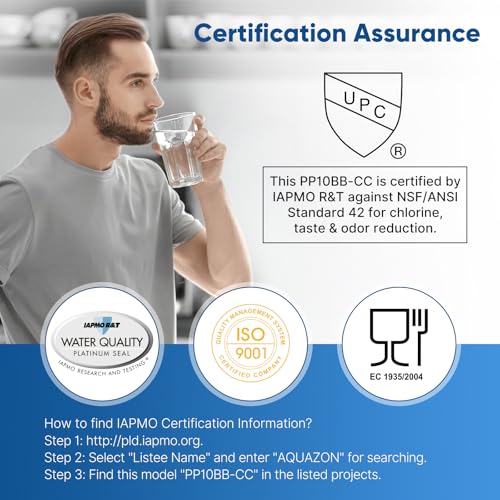
Manufacturer specifications often point to a general lifespan, but your real-world results can vary significantly. For instance, official testing for certain filtration standards, like NSF/ANSI 42 and 53, measures contaminant reduction over a specified capacity or time, but these are lab conditions. We'll break down what those numbers mean for you and what factors will actually dictate when you need a new filter.
What's Making Your Filter Quit Sooner (or Later)?
Your water filter's lifespan isn't a fixed contract; it's a dynamic situation influenced by several key variables. Understanding these will help you nail down the most accurate replacement schedule for your setup.
- Daily Water Consumption: This is the heavyweight champion among factors. If you're a single person or a couple who only filters water for drinking and occasional cooking, your filter cartridge will last substantially longer than in a busy household of five or more. We're talking potentially double the life or more, simply based on volume alone.
- Incoming Water Quality: What's in your tap water matters immensely. Water with high levels of sediment, minerals (like calcium and magnesium), or chlorine will force your filter to work harder. Think of it like this: a filter designed to remove trace amounts of a contaminant will clog up much faster if that contaminant is present in high concentrations.
- Sediment: Visible particles like sand or rust mean your filter's pores will get blocked quickly.
- Hardness (Mineral Content): High mineral content contributes to scale buildup, which can shorten the effective life of certain filter types.
- Chlorine: Municipal water often uses chlorine for disinfection. While filters excel at removing it for taste, continuous exposure wears down the filter media.
- Filter Type and Technology: Not all filters are created equal. A basic activated carbon pitcher filter has a different capacity and lifespan than a complex multi-stage under-sink system. More advanced systems often have larger capacities and longer lifespans due to their design and the materials used.
Your Filter Lifespan: A Decision Tree
Since your filter's life really hinges on specific conditions, we can best figure it out with a step-by-step approach. This helps tailor the general advice to your unique situation.
Step 1: What Kind of Filter Are You Using?
The type of filtration system you have is the first major clue. Manufacturers typically provide a guideline or a rated capacity for each model.
- Water Pitcher Filters: These are the most common. They usually last for about 2-3 months of typical use, or roughly 40-60 gallons filtered. The exact capacity varies by brand and model, so always check the packaging.
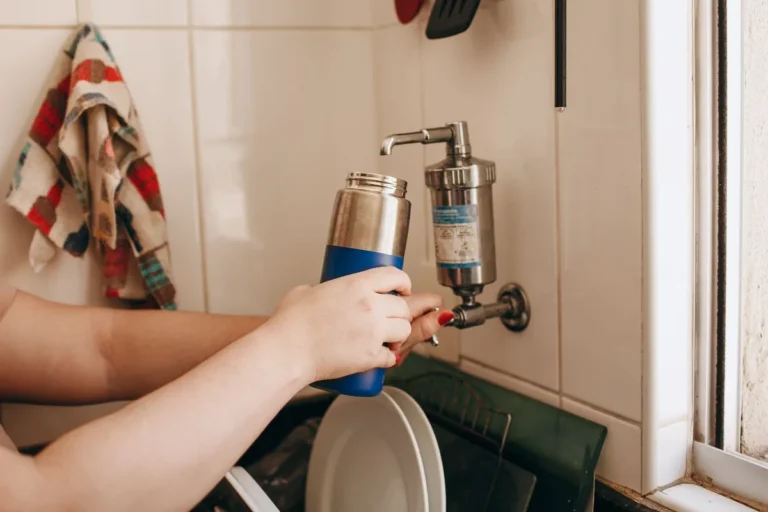
- Faucet Filters: These attach directly to your tap. Their lifespan is often similar to pitchers, around 2-3 months or a specified gallon limit (e.g., 100 gallons).
- Under-Sink Filters: Installed beneath your kitchen sink, these systems generally have a larger capacity and last longer, often 6 months to a year, depending on the number of filter stages and the specific cartridge.
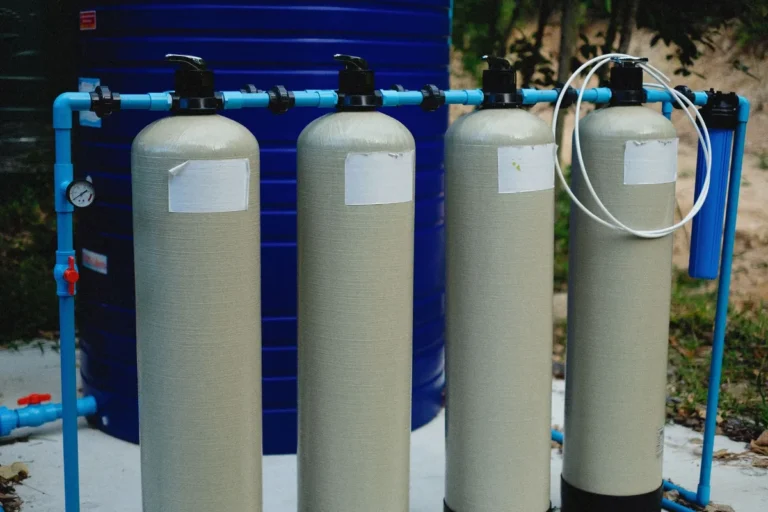
- Whole-House Filters: These are designed for maximum volume and can last anywhere from 6 months to a year or more, but they are also the most susceptible to variations in daily water usage for an entire property.
Step 2: How Much Water Are You Really Using?
Now, let's get real about your household's water habits. This is where manufacturer recommendations often need to be adjusted.
- Light Use (1-2 people, occasional filtering):
If it's just you or one other person, and you're mainly filtering water for drinking and perhaps a cup of tea or two a day, your filter will likely meet or exceed the manufacturer’s stated lifespan. You might find a 2-month filter lasts closer to 3 or even 4 months.
- Moderate Use (3-4 people, regular filtering):
For a family of three or four, where water is used regularly for drinking, cooking, and filling water bottles throughout the day, you're probably hitting the manufacturer's estimated lifespan right on the mark, or maybe slightly less. A filter rated for 3 months might realistically last 2.5 months.
- Heavy Use (5+ people, high water needs):
Larger families, households with pets, or those who frequently fill large water jugs for coolers or work will likely find their filters need replacement sooner than the stated schedule. A filter rated for 60 gallons could be depleted in as little as 40 gallons in a very busy household.
Step 3: What's Lurking in Your Tap Water?
Your local water quality is a critical, often overlooked, factor. As of 2026, water quality reports are readily available, but many people don't check them.
- Clear, Low-Sediment Water: If your tap water is visually clean and known to be soft, your filter media won't get clogged or exhausted as rapidly.
- Moderate Sediment or Hardness: Water with noticeable cloudiness, a high mineral content (causing scale on faucets), or occasional off-tastes will put more strain on your filter.
- Very Tough Water: If your municipal supply is high in sediment, iron, or other minerals, or if you're using a filter to tackle specific heavy contaminants, expect a significantly shortened filter life. The filter is working overtime.
Signs Your Filter Says "I'm Done!"
Even if you're tracking months, your filter will usually give you clear signals when it’s time for a change. Ignoring these can mean you're no longer getting the benefits of filtered water, and in some cases, could even lead to issues.
Here are the most common indicators that your filter needs replacing:
- Reduced Water Flow: This is often the first and most obvious sign, especially with faucet or under-sink systems. The water pressure coming out of the tap or pitcher seems to significantly decrease; it just trickles. This means the filter media is likely clogged with trapped contaminants.
- Change in Taste or Odor: If your water starts to taste or smell less fresh, or if it takes on a chlorine or "off" taste again, the filter's capacity to remove these impurities has been exhausted. It's no longer adsorbing or trapping effectively.
- Visible Discoloration or Fouling: If you can see sediment buildup within the filter housing, or if the filter cartridge material itself appears visibly dirty, darkened, or discolored, it’s a strong sign it’s time for a swap.
- Manufacturer Indicators: Many systems, especially pitchers and faucet filters, come with indicator lights or timers. While helpful, these are often based on average use. Don't rely solely on them; always pay attention to the other sensory cues.
Putting It All Together: A Practical Timeline Guide
So, how do we bring this all together to give you a practical idea of when to expect a filter change? It's about balancing the manufacturer's claims with your reality.
| Filter Type | Manufacturer's Guideline (Typical) | Your Usage & Water Quality | Likely Real Lifespan |
|---|---|---|---|
| Water Pitcher | 2-3 months or 40-60 gallons | Light use, good water | 3-4 months |
| Moderate use, average water | 2-3 months | ||
| Heavy use, tough water | 1.5-2 months | ||
| Faucet Filter | 2-3 months or 100 gallons | Light use, good water | 3+ months |
| Moderate use, average water | 2-3 months | ||
| Heavy use, tough water | 1.5-2 months | ||
| Under-Sink | 6-12 months or 500-1000 gallons | Light use, good water | 9-12 months |
| Moderate use, average water | 6-9 months | ||
| Heavy use, tough water | 4-6 months | ||
| Whole-House | 6-12 months or 1000+ gallons | Light use, good water | 9-12+ months |
| Moderate use, average water | 6-9 months | ||
| Heavy use, tough water | 4-6 months |
The exact numbers here are illustrative. Always refer to your specific filter's packaging and user manual for the most accurate starting point. Your goal is to observe your filter's performance and adjust based on these real-world indicators.
Best For: Who Needs What Filter Lifespan?
Not everyone needs the same type of filter or the same lifespan projection. Understanding who benefits most from certain types of filters can help you decide what to buy and how to manage its replacement.
- Homeowners with High Water Usage: Families of four or more, or homes that use significant amounts of water for cooking, bathing, and other daily tasks, will find robust whole-house or multi-stage under-sink filters offer the best balance. While the initial cost is higher, their longer lifespans and higher capacities (often 1000+ gallons) mean less frequent replacements. The key is to accurately track your household's actual water consumption to avoid premature clogging.
- Renters or Apartment Dwellers: For those in temporary living situations or who can't install permanent fixtures, simple water pitcher filters or faucet filters are ideal. Their shorter lifespans (e.g., 2-3 months) are manageable, and their lower upfront cost makes them budget-friendly. The primary consideration here is consistent replacement to maintain water quality.
- Health-Conscious Individuals: People focused on eliminating specific contaminants like lead, PFAS, or microplastics will opt for filters certified to NSF/ANSI standards for those specific reductions. These filters may have varying lifespans based on the contaminant they target. For instance, a filter designed for lead reduction might have a lower gallon capacity than a basic carbon filter, meaning more frequent changes are necessary to ensure ongoing protection. Always check the filter's certification for the contaminants you're most concerned about.
When Should You Not Replace Your Filter?
This might sound counterintuitive, but there are specific scenarios and filters where you might not need to replace them as often as a general cartridge. This isn't about skipping maintenance; it's about understanding different filtration technologies and systems that might not require routine cartridge swaps.
- Some UV Sterilization Units: While not technically "filters" in the cartridge sense, UV sterilizers use ultraviolet light to kill bacteria and viruses. They don't get "clogged" but the UV lamp itself has a lifespan, typically measured in hours of operation or years, not gallons. These lamps need replacement periodically, but it's a different kind of maintenance schedule.
- Certain Ceramic Filters: Some high-quality ceramic filters can be cleaned. When the flow rate decreases, you can often gently scrub the exterior of the ceramic element to remove surface debris. This can extend its usable life significantly, sometimes by months, before it needs replacement. However, this cleaning process is specific to the filter type and requires careful handling.
- Filter Bypass or Infrequent Use: If you have a system with a bypass valve and only use the filtered water for specific purposes, or if you’re in a situation with very infrequent use (like a vacation home you visit a few times a year), you won't deplete the filter's capacity as quickly. However, even unused filters can degrade over time, and bacterial growth can still be a concern, so always check the manufacturer's guidelines for extended storage or infrequent use.
What Happens If You Wait Too Long to Replace a Filter?
Pushing your water filter past its prime is more than just getting less clean water; it can directly impact your health and your plumbing. The dangers aren't always obvious until there's a problem.
- Decreased Filtration Efficacy: As the filter media becomes saturated with trapped particles, minerals, and contaminants, its ability to capture new impurities plummets. It essentially becomes a sieve that’s already full.
- Potential for Contaminant Release: Once a filter is completely saturated, it can’t hold onto what it has captured. In some situations, these trapped substances can be released back into the water you’re trying to purify. This is particularly concerning for filters designed to remove heavy metals like lead.
- Bacterial Growth: Stagnant water within an old, clogged filter can become a prime environment for bacteria and other microorganisms to grow. This can lead to an unpleasant odor and, more seriously, introduce potentially harmful microbes into your drinking water.
- Damage to Plumbing and Appliances: For whole-house systems, a severely clogged filter can create backpressure. This can stress your plumbing system, potentially leading to leaks or even appliance damage over time due to inconsistent water flow or pressure.
- Nutrient Depletion in Some Filters: Filters that remove beneficial minerals along with contaminants might also deplete these if left too long, impacting not just taste but also potential health benefits.
Maintaining Your Filtered Water System for Longevity
Getting the most out of your water filtration investment goes beyond just swapping cartridges. A little bit of proactive care can ensure your system runs smoothly and effectively for its intended lifespan.
- Follow Manufacturer Guidelines Religiously: This is your primary source. Check the manual for recommended replacement intervals, flushing procedures after installation, and any specific maintenance tips for your model.
- Clean External Components: For pitchers and some countertop units, the housing itself can accumulate residue. Regularly wash the pitcher, lid, and reservoir with mild soap and water. Ensure all parts are thoroughly rinsed and dried to prevent new contaminants from entering the system.
- Monitor Water Usage: Keep a rough mental note or even a simple log of how much water your household consumes daily. This helps you gauge if you’re on track with the filter’s stated capacity. If you notice a sharp increase in water usage, anticipate a shorter filter life.
- Inspect the Filter Cartridge: When you replace a filter, take a moment to look at the old cartridge. Does it look heavily discolored? Is it packed with sediment? This visual inspection is a powerful indicator of your incoming water quality and how hard your filter has been working, helping you adjust future replacement schedules.
- Ensure Proper Sealing: When installing replacement cartridges, ensure they are seated correctly and that all seals are tight. An improper seal can lead to bypass, where unfiltered water mixes with filtered water, reducing the overall effectiveness of the system.