What Do Brita Water Filters Filter Out (2026) — Honest Picks
You've probably noticed that tap water can sometimes taste… well, not great. That distinct chlorine smell, or a faint metallic tang, can really put you off. It makes you wonder, what exactly are those Brita water filters doing to improve things? Essentially, Brita filters aim to remove common impurities from your tap water, making it taste and smell better for everyday drinking.
Our research shows that Brita filters are primarily designed to reduce specific substances, not to purify water from all potential contaminants. For instance, per NSF/ANSI 42 testing standards, Brita's standard filters are certified to reduce chlorine, which is responsible for that often unpleasant taste and odor. Let's dive into what else you can expect.
What's Really in Your Brita Filter? Unpacking the Science
Tackling Tap Water Worries: What Brita Filters Actually Do
Chlorine: The Usual Suspect for Bad Taste and Odor?
Yes, absolutely. If your tap water has that distinct "swimming pool" smell or taste, it's almost certainly due to chlorine. Municipal water treatment plants use chlorine to kill harmful bacteria and viruses, ensuring the water is safe to drink on its journey to your tap. However, once the water arrives in your home, that chlorine is no longer needed for disinfection and can significantly impact the flavor and aroma.
Brita's standard filters use activated carbon, a substance with a massive surface area, to adsorb chlorine molecules. This process effectively traps chlorine, leaving you with water that's much more palatable.
Heavy Metals Reduced: Lead, Mercury, and More
Beyond chlorine, some Brita filters are designed to tackle certain heavy metals. This is where the type of filter you choose really matters. Brita's Longlast+ or PUR filters, for instance, incorporate ion-exchange resin alongside activated carbon. This resin has a special ability to attract and bind to dissolved metal ions.
Manufacturer specifications confirm that specific Brita filter models are certified to reduce contaminants like lead, mercury, and copper, which can leach into water from aging pipes or plumbing fixtures. While not all Brita filters remove these specific metals, models certified for health contaminants offer an extra layer of reassurance.
What Brita Filters Don't Filter Out
It's crucial to understand that Brita filters aren't designed to remove everything. They are not purifiers. For example, they generally do not reduce or remove dissolved solids like salts or minerals that contribute to water's "hardness" but are not harmful. You won't see a reduction in things like calcium or magnesium, which can cause scale buildup in appliances.
They also won't remove bacteria, viruses, or parasites. If your concern is microbiological contamination, Brita filters are not a substitute for boiling water or using a certified microbiological purifier. As of 2026, Brita continues to focus its certifications on taste/odor reduction and specific health contaminants.
Inside the Brita Filter: Key Components at Play
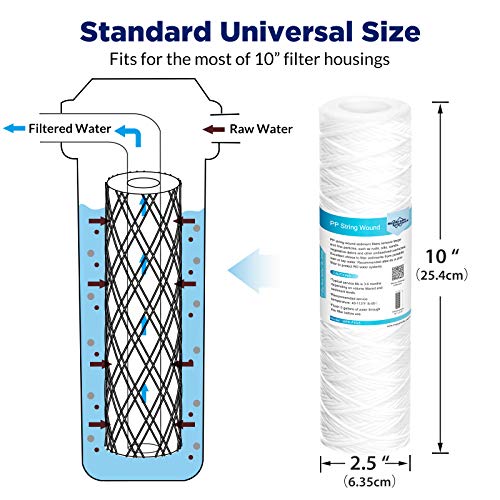
At the heart of what Brita water filters accomplish are their internal components, primarily activated carbon and ion-exchange resin. These materials work together, or sometimes independently depending on the filter type, to physically trap or chemically alter unwanted substances in your tap water. Understanding these core elements helps clarify what your Brita filter is actually doing for your drinking water.
Activated Carbon: The Taste and Odor Master
Activated carbon is the workhorse in most Brita filters, particularly for improving the taste and odor of your water. It's made by heating carbonaceous materials (like coconut shells or coal) in the absence of oxygen, which creates millions of tiny pores. This drastically increases the surface area available for adsorption. Think of it like a microscopic sponge with an incredible capacity to absorb impurities.
Chlorine, volatile organic compounds (VOCs), and other chemicals responsible for off-tastes and smells get caught in these pores as water passes through.

Ion-Exchange Resin: For Specific Metal Reductions
Some Brita filters, especially those designed to address health contaminants, include ion-exchange resin beads. These tiny beads are specially treated to carry an electrical charge. This charge allows them to attract and swap out specific dissolved ions in the water for less harmful ones, typically sodium or hydrogen. For instance, if lead ions (Pb²⁺) are present in the water, the resin can bind to them and release sodium ions (Na⁺) in their place.
This is how filters certified to reduce lead, mercury, and copper achieve those results. Different resins are used depending on which metals the filter is designed to target.
Brita Filter Performance: What the Numbers Mean
Understanding how well a Brita filter works comes down to looking at its performance standards and its lifespan. These aren't arbitrary figures; they're backed by certifications and determined by the materials inside the filter. Paying attention to these details helps you know what to expect from your filtered water.
NSF/ANSI Standards: The Mark of Performance
When you see that a Brita filter is "NSF certified," it means it has been tested and verified by an independent organization, NSF International, to meet specific public health and safety standards. The primary standards relevant to Brita filters are NSF/ANSI 42 and NSF/ANSI 53. NSF/ANSI 42 focuses on aesthetic effects, meaning it confirms the filter's ability to reduce chlorine taste and odor. NSF/ANSI 53 is a more rigorous standard for health effects, verifying the reduction of specific contaminants like lead, mercury, and certain pesticides.

It's important to check which standard your specific Brita filter model has been certified for. A filter certified only for NSF/ANSI 42 will tell you about its chlorine reduction capabilities, but not necessarily its effectiveness against contaminants like lead. Always look for the specific certification claim on the product packaging or manufacturer's website to ensure it meets your needs.
Filter Lifespan: When to Replace
A Brita filter doesn't last forever. Its effectiveness diminishes as it traps more and more impurities. Manufacturer specifications typically state a filter's lifespan in terms of either gallons filtered or months of use, whichever comes first. For example, a standard Brita filter might be rated for about 40 gallons, which usually equates to roughly two months of use for an average household.
Some newer, premium filters might last up to 120 gallons or six months.
Ignoring the recommended replacement schedule is a common mistake. Once the filter media is saturated, it can no longer effectively remove contaminants. In some cases, a saturated filter might even release trapped substances back into the water, or simply allow unfiltered water to pass through. That's why Brita pitchers often come with a built-in indicator that tracks either time or volume to remind you when it's time for a fresh filter.
Who Benefits Most from Brita Filtration?
For Better Tasting Daily Water
If your primary goal is to simply improve the taste and smell of your daily drinking water, a Brita filter is a fantastic fit. People who are sensitive to the taste of chlorine, which is common in municipal water supplies, will notice a significant difference. It makes water more refreshing and enjoyable for drinking straight from the tap.
This is also great for households where tap water might have a slightly metallic or earthy flavor, without posing a significant health risk. Brita filters offer a convenient and cost-effective way to upgrade the everyday drinking experience for everyone in the home, from kids to adults.
Beyond the Pitcher: Other Brita Filter Types
While the classic Brita pitcher is what most people picture, Brita offers a range of filtration products. You can find faucet-mounted filters that attach directly to your existing faucet, providing filtered water on demand. There are also Brita Stream pitchers that filter water as you pour, offering faster access to filtered water without waiting for a full pitcher to filter through.
Each type uses similar filtration technology but is designed for different convenience levels and use cases. For instance, a faucet filter is ideal for someone who uses a lot of tap water throughout the day and doesn't want to wait for a pitcher to refill. Understanding these different product formats helps you choose the Brita solution that best suits your daily routine and water consumption habits.
Common Brita Filter Mistakes to Sidestep
Many people who use Brita filters run into the same few issues that can reduce filter performance or lead to disappointment. Avoiding these common missteps ensures you get the most out of your filtration system and enjoy consistently good-tasting water.
Not Activating Your Filter Properly
This is probably the most common mistake. Before using a new Brita filter, it needs to be activated. This usually involves soaking the filter in cold water for about 15 minutes and then rinsing it under cold running water for 15 seconds. This process rehydrates the activated carbon and flushes out any loose carbon dust.
If you skip this step, you might notice small black flecks in your first few batches of water, which is harmless but unsightly, and the filter might not work as efficiently right away.
Forgetting to Replace Your Filter on Time
As we touched on earlier, filters have a limited lifespan. Forgetting to replace your Brita filter on schedule is a definite mistake. Once the filter media becomes saturated, it can no longer effectively remove chlorine, heavy metals, or other contaminants it was designed for. In fact, a used-up filter can become a breeding ground for bacteria, and trapped contaminants could even be released back into your supposedly "filtered" water.
Always adhere to the recommended replacement interval, whether it's based on time (e.g., every two months) or the volume of water filtered.