What Does a Carbon Water Filter Remove (2026) — Honest Picks
You're wondering what exactly that carbon water filter on your counter or under your sink is doing, right? It’s easy to assume it’s a magic bullet, but knowing precisely what it tackles is key to understanding your water quality. The simple answer is that these filters are excellent at improving taste and odor, primarily by removing chlorine and certain organic compounds.
However, what a carbon water filter removes is quite specific. Per general industry standards, carbon filters are most effective against contaminants that affect taste and smell, but they have significant limitations. They aren't equipped to handle minerals, dissolved solids, or microscopic organisms like bacteria and viruses.

Quick Answer: What Carbon Filters Tackle Best
So, what does a carbon water filter remove? Primarily, it takes out chlorine, which is a common disinfectant in municipal water supplies. This is why your water often tastes and smells fresher after passing through a carbon filter. Our research, backed by manufacturer specifications, shows they're also quite effective at reducing certain volatile organic compounds (VOCs), like pesticides and herbicides, that can find their way into your water.
These filters excel at adsorbing (not absorbing) compounds that cause unpleasant tastes and odors. If your tap water has that lingering "swimming pool" scent or a generally off-putting flavor, a carbon filter is usually your go-to solution for improvement.
The Science Behind It: How Carbon Filters Work
The magic behind activated carbon filters lies in a process called adsorption. Activated carbon is treated to be incredibly porous, meaning it has a massive internal surface area packed with tiny pores. Think of it like a super-sponge at a microscopic level. When water flows through the filter, contaminants stick to these surfaces.
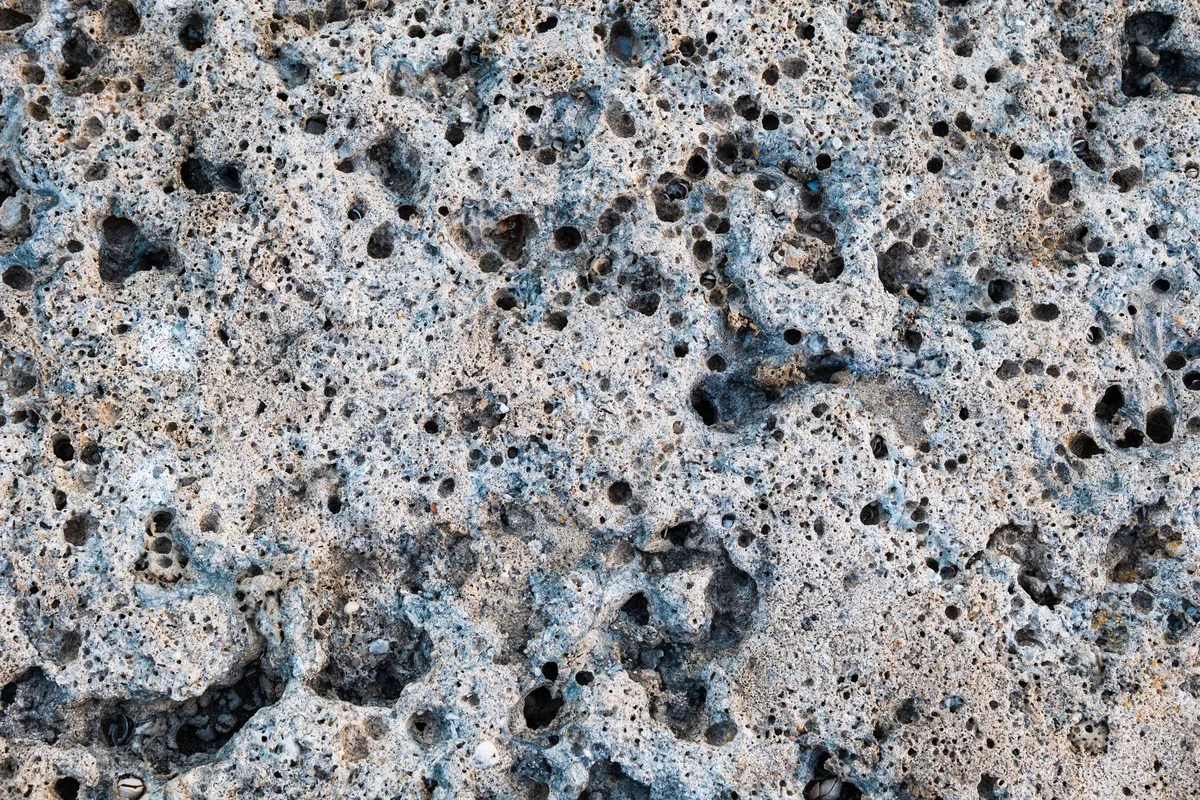
The effectiveness of adsorption depends on the specific contaminant and the type of activated carbon used. For instance, the carbon surface can create chemical reactions or simply physically trap molecules of chlorine and certain organic chemicals. This is very different from how other filter types, like those for sediment, work by physically blocking larger particles.
What's Actually Inside: Carbon Filter Features
Carbon water filters come in a few main forms, with slight variations in how they're constructed and how effectively they perform. The most common types you'll encounter are granular activated carbon (GAC) and carbon block filters.
- Granular Activated Carbon (GAC): This is essentially loose carbon granules packed into a cartridge. Water flows through these granules. GAC filters are good at their job, but they can sometimes allow water to pass through channels without full contact, potentially reducing their effectiveness.
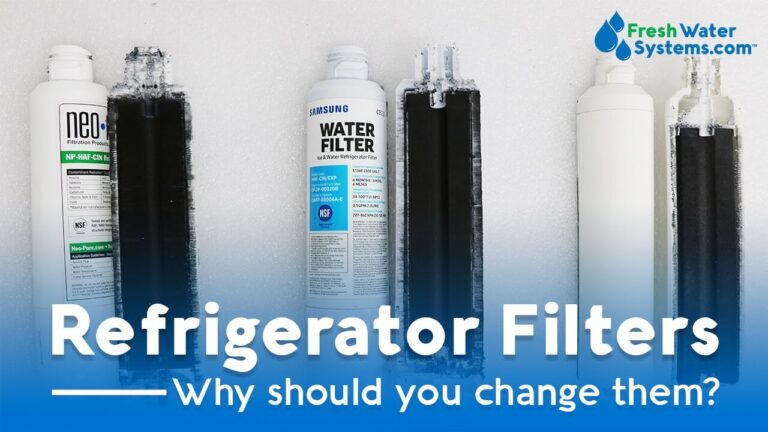
- Carbon Block: These filters are made from powdered activated carbon that's been compressed and formed into a solid block. This denser structure forces water to flow through the entire block, ensuring more thorough contact with the carbon media. Carbon block filters generally offer more consistent filtration and remove finer particles than GAC.
Manufacturer specifications for a standard carbon block filter, for example, will often detail its pore size, with many falling in the range of 0.5 to 5 microns, impacting what it can physically sieve out.
The Good Stuff: Benefits of Using Carbon Filters
The primary reason people opt for carbon water filters is the immediate improvement in the quality of their drinking water. The most noticeable benefit is a significant reduction in chlorine's taste and odor. This makes water much more palatable for drinking, cooking, and making beverages like tea and coffee.
Beyond chlorine, carbon filters are effective at tackling a range of volatile organic compounds (VOCs). These can include things like pesticides, herbicides, and industrial solvents that might be present in your water supply. By adsorbing these compounds, the filter helps ensure your water is cleaner from a chemical standpoint.
What They Don't Remove: The Limits of Carbon
It's crucial to understand the limitations. While carbon filters are great for taste and odor, they generally do not remove minerals like calcium, magnesium, or potassium. If you have hard water, a carbon filter won't soften it or remove those dissolved mineral salts.
Furthermore, carbon filters are not effective barriers against microscopic contaminants. Bacteria, viruses, and protozoan cysts like Giardia are too small to be effectively adsorbed by activated carbon. If microbial contamination is a concern in your water supply, you'll need a different type of filtration, such as a specialized filter with much finer pore sizes or a purification method like UV treatment. They also typically do not remove dissolved solids (TDS) from water.
Carbon Filters vs. Other Options: Making the Right Choice
Since carbon filters can't do everything, it's helpful to see how they stack up against other common water treatment methods. This isn't about finding the "best" filter overall, but understanding which one fits your specific water quality needs. If your primary goal is simply to make your tap water taste better, a carbon filter is often sufficient. However, if you're dealing with a broader range of contaminants, you might need a system that combines technologies.
Carbon vs. Reverse Osmosis
Reverse osmosis (RO) systems are a much more comprehensive filtration method. Unlike carbon filters that adsorb, RO systems use a semi-permeable membrane to physically block a very wide range of contaminants. This includes dissolved solids, minerals, heavy metals like lead and arsenic, and even some bacteria and viruses.
If your water has high levels of total dissolved solids (TDS) or you're concerned about a wide array of potential contaminants, an RO system is generally a more robust choice. However, RO systems can be more expensive, slower, and they do remove beneficial minerals, often requiring a remineralization stage. They also typically use carbon filters as a pre-treatment step to protect the RO membrane.
Carbon vs. Ceramic and Other Media
Ceramic filters, for instance, work by having extremely fine pores that physically strain out sediment, bacteria, and cysts. They are very effective for removing sediment and microbes but don't do much for dissolved chemicals like chlorine or VOCs. Some ceramic filters have activated carbon incorporated into them, giving you a dual-action benefit.
Other media, like ion exchange resins, are designed specifically to target dissolved minerals (water softening) or specific ions like nitrates. These are specialized filters, and their function is very different from the adsorption process used by activated carbon. Choosing correctly means identifying the exact contaminants you need to remove.
Who Benefits Most from Carbon Filtration?
Carbon filtration is ideal for individuals and households whose main concern is improving the aesthetic qualities of their tap water. If your city water tastes or smells strongly of chlorine, or if you've noticed a general "off" flavor, a carbon filter is usually the most straightforward and cost-effective solution. It's a great way to enhance the everyday drinking experience without significant system complexity.
This type of filter is also well-suited for those looking for a basic level of protection against common VOCs that might be present in tap water. For example, if you’re simply aiming to reduce exposure to common disinfection byproducts or trace organic chemicals without needing to tackle dissolved solids or microbes, carbon filtration fits the bill. The typical lifespan of a household carbon filter, as confirmed by many manufacturers, is often between 6 to 12 months, depending on usage.
Common Mistakes When Using Carbon Filters
A frequent mistake people make is assuming a carbon filter can handle all water contaminants. If your water source has heavy metals, lead, fluoride, or microbiological threats, a standard carbon filter won't provide adequate protection. For instance, while some carbon filters can reduce lead, it's not their primary function, and their capacity can be quickly exhausted.
Another error is not replacing the filter on time. Activated carbon has a finite lifespan; once its adsorption sites are full, it can no longer trap contaminants. In fact, a saturated filter can potentially release trapped substances back into the water, or even encourage bacterial growth within the filter itself. Always adhere to the manufacturer's recommended replacement schedule, which is often based on a gallon capacity or a time limit (e.g., every six months).
Filter Lifespan: When to Replace Your Carbon Filter
Knowing when to replace your carbon filter is critical for ensuring it remains effective. Manufacturer specifications typically provide guidance based on either the total volume of water filtered or a set time period, whichever comes first. For instance, a common recommendation for a faucet filter might be around 100 to 200 gallons, or every 2 to 3 months.
If you notice the taste or odor returning, that's a clear sign the filter media is spent and needs replacing. This means the carbon's adsorption capacity is exhausted, and it can no longer trap the offending compounds. Ignoring this can lead to drinking water that’s no better, or even worse, than before filtration. Regular replacement ensures you're consistently getting the benefits of cleaner-tasting water.
Expert Insights for Carbon Filter Users
To get the most out of your carbon water filter, consider treating your water in stages if you have multiple concerns. For example, a sediment pre-filter before a carbon filter can extend the carbon filter's life by removing larger particles that would otherwise clog it. This is particularly relevant for well water or water with visible sediment.
Also, be aware that water chemistry can influence filter performance. Very cold water might adsorb more slowly than room-temperature water. For specific issues like lead or arsenic reduction, look for filters certified by bodies like NSF International to meet particular standards, such as NSF/ANSI Standard 53 for health effects.
Real Scenarios: When to Consider a Carbon Filter
Let's look at a few everyday situations where a carbon filter shines. Imagine you’ve just moved into a new place and the tap water has a noticeable chlorine smell, even though your local water utility assures you it’s safe to drink. A faucet-mounted carbon filter or a pitcher filter can quickly and affordably eliminate that chlorine, making your water enjoyable.
Another common scenario involves cooking. If you're making pasta, rice, or brewing coffee, the taste of the water directly impacts the final product. Using filtered water from a carbon filter can prevent that metallic or chemical aftertaste from transferring to your food and drinks. It's a simple upgrade for better culinary results.
FAQs About Carbon Water Filters
What contaminants are definitely removed by a carbon filter?
Carbon filters are most dependable for removing chlorine, certain VOCs such as pesticides and herbicides, and compounds that cause bad taste and odor. Their effectiveness against