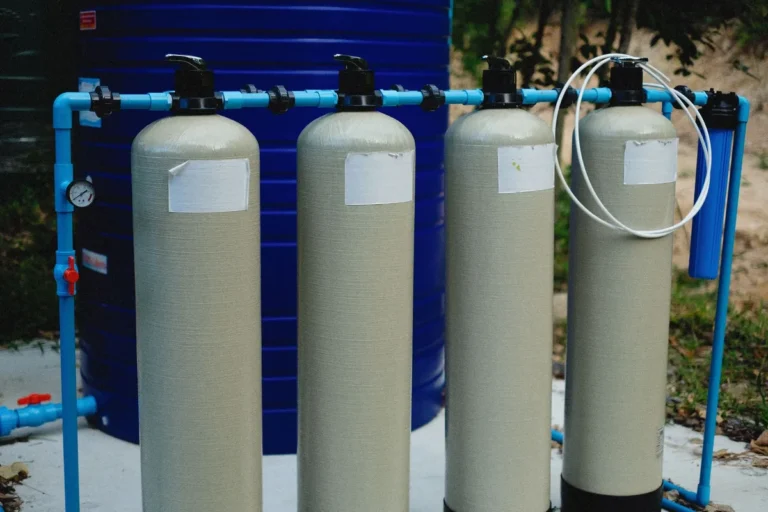
What Does a Carbon Filter Take Out of Water: Honest Reviews
When you ask what does a carbon filter take out of water, you're really asking about making your tap water cleaner, better tasting, and safer to drink. For many of us, that's the core concern, moving beyond what comes out of the tap to something we feel truly good about consuming. Activated carbon filters are a popular way to achieve this, but understanding exactly what they do, and more importantly, what they don't do, is crucial for managing expectations and ensuring your water quality goals are met.
Our research shows that activated carbon filtration is widely recognized for its ability to improve water aesthetic qualities and reduce certain chemical contaminants. For instance, NSF/ANSI Standard 42 confirms its effectiveness for chlorine reduction, a common factor affecting taste and odor. To properly assess your needs, it's vital to understand the science behind how these filters work and where their capabilities end.

Unpacking the "What": Core to Carbon Filtration
How Activated Carbon Works Its Magic
The "magic" behind activated carbon filters, whether they're granular activated carbon (GAC) or solid carbon blocks, lies in a process called adsorption. Think of activated carbon as a sponge, but on a molecular level. It's a highly porous material, typically made from charcoal derived from materials like coconut shells or coal, that has been treated at extremely high temperatures. This treatment creates millions of tiny pores and internal voids.
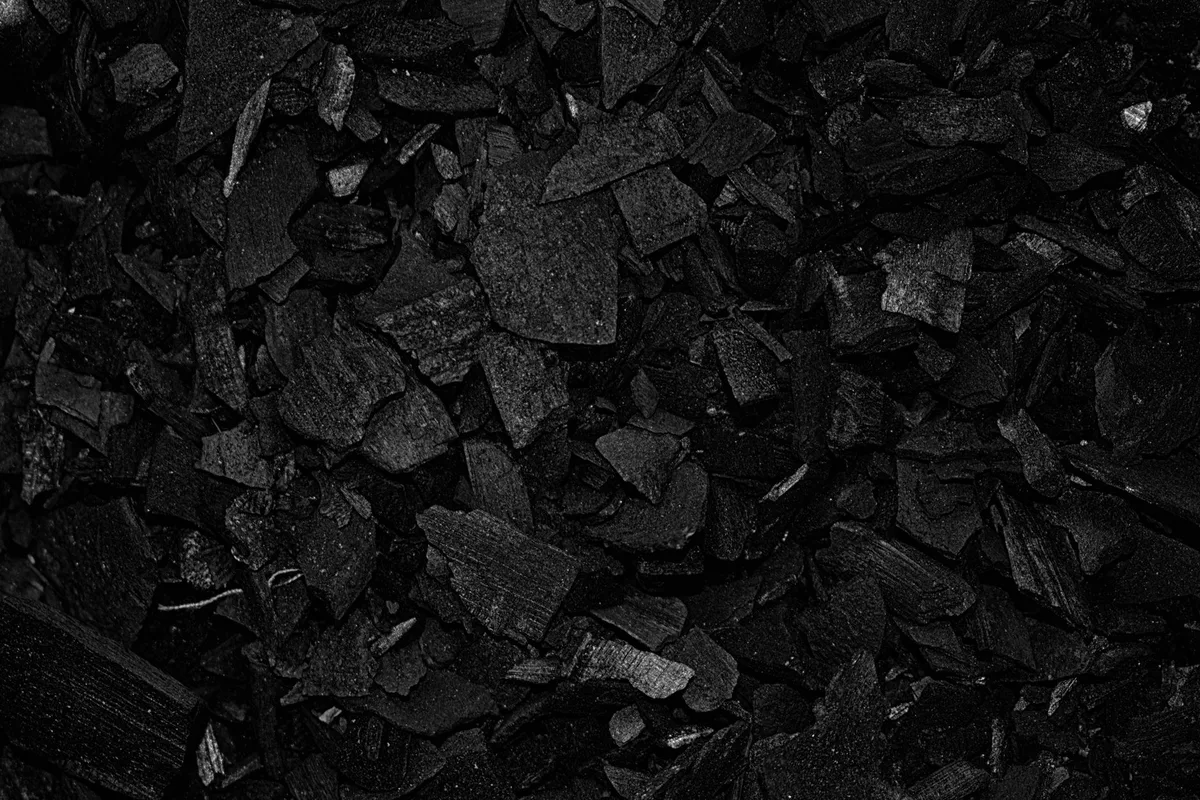
When water flows through an activated carbon filter, contaminants like chlorine, certain volatile organic compounds (VOCs), and other organic molecules get trapped in these pores. They stick to the carbon's surface rather than passing through with the water. This isn't a chemical reaction; it's a physical attraction. The vast surface area created by the carbon's porous structure is what makes it so effective at capturing these specific impurities.
What Contaminants Carbon Filters Actually Target
Activated carbon filters excel at removing a specific set of contaminants, primarily those that affect the taste, odor, and appearance of your water. The most common target is chlorine, widely used in municipal water systems for disinfection. Removing chlorine not only improves taste and smell but can also prevent it from reacting with organic matter to form potentially harmful disinfection byproducts (DBPs).
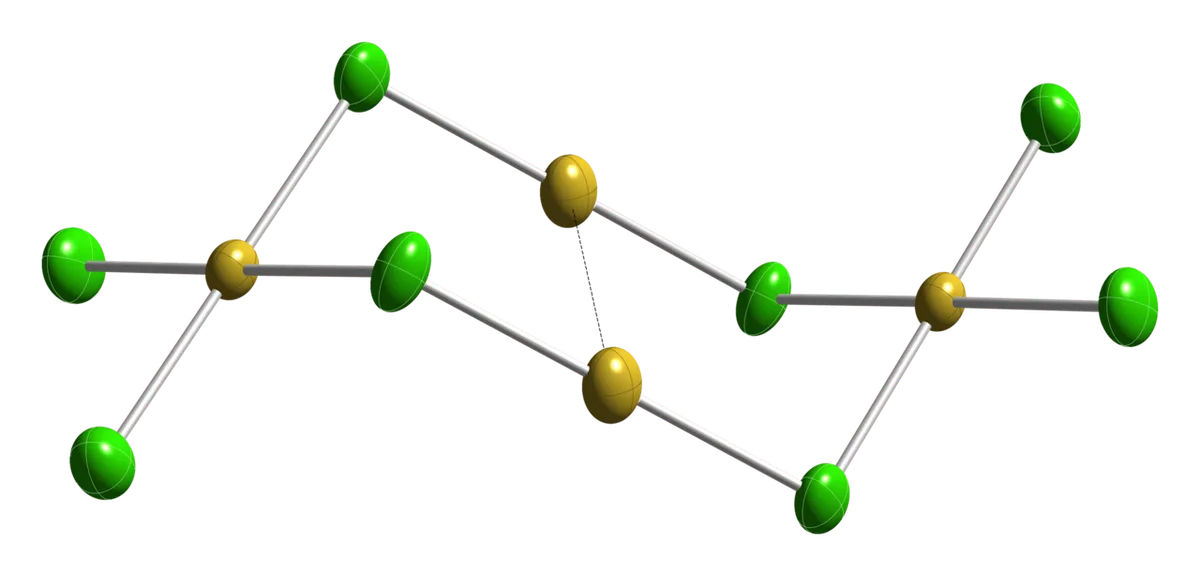
Beyond chlorine, carbon filters are highly effective at reducing many volatile organic compounds (VOCs). These are chemicals that can off-gas into the air and are often found in pesticides, solvents, and industrial chemicals. Examples include benzene, trihalomethanes (THMs), and various other organic chemicals that might leach into water supplies. They can also tackle some sediment particles, improving clarity.
What Carbon Filters Don't Remove (It's Important!)
It's just as critical to know what carbon filters don't remove, as this often leads to disappointment or a false sense of security. Activated carbon filtration is a physical adsorption process, not a sterilization or desalination method. This means it won't remove dissolved inorganic substances like minerals (calcium, magnesium, potassium), salts, or most heavy metals like lead, arsenic, or mercury, unless the carbon is specifically treated or impregnated to do so (which is less common for standard filters).
Furthermore, carbon filters generally do not remove viruses, bacteria, or cysts like Giardia and Cryptosporidium. While they might trap some larger sediment, they are not designed for fine particulate removal to the degree that specialized sediment or ceramic filters are. Relying solely on a carbon filter to make microbiologically unsafe water safe to drink can be dangerous. For comprehensive purification, other technologies are often needed in conjunction with carbon.
Key Benefits: Why People Choose Carbon Filters
The primary draw of activated carbon filters is the noticeable improvement in the sensory qualities of your water. Many people install them simply because they dislike the chemical taste or smell of chlorine in their tap water. Removing these compounds results in water that is much more palatable, encouraging better hydration. This improvement is often cited as the biggest win, making tap water more enjoyable than bottled alternatives.
Beyond taste and odor, the reduction of certain chemical contaminants, particularly VOCs and chlorine, offers a significant advantage. By lowering your exposure to these substances, you're taking a proactive step towards potentially reducing health risks associated with long-term ingestion. The relative simplicity and affordability of many carbon filter systems also make them an accessible entry point for improving home water quality for a wide range of households.
Better Taste, Odor, and Appearance
The most immediate and often most appreciated benefit of using a carbon filter is the dramatic improvement in the sensory experience of your drinking water. Tap water, especially if it's treated with higher levels of chlorine or contains naturally occurring organic matter, can have a chemical or "off" taste and smell. Carbon filters effectively adsorb these odor- and taste-causing compounds, particularly chlorine and its byproducts. This leads to water that's crisp, clean, and neutral, making it a pleasure to drink.
This simple change can significantly boost daily water intake for individuals and families alike.
Reducing Your Exposure to Common Chemicals
Beyond the taste and odor improvements, activated carbon filters play a key role in reducing your exposure to a range of chemicals that can be present in tap water. One of the most significant is chlorine, a disinfectant that, while essential for public health by killing harmful microorganisms, can contribute to unpleasant taste and odor. Many studies link long-term chlorine exposure to potential health concerns, so its reduction is a common goal for filter users.
Then there are the volatile organic compounds (VOCs). These are carbon-based chemicals that easily evaporate into the air, and can find their way into water sources from industrial discharge, agricultural runoff, or even household products. Common VOCs found in water include pesticides, herbicides, solvents like benzene and toluene, and byproducts of industrial processes. Activated carbon's vast surface area is particularly adept at trapping these organic molecules through adsorption, thereby lowering your intake.
Understanding the Limitations: Risks and What to Watch For
When Carbon Filters Aren't Enough: Other Contaminants of Concern
While carbon filters are champions at tackling chlorine and VOCs, it's critical to recognize their limitations. They aren't a cure-all for water quality issues. For example, they generally won't remove dissolved solids like salts, minerals (calcium, magnesium), or nitrates. If you're looking to soften hard water or reduce mineral buildup, a carbon filter alone won't do the job; you'd need a different technology like ion exchange.
Furthermore, the microbiological safety of your water is largely outside the scope of standard carbon filtration. Viruses, bacteria, and protozoa like Giardia and Cryptosporidium are typically too small or not attracted to carbon for effective removal. If your water source is microbiologically unsafe, such as untreated well water, relying solely on a carbon filter is risky. Always remember to test your water, especially if you suspect it might not be safe to drink.
Common Mistakes When Using Carbon Filters
One of the most frequent missteps is failing to replace the carbon filter cartridge on schedule. Over time, the carbon becomes saturated with contaminants and loses its adsorption capacity. What was once an effective filter can then become a stagnant breeding ground for bacteria that might have been trapped. Manufacturer specifications usually provide a recommended replacement interval, often based on gallons filtered or a time period (e.g., 6 months).
Another common error is not flushing the filter properly after installation. New carbon filters, especially those made from granular activated carbon, can release fine carbon particles into the water during the first few uses. This is called "fines" and can make your water appear cloudy or black. A thorough flush, as per the manufacturer's instructions, typically clears this up within a few minutes of running water through the filter.
Picking the Right Carbon Filter: Features to Consider
Understanding Different Carbon Filter Types
When you're looking at carbon filters, you'll mainly encounter two types: granular activated carbon (GAC) and carbon block filters. GAC filters use loose granules of activated carbon in a cartridge. They're effective and generally more affordable, but water can sometimes channel around the granules, creating pathways that contaminants might slip through.
Carbon block filters, on the other hand, are made by compressing activated carbon into a solid, porous block. This dense structure offers more consistent contact time between the water and the carbon, leading to more thorough filtration. Carbon blocks also tend to have a finer pore structure, which can provide some sediment filtration capabilities, though this varies by the specific filter. They are often considered more effective and longer-lasting than GAC for certain applications.
Lifespan and Replacement: Keeping Your Filter Effective
The lifespan of a carbon filter is a critical factor in its continued effectiveness and an area where many people falter. Filters are rated for a certain volume of water (e.g., 500 gallons, 1000 gallons) or a specific time frame (e.g., 6 months). Exceeding these limits means the carbon is saturated, and it can no longer adsorb contaminants effectively. In fact, a saturated filter can potentially release trapped contaminants back into the water, worsening its quality.
Regular replacement is not just about performance; it's also a matter of hygiene. As trapped organic matter sits in the filter, it can become a medium for bacterial growth. While standard carbon filters aren't designed to kill bacteria, preventing them from becoming a source of contamination is crucial. Always note the manufacturer's recommended replacement schedule for your specific filter model and adhere to it diligently.