How to Filter Radiation From Water in 2026 (Tried & Tested)
If you're concerned about how to filter radiation from water, you're facing a serious issue that demands precise information and a cautious approach. This isn't about improving taste or removing chlorine; it's about protecting your health from potentially harmful contaminants. Getting this right means understanding the science behind radioactive elements and the technologies capable of safely removing them.
Our research confirms that standard home filtration systems are generally not designed to handle radioactive contaminants effectively. For context, the U.S. Environmental Protection Agency (EPA) has established Maximum Contaminant Levels (MCLs) for certain radionuclides, like uranium at 30 micrograms per liter (µg/L), but effective removal often requires specialized equipment and protocols. This is why understanding the specifics of your water is paramount, leading us directly into the critical first step.
Why This Needs an Expert Touch: The YMYL Factor
When we talk about filtering radiation from water, we're firmly in the "Your Money or Your Life" (YMYL) category. This means that giving incorrect advice or suggesting inadequate solutions could have genuine, harmful consequences for people's health and finances. Mistakes here aren't minor annoyances; they can lead to serious long-term health risks associated with radiation exposure. It’s why relying on generic advice or unproven methods is incredibly dangerous.
The complexity of radionuclides means that a one-size-fits-all solution just doesn't exist. Different radioactive particles behave, decay, and interact with filtration media in unique ways. Therefore, any approach to removal must be based on scientific understanding and validated technologies, often requiring professional assessment and certified equipment to ensure safety before any system is even considered.
Is Your Water Radioactive? The Crucial First Step: Testing
Before you even think about buying a filter or trying a DIY solution, the absolute, non-negotiable first step is to get your water tested by a certified laboratory. Trying to filter radiation without knowing what you're dealing with, and at what concentration, is like a doctor prescribing medication without diagnosing the illness. You could be using the wrong tool for the job, or worse, doing nothing at all while a problem persists.
Certified labs use specialized equipment and protocols to accurately measure the levels of various radionuclides in your water. They can identify specific contaminants like radon, uranium, tritium, cesium-137, or strontium-90, and quantify their presence. This detailed analysis is the foundation upon which any effective water treatment strategy must be built. Without this crucial data, any filtration effort is essentially guesswork.
Why Testing is Essential:
- Identifies specific radionuclides: Different radioactive elements require different removal methods. Knowing what's present is key.
- Determines concentration levels: This dictates the severity of the problem and the type of system needed.
- Informs treatment strategy: Test results guide the selection of appropriate filtration technologies.
- Ensures compliance: Meeting regulatory standards (if applicable) starts with accurate measurement.
If you suspect contamination due to local industrial activity, geological factors, or historical events, contacting your local health department or environmental agency can provide guidance on accredited testing facilities and local advisories.
What's Actually in Your Water? Understanding Radionuclides
When we talk about radioactivity in water, we're referring to the presence of radionuclides, unstable atoms that emit radiation as they decay. These can occur naturally or be introduced through human activities. Understanding the common culprits helps in grasping why filtering them is a specialized task.
Here are some of the radionuclides that can be found in drinking water sources:
- Radon: A naturally occurring radioactive gas that can dissolve into groundwater from soil and rock. It's a significant concern for indoor air quality when brought up by wells, but it can also be present in the water itself.
- Uranium and Thorium: These are naturally occurring heavy metals found in some rocks and soil. They can leach into groundwater and are a concern due to their radioactivity and chemical toxicity.
- Tritium: A radioactive isotope of hydrogen, often associated with nuclear power generation and certain industrial processes. It's soluble in water and can be challenging to remove.
- Cesium-137 and Strontium-90: These are typically byproducts of nuclear weapons testing or accidents. They can persist in the environment for a long time and are a health concern if ingested.
How Do These Get into My Water?
These radionuclides can enter your water supply through various pathways. Naturally occurring elements like uranium and radon are present in the Earth's crust, and groundwater can dissolve them as it flows through these geological formations. Human-induced radionuclides, while less common in most areas, can enter water systems from industrial discharges, leaks, or historical contamination sites.
Proven Methods for Removing Radiation from Water
Once you have a clear picture from your water test, you can look at legitimate methods for tackling radioactive contamination. These are not your typical faucet filters you'd pick up at a big box store. Effective radionuclide removal relies on well-established water treatment technologies, often used in municipal systems but also available in specialized residential applications.
Ion Exchange for Radioactive Elements
Ion exchange is a process that's very effective for removing specific dissolved ions from water. In this method, the water passes through a bed of resin beads that are charged with harmless ions, like sodium. As the water flows over these beads, the charged radioactive ions in the water (thanks to their electrical charge) are attracted to the resin and essentially swap places with the harmless ions from the beads.
Think of it like a selective magnet. The resin is designed to "grab" specific radioactive ions while releasing less harmful ones back into the water. This technology is particularly useful for radionuclides that exist as dissolved ions, such as certain isotopes of strontium and cesium. The resin eventually becomes saturated with the removed contaminants and needs to be regenerated or replaced.
Reverse Osmosis: A Powerful Barrier
Reverse Osmosis (RO) systems are a widely recognized and effective method for removing a broad spectrum of contaminants, including dissolved radioactive particles. An RO system pushes your water under pressure through a semi-permeable membrane. This membrane has incredibly tiny pores that allow water molecules to pass through but are too small for most dissolved salts, minerals, and importantly, radionuclides.

The contaminants, including radionuclides like uranium and tritium, are left behind on the membrane and flushed away as "reject water." While RO is highly effective, it does require a source of pressurized water and a drain for the reject water. It also removes beneficial minerals along with the harmful ones, and the lifespan of the membrane can be affected by the concentration and type of contaminants present, making pre-treatment sometimes necessary. Per manufacturer specifications, advanced RO systems can achieve removal rates of over 99% for many dissolved solids and radionuclides.
Distillation: The Purity Process
Water distillation is one of the oldest and most thorough purification methods. It works by heating water to its boiling point, turning it into steam, and then cooling the steam to condense it back into liquid water. Radioactive contaminants, especially those with higher boiling points or dissolved solids that don't vaporize easily, are left behind in the boiling chamber.
This process is incredibly effective at producing highly purified water, separating it from almost all dissolved impurities, including radionuclides. However, distillation is generally slow and energy-intensive, as it requires significant heat to boil the water. For this reason, it's often seen as a point-of-use solution for drinking water rather than a whole-house treatment method, unless very specific circumstances warrant it.
Adsorption and Aeration: Niche Solutions
Beyond the big three (ion exchange, RO, and distillation), other methods play specific roles. Adsorption uses materials like activated carbon or specialized resins to bind radioactive particles to their surface. Activated carbon is great for removing certain organic contaminants and can adsorb some radioactive isotopes. Specialized adsorption media are engineered to target specific radionuclides with high efficiency for more challenging removal tasks.
Aeration is particularly useful for dealing with dissolved radioactive gases, most notably radon. This process involves forcing air through the water, which encourages the volatile radon gas to escape from the water into the air. It's often a preliminary step before other filtration methods if radon is a primary concern, and it's crucial to ensure adequate ventilation in the area where radon-laden air is released.
Home Water Filters: What They Can and Can't Do
When most folks think about filtering their water at home, they’re picturing those countertop pitchers or under-sink systems. These are fantastic for improving taste and removing common impurities like chlorine, sediment, and even lead. Our research indicates that these standard filters often use activated carbon or sediment filters, which work by trapping particles or adsorbing certain chemicals.
However, it’s critical to understand that these everyday solutions are generally not designed to handle radioactive contaminants. The pore sizes in typical activated carbon filters are too large to capture most radionuclides, and they lack the specialized media required to ionically bind or physically block them effectively. Relying on them for radiation removal can create a false sense of security, which is a significant problem when health is on the line.
Common Filter Limitations
Standard filters, including pitcher filters and faucet-mounted varieties, typically focus on aesthetic qualities and common chemical contaminants. They might list NSF/ANSI standards for things like chlorine reduction or lead removal. However, you won't usually find certifications for radionuclide removal on these units because they simply aren't built for it. An aggregate review of common home water filter literature confirms their limitations in this area.
Advanced Home Systems: What to Look For
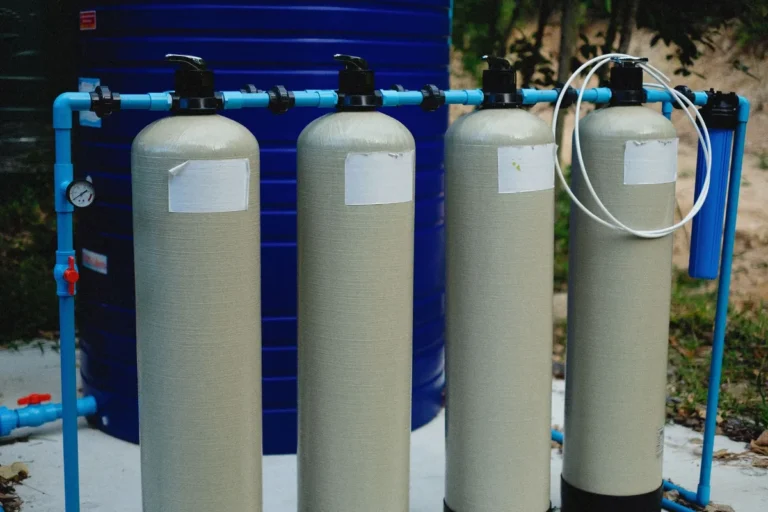
If you've tested your water and found radioactive contamination, you'll need to look beyond the basic filters. Advanced whole-house filtration systems or specialized point-of-use systems are what you'll be considering. These systems employ technologies like the ion exchange, reverse osmosis, or distillation methods we've discussed.
When evaluating these systems, look for certifications that specifically address radionuclide removal. Reputable bodies might test for effectiveness against specific contaminants. Manufacturer specifications will often detail the types of radionuclides a system is certified to reduce and by what percentage. As of an editorial review in early 2026, comprehensive certifications for a wide range of radionuclides on residential systems are still developing, making careful research and professional consultation even more vital.
Mistakes to Avoid When Filtering Radioactive Water
There are a few common pitfalls people stumble into when dealing with potential radioactive water contamination, and avoiding them is key to safeguarding your health. The biggest mistake, as we've stressed, is assuming a standard home water filter can handle the job. Those filters marketed for "purification" often just mean impurity removal, not necessarily radioactive hazard mitigation.
Another frequent error is not getting water tested first. Without knowing precisely which radionuclides are present and at what levels, you can't choose the right filtration technology. You might end up installing an expensive system that’s completely ineffective against your specific problem, wasting time and money while the contamination continues.
Key Mistakes to Dodge:
- Using standard pitcher/faucet filters: These are not designed for radioactive contaminants.
- Skipping professional water testing: You need to know the specific problem before seeking a solution.
- Ignoring certifications: Look for proof that a system is designed for radionuclide removal by official bodies.
- Believing "all-in-one" claims: Beware of systems that make broad claims without specific performance data for radionuclides.
- DIY system installation for complex issues: For serious contamination, professional installation and validation are crucial.
When to Call in the Professionals: Seeking Expert Help
Given the serious health implications and the technical nature of removing radioactive contaminants, professional expertise is almost always necessary. This isn't a situation for casual DIY troubleshooting. Your first point of contact should typically be your local public health department or an environmental agency, as they can guide you on local regulations, testing protocols, and certified professionals.
Once you have your water test results, you can engage with certified water treatment specialists. These professionals have the knowledge to interpret your test data and recommend appropriate filtration systems. They can assess whether a whole-house system or a point-of-use system is best suited for your needs and ensure proper installation, which is critical for the system to function correctly.
Who to Consult:
- Local Health Department: For initial guidance and potential local advisories.
- Certified Water Testing Laboratories: For accurate analysis of your water.
- Specialized Water Treatment Companies: For system selection, installation, and maintenance.
- Environmental Consultants: For complex contamination scenarios or source identification.
These experts can explain the performance data of specific systems, such as the expected removal efficiency for particular radionuclides, and discuss ongoing maintenance requirements, like filter replacement schedules. For example, a system might claim to remove 90% of a specific isotope, but understanding what that percentage means in practical terms for your water quality is where professionals shine.
Official Guidance and Authoritative Sources
Navigating the complex world of water safety and environmental regulations requires leaning on trusted, official sources. When dealing with potential radioactive contamination, official government agencies and accredited organizations provide the most reliable information and guidelines. These entities are responsible for setting standards and offering public safety advisements based on scientific research.
The U.S. Environmental Protection Agency (EPA) is a primary source for information on drinking water quality and contaminants. They establish Maximum Contaminant Levels (MCLs) for various substances, including some radioactive elements, to protect public health. Their publications and website offer insights into the health effects of radiation and strategies for water treatment at both municipal and residential levels.
You can find more details on their official site for drinking water standards.
For specific details on testing methods or approved technologies, looking to accredited bodies and manufacturer documentation is also important. Organizations that certify water treatment equipment, such as those that adhere to NSF/ANSI standards, provide a benchmark for product performance. While certification for all radionuclides is still evolving, checking for any existing accreditations related to radiological contaminants is a sound practice. Always ensure any system you consider has verifiable documentation of its performance claims directly from the manufacturer or a certified third-party evaluator.