How to Dispose of Refrigerator Water Filter: Honest Reviews
Your fridge water filter needs replacing, and you're probably wondering how to dispose of refrigerator water filter responsibly. It's a question many homeowners face, and while tossing it in the trash might seem easiest, there are often better, more eco-friendly options. Understanding the materials inside your filter and what your local services can handle is key.
In our research, we found that most refrigerator water filters are composed of a mix of plastics and activated carbon. Manufacturer specifications often detail the materials used, but disposal guidelines can vary significantly by region and manufacturer policy. As of 2026, several brands are actively promoting recycling or take-back programs, but these aren't always universal.
Understanding Your Filter: What's Inside Matters
Figuring out what your refrigerator water filter is made of is the first big step in deciding how to get rid of it. Knowing the materials helps determine if it can be recycled, composted, or if it really needs to go into the general waste bin. Primarily, these filters are designed to trap impurities from your water, meaning they're full of specialized substances.
What’s Actually In That Filter?
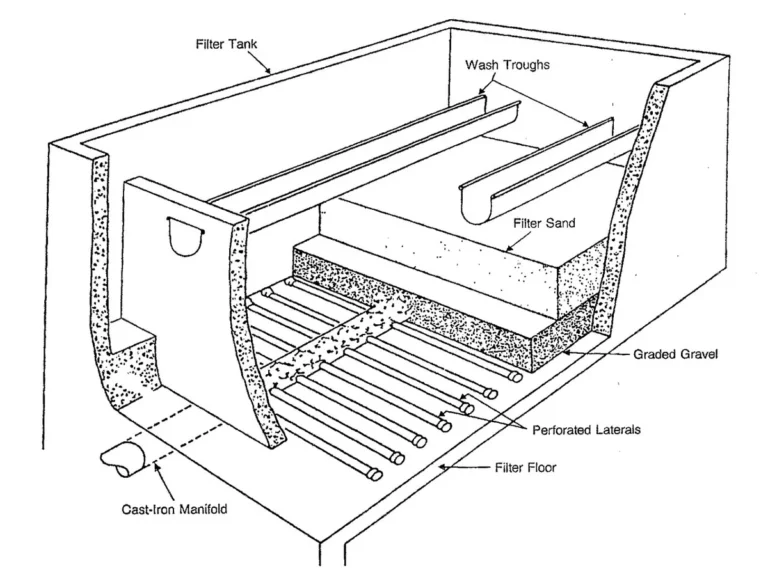
Most refrigerator water filters share a common construction: an outer casing made from plastic and an inner core packed with activated carbon. Activated carbon, often derived from materials like coconut shells, is excellent at absorbing chlorine, odors, and other taste-altering compounds. However, the plastic housing and any additional filtration layers, such as ion exchange resins used in some models, can make them tricky to process through standard recycling streams.

A typical activated carbon filter works by adsorption, where impurities in the water stick to the vast porous surface area of the carbon granules. This process makes the water cleaner, but it means the filter itself becomes saturated with the very contaminants it was designed to remove.
How to Dispose of Your Refrigerator Water Filter: A Step-by-Step Guide
Disposing of your refrigerator water filter isn't always straightforward, but following a few key steps can help you make the most environmentally sound choice. The process generally involves checking with the filter's manufacturer and then looking into your local waste and recycling services. It’s about finding the best path for your specific filter and location.
Step 1: Your Filter's Manufacturer Knows Best
The most direct route to responsible disposal often starts with the company that made your filter. Manufacturers are increasingly aware of the waste generated by their products and are implementing programs to help consumers manage used filters.
Checking for Manufacturer Take-Back Programs
Always start by visiting the official website of your refrigerator water filter's brand. Look for sections like "Support," "FAQ," "Sustainability," or "Recycling." You might find clear instructions on how to return used filters, often through a mail-back program. Some programs provide prepaid shipping labels, making it convenient and cost-effective to send the filter back for proper processing. This is frequently the most effective way to ensure the filter's components, especially the activated carbon and plastics, are recycled or handled appropriately.

If a take-back program is available, it's usually a straightforward process: you receive a label, package the old filter, and drop it off with a shipping carrier. This bypasses local recycling limitations and ensures the filter is managed by dedicated recycling facilities.
Step 2: Decoding Your Local Recycling Rules
If a manufacturer takes back your filter, that's fantastic. But what if they don't, or if you prefer to recycle locally? This is where understanding your municipal waste management system becomes crucial.
Is Your Town Set Up for Filter Recycling?
Unfortunately, most curbside recycling programs are not equipped to handle refrigerator water filters. The filters are often made of a mix of materials, like plastics and granular activated carbon, which can contaminate standard recycling efforts. These mixed materials can prevent the entire batch from being processed, ultimately leading to more waste.
You'll need to check your local government's waste management website. Search for terms like "hard-to-recycle items," "special waste disposal," or "appliance filter recycling." Some communities might have designated drop-off locations for specific types of waste or partner with specialized recycling facilities. If your filter is accepted, they will provide clear instructions on how to prepare it and where to take it.
Step 3: Can It Be Composted? (Probably Not, But Worth a Look)
Composting is an excellent way to divert organic waste from landfills, but it's a very niche option for refrigerator water filters. This possibility only exists if your filter is made entirely from natural, biodegradable materials, which is quite rare for most mainstream filter cartridges.
To be compostable, a filter would typically need to be free of any plastics, glues, or synthetic binding agents. The activated carbon itself, if derived from sources like coconut shells, is organic. However, the plastic housing and seals are not compostable. If you suspect your filter might be suitable, you would usually need to disassemble it, compost only the organic carbon component, and dispose of the plastic parts separately according to local guidelines.
For the vast majority of common refrigerator filters, composting is not a viable disposal method.
Step 4: When the Trash Can is Your Only Option
After exhausting the possibilities of manufacturer take-back programs and local recycling or composting initiatives, you might find that the general waste bin is the only designated place for your used refrigerator water filter. This is not ideal from an environmental perspective, but sometimes it's the only practical and safe disposal route available.
Many disposable water filters are designed for single use and eventual discard, and their complex material composition means they often end up in landfills if specialized recycling isn't accessible. It's important to ensure that any remaining water is drained from the filter before placing it in the trash to avoid any mess.
The Last Resort: Proper Disposal in the Bin
When landfill disposal is your only recourse, ensure the filter is contained and doesn't pose a hazard. If the filter has any loose components or if you're concerned about the carbon granules escaping, you can place the entire filter inside a plastic bag before putting it into your regular garbage bin. This simple step can help keep your waste bin cleaner and prevent small particles from scattering.
Step 5: Common Mistakes When Disposing of Fridge Filters
Even with good intentions, people often make a few common mistakes when trying to dispose of their refrigerator water filters. These errors can lead to plumbing issues, inefficient recycling, or simply more waste. Knowing what not to do is just as important as knowing what to do.
What NOT to Do With Your Old Filter
The most critical mistake to avoid is attempting to flush the used water filter down your toilet or drain it in a sink. These filters, especially once saturated with sediment and particle matter, can expand or shed their contents, potentially leading to severe clogs in your plumbing system. This can result in costly repairs and significant inconvenience. Similarly, never try to break open a filter and dispose of its contents, like activated carbon, directly into your garden or local waterways; foreign materials can disrupt natural ecosystems.
Always stick to designated disposal channels, whether that's a manufacturer program, a specific recycling drop-off, or ultimately, your household trash.
Who Can Help Guide Your Filter Disposal?
When you're unsure about the best way to dispose of your refrigerator water filter, seeking guidance from authoritative sources can make all the difference. These organizations often provide clear, reliable information backed by research and standards, ensuring you're making the most informed and responsible choice for both your household and the environment.
Relying on Official Sources
Manufacturer websites are your first and often best port of call. For instance, major brands like GE Appliances or Whirlpool often have dedicated sections on their sites outlining specific recycling or disposal recommendations for their filtration systems. Beyond manufacturers, your local municipal waste management department is an essential resource. Their official websites typically detail accepted materials for curbside pickup, special drop-off events, and guidelines for hazardous or hard-to-recycle items.
These government bodies are responsible for setting local waste policies and providing accurate information to residents.
Making the Best Choice for Your Filter and the Planet
Choosing how to dispose of your refrigerator water filter boils down to a hierarchy of options, prioritizing environmental responsibility. The most ideal scenario involves participating in a manufacturer's take-back program or adhering to local recycling initiatives properly designed for these products. These methods keep materials from the landfill and support a circular economy.
The Ideal Paths: Recycling and Manufacturer Programs
If your filter manufacturer offers a mail-back program, that's generally the most straightforward and eco-friendly route. These programs are specifically designed to handle the materials in their filters. Similarly, if your local municipality has identified a way to recycle these specific types of filters through a dedicated collection or facility, that's also an excellent option. These pathways ensure the plastic and filtration media are processed correctly, rather than ending up as landfill waste or, worse, contaminating other recycling streams.
When Landfill is the Unavoidable Reality
For many households, especially those with older refrigerators or in areas lacking specialized recycling programs, the general waste bin becomes the only realistic destination for a used water filter. While not the most sustainable option, it’s crucial to understand that this is a common outcome when dedicated recycling infrastructure isn't available. The focus then shifts to ensuring minimal environmental impact within this constraint, such as draining the filter completely before disposal.
Weighing Your Options: A Quick Decision Guide
- Manufacturer Take-Back: Always check first. Often the best for specialized materials.
- Local Recycling: Research your municipality's website. May require a special drop-off.
- Composting: Only if the filter is 100% natural, which is rare.
- General Waste: The fallback when other options aren't viable.
Making an informed choice helps reduce waste and supports more sustainable practices. Your efforts can contribute to a healthier planet, one filter at a time.