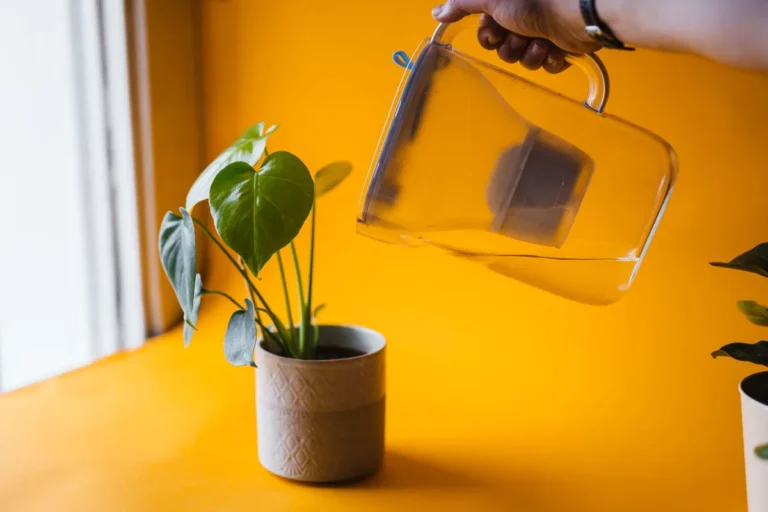
How Often Should You Change Your Brita Water Filter in 2026
When it comes to getting that clean, crisp water from your Brita pitcher or faucet filter, you might be wondering just how often you should be swapping out the actual filter cartridge. That question of "how often should you change your brita water filter" pops up for a lot of us, and the straightforward number often given isn't always the full story. It’s a bit like asking how often you should service your car, there’s a general guideline, but your actual driving habits matter.
Manufacturer specifications typically indicate that most Brita pitcher filters should be replaced every two months, or after filtering about 40 gallons of water. However, your personal usage and your home's water quality can really shift that timeline. Understanding these factors is key to ensuring you're always getting the best performance and taste from your Brita system.
The Quick Take: When Two Months Isn't Always Two Months
So, what's the simplest answer to how often you should change your Brita water filter? For most households, sticking to the manufacturer's recommendation of replacing the filter every two months, or approximately every 40 gallons, is a solid, reliable plan. This timeframe ensures that the filter media has enough capacity to effectively reduce common contaminants and maintain good water taste. It's a widely accepted benchmark across the industry for basic pitcher filtration, offering a good balance between performance and filter longevity.
This consistent replacement schedule helps prevent the filter from becoming saturated with contaminants, which could lead to a decrease in filtration efficiency or even the release of trapped substances back into the water. Keeping a track of when you last changed your filter is the simplest way to ensure you're always drinking optimally filtered water.
Why Your Brita Filter Life Isn't One-Size-Fits-All
While the two-month mark is a great starting point, your actual filter life can vary quite a bit. Think of your Brita filter as a tiny, hardworking purification plant. The conditions it operates under directly impact how long it stays effective before needing a refresh. Several real-world factors come into play, making a personalized approach more useful than a rigid rule.
How Much Water Are You Actually Using?
This is arguably the biggest factor. If you're the only one in your household and you mostly use filtered water for a couple of glasses a day and your morning coffee, your filter will last longer than someone in a larger family. If multiple people are filling pitchers throughout the day, using filtered water for cooking rice, pasta, or even making large batches of iced tea, that filter is working overtime. Manufacturer data suggests that over-filtering past the 40-gallon limit can compromise the filter's ability to trap contaminants effectively.
What's in Your Tap Water?
The quality and composition of your municipal water supply or well water significantly influence filter lifespan. Water that is particularly "hard" (high in dissolved minerals like calcium and magnesium) or that has a higher concentration of sediment, chlorine, or other common impurities will tax the filter more intensely. The filter media has to work harder and capture more. If your local water report shows higher levels of these substances, you might find yourself needing to replace your Brita filter more frequently than the standard two-month guideline suggests.
Signs Your Filter Is Past Its Prime
Sometimes, the best indicator that your Brita filter needs changing isn't the calendar, but your own senses. Filters don't just stop working instantly; their performance degrades gradually. Recognizing these subtle (and sometimes not-so-subtle) changes can help you avoid drinking less-than-optimally filtered water. Paying attention to these signs means you're getting the most out of your filter while ensuring the water quality you expect.
When Taste Gives It Away
The most common and noticeable sign that your Brita filter is nearing the end of its life is a change in the taste of your water. If that crisp, clean, refreshing flavor you've come to expect starts to fade, and you begin to notice hints of your tap water's original taste, it's a pretty clear signal. This usually means the filter's activated carbon, which is responsible for reducing chlorine taste and odor, is becoming saturated and can no longer adsorb these compounds effectively.
Noticing Cloudiness Again
Another tell-tale sign is if you start seeing cloudiness or even very fine sediment returning to your water. While Brita filters are designed to reduce particulates, a filter that has reached its capacity or is damaged can lose its ability to trap these particles. If you pour a glass of water and notice it’s not as crystal clear as it used to be, or if you see tiny floating bits, it's time to consider replacing that filter right away. This indicates the filter media is no longer effectively performing its job.
Simple Ways to Track Your Filter's Life
To avoid guesswork and ensure you're replacing your Brita filter at the optimal time, using a simple tracking method is highly recommended. Keeping a record helps you stay consistent with the manufacturer's guidelines (around two months or 40 gallons) and aligns with best practices for water filtration system maintenance. This proactive approach guarantees better water quality.
The Old-School Calendar Method
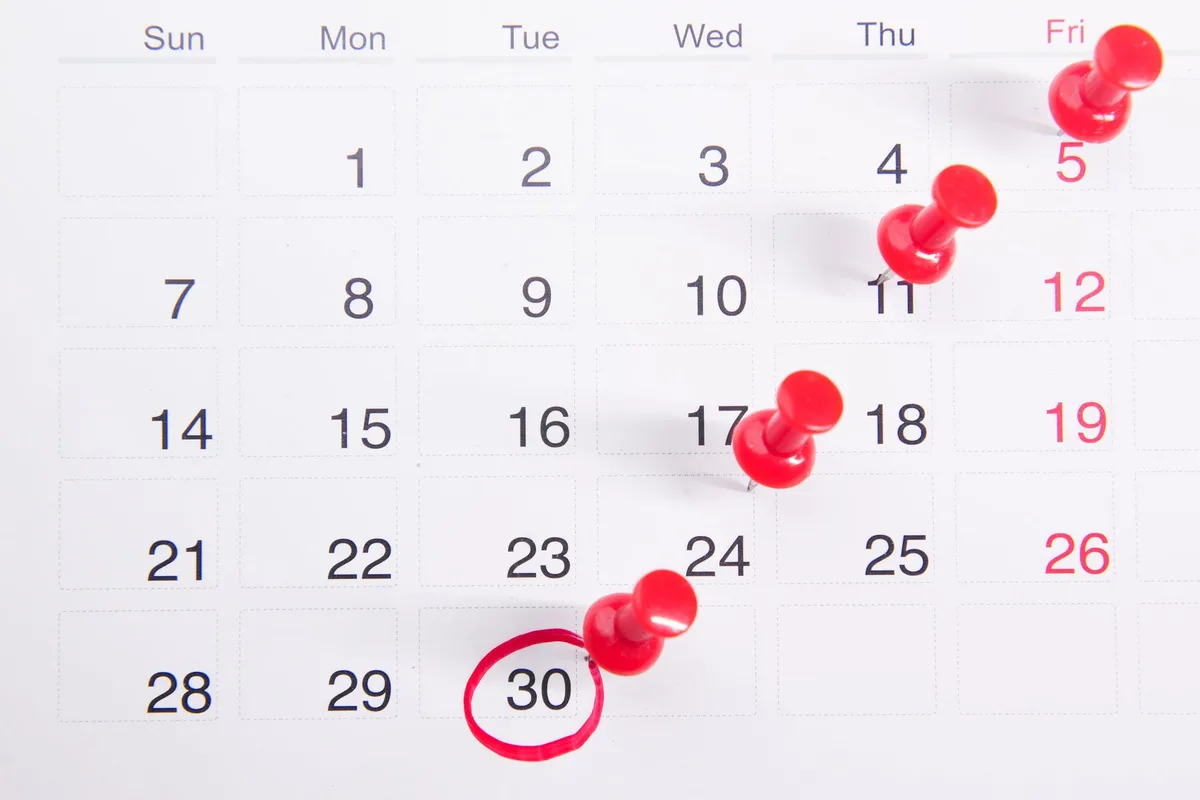
The most straightforward way to keep track is to simply mark your calendar. When you install a new Brita filter, make a note on your calendar, either a digital one or a physical wall calendar, for two months from that date. Many people find setting a recurring reminder on their phone or computer is also very effective. This method requires minimal effort but is highly impactful for maintaining a regular replacement schedule.
Marking the Filter Itself
For a more direct approach, many users write the installation date directly onto the new filter cartridge with a permanent marker before they insert it into their pitcher. This way, the filter itself serves as a visual reminder of its age. When you next go to replace it, you can easily see how long it's been in use, making it simple to decide if it's time for a swap based on the two-month guideline.
When in Doubt, Stick to the Basics
If you're really unsure about your water usage or the exact conditions in your home, the safest bet is to err on the side of caution and stick to the manufacturer’s stated replacement interval. For most standard Brita pitcher filters, this means replacing the filter approximately every two months, or after filtering about 40 gallons of water. This adheres to the guidance provided by Brita, ensuring you consistently enjoy the benefits of filtered water without over-taxing the system's capabilities.
This basic approach ensures you're always operating within the designed parameters of the filter. It simplifies the process and provides a reliable benchmark. Manufacturers invest significant resources into determining these recommended lifespans based on average usage and contaminant levels, making them a trustworthy baseline.
Adhering to this basic schedule helps prevent potential issues like reduced water flow, diminished taste improvement, or the filter becoming oversaturated. It’s a low-effort strategy that yields consistent results for your daily water consumption needs.
Common Mistakes to Avoid with Your Brita Filter
When it comes to maintaining your Brita filter system, a few common missteps can actually shorten your filter's life or reduce its effectiveness. One big one is simply forgetting to replace the filter on schedule. This isn't just about taste; an exhausted filter can stop trapping contaminants like lead or mercury, which Brita filters are certified to reduce, according to NSF/ANSI standards 42 and 53. Relying on an old filter can mean you're drinking water that isn't as clean as you think it is.
Another mistake is improper handling. For example, some filters require rinsing before first use to remove loose carbon dust; skipping this can lead to a temporarily cloudy pitcher. Also, never use harsh cleaning chemicals on the pitcher or the filter itself, as these can damage the plastic or contaminate the filter media. Finally, some users try to "clean" or prolong the life of a used filter, which is generally not recommended as the internal media can break down and become ineffective.
Who Benefits Most from a Brita Filter?
Brita filters are particularly beneficial for individuals and families living in areas with municipal water supplies that may have noticeable chlorine tastes or odors. If your tap water has a metallic tang or a "chemically" smell, a Brita filter can significantly improve its palatability and make it more enjoyable to drink. This makes it a great option for those who find themselves buying bottled water frequently, looking for a more cost-effective and environmentally friendly solution.
People with higher daily water consumption also stand to gain a lot. For instance, a family of four that uses filtered water for drinking, cooking, and making coffee or tea will go through water much faster than a single person. In these high-usage scenarios, ensuring the filter is changed promptly is crucial to maintaining water quality and flow rate. It’s also a good choice for anyone simply prioritizing better-tasting water for their daily hydration needs.
What Happens When You Don't Change Your Brita Filter?
If you consistently ignore the recommendations and continue using an old Brita filter, several things can happen. First and foremost, the quality of your water will degrade. The filter's capacity to trap chlorine, heavy metals like lead, and other impurities will diminish significantly. You'll likely start to notice that familiar chlorine taste and smell creeping back into your water, diminishing the primary benefit of using the filter in the first place.
Beyond taste, an overused filter can actually become a source of contamination. As the filter media becomes saturated, it can reach its adsorption capacity for certain contaminants. This means it might stop removing them and, in some cases, could potentially release trapped substances back into the filtered water. This is why adhering to the stated gallon limits and replacement times is so important for maintaining the integrity of the filtration process.
Comparing Brita's Filter Types
Brita offers a variety of filter types, each designed with slightly different performance characteristics and intended lifespans. The most common is the Standard Filter, which is designed for a two-month or 40-gallon lifespan, primarily reducing chlorine taste and odor. Then there's the Longlast+ Filter, engineered to last longer, typically up to six months or 120 gallons. This filter uses a different filtration technology to handle substances like lead and mercury more effectively over an extended period.
Another variant often found is the Ultramax Filter, which might be slightly larger and designed for specific Brita pitcher models. While performance specifics can vary by model, the core idea remains: different filters offer different durations and levels of contaminant reduction. Always check the packaging for the specific filter you're using, as its recommended replacement schedule and contaminant reduction claims will be clearly outlined there. As of 2026, Brita continues to innovate in filter technology, so always check the latest product information.
When is It Too Late to Rely on Your Filter?
There comes a point where a Brita filter has simply done all it can, and continuing to use it becomes counterproductive. If your filter is well past its recommended replacement date, or if you've noticed significant degradation in taste and clarity, it's likely too late to rely on it for effective filtration. At this stage, the filter's media is saturated, meaning it can no longer capture new contaminants.
This is why adhering to the stated gallon limits and replacement times is so important for maintaining the integrity of the filtration process. For instance, while a standard filter lasts about 40 gallons, the Longlast+ is rated for up to 120 gallons. Using an old filter essentially nullifies those performance claims, leaving your water potentially less protected than you believe. It’s at this point that a new filter isn't just a matter of preference, but a necessity for water quality.