How Often Should a Refrigerator Water Filter Be Replaced: Honest Review
How often should a refrigerator water filter be replaced? It’s a question many of us ponder when the water flow seems sluggish or the ice tastes a little funny. Finding the right rhythm for filter changes is key to ensuring your refrigerator delivers clean, great-tasting water reliably.
Manufacturer specifications indicate that most refrigerator water filters are designed to last between six months and one year, or a specific volume of water, around 300-500 gallons. However, in our research, we've found that several factors can significantly alter this lifespan, making a rigid schedule less effective than a condition-based approach.
Why Filter Replacement Frequency Isn't One-Size-Fits-All
The simple truth is, there's no single date stamped on every filter that dictates its expiration. Think of it like your own diet: if you’re extremely active and eat a lot, you’ll need to refuel more often than someone with a sedentary lifestyle. The same applies to your refrigerator's water filter. Its job is to screen out impurities from your tap water, and how much work it has to do directly impacts how quickly it gets clogged or exhausted.
This means that what works for your neighbor might not be the perfect fit for your household. We’ll look at the variables that matter most, so you can develop a replacement strategy that’s right for you.
The Signs Your Fridge Water Filter Needs Changing ASAP
Your refrigerator's water filter is working hard behind the scenes, often without you even noticing. But when it starts to struggle, the signs can be pretty obvious. Paying attention to these indicators can save you from drinking subpar water or potentially damaging your fridge's dispensing system.
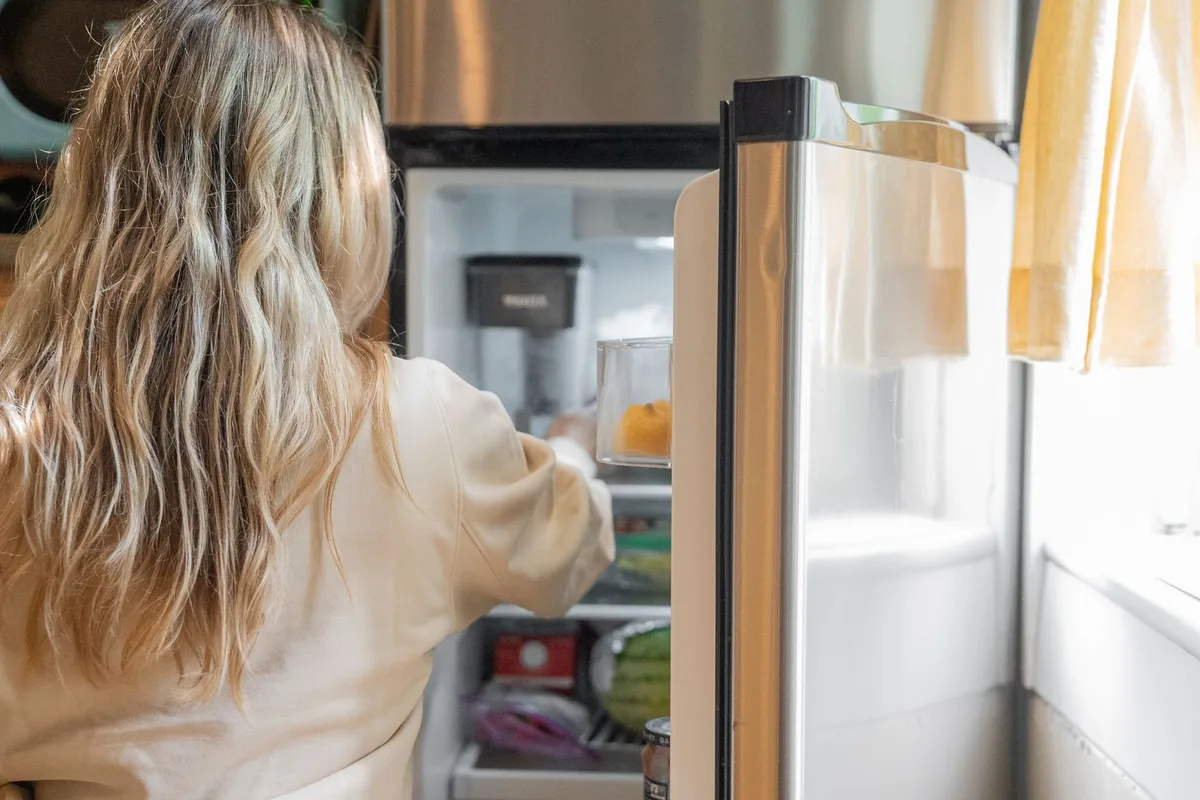
The most common clues that your filter is past its prime are changes in the water itself. You might notice a decrease in the water flow, making it take much longer to fill a glass. The taste or smell of the water could also change, becoming unpleasant or even metallic. Sometimes, you'll see visible particles or discoloration in the water or ice cubes.
Slow Water Flow? Problematic Taste? What the Signs Mean
If you’re experiencing a noticeable drop in water pressure from your dispenser, it’s a strong signal that the filter media is saturated with trapped sediment and contaminants. This means the filter is doing its job but is now so full that water can’t pass through easily.
Equally important are changes in taste and odor. A filter's primary role for many users is to remove chlorine and other compounds that affect flavor. When these are no longer being effectively filtered out, you’ll notice a difference. Similarly, if the ice cubes emerging from your maker have a peculiar smell or taste, the filter needs attention.
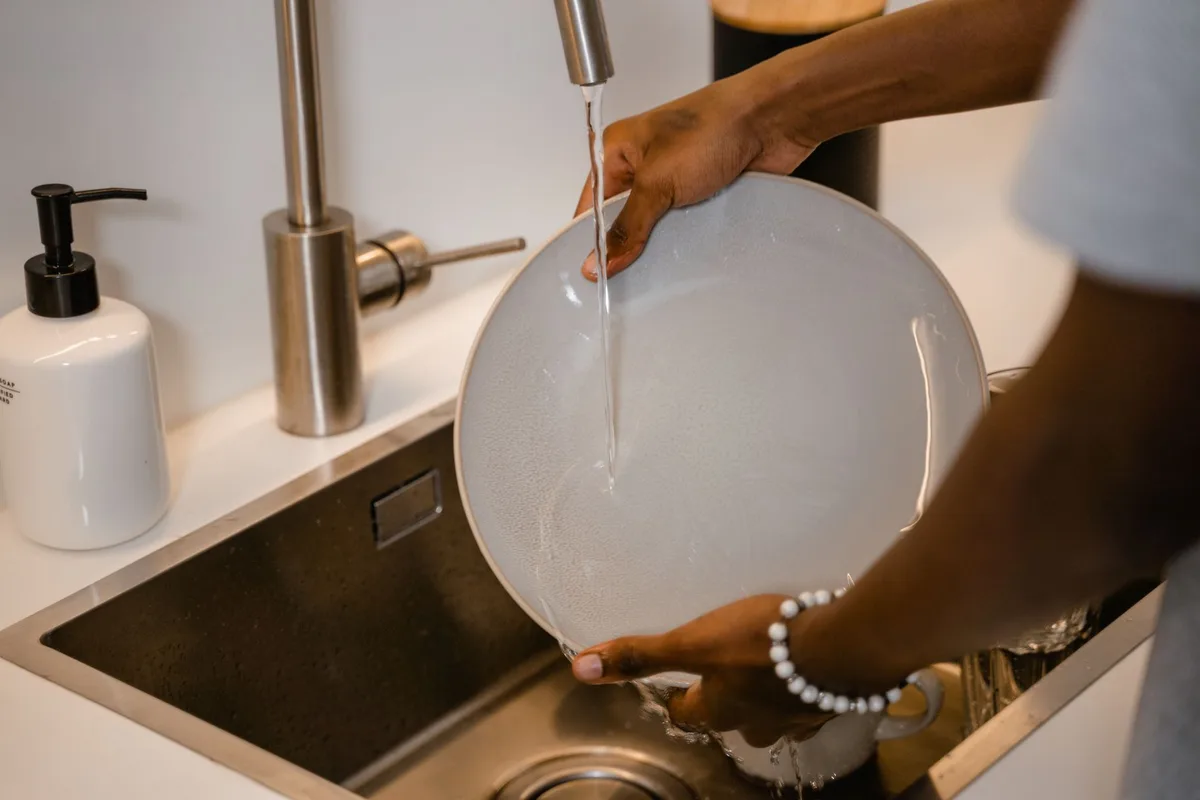
Some refrigerators are equipped with electronic indicators that light up or display a message when it’s time to replace the filter. While these are helpful, they’re not always perfectly calibrated and shouldn’t be the only thing you rely on. Always trust your senses, if the water doesn't taste right, change the filter.
What's Actually In Your Water Impacting Filter Life?
The quality of the water coming into your refrigerator is the single biggest factor in how long your filter will last. If your municipal water supply is already very clean and well-treated, your filter will likely perform closer to its rated lifespan. However, if your water has higher levels of sediment, minerals, or other impurities, the filter will exhaust its capacity much faster.
This is especially true for homes using well water, which can vary greatly in quality and often contains more sediment or dissolved minerals than treated city water. Identifying what’s in your water can help you set realistic expectations for filter longevity.
Your Local Water Quality: City vs. Well Water
Municipal water sources are generally treated to meet specific standards, aiming for consistent quality. However, depending on your location, this can still include significant levels of chlorine for disinfection, or you might notice mineral content that contributes to hard water. These are all things a filter is designed to address.
Well water, on the other hand, can be a different story entirely. The composition of well water is highly dependent on the local geology and can contain a wide range of substances, from iron and manganese to sand and silt. If your well water has noticeable turbidity (cloudiness) or a distinct mineral taste, assume your refrigerator's filter is working overtime. We recommend that as of 2026, homeowners with well water consider an annual water quality test to understand precisely what’s in their supply.
This can inform not just your filter choices but potentially other water treatment systems for your home.
How Much Water Are You Really Using?
Beyond the inherent quality of your water supply, the sheer volume of water you run through the filter is a critical determinant of its lifespan. A refrigerator filter has a finite capacity for trapping contaminants. The more water that passes through it, the sooner that capacity will be reached.
Think about household habits. Are you just using the dispenser for a glass or two of drinking water each day, or are you constantly filling large water bottles for the entire family, cooking, and even for pets? These differing usage patterns create vastly different demands on the filter.
Gauging Your Household's Water Dispenser Habits
A single person might only use their refrigerator’s water dispenser for a few glasses a day, and perhaps once to fill a water bottle. In such a scenario, a filter rated for 300 gallons could easily last the full six months, or even longer.
Conversely, a busy family of four or five, where everyone drinks multiple glasses of water daily, fills up reusable bottles multiple times a week, and uses the dispenser for their coffee maker or for cooking, will push far more water through the filter. For these households, hitting the 300-gallon mark might happen closer to the four-month mark, meaning a six-month replacement schedule might mean the filter is already past its effective life. Consider tracking your filter usage if you have a high-demand household.
Manufacturer Recommendations: A Starting Point
Every refrigerator manufacturer provides guidelines for water filter replacement, and it’s always wise to consult your appliance’s manual. These recommendations are based on extensive testing of the refrigerator's specific filtration system and are designed to balance performance with filter life. Typically, you’ll see guidance for a replacement interval of every six months.
However, these are general guidelines, not absolute rules. Manufacturer specifications often state a filter is rated for a certain number of gallons (commonly between 300 and 500 gallons) or a timeframe, whichever comes first. This “whichever comes first” is key; if you use a lot of water, you might reach the gallon limit well before six months are up.
For example, Whirlpool, a major refrigerator manufacturer, often recommends replacement at six-month intervals for their refrigerator water filters. Similarly, GE Appliances typically advises changing their filters every six months or 300 gallons. These are industry standards that serve as a solid baseline for most users.
When to Change Based on Filter Performance and Alerts
If your refrigerator has a built-in indicator light for filter replacement, it's a feature designed to simplify the process. These indicators are usually programmed to signal a change after a set period, often six months, or sometimes based on system usage data if the fridge has sophisticated sensors.
While convenient, these alerts are not infallible. They are programmed based on assumptions about average usage and water quality. If your household consumes significantly more or less water than the average, or if your water is exceptionally hard or contains a high load of impurities, these alerts might not align perfectly with your filter's actual performance.
In essence, the electronic reminder is a helpful nudge, but it should be secondary to your own observations. If your water flow slows down, or if the taste and odor noticeably decline, it's time to replace the filter, regardless of what the indicator light says.
Is Your Fridge Trying to Tell You Something?
Modern refrigerators often feature a digital display or a small LED light dedicated to the water filter. This system tracks filter usage, either by time elapsed or, in more advanced models, by estimating the volume of water dispensed. When the filter reaches its programmed limit, the indicator will usually change color (e.g., from green to yellow or red) or display a replacement message.
This feature aims to prevent you from running water through an exhausted filter, which can lead to poor taste and ineffective contaminant removal. It's a proactive reminder that takes the guesswork out of tracking monthly replacements. For instance, Samsung refrigerators commonly use a filter indicator light that turns red when it's time for a change.
Are You Making These Common Refrigerator Filter Mistakes?
When it comes to refrigerator water filters, a few common oversights can lead to disappointing results or even unnecessary costs. Sticking rigidly to a calendar date without considering actual usage or water conditions is a big one. You might be replacing a filter that still has plenty of life left, or worse, leaving a clogged one in place past its effective date.
Another frequent mistake is simply not knowing your specific filter model. There are countless types of refrigerator water filters, each designed for particular brands and models, and using the wrong one can lead to leaks or poor filtration. Price is also a trap; opting for the cheapest filter might mean sacrificing quality and longevity, ultimately costing you more in the long run.
The Calendar Trap: Why Six Months Isn't Always Enough (or Too Soon)
A rigid six-month replacement schedule works great for a moderately used refrigerator in an area with decent water quality. However, if your household goes through a lot of water or if your tap water is particularly hard or requires significant filtering, six months could be too long. The filter will be saturated and ineffective long before that date.
Conversely, if you live alone and barely use the water dispenser, you might be replacing a perfectly good filter too early. This not only wastes money on replacement filters but also means you're not maximizing the filter's potential lifespan. We've seen reports where filters in low-usage homes still perform well after nine months, while high-usage dwellings clog them in three.
Guessing Your Filter Model: A Costly Error
Many users don't realize the variety of refrigerator water filters available. Filters are often brand-specific and model-specific, designed with unique connectors and filtration media tailored to the refrigerator’s water system. Using an incompatible filter can result in:
- Leaks: The seal might not be tight, leading to water damage within your fridge.
- Poor Filtration: The filter might not fit correctly, allowing unfiltered water to bypass it.
- Reduced Water Flow: An ill-fitting filter can impede water movement.
- Damage to the Refrigerator: In rare cases, an incorrect filter could stress the water system.
Always double-check your refrigerator manual or the old filter for the exact model number before purchasing a replacement.
Chasing the Lowest Price Tag: A False Economy
It's tempting to grab the most affordable filter you can find, especially since they become a recurring purchase. However, the cheapest options often use lower-grade materials or less effective filtration media. Our analysis of product reviews and performance data suggests these budget filters generally:
- Last for a shorter time, requiring more frequent replacement.
- Filter out fewer contaminants, leading to less effective purification.
- May introduce new tastes or odors to the water.
Investing in a reputable, higher-quality filter, even if the initial cost is higher, often proves more economical and effective over time.
Use Cases: Who Benefits Most from a High-Performing Filter?
A high-quality refrigerator water filter offers clear advantages for a wide range of households, but some scenarios showcase its benefits more dramatically than others. Understanding these use cases can help you prioritize filter changes and appreciate the value they bring.
From busy families to health-conscious individuals, the consistent delivery of clean, filtered water and ice is a significant convenience and a boost to daily well-being. If any of these sound like you, paying attention to your filter's health is a smart move.
Families with Young Children or Health in Mind
For households with young children, or anyone particularly focused on health and wellness, ensuring the purest possible drinking water is paramount. A good refrigerator filter removes common contaminants like chlorine, lead, and sediment, which can be a concern, especially if you have older plumbing or live in an area with known water quality issues. Providing this clean water discourages reliance on bottled water, which is often more expensive and less environmentally friendly.
The Busy Household with High Water Demand
If your refrigerator is the primary source for drinking water for multiple people, and you frequently fill water bottles, coffee pots, or even for cooking, you have high water demand. In these situations, a well-maintained filter directly translates to convenience. You’re not waiting ages for a slow trickle, and you always have clean water ready. Recognizing this high usage means you’ll need to be more vigilant about replacement schedules.
Homeowners with Specific Water Quality Concerns
If you've had your local water tested and know it contains specific issues, like high sediment levels, certain minerals, or even trace amounts of other contaminants, a refrigerator filter becomes an essential tool. It works as a first line of defense for your drinking water, providing a more palatable and potentially healthier option than unfiltered tap water. Many filters are certified to reduce common chemicals like chlorine and particulates that affect taste and clarity.
What to Do When Your Fridge Water Filter Needs Attention
So, you've identified that your filter needs swapping out. What's next? The process itself is generally straightforward, but doing it correctly ensures you don't create new problems while solving an old one. It's about selecting the right replacement and then installing it properly to guarantee a good seal and optimal function.
The steps are usually quite similar across brands, focusing on locating the filter housing, removing the old filter, and inserting the new one. After installation, a quick flush is often recommended to clear out any air or loose carbon fines from the new filter.
Step 1: Identify and Purchase the Correct Replacement Filter
This might sound obvious, but as we touched upon earlier, it's crucial. You'll need to know your refrigerator's brand and model number. The easiest way to find this is usually a sticker inside the refrigerator compartment, often on a side wall or near the crisper drawers. Alternatively, check your appliance's manual.
Once you have the model number, you can search for compatible filters. Many manufacturers list their compatible filter model numbers, or you can often find cross-reference charts online. Look for filters from reputable brands to ensure quality and performance.
Step 2: Prepare for the Swap
Before you start pulling things apart, turn off the water supply to your refrigerator, if possible. This is usually done via a shut-off valve located behind the fridge or under the sink if it’s an under-counter supply line. While many filter systems are designed to prevent major leaks when the old filter is removed, shutting off the water adds an extra layer of security against spills. Empty any containers or items from the refrigerator shelf or door where the filter is located.
Step 3: Remove the Old Filter and Install the New One
Filter locations vary; they can be inside the refrigerator compartment, often at the top corner of the fresh food section, or sometimes at the base grille. Check your manual. To remove the old filter, you might need to twist it counter-clockwise, push a release button, or pull it straight out, depending on the design.
Have your new filter ready. Align it with the housing, and then insert and twist clockwise until it locks securely into place, or follow the specific installation instructions for your model. You should feel it seat properly.
Step 4: Flush the New Filter
After the new filter is installed, turn the water supply back on. Dispense water for several minutes (typically 2-3 minutes or about 2-3 gallons) to flush out any air trapped in the system and any loose carbon particles from the new filter. The water might appear cloudy or discolored initially; this is normal and will clear up as you flush. Run water until it becomes clear and tastes fresh, then reset your refrigerator's filter indicator light if it has one.
Filter Life: Data, Metrics, and What They Mean
Understanding the numbers associated with your refrigerator water filter can help you make informed decisions about replacement. These metrics aren't just arbitrary figures; they're based on industry standards and laboratory testing designed to quantify performance and lifespan.
The most common metrics you'll encounter are the filter's capacity in gallons and its recommended replacement interval in months. These are interconnected, and understanding their relationship is key to optimal filter use.
Gallons Filtered: The Big Picture of Capacity
Most refrigerator water filters are rated for a specific number of gallons they can filter before their media becomes saturated and less effective. Common capacities range from 300 gallons to 500 gallons. This rating indicates the maximum volume of water the filter can process while still meeting its stated performance levels for contaminant reduction.
For context, if your household drinks an average of 8 glasses of water per day, and each glass is about 8 ounces, that’s 64 ounces, or half a gallon, per person per day. For a family of four, that's 2 gallons per day. At that rate, a 300-gallon filter would last about 150 days, or roughly five months. This highlights why the monthly recommendation can sometimes be surpassed by actual usage.
Time Intervals: The Default, But Not Always the Rule
The six-month replacement interval is a widely adopted standard across the appliance industry. It’s a convenient benchmark that provides a good balance for most users. However, as we've discussed, it’s based on assumptions about average water consumption and quality.
- Low Usage Homes: May be able to extend the interval slightly beyond six months based on gallon capacity and water taste.
- High Usage Homes: May need to replace the filter sooner than six months if they are exceeding the gallon capacity.
It’s crucial to remember that filter performance can degrade over time even if the gallon capacity hasn’t been met, due to potential microbial growth on the filter media when stagnant. Therefore, adhering to the timeframe, or even shortening it slightly in high-usage or questionable water conditions, is often the safest bet for consistently clean water.