How to Filter Hard Water 2026
Hard water can be a real nuisance, leading to limescale buildup, spots on your dishes, and shorter appliance lifespans. Understanding how to filter hard water effectively means tackling these issues at their source. Fortunately, several technologies can help manage the minerals that cause hardness, making your water more pleasant and your home more efficient. As of 2026, the market offers a range of solutions, from traditional softeners to innovative conditioners.
Our research indicates that dealing with hard water often involves a process of understanding the problem, evaluating your needs, and then choosing the right technology. This guide will walk you through the common types of systems available, their pros and cons, and how to decide which one best suits your home. We'll look at what makes each approach tick and what you can realistically expect.
The Hard Water Problem: What's Actually Happening?
What Is Hard Water and Why Does It Matter?
Hard water simply means water that has a high concentration of dissolved minerals, primarily calcium and magnesium. When water passes through rock and soil, it picks up these minerals. While generally not a health risk, this mineral content can cause noticeable issues around the house. Official testing standards, like those from the U.S.
Geological Survey, classify water with over 7 grains per gallon (GPG) as hard. This level can start to impact your daily life.
Common Frustrations with Hard Water
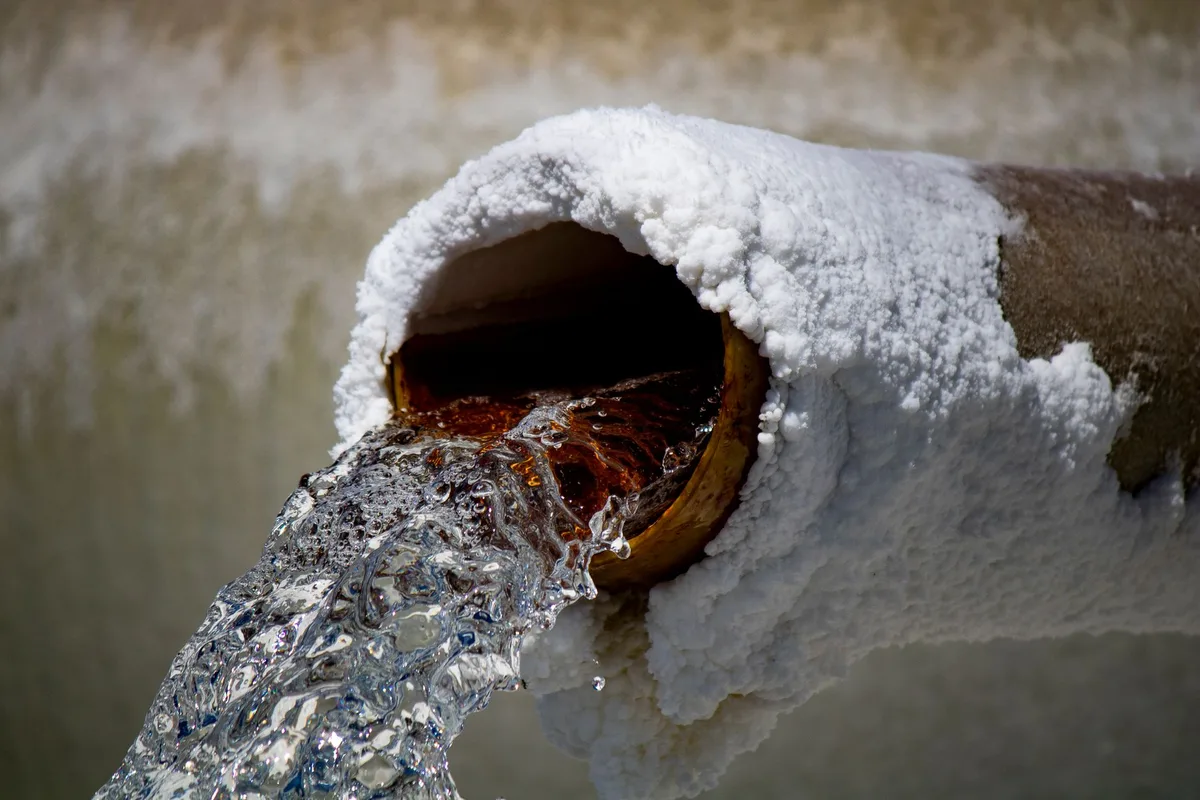
You've probably seen the signs: that chalky white residue, or limescale, clinging to your faucets, showerheads, and inside your water heater. Soap doesn't lather as well in hard water, meaning you might use more detergent for laundry or dishwashing. This can lead to scum buildup on surfaces and make your skin and hair feel less clean. Manufacturer specifications for appliances like washing machines and dishwashers often assume certain water hardness levels, and exceeding them can lead to premature wear and tear.
First Steps: Understanding Your Water Situation
How to Test Your Water Hardness (GPG/mg/L)
Before you can effectively filter hard water, you need to know just how hard it is. The most common measurement is grains per gallon (GPG), or sometimes milligrams per liter (mg/L). You can often get a general idea from your local water utility, but for precise measurement, a simple at-home test kit is best. These kits, widely available at hardware stores, typically involve dipping a test strip into your water.
The color change on the strip is then compared to a chart to determine your water's hardness level. A reading over 7 GPG indicates it's significantly hard.
Choosing Your Hard Water Solution: The Big Picture
Water Softeners vs. Water Conditioners: What's the Difference?
When you're looking into how to filter hard water, you'll encounter two main categories of treatment systems: water softeners and water conditioners. While both aim to combat the effects of hard water, they do so in fundamentally different ways. Water softeners actively remove the calcium and magnesium minerals from the water. Water conditioners, on the other hand, alter the minerals’ structure, making them less likely to form scale without actually removing them.
Diving Deeper: Water Softeners Explained
How Ion-Exchange Softeners Work (Resin, Salt, Regeneration)
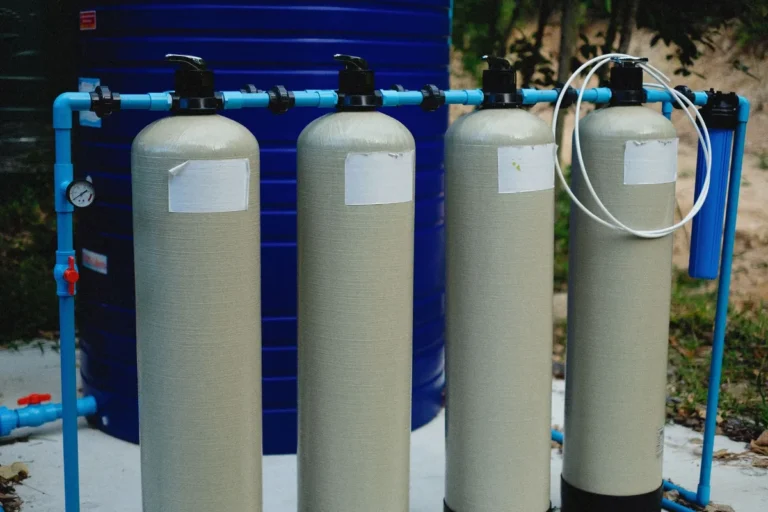
The most common type of water softener is the ion-exchange system. It works by passing your hard water through a tank filled with resin beads. These tiny beads are coated with sodium ions. As the hard water flows by, the calcium and magnesium ions in the water are attracted to the resin beads and stick to them, while the sodium ions are released into the water.
This process effectively swaps the hardness minerals for sodium.
Over time, the resin beads become saturated with hardness minerals and need to be "regenerated." This is where salt comes in. The softener flushes the resin tank with a brine (saltwater) solution, which washes away the accumulated calcium and magnesium, sending them down the drain. The beads are then re-coated with sodium, ready to soften more water.
What to Consider with a Water Softener
If you're opting for a water softener, several factors are crucial. Sizing is key; you'll need to calculate your household's daily water usage and your water's hardness level (GPG) to determine the correct capacity. A system that's too small will regenerate too often and won't keep up, while one that's too large might be an unnecessary expense. You'll also need to factor in the ongoing cost of salt, which can range from $5 to $20 per bag depending on location and type, and how often you'll need to refill the brine tank, typically every 1-3 months for an average household.
Installation is usually a whole-house affair, requiring plumbing work where the main water line enters your home.
Exploring Water Conditioners: The Salt-Free Approach
How Water Conditioners Tackle Scale
Water conditioners offer a different approach to managing hard water. Instead of removing minerals through ion exchange, they alter the physical properties of the dissolved calcium and magnesium. Various technologies exist, including electromagnetic and electronic systems that pass a current through the water, or catalytic media-based systems that change the crystalline structure of the minerals. The idea is to make the minerals stay in suspension rather than forming hard, crusty scale on pipes, fixtures, and heating elements.
When a Water Conditioner Might Fit Your Needs
These systems can be appealing if you're looking to avoid salt or the wastewater generated by traditional softeners. They are often easier to install, with some models requiring no plumbing modifications at all. If your primary goal is to reduce scale buildup and protect your plumbing and appliances from severe calcification, and you're not as concerned about the actual mineral content in your drinking water, a conditioner could be a viable option. However, it's important to note that manufacturer specifications and independent testing can show varying degrees of effectiveness for scale reduction compared to the guaranteed mineral removal of ion-exchange softeners.
Point-of-Use Filters: Quick Fixes for Specific Spots
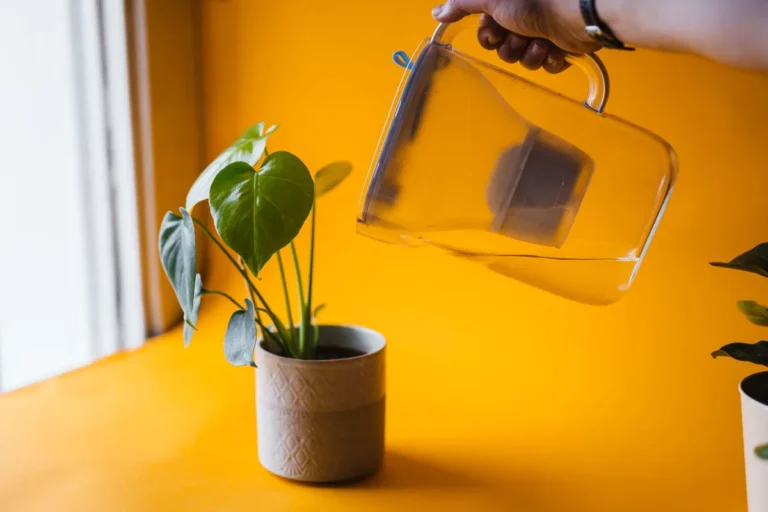
Sometimes, you don't need to treat the entire house. For focused solutions on how to filter hard water, point-of-use (POU) filters are great. Pitcher filters sit on your counter and are perfect for improving the taste and reducing some mineral content in your drinking water. Faucet filters attach directly to your kitchen faucet, offering filtered water on demand with a simple switch.
Showerhead filters, as the name suggests, attach right to your shower arm and can reduce mineral buildup that causes spots and affects hair and skin.
These POU options are often the most budget-friendly upfront and are excellent for renters or those who don't need a whole-house system. Their capacity is limited to the water that passes through them, and filter cartridges will need regular replacement, often every 1-3 months, depending on usage and the specific filter model.
Making the Choice: Which Solution is Right for You?
Homeowner vs. Renter: Your Options
If you own your home, you have the broadest range of choices. Installing a whole-house water softener or conditioner is a significant upgrade that offers consistent benefits to all your plumbing and appliances. This is often the most effective long-term strategy for tackling hard water issues comprehensively.
For renters, whole-house systems are usually out of the question unless you have explicit landlord permission and are willing to handle installation and removal. Your best bet is typically point-of-use filters like pitcher filters for drinking water or showerhead filters for your bathing experience. These are portable, easy to install, and don't require permanent modifications.
Cost and Maintenance: What to Expect
The cost breakdown varies quite a bit. Whole-house water softeners can range from $500 to over $2,000 for the unit itself, plus installation fees that can add another few hundred dollars. Ongoing costs include salt for regeneration, roughly $50-$100 annually for an average home, and electricity for the control valve. Water conditioners might have a similar upfront cost range, but their ongoing expenses are typically minimal, often just occasional filter media replacement if applicable.
Point-of-use filters, like pitcher filters, are the most affordable upfront, often $20-$50, but require frequent cartridge replacements costing $5-$10 monthly or bi-monthly depending on the product. Faucet and showerhead filters fall somewhere in between, with units costing $30-$100 and replacement cartridges adding to the long-term expense.
Key Scenarios: Who Needs What?
Let's break down some common situations:
- The Busy Family: A whole-house water softener is often ideal. It consistently handles hard water for all taps, appliances, and showers, reducing maintenance headaches and improving general water quality throughout the home.
- The Apartment Dweller: A pitcher filter for drinking water and a showerhead filter are usually the most practical solutions. They address specific pain points without requiring installation or landlord approval.
- The Scale-Conscious Homeowner: If your main worry is scale buildup in appliances and pipes, and you want to avoid salt, a water conditioner might be the focus. Test its effectiveness in your specific water conditions.
- The Budget-Focused Buyer: Starting with pitcher filters is a low-risk way to improve drinking water. If the problem persists or affects more than just drinking water, you can then explore more substantial solutions.
Avoiding Pitfalls: Common Hard Water Solution Mistakes
When deciding how to filter hard water, people often make a few common mistakes. One big one is choosing a system based solely on price without considering its actual capacity or suitability for your water hardness. A system that's too small will constantly be in regeneration or won't perform adequately, leading to frustration.
Another pitfall is misunderstanding what a "water conditioner" truly does. If you expect it to soften your water like an ion-exchange system, you'll likely be disappointed. They manage scale but don't remove the minerals that cause true softening effects like better lathering. Also, failing to replace filter cartridges in POU systems on schedule significantly reduces their effectiveness and can even make the filtered water worse than tap water.
Keeping Your System Working: Maintenance and Optimization
Proper maintenance is key to ensuring your chosen solution for hard water continues to work effectively. For ion-exchange water softeners, regularly checking and refilling the salt in the brine tank is crucial. Manufacturer recommendations often suggest using high-purity salt specifically designed for water softeners to prevent clogs and mineral buildup in the tank itself.
If you have a water conditioner, follow the manufacturer's guidelines for any recommended cleaning or media replacement. For pitcher, faucet, or showerhead filters, replacing the cartridges within the recommended timeframe, usually every 1-3 months, or as indicated by a change-oclock indicator, is non-negotiable for performance. Ignoring this simple step means you're essentially drinking or using unfiltered water.