How Long Does a Water Filter Last 2026: Hands-On Review
Ever wonder if that water filter you're using is actually doing its job, or if it's just coasting along? Figuring out how long does a water filter last is a common question, and it really boils down to understanding a few key factors rather than a single magic number. It’s not a one-size-fits-all situation, and what works for your neighbor might be different for your household.
Our research indicates that while many filters come with a recommended lifespan, typically 6 months or around 400 gallons, these are just estimates. The real-world performance and longevity depend heavily on your specific water quality and how much water your household actually runs through it. As of 2026, these variables remain the primary drivers of filter life.
The Main Ingredients That Influence Filter Life
Think of your water filter as a hardworking athlete. Its endurance depends hugely on the conditions it operates under and the demands placed upon it. There isn't one universal timer; instead, several elements team up to determine when it's time for a replacement.
What's in Your Water? (Quality Matters!)
The cleanliness of your tap water plays a massive role in how long a filter can effectively do its job. If your water comes in with high levels of sediment, dissolved minerals (like calcium and magnesium, which cause hardness), chlorine, or other contaminants, the filter media has to work harder and will get saturated faster. For instance, municipalities often report levels of Total Dissolved Solids (TDS). Water with a TDS reading over 150 parts per million (ppm) might necessitate more frequent filter changes compared to water below 50 ppm, depending on the filter type.
How Much Are You Actually Using It? (Volume is Key)
This is perhaps the most direct determinant of a filter's life. A busy household with multiple people and pets will push more water through the system than a single person living alone. Manufacturers often provide a gallon-based capacity, like 600 gallons for some pitcher filters or 10,000 gallons for certain under-sink systems. If your family drinks an average of 20 gallons of filtered water per week, a filter rated for 400 gallons would realistically last about 20 weeks, or roughly 5 months.
This helps you put the manufacturer's "months" estimate into real-world perspective.
What Kind of Filter Are We Talking About?
Not all filters are built the same, and different technologies have different lifespans and capabilities. For example, a simple sediment pre-filter in a multi-stage system might only last 3-6 months, while the main RO membrane could be rated for 2-5 years, provided the pre-filters are maintained. Understanding the specific technology behind your filter is crucial for accurate lifespan estimation.
Activated Carbon Filter
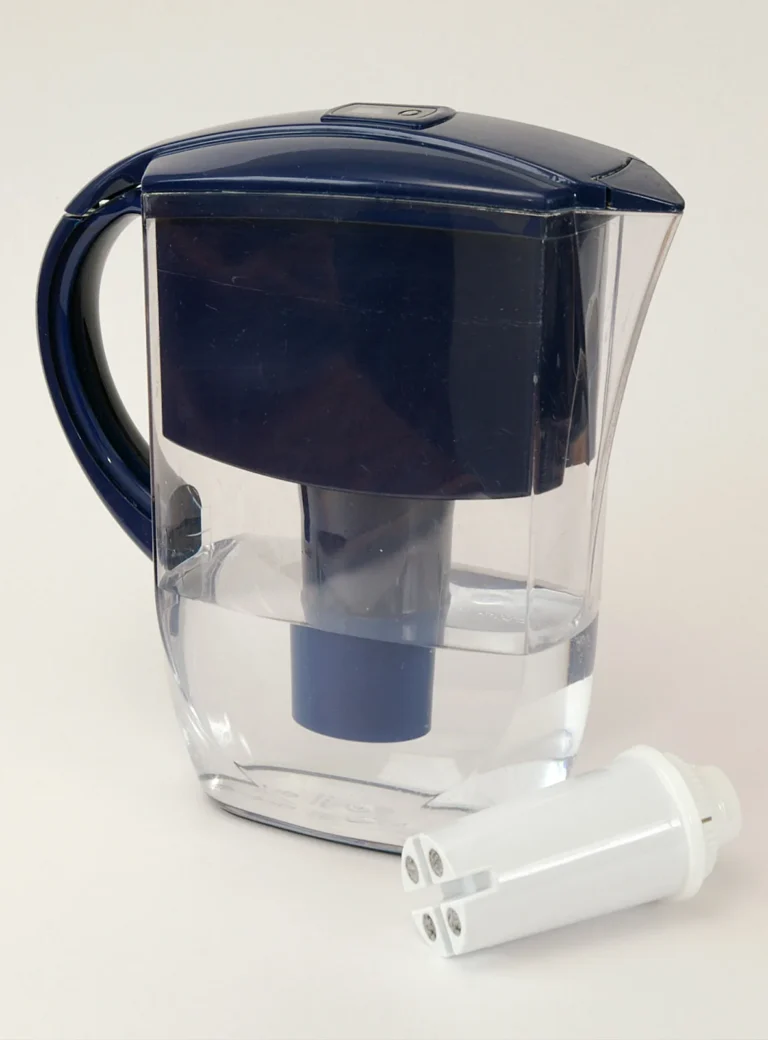
Activated carbon filters are among the most popular for everyday use, mainly because they effectively improve taste and odor by adsorbing common impurities like chlorine, volatile organic compounds (VOCs), and certain pesticides. The lifespan of an activated carbon filter is primarily dictated by its capacity to hold these adsorbed contaminants. Once the carbon media is saturated, it can no longer effectively capture new impurities and may even release previously trapped substances back into the water.

A high-quality activated carbon block filter can last longer than a loose granular activated carbon (GAC) filter because it has more surface area and a more consistent pore structure. Manufacturer specifications will typically give a gallon rating, often between 100 to 1,000 gallons for pitcher or faucet filters, and significantly more for whole-house systems which might handle anywhere from 10,000 to 100,000 gallons. Replacing these filters on schedule is key to maintaining water quality and preventing any potential negative health impacts from reduced filtration efficiency.
Ceramic Filters: The Cleanable Option
Ceramic filters are block-like filters made from porous ceramic material, often diatomaceous earth or clay. Their physical structure creates tiny pores that physically strain out sediment, dirt, rust particles, and larger microorganisms like bacteria and protozoa. A significant advantage of ceramic filters is that they can often be cleaned and reused for a period, extending their overall lifespan compared to filters that must be discarded once saturated.
To clean a ceramic filter, you typically scrub the surface to remove accumulated debris. However, this cleaning process is not indefinite. Over time, the ceramic material itself can wear down, or pores can become permanently clogged even after scrubbing. Most manufacturers will specify a maximum number of cleaning cycles or a total effective lifespan, often measured in months or a cumulative filtered volume.
For instance, some ceramic elements might be rated for 6 months of use or up to 500-1,000 gallons before needing replacement, even with regular cleaning. When the filter releases water at a significantly reduced flow rate even after thorough cleaning, it's a clear sign of wear.
Let's Break Down What to Look For
Figuring out when to swap your filter isn't just about a calendar date. It’s more about observing how it’s performing and what signs it’s giving you. Think of it like checking the oil in your car; you don't just do it every six months; you look at the dipstick and the mileage.
Manufacturer's Timeline: Your Starting Point
Manufacturers put a lot of thought into the estimated lifespan of their filters. These are usually based on laboratory testing under controlled conditions, aiming for a balance between performance and convenience. They might state a filter lasts for 6 months or can purify 400 gallons of water. This is your baseline, a good reason to have a replacement filter on hand, but it’s not the absolute law for your specific situation.
Taste and Odor: Your Nose Knows Best
This is your most immediate and reliable indicator. If your filtered water starts tasting like tap water again, or if you detect any off-putting smells, like chlorine or a metallic tang, the activated carbon media inside has likely reached its saturation point. It’s no longer effectively adsorbing the compounds responsible for taste and odor. For many, this noticeable change in sensory quality is the primary prompt to replace the filter, regardless of how long it's been installed.
Flow Rate Slowdown: The Dribble Test
You'll likely notice it before anything else. When your filter starts to get clogged with sediment and other larger particles, the water flow rate will decrease. That satisfying stream from your faucet or pitcher becomes a slow trickle. This is particularly common with sediment filters or ceramic filters that physically trap debris.
If your under-sink system's output is significantly slower, or your pitcher takes ages to fill, it’s a strong signal the filter element is restricted. For systems that use RO membranes, a dramatic and sudden drop in flow rate can also indicate issues, though pre-filters are more commonly the culprits for gradual slowdowns.
Water Quality Reports: The Official Scoop
Many local water utilities publish annual water quality reports, often called Consumer Confidence Reports (CCRs). These documents detail the levels of various contaminants found in the municipal supply throughout the year, measured against federal and state standards. If these reports show an increase in specific contaminants that your filter is designed to remove, it might be wise to consider replacing your filter sooner than the printed schedule suggests. For example, if a report indicates higher-than-usual levels of lead or certain pesticides, and your filter tackles those, give it extra attention.
Keep a Log: Your Personal Filter Diary
A simple log can be incredibly helpful for tracking filter life. Jot down the date you install a new filter in a notebook, on a calendar, or even using a reminder app on your phone. This way, you have a precise record without relying on memory. You can then combine this date with your estimated water usage to get a more accurate picture than a generic monthly schedule.
For example, if you installed a filter on January 15th and the manufacturer suggests replacement around July 15th (6 months), but you notice a decline in taste by April, your log confirms you've only gotten about 3 months of effective use, prompting an earlier change.
The "When to Swap" Decision Tree
Here's a straightforward way to decide if it’s time for a new filter, using a simple if-then approach based on what you observe.
Is your filter past its recommended time (e.g., 6 months) or gallon limit (e.g., 400 gallons) based on available data?
- If YES: It's very likely time to replace it, especially if you notice any other issues. Proceed to step 2 to confirm.
- If NO: Continue to step 2, but keep a close eye on performance.
Have you noticed a change in taste or odor in your filtered water?
- If YES: Replace the filter immediately. This is a direct sign of saturation.
- If NO: Proceed to step 3.
Has the flow rate of filtered water noticeably decreased?
- If YES: The filter is likely clogged and needs replacement.
- If NO: Your filter is likely still performing well.
If your answer was "YES" to any question in Step 2 or Step 3, it’s time for a new filter. If you answered "NO" to all questions and are within the manufacturer's recommended timeframe and gallon limit, your filter is likely still good to go.
Filtration System Types and Their Lives
Different filtration technologies have varying lifespans and require different maintenance approaches, impacting how long you can rely on them.
Activated Carbon's Ride
Activated carbon filters typically have a lifespan between 2 to 6 months for common household pitcher and faucet models, or can range from 10,000 to 100,000 gallons for whole-house systems. Their effectiveness degrades as the carbon pores become saturated with adsorbed contaminants, primarily chlorine and VOCs. Manufacturers usually provide a gallon rating, which is a more precise measure than just time, especially if your water usage is high.
Ceramic Filters: The Cleanable Option
Ceramic filters offer longevity primarily because they can be cleaned. Their lifespan can extend to 6 months or even a year with regular upkeep, filtering hundreds or even thousands of gallons. However, repeated cleaning can eventually wear down the ceramic material, and permanently clogged pores will reduce flow rate. It's crucial to follow the manufacturer's guidelines on how many times a ceramic filter can be safely cleaned and its total recommended service life before needing full replacement.
Reverse Osmosis (RO) Systems: A Multi-Stage Journey
RO systems are complex, with multiple filters. The sediment and carbon pre-filters typically need replacement every 6 to 12 months to protect the RO membrane. The RO membrane itself, the core component for removing dissolved solids, usually lasts 2 to 5 years, dependent on water quality and pre-filter maintenance. Post-filters, used to polish taste after the membrane, often last 6 to 12 months.
Replacing all components on schedule ensures optimal performance and prevents premature failure of the more expensive RO membrane.
Ultrafiltration (UF) Systems: Endurance Focus
Ultrafiltration systems excel at removing bacteria and viruses without significantly reducing dissolved minerals. Their membranes are robust and can often last 1 to 3 years, or potentially longer if feed water quality is good and pre-filters (if present) are maintained. The longevity is closely tied to preventing the membrane from clogging with sediment, making the condition of any sediment pre-filters a critical factor. Compared to RO, UF systems generally have longer-lasting central membranes when sediment is managed.
Common Filter Mistakes to Steer Clear Of
Avoiding common errors can significantly extend the effective life of your water filters and ensure you're always drinking properly purified water.
Overlooking Water Quality Changes
Many people set it and forget it, replacing filters on a strict calendar schedule. However, if your local water utility reports changes in contaminant levels, or if you notice an increase in water hardness or turbidity, your filter may be working harder than usual. Failing to adjust your replacement schedule based on these real-world changes can lead to reduced filter performance or premature saturation.
Ignoring the Slowdown
A common mistake is to tolerate a significantly reduced flow rate, thinking the filter is "still working." While it might still be filtering some impurities, a severely clogged filter is a sign that its capacity is maxed out. This restriction can also put undue strain on your filtration system. If the water flow from your faucet or shower head has noticeably decreased, it's usually a strong indication that the filter cartridges, especially sediment or carbon pre-filters, are nearing the end of their effective life and need to be swapped. This is especially true for RO systems, where pre-filter clogs can drastically shorten the lifespan of the RO membrane itself.