What Is Ro Water Filter 2026
Wondering what exactly RO water is and why you keep seeing it mentioned? If you've ever felt your tap water could be better, or you're just curious about getting the purest water possible, you've come to the right place. RO water filters, short for Reverse Osmosis, are a popular way to achieve a high level of water purification right in your home. They use a special process to take out a wide variety of impurities, aiming to give you a cleaner, more refined drinking water experience.
Getting to grips with "what is RO water filter" means understanding a filtration method that's remarkably thorough. Unlike simpler pitcher filters that just improve taste, RO systems actively remove dissolved solids. Manufacturer specifications often indicate RO systems can reduce Total Dissolved Solids (TDS) by up to 99%. This level of purification is what sets RO apart and often leads to important questions about whether it's the right choice for your household's needs.
RO Water Filter: Your Quick Gut Check
Thinking about an RO water filter? It makes sense to get a quick read on what it is before diving deep. Essentially, an RO water filter is a system designed to remove a broad spectrum of contaminants by forcing water through a semi-permeable membrane. This membrane has pores so tiny that most dissolved salts, minerals, heavy metals, and other impurities can't get through.
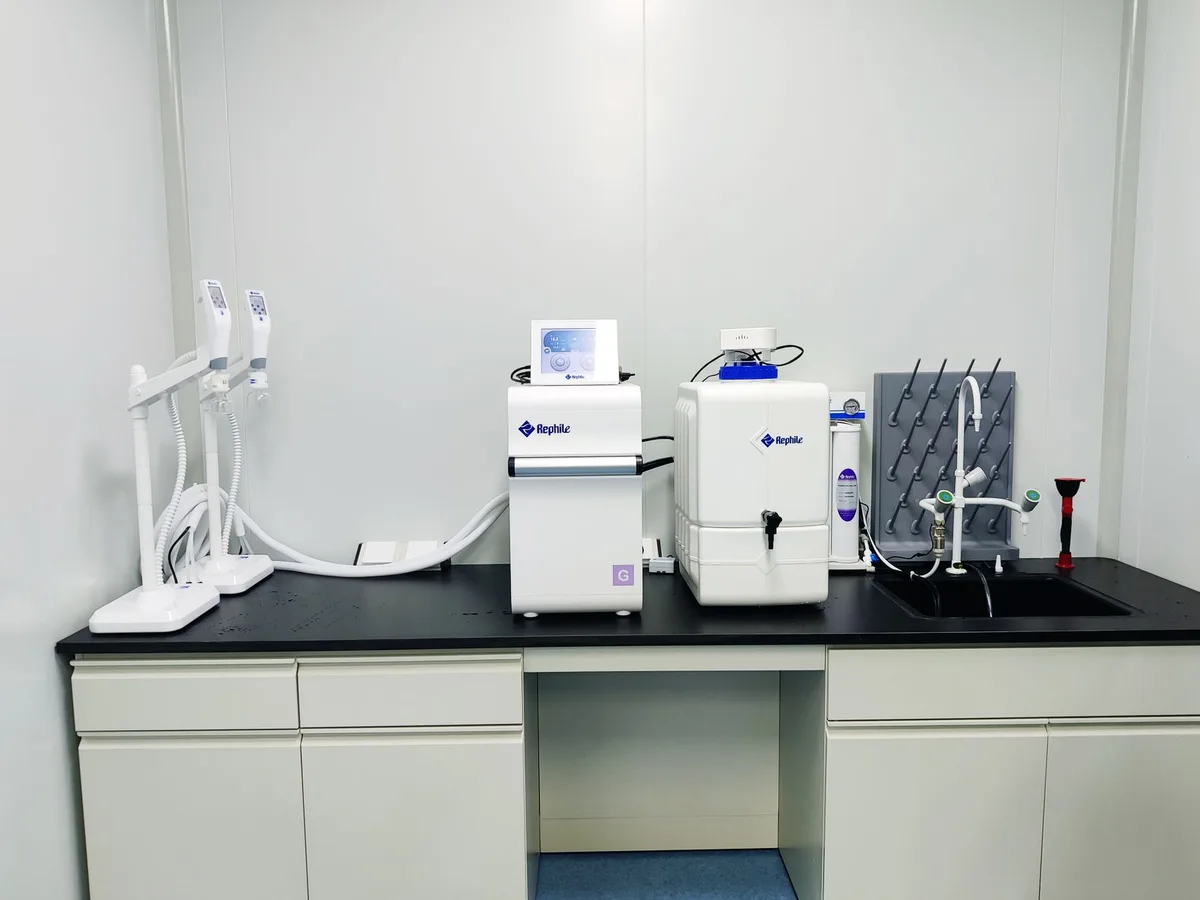
If you're looking for peace of mind about what's in your drinking water, and you’re concerned about things beyond just taste or odor, RO systems offer a high degree of purification. They're a significant step up from basic filters.
How RO Water Filters Actually Work: Less Magic, More Science
The core of an RO system is its RO membrane. This isn't just a regular filter; it's a specialized material designed with incredibly small pores, typically around 0.0001 microns. For perspective, that's about 500,000 times smaller than the diameter of a human hair. Water molecules are small enough to pass through these pores, but larger dissolved substances, ions, and microorganisms are held back.
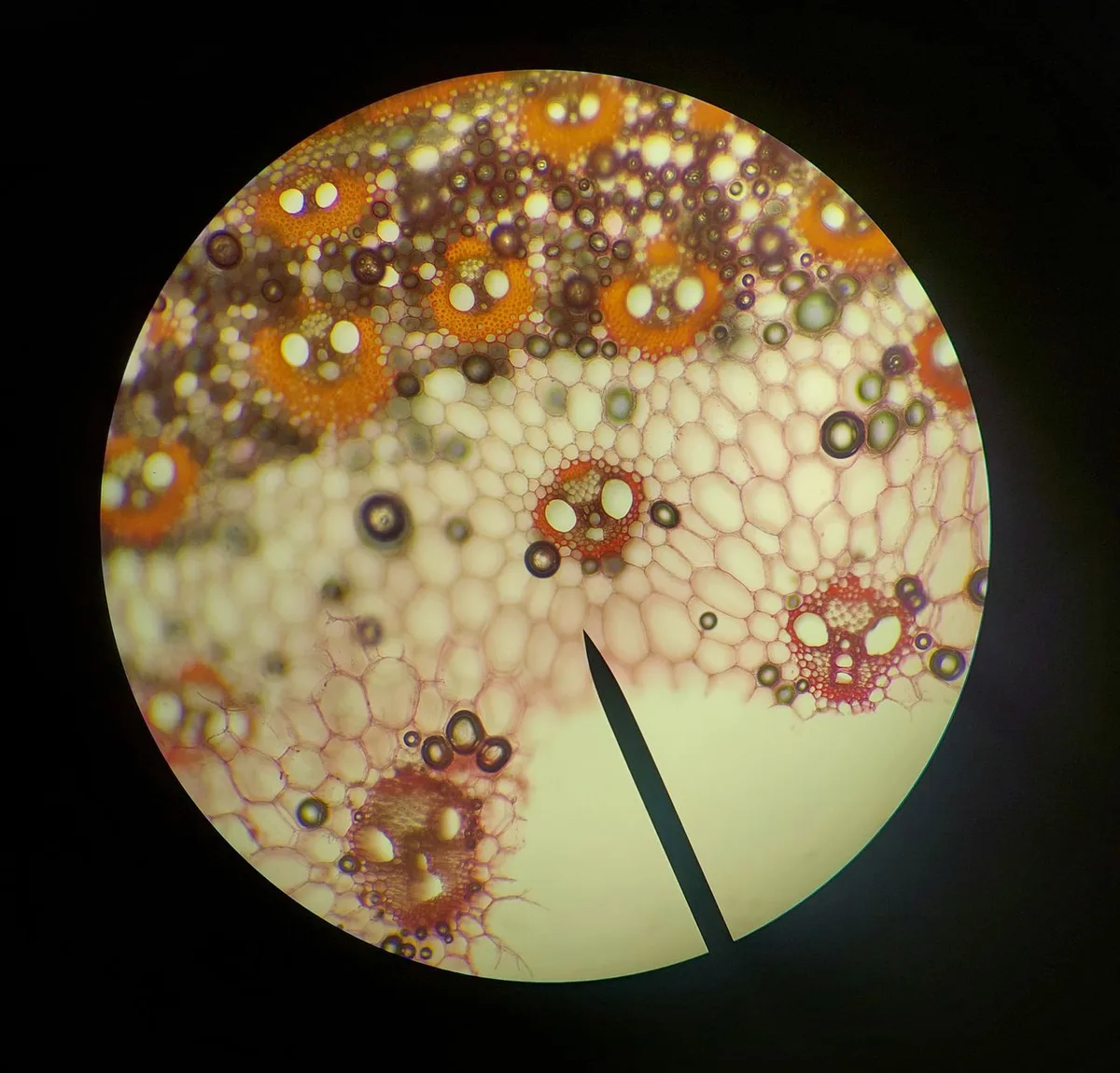
This process requires pressure. Tap water is pushed against the membrane, forcing the clean water through while the rejected contaminants are flushed away as wastewater. Most under-sink RO systems use a multi-stage process, often including pre-filters to protect the delicate RO membrane from sediment and chlorine, and sometimes a post-filter to polish the water before it reaches your tap.
The Big Picture: Benefits and Drawbacks of RO Water
Deciding if an RO system is right for you comes down to balancing its impressive purification capabilities with its practical downsides. It offers a level of purity that few other home filtration methods can match, but that comes at a cost in terms of water usage and mineral content.
RO Water: Is It Worth the Hype? (Pros)
The main draw for RO water filters is their sheer effectiveness at removing a vast array of contaminants. Aggregated user feedback consistently highlights the significant reduction in things like lead, arsenic, nitrates, and certain chemicals. This can be particularly important for households with older plumbing or concerns about specific local water quality issues.
- Superior Contaminant Removal: RO systems are exceptionally good at stripping out dissolved solids, heavy metals, and a wide range of chemical pollutants that other filters might miss.
- Enhanced Purity: The water produced is often referred to as "ultrapure" due to the extensive nature of the filtration.
- Improved Taste (for some): By removing chlorine and other impurities, RO water can taste cleaner and fresher to those who dislike the taste of their tap water.
What You Might Not Like About RO Water (Cons)
While RO systems are powerful, they aren't perfect and do come with some significant considerations. Perhaps the most frequently mentioned drawback is the removal of beneficial minerals. Calcium and magnesium, for example, are stripped out along with the contaminants, which some people find affects taste and removes potential dietary intake.
- Mineral Depletion: RO removes essential minerals like calcium and magnesium, which contribute to water's taste and can be a source of dietary intake for some.
- Water Waste: RO systems are not always the most water-efficient. It's common for these systems to use 2 to 4 gallons of water to produce 1 gallon of purified drinking water, as some water is sent to drain to flush away contaminants. Newer models are improving this ratio, but it remains a point of consideration.
- Slower Flow Rate: Because the water is forced through a membrane and often stored in a tank, dispensing pure water can be slower than with unfiltered tap water or simpler filter types.
RO vs. Your Other Water Filter Options
When you're looking for cleaner drinking water, RO isn't your only option. Understanding how it stacks up against other common filter types can help you make the best choice for your needs. Think of it as a spectrum of purification, with RO sitting at the higher end.
How RO Stacks Up Against Carbon Filters and Beyond
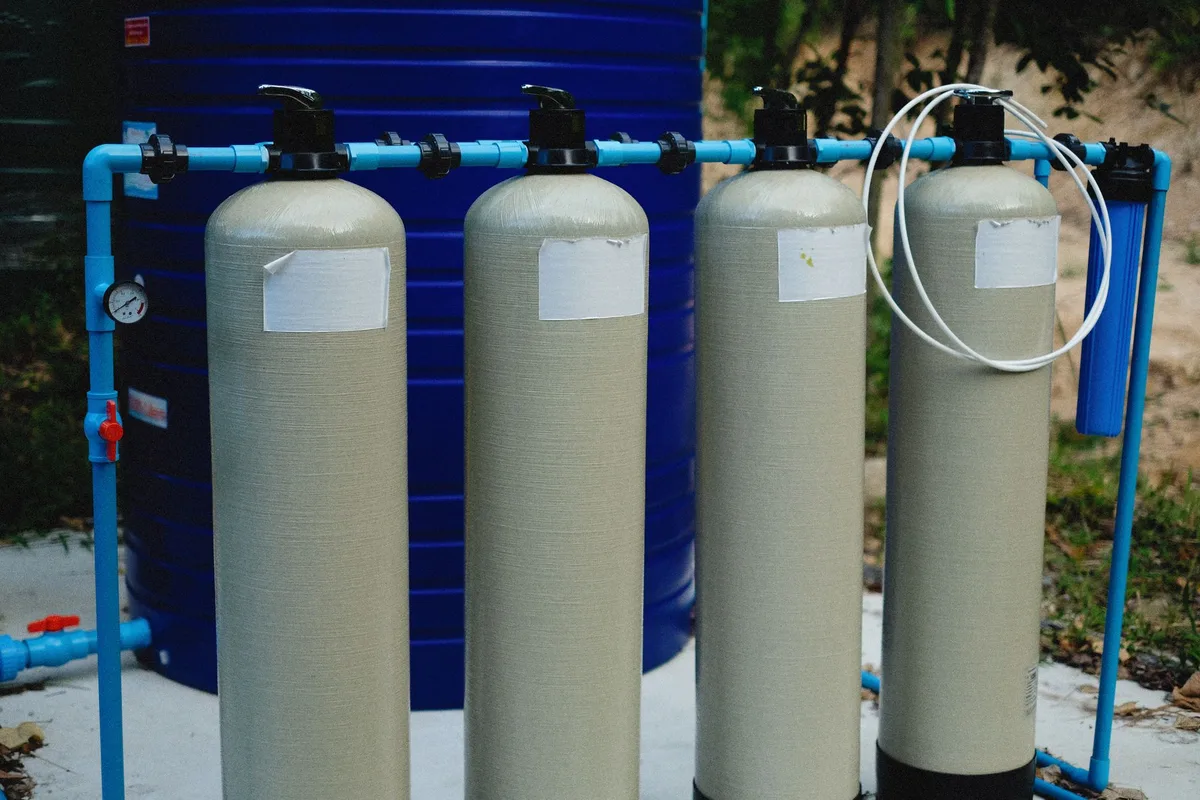
Here’s a quick comparison of what different filter types typically address:
- Activated Carbon Filters: These are great for improving taste and odor by reducing chlorine and certain volatile organic compounds (VOCs). They are simple, affordable, and common in pitchers and faucet attachments. However, they don't remove dissolved solids, heavy metals, or most minerals.
- Ceramic Filters: Often used for their ability to filter out sediment, bacteria, and cysts. They can be long-lasting and reusable but have a slower flow rate and don't remove dissolved chemicals or heavy metals.
- Ultrafiltration (UF) Systems: UF filters are a step up from carbon and ceramic, capable of removing bacteria, viruses, and larger organic molecules without wasting water or removing beneficial minerals. However, they don't typically remove dissolved solids or very small contaminants as effectively as RO.
- Reverse Osmosis (RO) Systems: As we've discussed, RO is the most thorough. It removes a vast range of contaminants, including dissolved solids and many heavy metals, but at the cost of water waste and mineral removal.
If your primary concern is simply improving the taste and smell of tap water, an activated carbon filter might suffice. If you're worried about specific biological contaminants or want to retain minerals, UF could be a good fit. But for comprehensive removal of a broad spectrum of impurities, RO is generally considered the most potent option for home use.
Who Is RO Water Best For? Finding Your Fit
An RO water filter system isn't a one-size-fits-all solution. It's most beneficial for households that have specific concerns about their tap water quality or those who prioritize the highest level of purity. If your tap water source is known to contain certain contaminants, or if you have a family member with a compromised immune system where very pure water is recommended, an RO system warrants serious consideration.
It’s an excellent choice if you're facing issues like:
- High levels of dissolved solids impacting taste or health.
- Presence of heavy metals such as lead or arsenic, which can leach from old pipes.
- Concerns about nitrates or other chemical runoff.
- Desire for an extremely clean, neutral-tasting water base for drinking and cooking.
However, if your local water quality report shows your tap water is already excellent and tastes good, or if you're keen on retaining the natural mineral content of your water, a simpler filtration method might be a better, more sustainable choice.
Common Mistakes When Choosing or Using an RO Filter
When people decide on an RO system, a few common missteps can lead to disappointment or reduced performance. One big one is overlooking the water waste aspect. Many assume all filters are created equal in terms of water consumption, but RO's process inherently requires flushing some water to maintain membrane efficiency.
Another common error is skimping on pre-filtration. The RO membrane is sensitive, and without adequate pre-filtering to remove sediment and chlorine, its lifespan can be significantly shortened. Manufacturer specifications often detail ideal pre-filter requirements, and ignoring these can lead to premature membrane failure and higher replacement costs down the line.
- Ignoring Water Waste: Not factoring in the water used for flushing can lead to higher utility bills than expected.
- Skipping Pre-Filtration: This is crucial for membrane health. Systems with inadequate pre-filters will lead to premature failure.
- Infrequent Maintenance: Not replacing filters and the RO membrane on schedule means the system's performance degrades, and it becomes less effective. As of 2026, most manufacturers recommend membrane replacement every 2-5 years, depending on water quality and usage.
- Not Testing Your Water: Installing an RO system without knowing what’s in your water means you might be over-filtering or not addressing the specific contaminants you're most concerned about.
The Nitty-Gritty: RO Water Facts and Figures
When you're looking at RO systems, the specs can seem a bit technical, but understanding a few key numbers can really clarify things. The most talked-about figure is usually the water waste ratio. This tells you how much water is sent to drain for every gallon of purified water you get. It typically ranges from 1:1 in highly efficient systems to as much as 4:1 or even 5:1 in older or less advanced models.
Manufacturers are increasingly focused on improving this, so it’s worth checking the latest specifications.
Another important metric is the TDS (Total Dissolved Solids) reduction. This measures how much of the dissolved stuff in your water is removed. Top-tier RO systems can boast a reduction of 98-99%. This means if your tap water has 500 ppm (parts per million) of dissolved solids, you might get water with only 5-10 ppm after RO filtration.
Here's a quick look at some typical figures you might see:
| Feature | Typical Range / Value | Notes |
|---|---|---|
| TDS Reduction | 90% – 99% | Highly dependent on membrane quality and water conditions. |
| Water Waste Ratio | 1:1 to 5:1 (pure water : wastewater) | Newer systems aim for lower waste ratios. |
| Flow Rate | 0.5 – 1 gallon per minute (from storage tank) | Varies based on system design, pressure, and tank size. |
| Membrane Lifespan | 2 – 5 years | Dependent on input water quality and pre-filtration effectiveness. |
| Pre-filter Lifespan | 6 – 12 months | Critical for protecting the RO membrane. |
| Storage Tank Size | 2 – 4 gallons | Affects how quickly you can fill larger containers. |
| System Cost | $200 – $1000+ (initial purchase) | Varies significantly by brand, features, and filtration stages. |
| Annual Maintenance | $100 – $300+ (filters, membrane replacement) | Ongoing cost that should be budgeted for. |
Keeping Your RO Filter Running Smoothly: Maintenance Basics
To get the best performance and lifespan out of your RO water filter, regular maintenance is key. It's not a set-and-forget appliance. The system's effectiveness directly relies on keeping its various components in good working order. Think of it like changing the oil in your car to keep the engine running smoothly.
The most frequent maintenance involves replacing the pre-filters. These usually include sediment filters and carbon filters designed to protect the RO membrane. As a general guideline, these should be changed every 6 to 12 months, or sooner if your water is particularly hard or has a lot of sediment. Manufacturer recommendations are usually found in the user manual and should be followed closely.
When Should You Replace the RO Membrane?
Replacing the RO membrane is less frequent but equally important. Typically, a membrane lasts between 2 to 5 years. However, this lifespan can be drastically reduced if the pre-filters aren't changed on time or if your incoming water has very high levels of contaminants. Signs that the membrane might be failing include a decrease in purified water output, a noticeable increase in TDS that the system can no longer reduce effectively, or if the wastewater flow seems unusually high.
Don't Forget Post-Filters and Storage Tanks
Many RO systems also include a post-filter, often another carbon filter, that polishes the water after it passes through the membrane and before it reaches your faucet. These usually need to be replaced annually. The storage tank, which holds the purified water, can also accumulate bacteria over time if not properly maintained. Some manufacturers recommend sanitizing the tank annually, especially if you notice any off-tastes or odors.
Checking your RO system's manual will provide specific guidance on filter change schedules and any recommended tank cleaning procedures for your model.
Your RO Water Filter: Final Verdict
So, after breaking down what an RO water filter is, how it works, and what to consider, the big question remains: is it the right choice for you? For households prioritizing the highest possible purity and actively seeking to remove a wide range of common and uncommon contaminants from their drinking water, an RO system is a top contender. It offers a robust solution for improving water quality, especially if you have specific concerns about heavy metals, chemicals, or dissolved solids.
However, the decision isn't just about purity. You need to weigh the benefits of exceptionally clean water against the drawbacks. This includes the water waste inherent in the process, the removal of beneficial minerals, the ongoing costs of filter and membrane replacements, and the typically slower dispensing rate. If your tap water is already quite good, or if you’re focused on sustainability and mineral retention, you might find other filtration methods more suitable.
Ultimately, understanding your local water quality and your personal priorities will guide you to the best solution for your home.