How Do You Filter Sea Water 2026
Trying to filter seawater for drinking purposes is a serious undertaking, and you can't just grab a basic faucet filter and expect it to work. The ocean is packed with dissolved salts, minerals, and tiny organisms that our bodies can't process, and simply removing the visible debris won't make it safe to consume. Getting truly potable water from the sea requires specialized methods to remove these dissolved solids.
Research confirms that untreated seawater contains roughly 35,000 parts per million (ppm) of dissolved salts, far exceeding the 500 ppm limit set by the U.S. Environmental Protection Agency (EPA) for drinking water. That's why you need specific technologies to do the job right. Let's break down what those are, and why your approach really depends on your end goal.

What's Your Goal? Drinking Water or Something Else?
Before you even think about filters, you need to be crystal clear on why you're filtering seawater. This single question dictates the methods you'll consider and, more importantly, the safety precautions you must take. Are you aiming to have a safe, refreshing drink from the ocean, or do you simply need to remove floating bits for a less critical task?
If your goal is to produce potable water, water safe enough to drink without harming your health, then you're looking at a process called desalination. This is where we remove those dissolved salts and other microscopic contaminants that our bodies simply cannot handle. If, however, your needs are less stringent, like cleaning equipment or preparing fish after a catch, simpler filtration might suffice.
Making Seawater Drinkable: The Stakes Are High
When folks talk about "filtering" seawater for drinking, they usually mean desalination. This isn't just about making the water clear; it's about removing nearly all the dissolved solids, especially sodium chloride (table salt).
Manufacturer specifications for most commercial desalination systems aim for a Total Dissolved Solids (TDS) reduction of over 98%. This is critical because, as noted earlier, drinking water with TDS levels consistently above 500 ppm can lead to significant health issues, primarily dehydration and kidney strain, as your body struggles to expel the excess salt.
How Distillation Can Turn Seawater into Drinkable Water
Distillation is one of the oldest and most reliable ways to make seawater drinkable. Think of it as mimicking nature's own water cycle. The core idea is to heat the salty water until it turns into steam, leaving the salts and minerals behind, then cool that pure steam to collect freshwater.
It works by boiling the seawater. As it heats up, the water evaporates and turns into vapor, which is essentially pure H₂O. The salt and other dissolved solids are too heavy to evaporate with the water, so they stay in the boiling pot. This pure water vapor then rises and comes into contact with a cooler surface, where it condenses back into liquid form.
This condensed liquid is your desalinated, drinkable water.
The DIY Approach: Solar Stills
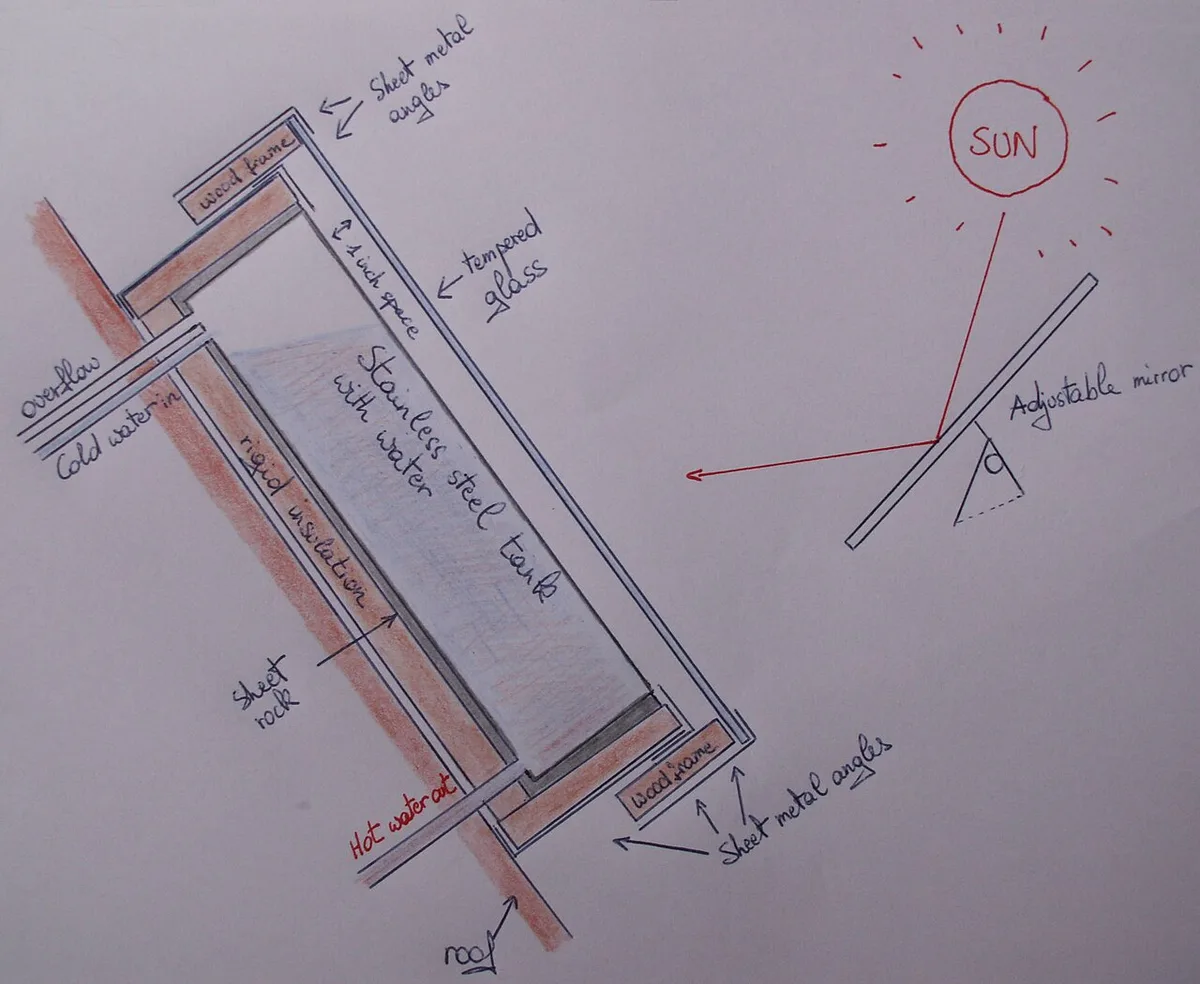
For survival situations or off-grid applications, a solar still is a viable option. These devices use the sun's energy to power the evaporation process. You typically have a basin to hold the seawater, a transparent cover (like glass or plastic) angled downwards, and a trough or channel to collect the condensed freshwater. As the sun heats the water, it evaporates, rises, condenses on the cooler underside of the cover, and then drips down into the collection trough.
While often slow, a well-designed solar still can produce drinking water without external power.
The primary benefit of distillation is its effectiveness at removing a wide range of contaminants, including salts, heavy metals, and pathogens. However, the main drawback can be the energy required if you're not using solar power, as it takes a significant amount of heat to boil water.
Reverse Osmosis: The High-Tech Way to Desalinate
Reverse Osmosis (RO) is a more modern and energy-efficient method for desalination, widely used in municipal water treatment and many home water purification systems. Unlike distillation, which uses heat, RO uses pressure to force water through a special membrane.
This isn't your everyday coffee filter. An RO membrane is a semi-permeable barrier with incredibly tiny pores designed to let water molecules pass through while blocking larger molecules and ions, such as sodium and chloride. To make this happen, you need to apply pressure to the seawater on one side of the membrane, pushing the water molecules through to the other side where the purified water collects.

How it Works in Practice
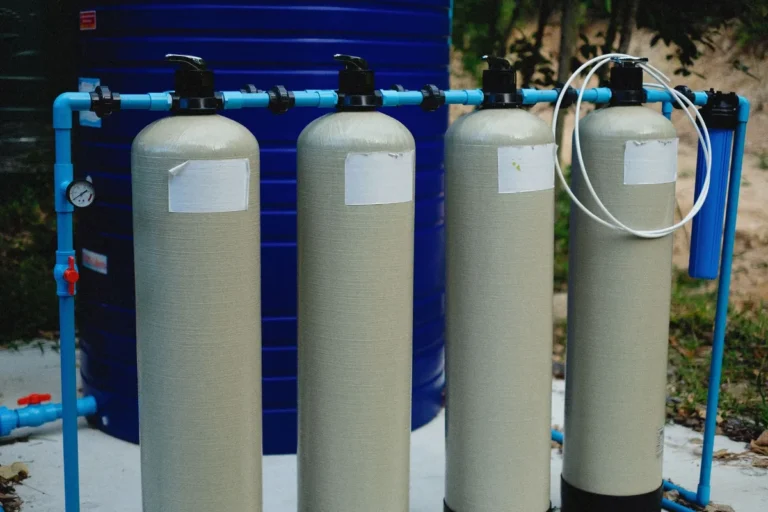
A typical RO system involves several stages. First, pre-filters usually remove sediment and larger particles to protect the delicate RO membrane from clogging. Then, this pre-treated water is pumped at high pressure through the RO membrane. The purified water (called permeate) then flows to a storage tank, while the concentrated brine (wastewater containing the removed salts and impurities) is flushed away.
The advantage of RO is its efficiency and high-quality output. Many commercial systems can achieve salt rejection rates exceeding 99%. However, RO systems can be costly to purchase and maintain, and the membranes need periodic replacement. They also require a reliable power source to generate the necessary pressure.
As of 2026, advancements in energy recovery devices have made larger RO plants more economically viable, but home units still represent a significant investment.
Simple Straining and Sediment Filters: For Non-Drinking Uses
If your need for "filtering" seawater isn't about making it safe to drink, then simpler methods come into play. You're likely looking to remove visible particles like sand, algae, small bits of plastic, or debris. For these purposes, basic physical sieving and sediment filters are perfectly adequate.
Physical sieving, also known as straining, is the most straightforward technique. Think of using a fine-mesh net, a piece of cloth, or even a colander. This method effectively catches larger, solid items suspended in the water that you can see with the naked eye. It’s often the first step in cleaning seawater for various non-potable applications.
Sediment Filters for Clarity
Sediment filters work on a similar principle but are designed to remove smaller suspended solids that a simple sieve might miss. These filters commonly use layers of sand, gravel, or specialized porous cartridges. As seawater passes through these layers, dirt, silt, and other particulate matter get trapped within the filter media.
These types of filters are excellent for improving water clarity. For instance, someone maintaining a saltwater aquarium might use a sediment filter to clean the water before it enters their main filtration system. They are also useful for rinsing equipment or preparing surfaces where a bit of salt is okay, but cloudiness is not. It’s important to remember that neither sieving nor sediment filters remove dissolved salts.
They only address the visible or suspended solids in the water.
The Challenge: Salt, Not Just Gunk
The fundamental difference between filtering seawater for drinking and for other purposes lies in what you need to remove. Most everyday water filters are designed for freshwater and focus on removing contaminants like chlorine, sediment, bacteria, and potentially some dissolved solids that affect taste or clarity. However, they are completely inadequate for tackling the high concentration of dissolved salts found in seawater.
For drinking water, the primary challenge is the astronomical salt load. As mentioned, seawater typically has around 35,000 ppm of dissolved solids. Standard freshwater filters, even those rated to remove 99% of sediment or bacteria, will do next to nothing against dissolved ions like sodium and chloride. These are not particles that can be easily strained or trapped; they are chemically bonded within the water.
When Does Basic Filtration Fall Short?
Basic filtration methods, such as using a coffee filter, a simple cloth, or even a standard sediment filter, will inevitably fall short when it comes to treating seawater for consumption. These methods are designed to capture suspended particles, things you can see and feel, like sand, dirt, or debris. They do not have the capability to separate dissolved substances like salt.
A sediment filter, for example, might be perfect for making murky pond water clearer for irrigation, but it will not remove the salt from that pond water if it's brackish. Similarly, if you have a campsite water filter rated for backcountry freshwater sources, using it on seawater will only clog the filter prematurely and will not make the water safe to drink. The pressure required for methods like Reverse Osmosis is significantly higher than what typical camping filters can generate.
Mistakes to Avoid When Treating Seawater for Drinking
The biggest mistake people make is underestimating the salt content and believing that a "filter" is a universal solution. A common error is assuming that a robust-looking portable water filter, designed for freshwater streams or lakes, can also handle seawater. This is not true. Such filters cannot remove dissolved salts.
Another critical mistake is attempting to drink improperly desalinated water. Even if you've tried a distillation method, if your setup isn't clean, or if the boiling process wasn't thorough, you could still ingest harmful bacteria or residual salts. It's crucial to ensure any system producing drinking water from the sea is properly maintained and tested to meet safety standards. For reference, the NSF/ANSI 58 standard applies to reverse osmosis systems, and it details performance requirements for TDS reduction.
Who Needs to Filter Seawater and Why?
The necessity of filtering seawater breaks down into two main categories, each with vastly different requirements and potential risks. For most people, basic filtration is about removing the obvious gunk, things like seaweed, stray plastic bits, or sand that might foul up equipment or make a surface unpleasant. This is often seen in contexts like cleaning freshly caught fish on a beach or rinsing gear used in marine environments.
However, for a smaller but critically important group, filtering seawater is about survival and health. This is when you need to tackle desalination, the process of removing dissolved salts to make the water potable. Emergency preparedness, long-term survival scenarios, or even specific off-grid living situations can put individuals in a position where accessing freshwater is impossible, and turning to the sea becomes a necessity.
Portable Desalinators: Emergency Solutions
When emergency preparedness is the focus, portable desalinators become a key piece of equipment to consider. These devices are engineered for situations where access to electricity or complex setups is unlikely, but the need for drinkable water is immediate. They offer a way to convert undrinkable seawater into a life-sustaining resource in a pinch.
These units typically employ either compact distillation or reverse osmosis technologies. Many are designed to be hand-pumped, making them independent of power sources, though battery-powered or even solar-assisted models are also available. Their primary advantage is their portability and relative ease of use compared to full-scale industrial plants. The trade-off is usually in the volume of water they can produce and the physical effort required to operate them.
What Kind of Cleanliness Do You Need?
Think about the context. If you're out on a boat and need to rinse your hands after handling bait, a quick scoop of seawater through a basic strainer is plenty. No one's going to get sick from that. But if you find yourself stranded far from any freshwater source, and your only option is the ocean, then you absolutely need a reliable desalination method.
The core difference boils down to what you're trying to achieve. Simpler filtration methods address the visible, physical contaminants. Desalination, on the other hand, tackles the invisible, dissolved elements (predominantly salt) that make seawater inherently undrinkable for humans. It requires advanced technology to change the water's chemical composition.
Expert Advice for Seawater Filtration Needs
When you’re assessing seawater filtration, whether for DIY projects or prepping for emergencies, always prioritize safety and understand the limitations of each method. Don't guess; know what each filter or system is designed to do. If a device claims to "filter" seawater, question what that truly means: is it removing sediment, or is it truly desalinating?
Ensure any system intended for drinking water has clear specifications on its salt removal capabilities, often stated as a percentage of Total Dissolved Solids (TDS) reduction. For example, the standards set by organizations like NSF International (e.g., NSF/ANSI 58 for Reverse Osmosis Systems) provide independent verification of performance. Always look for these benchmarks rather than relying solely on marketing claims.
Reputable manufacturers will clearly state the performance of their desalination units. For RO systems, this often includes the pressure required and the typical TDS reduction rate. For distillation units, it might be the energy input needed or the yield of pure water per hour. Verifying these numbers against your intended use case is crucial.
Your Seawater Filtration Decision Guide
To help you figure out the best approach, let's quickly recap the decision points. If your main goal is to make seawater drinkable, your choices narrow down significantly to distillation or reverse osmosis. These are the only reliable methods for removing dissolved salts to safe levels.
- If you need the highest assurance of purity and have a power source (or good sunlight): Reverse Osmosis or robust distillation systems are your best bet.
- If you are in a survival scenario with no power: A well-built solar still or a manual pump RO unit are your primary options, understanding that water production will be slower and more labor-intensive.
- If you only need to remove visible debris: Simple physical sieving or basic sediment filters will do the job.
Always consider the scale of your needs. Are you filtering water for a single person in an emergency, or do you need to supply a small community? The amount of water required will heavily influence the choice between large-scale industrial systems and smaller, portable units.