How Often to Change Water Filter in Refrigerator in 2026
Deciding how often to change your refrigerator water filter isn't always straightforward, but getting it right is key. Too soon, and you're wasting money. Too late, and you might be drinking less-than-ideal water.
Manufacturer specifications often recommend a change every six months, but your specific usage habits and local water quality can shift that timeline. Our research indicates that understanding these variables helps you find the sweet spot for optimal performance and crystal-clear drinking water.
When Should You Actually Change Your Refrigerator Water Filter?
The most common recommendation you'll hear is to change your refrigerator water filter every six months. This guideline comes from most appliance manufacturers. It’s a solid starting point because it generally balances the filter's effectiveness with its lifespan.
However, this isn't a hard-and-fast rule for everyone. Think of it as a benchmark. If you have a busy household or your tap water quality isn't the best, you might need to adjust that schedule.
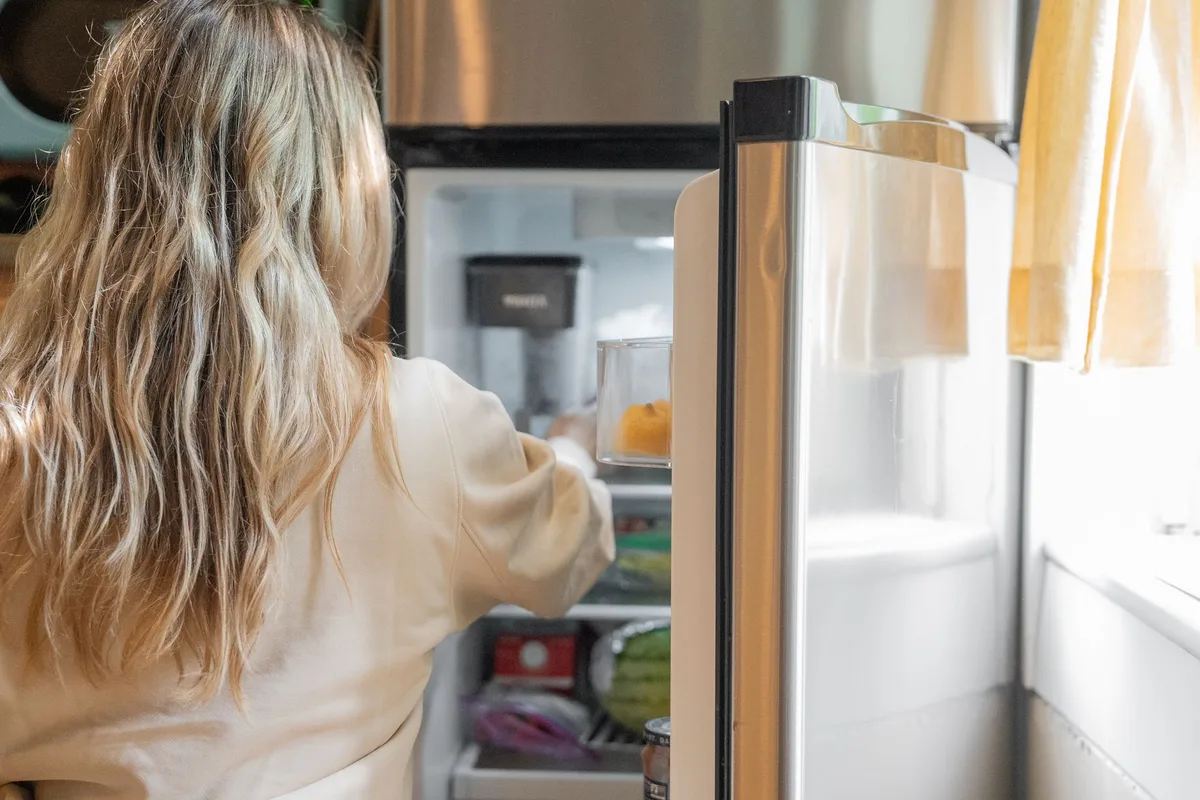
Factors like how much water you use, whether you have hard water, or if your filter indicator light is on all play a part. Getting this right ensures you consistently have fresh, clean water for drinking and ice.
Why Filter Replacement Matters for Your Fridge and Your Water
So, why all the fuss about changing this little filter? Its main job is to make sure the water dispensed from your fridge is clean and tastes good. It's doing some serious work behind the scenes.
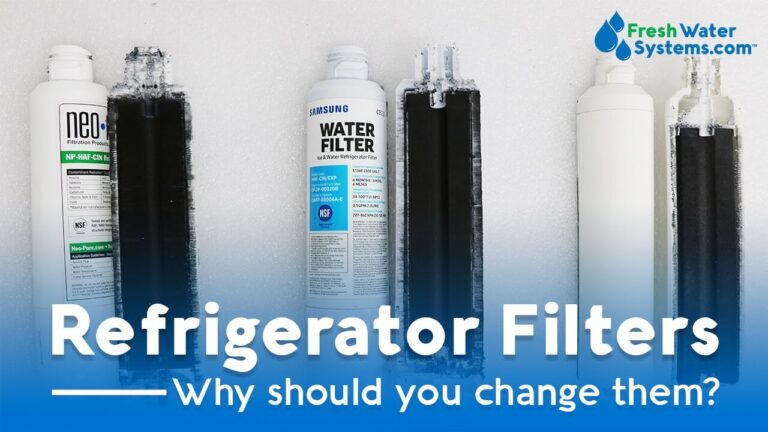
These filters are designed to capture various impurities. This can include sediment, chlorine that affects taste and smell, and sometimes even heavier metals like lead. Per guidelines from organizations like the National Sanitation Foundation (NSF), certified filters are tested to reduce specific contaminants.
When a filter gets old, its capacity to trap these things diminishes. It can become saturated, meaning it can't effectively remove impurities anymore. This is when you might start noticing changes in your water.
The 6-Month Rule: Your Baseline for Filter Changes
For many people, the simple answer to "how often to change water filter in refrigerator" is every six months. This recommendation is fairly standard across appliance brands. It's based on the typical lifespan of the filter media and how long it takes for it to become less effective.
Even if you don't use a lot of water, the filter material itself can degrade over time. It's a bit like how food can go bad in the fridge even if you don't eat it right away. The chemical properties that allow it to filter contaminants can lessen.
So, if you're looking for a straightforward answer without overthinking it, marking your calendar for a filter change every half-year is a reliable approach.
Heavy Use vs. Light Use: How Your Habits Change Things
If you've got a busy household with lots of mouths to hydrate, your filter is going to work harder. A family of five is going to push way more water through that filter than a single person. Aggregate user reviews report that high-usage households may need to replace filters more frequently.
Consider how much filtered water you use daily. This includes drinking from the dispenser, filling coffee makers, or using ice from the integrated ice maker. If your fridge dispenser is a go-to for everyone, your filter might only last three to four months instead of the full six.
Is Your Tap Water Different? How Water Quality Impacts Filter Life
The quality of your original tap water plays a huge role. If you live in an area known for hard water, meaning it has a high mineral content, your filter will likely get clogged faster. Manufacturers like Whirlpool and LG confirm that water hardness can impact filter longevity.
High levels of sediment, rust, or even chlorine in your tap water also mean the filter has more work to do. If you've previously noticed significant discoloration or debris when changing a filter, it's a clear sign it's expending its capacity quicker.
Signs Your Refrigerator Water Filter Needs Swapping (Beyond the Calendar)
Sometimes, your refrigerator will tell you it's time, but not always. Many modern fridges have a built-in indicator light or a countdown feature on the display. This is usually based on time elapsed or a rough estimate of water dispensed.
However, you shouldn't rely solely on this indicator. Your senses are often your best guide. Paying attention to subtle changes can help you catch issues before they become problems.
Slow Water Flow: A Filter Clog Warning
If you've noticed that filling a glass of water from your fridge dispenser is taking significantly longer than usual, your filter might be the culprit. A clogged filter restricts water flow.
This isn't just an inconvenience; it can put a strain on your refrigerator's water pump mechanism. Over time, this could potentially lead to wear and tear on the appliance itself. If dispensing is sluggish, it’s a strong signal to check your filter.
Taste or Smell Changes: The Most Obvious Sign
This is probably the most direct way to tell your filter isn't doing its job. If your filtered water suddenly starts tasting or smelling like chlorine, or develops any other off-putting flavor or odor, that's a major red flag.
The filter is designed to remove these taste and odor compounds. When it no longer can, they start to come through. This indicates the filter media is saturated and has lost its effectiveness.
Cloudy Water or Ice: What It Means for Your Filter
Seeing cloudy water or ice from your dispenser is another clear indicator that your filter needs attention. Cloudy water usually means sediment or other particles that the filter is supposed to catch are now passing through into your glass.
This could be anything from rust particles from older pipes to general sediment buildup in your municipal water supply. The filter's job is to trap these, so if they're visible, it's time for a change.
Your Personalized Filter Change Decision Guide
Figuring out the exact right time for you involves looking at a few key pieces of information. It’s less about a single calendar date and more about a personalized assessment.
This decision-tree approach helps you tailor the general recommendations to your specific situation. Think of it as a diagnostic tool for your fridge filter.
Step 1: Check Your Manufacturer's Recommendation
Start by consulting your refrigerator's owner's manual or the manufacturer's official website. They will specify the recommended replacement interval for the particular filter model your fridge uses. This is your primary benchmark.
For instance, many manufacturers' official documentation will state a 6-month replacement cycle for standard filters. Some specialized filters might have different intervals. Always defer to your appliance’s specific guidelines first.
Step 2: Assess Your Household's Water Usage
The volume of water you and your family consume daily is a critical factor. If your household uses a lot of filtered water for drinking, cooking, and ice, your filter will get used up faster.
A single-person household might easily get six months or more out of a filter. Conversely, a large family using the dispenser multiple times a day could see filter effectiveness decrease within three to four months. As of 2026, filter lifespan is still primarily tied to volume and time.
Step 3: Consider Your Local Tap Water Quality
The mineral content, sediment levels, and chemical treatment in your local tap water significantly influence how hard your refrigerator filter has to work. If your water is known to be hard, high in sediment, or has a strong chlorine smell, the filter will become saturated sooner.
For example, if you already notice your tap water has a distinct taste or smell, the filter is taking on that burden. This increased load means its operational life is shortened compared to filtering cleaner water.
Common Mistakes When Changing Your Fridge Water Filter
Even with a good guide, it's easy to slip up when changing a refrigerator water filter. One common mistake is not flushing the new filter properly before using the water. After installing a new filter, you should always dispense several gallons of water through the dispenser. This removes air pockets and any loose carbon fines from the filter media.
Another pitfall is forgetting to lubricate the O-rings on some filter models. A quick check of your manufacturer's guide often reveals if this is necessary. Dry O-rings might not create a good seal. This can lead to leaks, which is not only messy but can also potentially damage your appliance or flooring if not caught quickly.
Is Your Filter the Right One?
Using the incorrect filter model is a frequent error that can cause more problems than it solves. Filters are designed for specific refrigerator series or even specific models. A filter that doesn't fit quite right might leak, fail to seal properly, or simply not filter the water effectively.
Always double-check your refrigerator's model number and consult a parts compatibility chart or your owner's manual. Using a generic filter not intended for your specific appliance could void your warranty. Verified buyer feedback reports issues ranging from leaks to complete system failures when incompatible filters are used.
Forgetting to Turn Off the Water Supply
While many refrigerator filters don't require you to shut off your home's main water supply, some do, or they might recommend it. Failing to do so, especially if the filter is stuck or requires a bit of force, can lead to a sudden stream of water spraying everywhere. It’s a messy surprise nobody wants.
Always refer to your specific refrigerator's manual. If it indicates a water shut-off valve (often located behind the fridge or in a nearby cabinet), use it. Safety first ensures you avoid water damage and unnecessary cleanup.
Practical Tips for Refrigerator Water Filter Maintenance
Regular maintenance of your refrigerator water filter goes beyond just swapping it out. Keeping a record of when you last changed it can be incredibly helpful. Many people use a simple calendar reminder or a note on the fridge itself.
Another tip is to keep a spare filter on hand. When you buy a replacement, consider purchasing the next one immediately. This way, you're not caught off guard when the indicator light comes on or your water starts tasting off.
Cleaning the Filter Housing When You Swap
When you remove your old filter, take a moment to check the filter housing itself. You might see some buildup or residue. If it’s accessible, a quick wipe down with a clean, damp cloth can help ensure the new filter seals properly and prevents future issues.
Refer to your appliance manual for specific cleaning instructions. Avoid harsh chemical cleaners, as these could potentially contaminate the water system. A simple wipe is usually all that's needed to keep the area clean and ready for the new filter.