How Often to Change Zero Water Filter: Honest Picks 2026
When it comes to your drinking water, knowing exactly how often to change your Zero Water filter is crucial for purity. Settling for a static "every two months" might leave your water less pure than you think, or have you wasting perfectly good filters. Manufacturer specifications and user feedback consistently show filter life varies significantly.
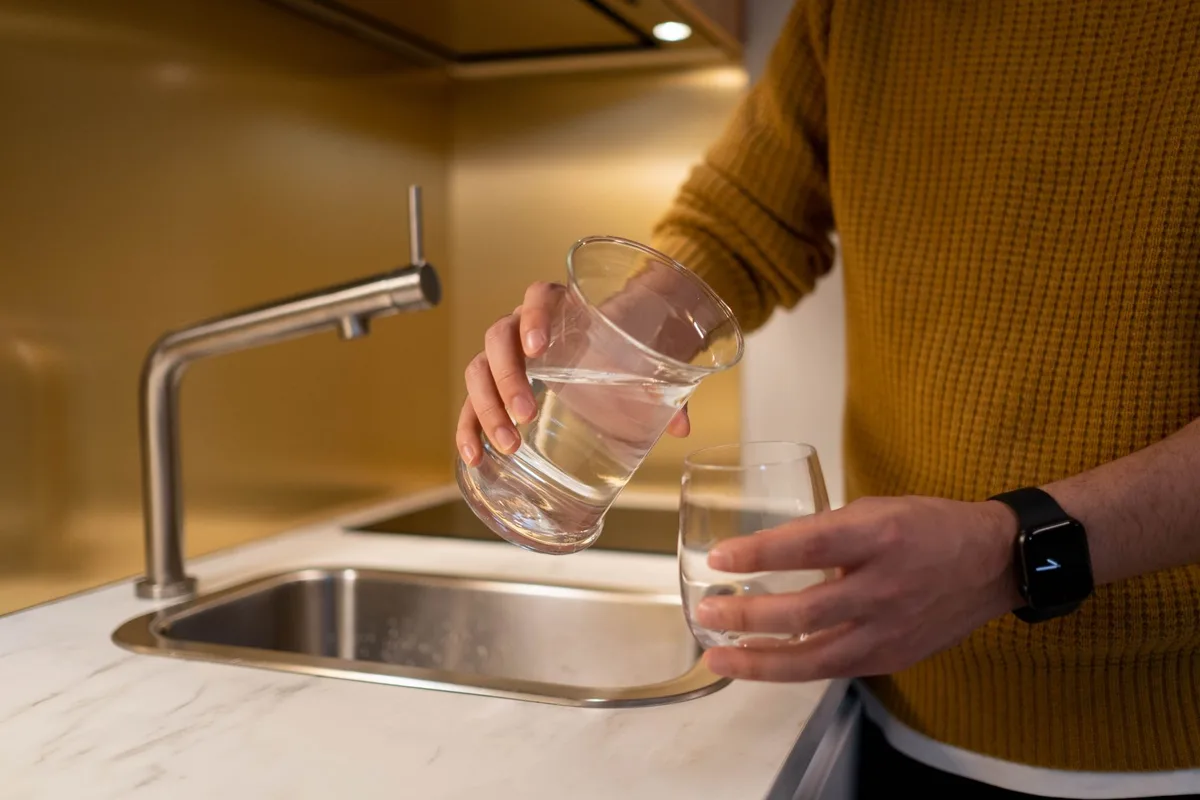
Our research confirms that understanding a few key variables can help you pinpoint the optimal time to swap your Zero Water filter, ensuring you always get that signature 0 TDS (Total Dissolved Solids) experience. TDS measures the concentration of all dissolved substances in your water, and Zero Water's system is designed to reduce this to zero.
What Really Drains Your Filter's Power?
The lifespan of your Zero Water filter isn't a fixed number; it's a dynamic outcome shaped by how you use it and the water you start with. Think of it like tires on a car, how much you drive, the road conditions, and your driving style all impact how long they last.
How Much Water Are You Actually Using?
This is your biggest lever. If your household consumes filtered water heavily for drinking, cooking, and even preparing coffee or tea, your filter will work much harder and deplete faster. A single person using the pitcher for just a few glasses a day will see a vastly different filter life than a family of four doing the same.
What's in Your Tap Water to Begin With?
The starting quality of your tap water plays a critical role. If your local water supply has a high Total Dissolved Solids (TDS) count, meaning it’s already carrying a lot of minerals, salts, or other substances, your Zero Water filter has more work to do. Manufacturer data suggests that areas with TDS readings above 100 ppm (parts per million) will naturally shorten filter life compared to areas with TDS below 50 ppm.
Is the Flow Slowing Down?
This is often the most noticeable sign that your filter is nearing its end. As the filter traps more and more dissolved solids, the pores within the filter media can become clogged. This gradually reduces the rate at which water can pass through. If your pitcher is taking significantly longer to fill than it did when new, or if the stream has become a mere trickle, it's a strong indicator that the filter is saturated.
Your TDS Meter: Your Best Friend
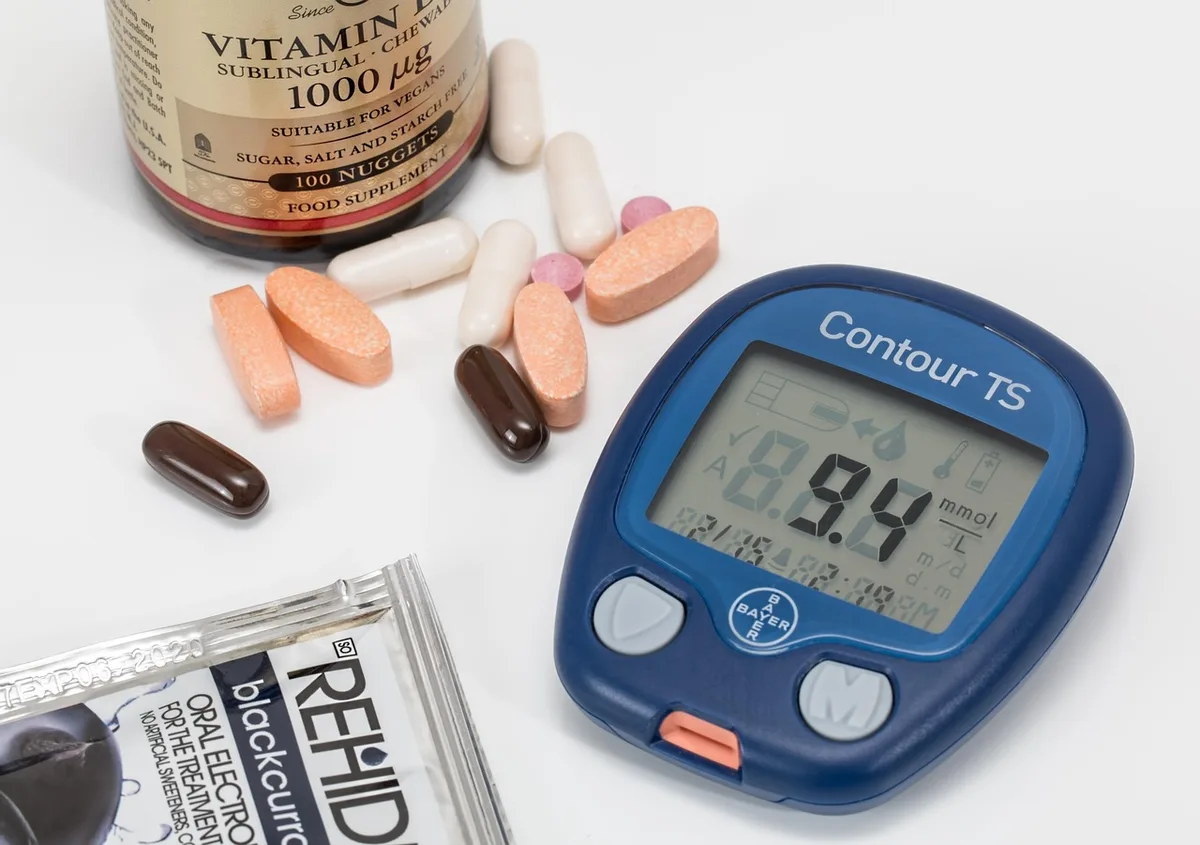
Every Zero Water pitcher comes with a TDS meter for a reason: it's the most accurate way to know when your filter is truly exhausted. When you first get your pitcher, the meter should read 0 TDS after filtering. As the filter’s capacity is used up, the TDS reading will climb. According to Zero Water's own guidelines, once the TDS reading consistently shows above 6, it's time to replace the filter to ensure you're still achieving optimal purity.
Some users, aiming for the absolute highest purity, may opt to replace filters when the TDS reading reaches 2-4, which is well within the performance parameters recommended by Zero Water for ongoing purification.
Let's Figure Out Your Filter's Lifespan: It's a Journey, Not a Race
Understanding your filter's lifespan involves a bit of practical observation and a willingness to work with the indicators your pitcher provides. It's less about adhering to a strict calendar date and more about responding to actual performance.
Start with the General Guideline
Zero Water typically recommends changing the filter every two months or after filtering approximately 40 gallons of water, whichever comes first. This 40-gallon figure is an average based on typical tap water quality and moderate household usage. It's a very useful starting point, especially if you're new to the system or if your tap water TDS is relatively low. However, as we've discussed, your specific conditions can make this guideline more, or less, applicable.
Watch That TDS Meter Closely
This simple digital meter is your irrefutable guide. It takes the guesswork out of the equation. After you've filtered a batch of water, dip the meter into the filtered water and wait for the reading to stabilize. A reading of 0 means your filter is performing perfectly.
As the filter’s capacity is used up, this number will climb. Keep a mental note or a simple log of when you notice the TDS meter climbing above 1. By 6 TDS, the filter’s ability to remove dissolved solids has diminished significantly, and it's time for a replacement.
Listen to Your Pitcher
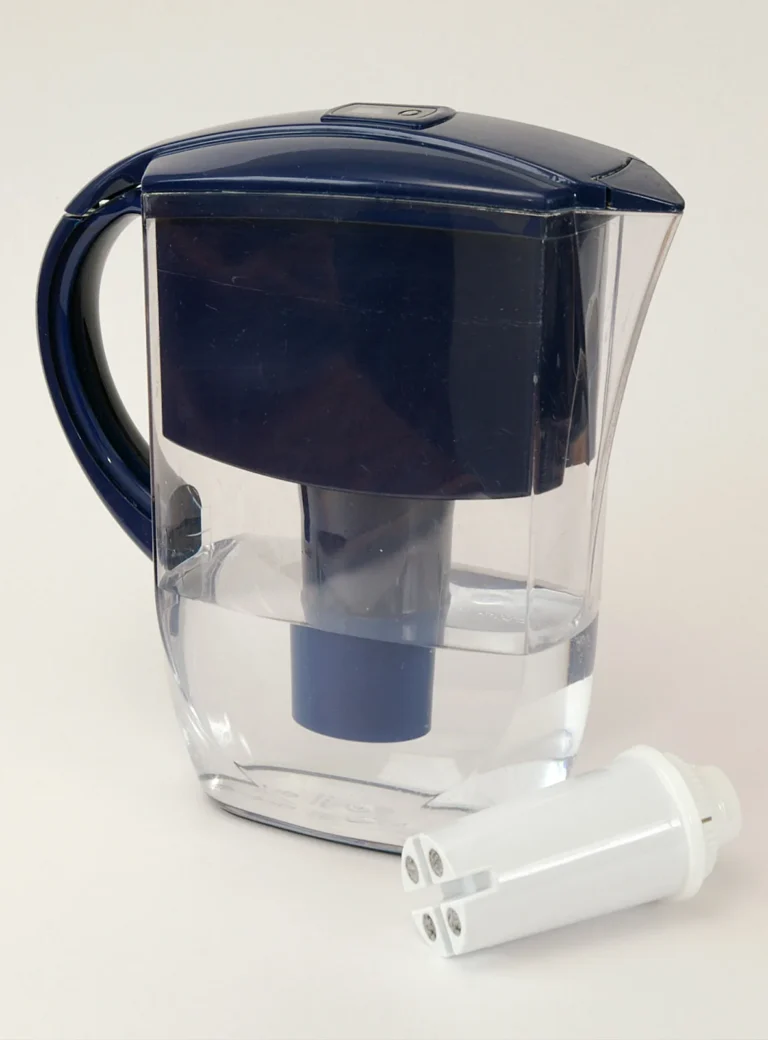
Beyond the TDS meter, the physical performance of your pitcher offers clues. If water that used to flow through quickly now takes a long time to drip into the lower chamber, the filter media is likely saturated with contaminants. This slow-down not only means the filter is at capacity but can also be frustrating for everyday use. Some users report that a dramatically reduced flow rate is a more pressing indicator for replacement than the TDS value alone, especially if they notice a flavor change.
A Quick Flowchart to Help You Decide
To make the decision process crystal clear, let's map out how to use the information we've covered. This isn't about strict rules but about making timely, informed choices.
When Has It Been 2 Months?
YES: You're approaching the general guideline. Now, check your TDS meter. Is the reading above 6?
- If YES (TDS > 6): Absolutely change the filter now.
- If NO (TDS ≤ 6): Your filter is likely still performing well. Continue using it but monitor the TDS meter more closely over the next week or two.
NO: It hasn't been two months since your last filter change. In this case, your primary indicator is the TDS meter.
- Is the TDS reading above 6? If yes, the filter needs changing due to heavy contamination or high usage, regardless of time.
- Is the TDS reading 6 or below? Then your filter is likely still good.
What's Your Daily Filtering Volume?
This question helps you anticipate how quickly you might reach the "whichever comes first" scenario.
- High Volume User (e.g., large family, heavy water drinker, use for cooking): You're more likely to hit the 40-gallon mark or notice a TDS increase towards 6 TDS before the 2-month mark. Keep a close eye on your TDS meter with frequent use.
- Moderate User (e.g., 1-2 people, primarily for drinking water): You might find the 2-month guideline is fairly accurate, or you might even exceed it if your tap water is very clean. The TDS meter remains your definitive check.
Why This Matters: It's All About Purity
Using a Zero Water filter is an investment in cleaner, purer drinking water. When the filter reaches its saturation point, its ability to effectively remove those dissolved solids plummets. This means contaminants that the filter was designed to trap can start passing through into your water. For individuals relying on purified water for health reasons, or simply for the best taste and quality, letting a filter go too long is counterproductive.
It negates the very purpose of using a high-performance system like Zero Water. According to Zero Water's own product literature, a saturated filter will no longer perform to their advertised standards, which include the removal of virtually all TDS.