How Often Should a Water Filter Be Changed: Worth Your Money
Figuring out how often to change your water filter isn't as simple as looking at a calendar date. It boils down to how you use it and what's coming out of your tap. Get it right, and you'll always have clean, great-tasting water. Get it wrong, and you might be flushing money away or, worse, drinking less-than-ideal water.
Manufacturer specifications often provide a guideline, typically suggesting replacement every 3 to 6 months or after filtering a certain number of gallons, often between 30 to 100, depending on the filter type and system. This range gives us a starting point, but your personal situation usually calls for a more nuanced approach. Let's break down what really matters to decide your filter's refresh schedule.
Your Water Filter's Lifespan: It's Not One-Size-Fits-All
Think of your water filter as a busy sponge. It's constantly working to trap unwanted stuff from your water, like sediment, chlorine, and sometimes even microscopic bits we don't want. The more water it processes, and the more impurities it has to catch, the faster that sponge gets full. Once it's saturated, it can't do its job effectively anymore.
This means that a rigid, blanket recommendation for everyone just doesn't work. Your specific needs dictate your filter's timeline.
Key Factors That Determine When to Change Your Filter
A filter's life isn't predetermined by a clock alone. Several variables play a big role in how quickly it gets used up. Understanding these factors will help you make the best decision for your home and your water quality.
How Much Water Are You Filtering?
This is probably the most significant factor. Are you getting by with just a few glasses of drinking water a day, or is your filter working overtime to supply water for cooking, making coffee, filling pet bowls, and even for your whole house? The sheer volume of water passing through the filter materials directly impacts how quickly they become saturated and less effective. Our research indicates that heavy usage can cut a filter's effective lifespan by more than half compared to light usage.
What's in Your Water to Begin With?
The quality of your source water makes a huge difference. If you're lucky enough to have incredibly clean municipal water with minimal chlorine or sediment, your filter will last a good long while. However, if your water is high in mineral content, has a lot of sediment (common with well water or older plumbing), or a strong chlorine smell, your filter is going to be working much harder. It's essentially getting filled with more "stuff" more rapidly, necessitating earlier replacement.
What Kind of Filter Do You Have?
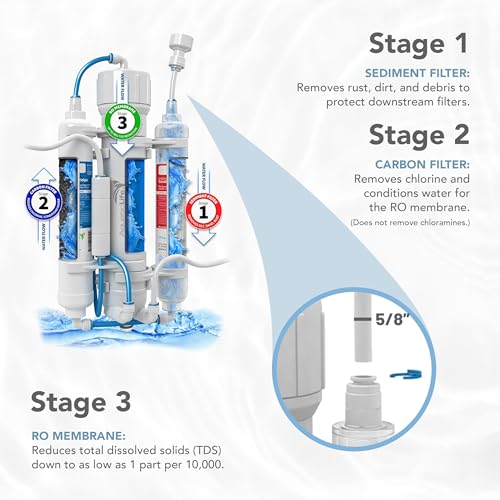
Not all water filters are created equal. A basic pitcher filter, designed primarily for taste and odor improvement, has different capabilities and lifespans than a multi-stage under-sink system that tackles a wider range of contaminants. The filter media used, the physical size of the cartridge, and the overall design of the filtration system all contribute to its rated capacity and recommended replacement frequency. For instance, a whole-house sediment pre-filter might need changing far more often than the carbon filter in your countertop pitcher.
Your Best Starting Point: Checking the Manufacturer's Guide
Every water filter comes with instructions from the people who made it, and for good reason. These manufacturers have done the testing on their specific products. They usually provide a recommended replacement interval, often stated as a timeframe (like every 6 months) or a gallon capacity (such as 100 gallons). This is your baseline.
Adhering to these guidelines, especially for newer systems, helps ensure you're maintaining optimal performance and not risking contaminant breakthrough. For example, many standard Brita® pitcher filters suggest replacement every 40 gallons or 2 months, whichever comes first.
Tracking Your Water Usage: How Much Goes Through?
To get the most accurate picture, you’ll need to keep an eye on how much water you’re actually filtering. This goes beyond just casually topping up your glass. Think about all the places filtered water is used in your home.
- Light Use: Typically a few drinking water glasses per day, maybe one pot of coffee. This could be in the range of 20-40 gallons per month.
- Moderate Use: Includes drinking water, cooking (like pasta or vegetable washing), tea, pet bowls, and perhaps a coffee maker. This might push usage to 50-100 gallons per month.
- Heavy Use: This could be a whole-house system, a large family with high consumption, or frequent use for cooking and beverage preparation. If you're filtering upwards of 100 gallons each month, your filter will be working harder and need more frequent attention.
Recognizing the Signs: Your Filter Is Talking to You
While manufacturer guidelines are important, your filter will often give you clear signals when it's time for a change, regardless of the date. Paying attention to these signs can prevent you from using a filter that's no longer effective. It’s like listening to your body; it tells you when it needs something!
Taste or Smell Changes
This is usually the most obvious indicator. If that fresh, clean taste you love starts to fade, or if you begin to detect chlorine, metallic notes, or any other off-putting flavor, it’s a strong sign the filter media is exhausted. The same applies if water that used to smell neutral now carries an odor. The filter's job is to remove these impurities, and if it’s no longer doing that, it’s time for a swap.

Slower Water Flow Rate
Have you noticed that it takes significantly longer for your faucet to fill a glass, or your pitcher to empty? A gradual decrease in water flow rate is a classic sign that the filter is becoming clogged. Sediment and other particles trapped by the filter media are physically blocking the water's path, reducing the system's efficiency. As of 2026, many flow rate tests conducted by independent labs show a drop of over 30% can indicate a filter nearing its end-of-life.
A Step-by-Step Workflow for Filter Replacement
Deciding when to swap out your water filter doesn't have to be a guessing game. By following a simple process, you can ensure you're always getting the best performance from your filtration system. It’s about combining the manufacturer's recommendations with your reality.
Step 1: Assess Your Usage & Water Quality
First, take an honest look at how you use filtered water. Are you drinking it, cooking with it, or is it for your whole house? Estimate your monthly gallon usage if possible. Then, consider your water's starting point.
Does it have a strong smell, visible particles, or a noticeable taste? Resources like your local water utility's annual water quality report can provide valuable data on your tap water composition.
Step 2: Consult Your Filter's Recommendation
Check the specific details for your filter model. Most manufacturers will state a general lifespan, either in months or in gallons filtered. This recommendation is based on the filter's material and structure, aiming to balance effectiveness with reasonable usage time. Always keep this initial guidance handy as your primary reference point.
Step 3: Monitor Performance & Signs of Wear
Don't just blindly stick to the calendar. Your filter will often give you clear signals when it's time for a change, regardless of the date. If you notice the water flow slowing down significantly, it’s a strong sign of clogging. A change in taste or smell is another critical alert.
If the water starts tasting or smelling less fresh, the filter is likely saturated and can no longer effectively remove impurities.
Step 4: Decide on the Best Replacement Time
Now, put it all together. If your usage is heavy or your water quality is poor, you'll likely need to replace the filter before the recommended timeframe or gallon limit is reached. Conversely, if your usage is light and your water is already very clean, you might be able to safely extend the interval slightly. Always prioritize the signs of reduced performance (taste, smell, flow) over a hard date.
It’s about proactive maintenance for optimal water quality.
Common Water Filter Mistakes to Avoid
One of the most common slip-ups people make is neglecting filter changes altogether, simply because they forget or it seems like too much hassle. This not only leads to the filter becoming ineffective, but it can also degrade water quality below what it was before filtration. Another mistake is not checking if the replacement filter is compatible with your specific system; using the wrong type can hinder performance or even cause damage. Many filter housings require a specific cartridge size or connection type.
Another frequent error is assuming a filter lasts forever. They have a finite capacity, and when that capacity is reached, they stop working. Manufacturers' specifications are crucial here, often based on rigorous testing for contaminant reduction and filter media saturation. Ignoring these can mean you're essentially paying for filtered water when you're not actually getting it.
It's worth noting that as of 2026, some advanced filtration standards, like NSF/ANSI 53 for health effects, have specific testing protocols that dictate filter lifespan.
Real-Life Scenarios: When Filter Changes Happen
Consider a family of four who uses a refrigerator water dispenser daily for drinking and ice. The manual recommends changing the dispenser filter every six months or 300 gallons. If they estimate they use about 50 gallons per month, they're well within the gallon limit at the six-month mark. However, if they notice the ice cubes developing a slight cloudy appearance or the water tasting less crisp after four months, they should consider an earlier change.
This proactive swap ensures consistent quality.
Now, think about someone with a well water system using a whole-house sediment filter. Well water can be unpredictable, with seasonal changes sometimes introducing more sediment. If the filter is rated for 5,000 gallons and typically lasts four months, but after a heavy spring rain, they observe a significant drop in water pressure throughout the house after only two months, it's a clear signal the sediment filter is overloaded. In this case, replacement is needed sooner to protect the rest of their plumbing and filtration stages.
Maintenance Tips for Longer Filter Life
To extend the useful life of your water filter, consistent maintenance is key. Regularly cleaning any pre-filters or screens within your system can help reduce the sediment load on your main filter cartridge, allowing it to last longer. For pitcher filters, it's often recommended to rinse the filter housing and lid before inserting a new cartridge to remove any lingering dust or debris. Always store replacement filters in a cool, dry place away from direct sunlight and strong odors, as exposure can degrade the filter media before it’s even used.
For under-sink or whole-house systems, it's also beneficial occasionally to inspect the filter housing for any leaks or unusual wear. If your filter has a flow rate indicator or a timer, make sure it's functioning correctly. Some advanced systems might even have apps or integrated indicators that alert you to replacement needs based on actual usage data rather than just time. Following these steps ensures your filter operates at its peak efficiency for as long as possible between replacements.