What Does Reverse Osmosis Water Filter Remove: No-BS Picks
You're probably wondering, "what does reverse osmosis water filter remove?" It’s a fair question, especially when you're looking at ways to make your home's water cleaner and safer. RO systems are designed to tackle a wide range of common water impurities, offering a high level of purification.
Our research indicates that these systems are incredibly effective at reducing many dissolved contaminants you might find in tap water. For instance, according to standards set by the NSF/ANSI, many certified RO systems can remove up to 99% of specific contaminants like lead and chlorine. Let's dive into precisely what that means for your drinking water.
The Real Deal on RO: What It Targets
Reverse osmosis (RO) systems are multistage filters that work by pushing water through a very fine, semi-permeable membrane. This membrane acts like a molecular sieve, blocking a broad spectrum of impurities while allowing purified water to pass through. It's this membrane's incredibly small pore size that’s key to its effectiveness.
Think of it like this: most dissolved salts, minerals, heavy metals, bacteria, and viruses are too large to fit through the membrane's microscopic holes. The result is water that’s significantly purer than what you'd typically get straight from the tap.
How Reverse Osmosis Filters Work Their Magic
At its core, an RO system uses pressure to drive water against the surface of the semi-permeable membrane. This membrane is selectively permeable, meaning it allows certain molecules (like water) to pass through but blocks others. This process is called reverse osmosis because it reverses the natural osmosis process, forcing water from a concentrated solution (your tap water) to a less concentrated one (purified water).
Most RO systems include several stages:
- Pre-filters: These typically include sediment filters to catch larger particles like sand and rust, and activated carbon filters to remove chlorine and certain organic chemicals that could damage the RO membrane or affect taste.
- RO Membrane: This is the heart of the system, where the actual reverse osmosis process happens. It separates impurities from the water molecules.
- Post-filter: Often another carbon filter, this stage polishes the water, removing any lingering tastes or odors before it reaches your glass.
- Storage Tank: Because the RO process is slow, a tank is usually included to store purified water, ready for use.
Tackling the Tough Stuff: Key Contaminants RO Removes
The primary reason many people choose RO filtration is its impressive ability to remove a vast array of unwanted substances from their drinking water. These systems go beyond basic filtration, targeting dissolved impurities that other filters might miss.
Heavy Metals: Lead, Arsenic, and More
Heavy metals are a significant concern for drinking water quality due to their toxicity, even at low levels. RO systems are highly effective at reducing many of these dangerous elements.

- Lead: Even low levels of lead in drinking water can cause serious health problems, especially in children. RO membranes can reduce lead by up to 99%.
- Arsenic: This naturally occurring metalloid is a known carcinogen and can be present in groundwater. RO filtration is a proven method for significantly reducing arsenic levels.
- Mercury: Another toxic heavy metal, mercury can affect the nervous system. RO systems are effective at removing it.
- Cadmium and Chromium: These metals, often found in industrial discharge, are also targeted by RO filtration.
These reductions are critical for public health, particularly in older homes with lead pipes or in areas where local water sources may be affected by industrial or agricultural runoff.
Microorganisms: Bacteria, Viruses, and the Like
Ensuring your drinking water is free from harmful bacteria, viruses, and other pathogens is paramount. RO systems provide a robust barrier against these microscopic threats.
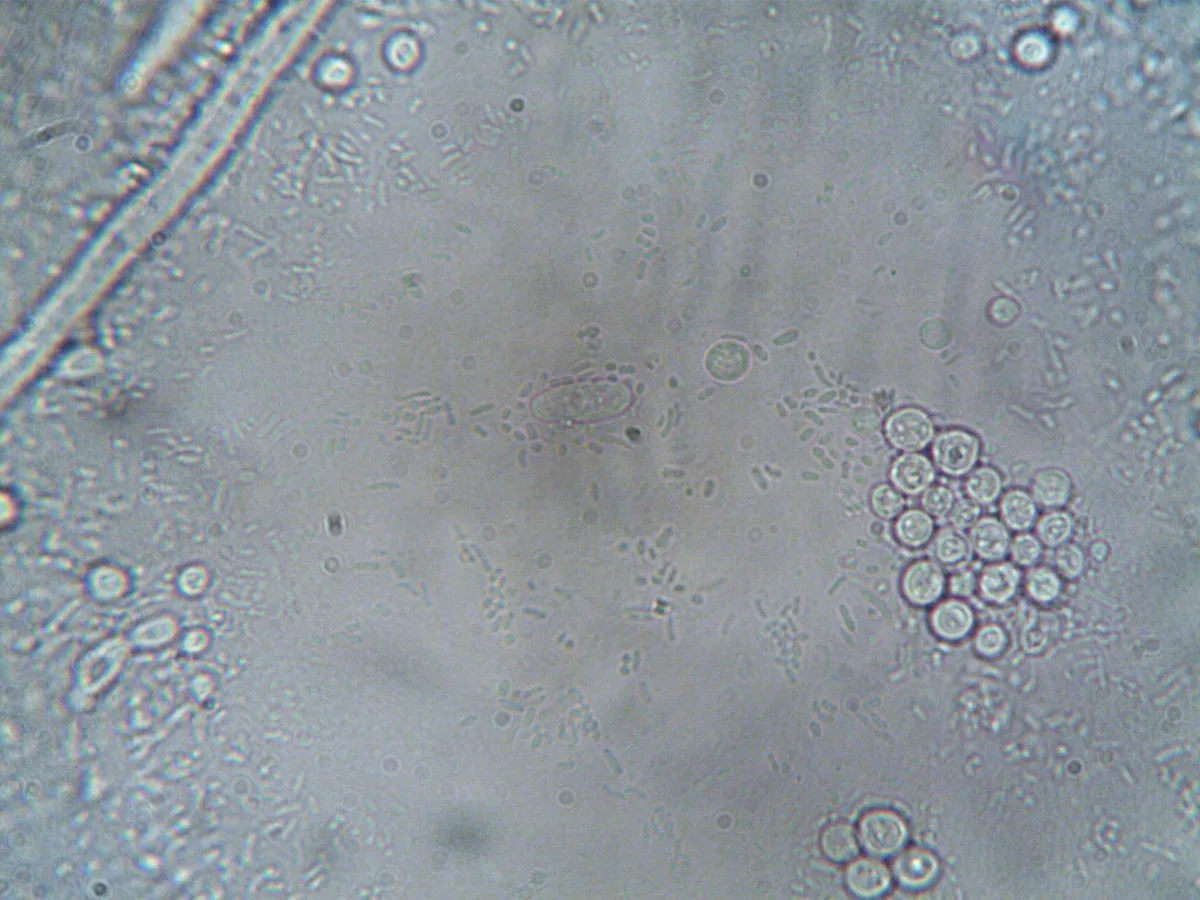
- Bacteria: Pathogenic bacteria like E. coli and Salmonella can cause severe gastrointestinal illnesses. The fine pores of an RO membrane effectively block these microorganisms.
- Viruses: Viruses are much smaller than bacteria, but RO membranes are typically small enough to capture many of them.
- Protozoa: Organisms like Giardia and Cryptosporidium, which can cause diarrheal diseases, are also effectively removed by RO filtration.
This level of microbial removal is a key reason RO systems are often recommended for improving the safety of well water or public water supplies that may be at risk of contamination.
Dissolved Solids: From Hardness to Other Salts
Total Dissolved Solids (TDS) refers to any inorganic or organic substance dissolved in water. High TDS can affect taste and indicate the presence of various minerals and salts. RO systems excel at reducing TDS.
- Minerals: Calcium and magnesium, the primary culprits behind hard water, are effectively removed. This means fewer soap scums, less limescale buildup in appliances, and potentially better-tasting water.
- Salts: Dissolved salts like sodium chloride are also filtered out, which can be beneficial for individuals managing their salt intake.
- Other Inorganic Compounds: Various other dissolved inorganic substances that contribute to TDS are significantly reduced.
For reference, the EPA has established a secondary standard for TDS, recommending a level below 500 milligrams per liter (mg/L) for aesthetic reasons (taste, odor, color). Certified RO systems can often bring TDS levels down to below 50 mg/L.
Chemicals and Other Undesirables
Beyond metals and microorganisms, RO systems can tackle a range of chemical contaminants commonly found in water supplies.
- Chlorine: While pre-filters handle much of the chlorine, the RO membrane itself can further reduce residual amounts, which is great for improving taste and smell.
- Nitrates and Sulfates: These are often found in agricultural runoff and can be harmful in high concentrations. RO filtration is effective for their removal.
- Pesticides and Herbicides: Many common agricultural chemicals that may find their way into water sources can be significantly reduced by RO systems.
- Fluoride: For those who prefer to control their fluoride intake, RO membranes effectively remove it from the water supply.
The effectiveness against specific chemicals can vary, and it's always wise to check a filter’s certification for the contaminants you’re most concerned about.