How Often to Change Water Filter for Well 2026
Figuring out exactly how often to change your well water filter can feel like a guessing game, but it doesn't have to be. Getting this right is crucial for both your peace of mind and the health of your home's plumbing. If you notice changes in water pressure, taste, or odor, your filter is a prime suspect.
Manufacturer specifications often suggest a general timeframe, but actual performance varies greatly. For instance, many whole-house sediment filters are rated for 3, 6 months, but this can be significantly shorter if your well water has high levels of sediment. Our research indicates that understanding a few key variables can help you pinpoint the best change schedule for your specific well.
Understanding Your Well Water Filter's Lifespan
Why There Isn't Just One Answer
There's no single calendar date that works for everyone when it comes to changing your well water filter. The biggest reason is that every well is unique. What's happening beneath the surface can bring different types of sediment, minerals, or even microscopic organisms into your water.
On top of that, how much water your household uses plays a massive role. A busy family of five will stress a filter much faster than a single individual. What we found is that setting a strict, universal schedule often leads to either premature replacements (wasting money) or filters that are long past their prime (risking water quality).
Key Factors That Affect Filter Changes
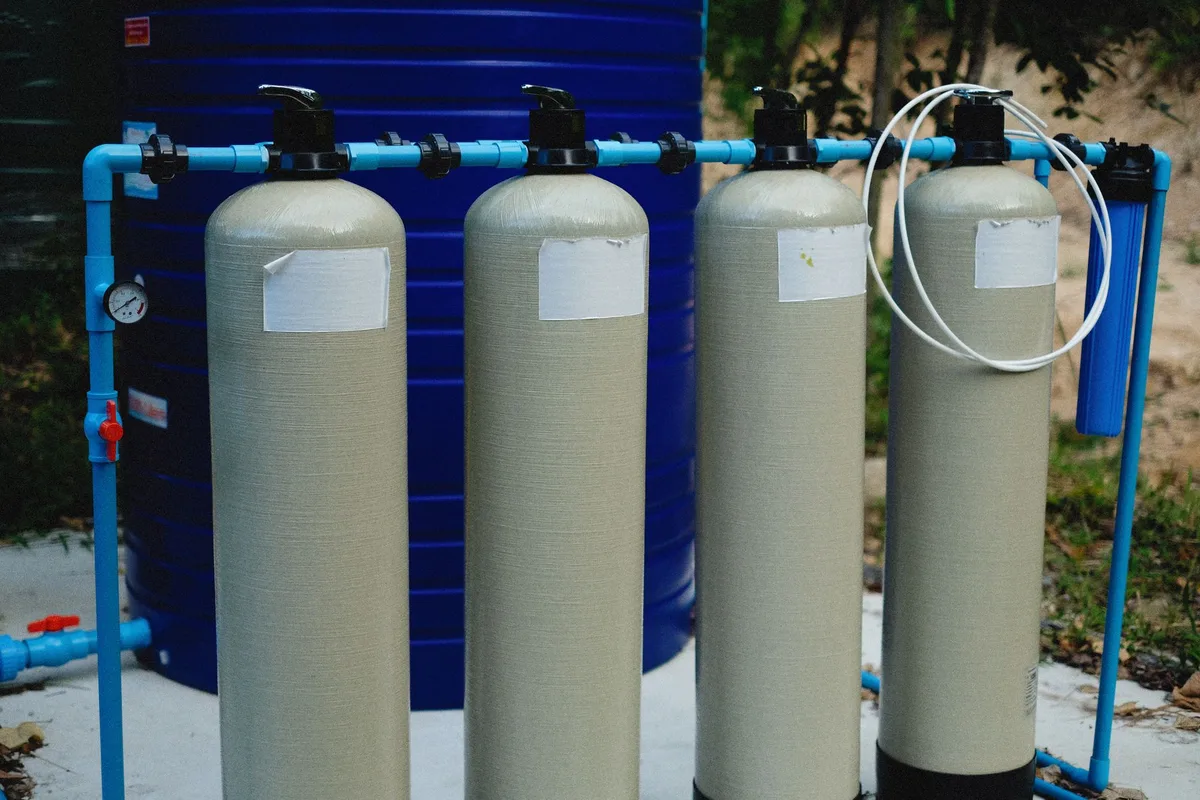
Several elements directly influence how long your well water filter will effectively do its job. These aren't just minor details; they can cut a filter's lifespan in half or even more.
- Water Usage: This is perhaps the most significant factor. The more water that passes through your filter, the quicker its pores will clog or its media will become exhausted. Think about how many showers you take, how often laundry runs, and how many times the toilet flushes daily.
- Water Quality: The level and type of contaminants in your well water are critical. High levels of sediment (like sand or silt), iron, or manganese will drastically shorten the life of a filter designed to capture them.
- Filter Type and Micron Rating: Different filters are built for different jobs. A high-efficiency carbon block filter might last longer for taste and odor issues than a basic spun polypropylene sediment filter battling heavy silt. The micron rating (a measure of pore size) also matters; finer filters capture smaller particles but can also clog more rapidly.
- System Design: How your overall filtration system is set up, including pre-filters and post-filters, can also impact the lifespan of individual components.
Signs Your Well Water Filter Needs Replacing
If you're unsure when it's time to swap out your filter, your water itself will give you plenty of clues. These are the signals to watch for, as your filter is hard at work (or failing to work) behind the scenes.
Drop in Water Pressure: The Most Obvious Clue
One of the most common and immediate signs that your well water filter is clogged is a noticeable dip in water pressure throughout your home. When sediment, rust, or other particles build up inside the filter media, they create a sort of dam, restricting the flow of water. This means everything from your showerhead to your kitchen faucet will feel weaker.
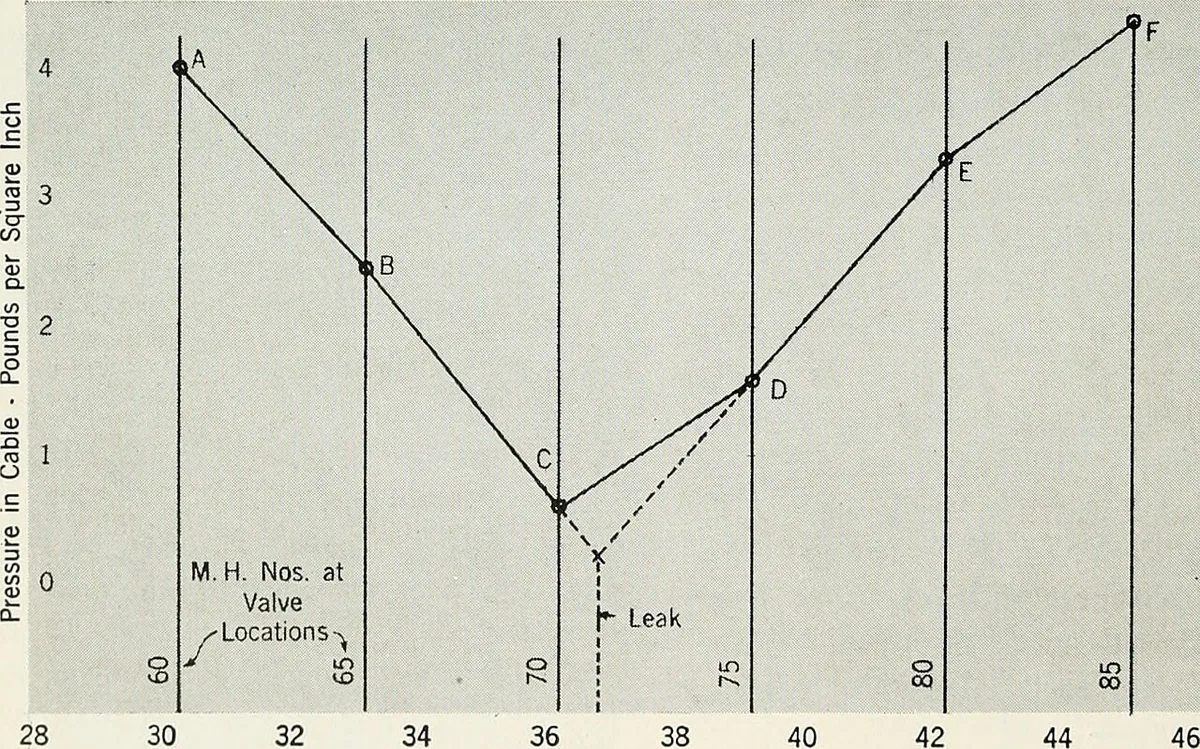
Aggregate user reviews report that a sudden or gradual decrease in water pressure, especially when multiple fixtures are affected simultaneously, strongly indicates a saturated filter. This isn't just an inconvenience; low pressure can also signal that the filter is nearing the end of its functional life and may soon fail to remove contaminants effectively.
Changes in Taste and Smell: Your Nose Knows
Your senses of taste and smell are surprisingly good indicators of water quality. If water that used to taste clean and fresh suddenly develops an unusual flavor or a distinct odor, your filter might be failing to do its job. This can happen for a couple of reasons: either the filter is so overwhelmed with contaminants that they're now passing through, or the filter media itself has become a breeding ground for bacteria, which can introduce off-smells.
For well water, common culprits include a "rotten egg" smell (often sulfur) or a metallic taste. Manufacturers’ specifications often note that carbon filters are particularly effective at removing these taste and odor compounds; when those capabilities diminish, the changes become apparent.
Visible Sediment: A Clear Indicator of a Clogged Filter
This is perhaps the most direct and alarming sign that your well water filter has reached its limit. If you start seeing actual particles, cloudiness, or a reddish tint in your water, it means the filter is no longer capturing these impurities.
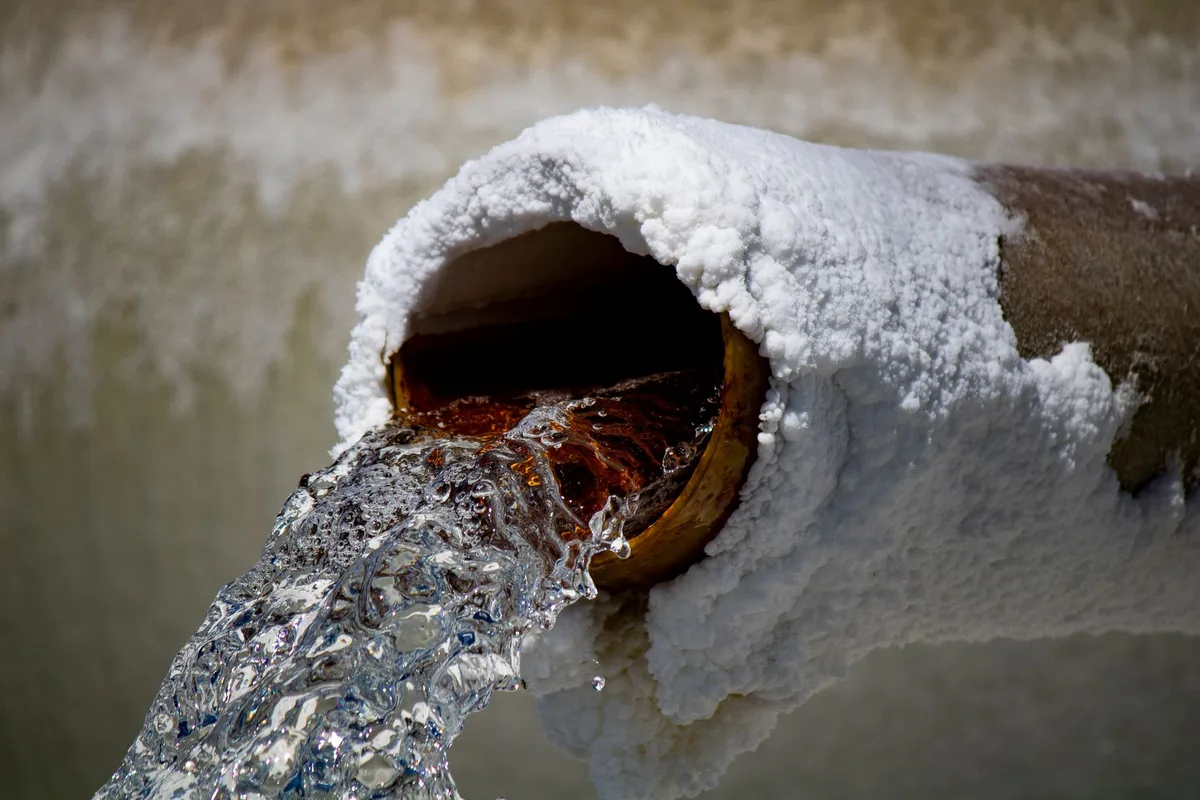
This can happen if the filter has become completely saturated and can't hold any more particles. It might also indicate that the filter housing is failing, or that the filter itself is breaking down. Per standards set by organizations like the ANSI, a filter's primary job is to remove specific contaminants, and visible sediment means it's failing this core function.
Choosing the Right Time to Change Your Filter for Your Home
Deciding when to change your well water filter involves looking at a few key pieces of information specific to your situation. It’s a process of evaluation, not just following a generic timeline.
Section 1: Assess Your Household's Water Usage
The first major step is honestly assessing how much water your household uses. Think about your family size and daily habits. A household with two adults is going to have a vastly different water demand than a family of six with teenagers who take long showers.
- Light Use (1-2 People): Typically uses less than 30 gallons per person per day. Filters will generally last longer.
- Average Use (2-4 People): Usually uses 30-50 gallons per person per day. Expect average filter life.
- Heavy Use (4+ People, large homes, frequent laundry/dishwashing): Can easily exceed 50 gallons per person per day. Filters will need more frequent attention.
Our research indicates that exceeding typical water usage patterns can significantly shorten a filter's effective lifespan by as much as 50% or more for certain types.
Section 2: Identify What's in Your Well Water
What your well water actually contains is critical. If your water report or visual inspection reveals high levels of sediment, rust, or minerals like iron and manganese, your filter will work harder and clog faster. Manufacturers like Pentair offer specific filter types designed to target these common well water issues.
A basic spun sediment filter will rapidly clog with high silt content, whereas a specialized iron filter might have a different lifespan based on the concentration of iron it's removing. Knowing your water's composition allows you to match the filter and understand its likely longevity.
Section 3: Understand Your Specific Filter Type
Different types of water filters have different mechanisms and lifespans. For well systems, you'll most commonly encounter:
- Sediment Filters: These physically trap particles like sand, silt, and rust. Their lifespan is directly related to the amount of sediment present and the filter's micron rating (finer ratings clog faster).
- Carbon Filters (GAC or Block): These adsorb (not absorb) contaminants like chlorine, volatile organic compounds (VOCs), and improve taste and odor. Their capacity to adsorb is finite, meaning they eventually become saturated and need replacement. As of 2026, extended-life carbon filters are available but still have limits.
- Specialty Filters: These target specific issues like iron, sulfur, or heavy metals. Their lifespan is dependent on the concentration of the targeted contaminant and the filter's capacity.
Knowing which type you have is key to interpreting its performance and deciding when it's time for a change.
Step-by-Step: A Filter Change Workflow for Your Well
Once you've assessed your usage and water quality, establishing a routine is key. This workflow helps you track and manage your filter changes effectively, ensuring your water quality stays consistent. It's about moving from passive observation to proactive maintenance.
Step 1: Consult Manufacturer Guidelines
Always start with the manufacturer's recommendations for your specific filter model. These guidelines, often found in the product manual or on the packaging, provide a baseline lifespan based on typical usage and filtration standards. For example, a common 5-micron spun sediment filter might be rated for 10,000 gallons or 6 months.
However, remember these are just benchmarks. Aggregate user feedback often reports significant deviations based on real-world well conditions. Manufacturer specifications on performance can offer insights, but real-world use often varies.
Step 2: Monitor Water Performance for Clues
Beyond the manufacturer's suggestion, actively monitor your water. As we've discussed, a drop in water pressure is a primary indicator. If you historically get 60 PSI and suddenly notice it dropping to 40 PSI, that's your filter telling you it's struggling to let water through.
Similarly, changes in taste or smell, or the reappearance of visible sediment, are critical performance indicators. Editorial analysis of user feedback suggests that for wells with moderate sediment, filters might need changing every 2-3 months, significantly sooner than the 6-month recommendation in some cases.
Step 3: Keep a Log for Smarter Changes
To truly optimize your filter changes, start keeping a simple log. This doesn't need to be complicated. Record the date you installed a new filter, and note any observations you make about water pressure, taste, or odor between changes.
Over time, you'll develop a personalized schedule. For instance, you might notice that exactly 110 days after installation, your shower pressure takes a noticeable hit. This real-world data is far more valuable than a static recommendation. Many filter housing kits are designed for ease of replacement, making this a manageable task.
Common Mistakes to Avoid with Well Water Filters
Making a few common errors can lead to poor water quality, unnecessary costs, or even damage to your filtration system. Being aware of these pitfalls can help you manage your well water filter more effectively.
Guessing When to Replace
The most frequent mistake is simply guessing when to replace the filter based on an arbitrary schedule, like "every six months," without considering your actual usage or water conditions. This often results in filters being changed too early, wasting money on perfectly good cartridges. Conversely, it can lead to filters being left in place far too long, becoming breeding grounds for bacteria or failing to remove contaminants.
Ignoring Warning Signs Like Pressure Drops
Many homeowners overlook subtle changes in their water. If you become accustomed to slightly lower water pressure or a faint odor, you might not realize your filter is already compromised. Manufacturer specifications on filter performance often include pressure drop limits (e.g., not exceeding a 10 PSI drop across the filter). Ignoring these signs means you're not getting the full benefit of your filtration system.
Using the Wrong Type of Filter
Another oversight is using a generic filter when your well water has specific issues. A simple sediment filter won't do much for sulfur odor, and a carbon filter won't remove high levels of iron. Choosing a filter based solely on price or availability without understanding your water's unique composition means you're likely not addressing the real problems, and the filter will be overloaded or ineffective.
Expert Tips for Optimizing Your Well Water Filter
To get the most performance and lifespan out of your well water filtration system, a few tried-and-true practices can make a big difference. These tips go beyond basic replacement and focus on maximizing your investment.
Regular Inspections Are Key
Don't wait for a major red flag like complete pressure loss. Make it a habit to visually inspect your filter housing during monthly checks. Look for any signs of leaks, corrosion, or unusual buildup around the seals. If you can safely unscrew the housing (after shutting off the water and releasing pressure), take a quick look at the filter cartridge itself.
A filter that looks uniformly dark and compacted is likely nearing its end. If you see uneven clogging or channeling, it might indicate flow issues or a problem with how the filter is seated. This proactive visual check can often alert you to problems before they become serious.
Knowing Your Well's Unique Needs
The best advice from any water treatment professional is to truly understand your specific well water. This often means getting a comprehensive water test done periodically. Agencies like the EPA provide resources on well water testing and what common contaminants to look for.
This testing isn't just for bacteria; it identifies mineral content, sediment levels, and potential chemical presence. Armed with this data, you can select the most appropriate filtration media and better predict your filter's lifespan. You might learn that your iron levels are high, meaning you need an iron-specific filter or a multi-stage system to protect your main sediment or carbon filters.
When to Reconsider Your Filtration System
Sometimes, even with diligent filter changes and careful monitoring, your existing system might not be cutting it. There are clear signs that indicate it's time to re-evaluate your entire filtration setup, not just individual cartridges.
If Problems Persist Despite Regular Changes
Are you still experiencing low water pressure, bad tastes, or odors even after regularly replacing your filters according to your log and manufacturer advice? This is a strong signal that the filters you're using might not be suitable for the contaminants present, or that the problem is more complex than a simple clog. For example, continuous sulfur smells might require a whole-house sulfur filter or an oxidizing system, not just a carbon filter.
The filter itself might be getting overwhelmed before its rated capacity is reached, indicating a flaw in your filter selection or the presence of a contaminant it wasn't designed to handle. This is where understanding specific filtration technologies becomes important.
When Dealing with Complex Contaminants
Some contaminants require more than just a basic sediment or carbon filter. If your water test reveals issues like high levels of nitrates, arsenic, or dissolved solids, you'll need specialized filtration solutions like reverse osmosis, ion exchange, or specific media filters. In these cases, simply replacing a pre-filter more often won't solve the core problem.
These advanced systems often have their own maintenance schedules and replacement components for various stages. For instance, a reverse osmosis system typically has multiple filters and a membrane that all need attention at different intervals. Evaluating your overall system ensures you're addressing the root cause, rather than just treating the symptoms of a larger issue.