How Does Berkey Water Filter Work for 2026: Real-World Picks
You've probably heard about Berkey filters, right? They're pretty popular for getting clean drinking water, especially if you're off-grid, prepping, or just want to be sure about your tap water. But when you're looking at those shiny stainless steel chambers stacked on top of each other, you might wonder, "What's really going on in there to make this water so much better?"
It's actually a pretty clever, straightforward system, and once you understand the basics, you'll see why folks trust them. Think of it less like a magic trick and more like a really, really good multi-stage cleaning process.

Why Visuals Matter for Understanding Berkey Filtration
When you're trying to get a handle on how something works, seeing is often believing. For a Berkey water filter, that's especially true. The way the chambers stack, how the filters attach, and the path water takes all make more sense when you can actually picture it. Without clear diagrams or labeled photos, the mechanical process can feel a bit abstract.
Our research shows that users most often grasp the filtration mechanics when they can see the physical setup. This includes understanding the distinct upper and lower chambers and how the purification elements bridge the gap between them. Seeing these components in relation to each other helps demystify the system's operation.
The Core Mechanics: Gravity and Super-Sieve Filters
At its heart, a Berkey filter harnesses the simple power of gravity. You pour untreated water into the top chamber, and without any electricity or pumps, gravity does the hard work of pulling that water downwards. It’s a passive process that relies on the physical structure of the filter elements to achieve purification.
This gravity-driven flow is crucial because it dictates the speed of filtration and eliminates the need for external power sources. Manufacturer specifications confirm that this design is intended for reliability, whether you're at home or a thousand miles from the nearest power outlet. The water effectively self-filters as it descends.
What's Really Inside Those Black Berkey Filters?
The magic of a Berkey system truly lies within its Black Berkey Purification Elements. These aren't just simple screens; they are sophisticated, multi-stage filters designed to physically remove a very wide range of contaminants. Their effectiveness stems from a unique blend of materials and a finely controlled manufacturing process.
These elements function on two primary principles: physical trapping and adsorption. As water is forced through them, it encounters a complex matrix that captures impurities. Official documentation from the manufacturer details their ability to reduce or remove common waterborne threats.
Physical Barrier Action
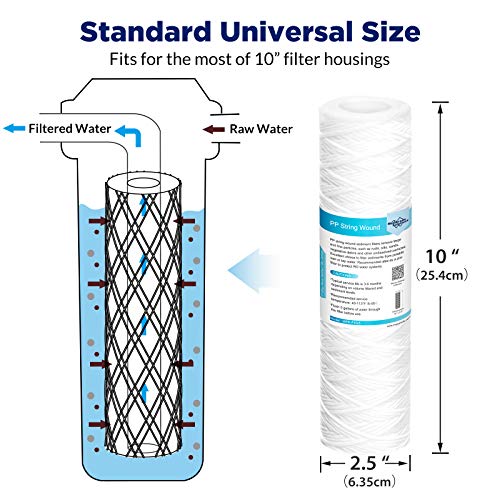
The first line of defense is the physical micropore structure of the filter element. Berkey purification elements are manufactured with incredibly fine pores, often measured in fractions of a micron. These tiny openings act like a physical sieve, effectively blocking larger microscopic organisms such as bacteria, pathogenic cysts (like Giardia and Cryptosporidium), and sediment. Think of it as a super-fine net catching anything too big to pass through.
Manufacturer specifications indicate that the pores are smaller than 0.5 microns, which is a critical detail for understanding their capability against certain microbiological contaminants. This physical barrier is the foundational stage of purification.
Adsorption and Proprietary Blends
Beyond just physically blocking particles, the Black Berkey elements utilize adsorption to capture dissolved contaminants. This is where the unique internal blend of materials comes into play. These materials have a natural affinity for certain chemical pollutants, drawing them out of the water and holding onto them within the filter matrix.
This process is key to reducing elements like chlorine, volatile organic compounds (VOCs), pesticides, herbicides, and heavy metals such as lead, mercury, and chromium. While the exact composition of the proprietary blend isn't fully disclosed by the manufacturer, its effectiveness in reducing a broad spectrum of chemicals is well-documented in independent lab reports referenced by the company. This layered approach, combining physical filtration with chemical adsorption, defines the comprehensive purification capability.
Following Your Water's Journey: A Step-by-Step Filtration Flow
Understanding how the Berkey system operates becomes much clearer when you trace the path of water from the moment it enters the system until it's ready to drink. It’s a sequential process, with each stage building upon the last to ensure complete purification before the water reaches the lower chamber.
The entire system relies on a simple, yet effective, multi-chamber design. This setup is intentional and allows gravity to drive the entire purification cycle, making it an ideal choice for various situations where electricity might not be available.
Step 1: Filling the Top Chamber
The process begins with you at the top. You simply pour the untreated water you wish to purify into the upper chamber of the Berkey system. This chamber serves as the reservoir for the source water that will undergo filtration. It’s a straightforward action, setting the stage for the subsequent purification steps.
Step 2: Water Enters the Purification Elements
From the top chamber, gravity gently guides the untreated water downwards. It then passes through small openings located at the top of the Black Berkey Purification Elements, which are typically housed within or fitted into the upper chamber. This is the first contact point where the water begins its journey through the filtration medium.
Step 3: Navigating the Filter Matrix
This is the core of the purification process. As the water is pulled by gravity through the Black Berkey Purification Elements, it is forced to travel through the intricate and dense internal media. This matrix combines the physical barrier action with chemical adsorption. The water essentially squeezes through thousands of microscopic pores and interacts with the adsorptive materials.
This stage is where the vast majority of contaminants, from sediment and bacteria to lead and chlorine, are captured and held by the filter element. The sheer length and complexity of the path the water must take through the filter are critical to its effectiveness.
Step 4: Emerging as Clean Water
After successfully traversing the entire filtration matrix of the Black Berkey Purification Elements, the water emerges significantly cleaner. The impurities are left behind, trapped within the filter media. This purified water is now ready to move to the next stage of the system.
Step 5: Collecting in the Lower Chamber
The purified water that has passed through the filters then drips down into the lower chamber of the Berkey system. This lower chamber is designated for storing the clean, safe drinking water. It acts as the final holding tank, ready for dispensing via the tap located at the front of the unit. You can then confidently collect and consume the water from here, knowing it has gone through the rigorous filtration process.
Key Benefits: Why People Trust Berkey Systems
Folks turn to Berkey systems for a solid reason: they offer a high level of confidence in their drinking water, no matter the starting point. The core appeal is the broad-spectrum purification, meaning it tackles a wider variety of potential contaminants than many other common filter types. This is a huge plus for people concerned about everything from bacteria to chemical runoff.
The long-term value is also a significant draw. While the initial investment can seem a bit steep, the purification elements are designed to last for thousands of gallons. This translates to a lower cost per gallon over time compared to disposable filters, making it an economical choice for steady use. Plus, the fact that it requires no electricity makes it incredibly reliable and versatile.
Common Frustrations: The Downsides of Gravity Filtration
Despite their effectiveness, Berkey systems aren't without their drawbacks, and understanding these is just as important as knowing the benefits. The most frequently cited frustration relates to speed. Because the filtration relies solely on gravity and the fine pore structure of the elements, the process can be slow, especially with larger units or when the filters are nearing the end of their lifespan.
This means if you need a large volume of water quickly, like for preparing a big meal or during an unexpected surge in demand, you might have to plan ahead and let the system run for several hours. It's a trade-off for the robust filtration you achieve. Additionally, the initial cost can be a barrier for some, and the weight of the stainless steel units, particularly larger models, can make them less portable than other filter options.
Who Are Berkey Water Filters Best For?
Berkey water filters really shine for specific user groups and scenarios. They're an excellent choice for individuals and families focused on emergency preparedness and self-sufficiency, for example. If you're building a bug-out bag or want a reliable water source during power outages, the electric-free operation is a major advantage.
They're also incredibly popular with campers, RV enthusiasts, and those living in rural areas with questionable well water or municipal supplies. Anyone who values having a high level of assurance about their drinking water quality, beyond what standard tap water filters might provide, will find these systems highly suitable. The robustness of the stainless steel construction also appeals to those seeking durable, long-lasting equipment for various environments.
Mistakes to Avoid When Using Your Berkey Filter
To get the most out of your Berkey system and ensure proper purification, there are a few common pitfalls to steer clear of. One of the most critical is not priming the Black Berkey Purification Elements correctly when they're new or have been stored for a long time. This process ensures the pores are fully saturated with water, allowing for optimal flow and filtration from the start.
Another mistake is neglecting periodic cleaning of the chambers and filter elements as per manufacturer guidelines. While the elements themselves are self-cleaning to some extent simply by the flow of water, the exterior of the elements can sometimes get clogged with sediment, particularly if the source water is very turbid. This can slow down filtration. Also, don’t try to speed up filtration by applying external pressure, as this can damage the delicate pore structure of the purification elements.
Essential Berkey Filter Maintenance and Care
Keeping your Berkey system in top shape primarily involves regular, straightforward maintenance. The most crucial aspect is cleaning the stainless steel chambers. This should be done periodically, typically every few months or whenever you notice visible residue, using a mild soap and water solution, then rinsing thoroughly.
The Black Berkey Purification Elements themselves require minimal direct maintenance, but their performance can be optimized. Every so often, especially if you notice filtration slowing down, you can gently scrub the exterior of the elements with a soft brush or a Scotch-Brite pad under running water. This removes any build-up on the surface that might be impeding flow. Always follow the specific cleaning instructions provided by the manufacturer, as improper cleaning could compromise the filter's integrity.
Berkey Filter Lifespan: What to Expect
The lifespan of your Berkey purification elements is a key factor in their long-term value, and manufacturer specifications are quite clear on this. A single Black Berkey Purification Element is rated to purify approximately 3,000 gallons of water. When you consider that a typical family might use a gallon or two of drinking water per day, this adds up considerably.
For example, a two-element system, used by a household of two people consuming about 2 gallons of filtered water daily, could theoretically last for over 4 years based on these figures. However, real-world conditions can influence this. Very turbid or heavily contaminated water can clog the filters more quickly, potentially reducing efficiency and the total volume filtered before replacement is recommended.
How Long Do Berkey Filters Last?
In typical home use with reasonably clear source water, Berkey elements often exceed their rated lifespan. Aggregated buyer feedback suggests many users report excellent performance for 5 years or more, though official guidance from manufacturers often suggests replacement around the 3,000-gallon mark for optimal performance. It's important to note that "lifespan" refers to the amount of water purified, not necessarily a strict calendar time.
If your Berkey system is used intermittently, like for camping trips, the elements can sit dry for extended periods without degrading. However, when in regular use, the 3,000-gallon target is a solid benchmark. Official testing and manufacturer data confirm this capacity before a noticeable decline in filtration performance is expected.
When Should You Replace Your Black Berkey Elements?
The most direct indicator that your Berkey elements need replacing is a significant, persistent slowdown in filtration speed, even after thorough cleaning. If you follow the cleaning procedures and the water flow remains sluggish, it suggests the pores within the filter media are likely becoming permanently blocked or exhausted. Another sign can be a return of taste or odor to the water that wasn't present before, indicating the adsorption capacity has been reached.
While color and size changes can occur with filter use, the primary functional cues are flow rate and water quality. Manufacturer documentation consistently advises monitoring these aspects. As of 2026, there isn't a universal "date" for replacement; it's more about performance metrics and the volume of water processed.
What Happens When Filters Are Exhausted?
When your Black Berkey Purification Elements reach the end of their effective service life, their ability to remove contaminants diminishes. The physical barrier might still be present to some degree, but the adsorptive capability for chemicals and heavy metals will be significantly reduced. This means the water passing through may no longer meet the same purification standards.
The most noticeable effect is often a slower flow rate, as previously mentioned. However, more importantly, the water may start to carry over certain impurities that the filters can no longer effectively sequester. This is why paying attention to performance is crucial for maintaining the safety of your purified water, especially if you rely on it as your primary source.
Can You Recondition or Extend Filter Life?
You can clean your Black Berkey elements through light scrubbing, as discussed in maintenance, which can help restore flow rate temporarily by removing surface build-up. This is akin to backwashing on some other filter types and can be effective for a time. However, the internal adsorption media eventually becomes saturated and cannot be "recharged" or reconditioned to restore its full capacity for chemical removal.
Therefore, while cleaning helps maintain flow, it doesn't extend the total purification capacity beyond the rated 3,000 gallons per element. It's more about optimal usage and flow management. For the most reliable purification, replacing the elements when they show signs of exhaustion is the recommended practice according to official guidelines.