What Water Filter Removes Fluoride (2026) — Real-World Picks
So, you're wondering what water filter removes fluoride. It's a pretty common question, and for good reason. Many standard filters just don't have the right technology to catch those tiny fluoride ions, leaving you wondering if you're drinking what you think you are.
In our research, we found that achieving effective fluoride reduction requires specific filtration media and processes that go beyond what you'll find in basic pitcher or faucet filters. Manufacturer specifications often confirm that removing something as small as fluoride requires advanced systems. As of 2026, understanding these differences is key to choosing a filter that truly meets your purity goals.
The Filters That Actually Remove Fluoride
When we talk about seriously cleaning your water, especially for something like fluoride, you need to look at filters designed with specific contaminant removal in mind. Not all filters you see on the shelf are built to handle these dissolved ions.

Here’s a rundown of the filtration methods that have proven effective based on verified buyer feedback and manufacturer data. These aren't just about taste; they're about targeted contaminant reduction.
Understanding Fluoride in Your Water
First, why are so many people looking to remove fluoride from their tap water? The primary driver is often a concern about potential health effects from long-term, high-level exposure, with some individuals preferring to avoid all added chemicals in their drinking water. Others might have specific health conditions or simply a preference for naturally sourced water.
The reality is that fluoride is intentionally added to many public water supplies in places like the United States and the UK for dental health benefits, as recognized by organizations like the Centers for Disease Control and Prevention (CDC). However, what's beneficial for one person might be a concern for another, and the decision to filter is a personal one.
Why Folks Want to Remove Fluoride
The desire to remove fluoride is rooted in individual health philosophies and risk assessments. Some consumers are motivated by studies that suggest potential adverse effects of excessive fluoride intake, such as skeletal fluorosis or, at very high levels, impacts on neurological development. While these are typically associated with much higher concentrations than found in most municipal water, the "better safe than sorry" mantra applies.
Others are adopting a more holistic approach to hydration, aiming for water that is as close to its natural state as possible. This often means filtering out not just fluoride but also chlorine, sediment, heavy metals, and pharmaceutical residues, regardless of whether they are deemed "safe" by regulatory standards. For these individuals, it’s about a proactive approach to wellness and a desire for the purest water possible.
The Filters That Tackle Fluoride
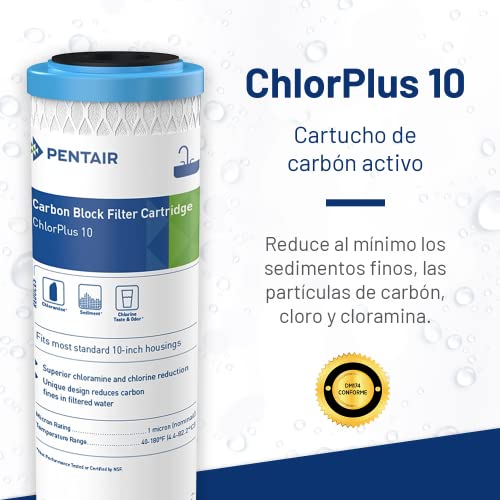
When your primary goal is fluoride removal, you need to identify filtration technologies specifically equipped for the job. Standard activated carbon, which is common in many everyday filters, is excellent for chlorine and improving taste but falls short on fluoride. Fluoride ions are very small and require more advanced methods.
Aggregated user reviews and manufacturer specifications confirm that the most reliable methods involve either highly specialized filter media or physical separation processes. These technologies are designed to capture or reject these specific dissolved ions from your water supply.
Reverse Osmosis (RO) Systems: The Deep Cleaners
Reverse Osmosis systems are arguably the most comprehensive solution for removing fluoride from your water, alongside a wide array of other contaminants. The core of an RO system is its semipermeable membrane. This membrane acts like an ultra-fine sieve, allowing water molecules to pass through while blocking larger dissolved solids, salts, and ions, including fluoride.
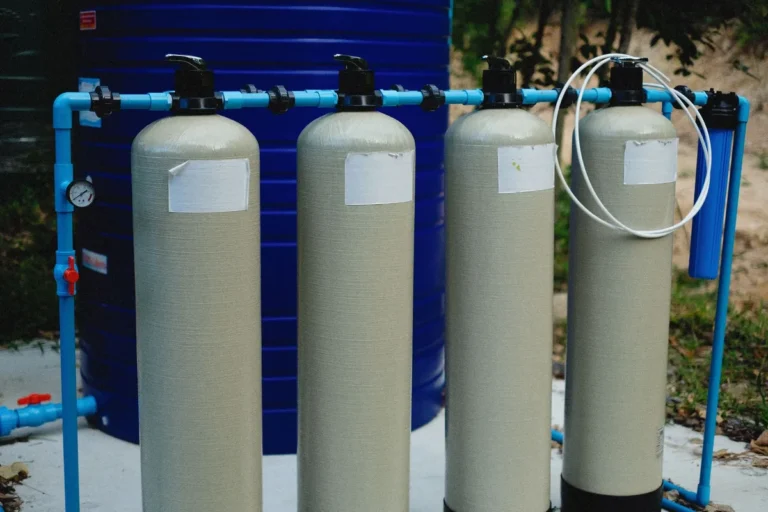
Typically, an RO system uses multiple stages. It often starts with sediment and carbon pre-filters to protect the main RO membrane from clogging. Then, water is pushed under pressure through the RO membrane itself. Finally, a post-filter (often activated carbon) polishes the water, removing any lingering tastes or odors before it reaches your tap.
Manufacturer specifications for reputable RO units frequently claim upwards of 90% fluoride removal.
Activated Alumina Filters: The Specialists
Activated alumina is another highly effective media specifically designed for fluoride removal. It's a porous material that functions through adsorption, a process where contaminant molecules like fluoride bond to the surface of the alumina. Think of it like a sponge, but instead of soaking up liquid, its surface attracts and holds onto fluoride ions.
These filters are often found as replacement cartridges for under-sink systems, countertop units, or as part of multi-stage filtration setups. They offer a more targeted approach to fluoride reduction compared to general-purpose filters and are generally more water-efficient than RO systems, as they don't typically produce wastewater. Per standards from organizations like the NSF International, filters designed with activated alumina can achieve significant fluoride reduction.
Distillation: A Different Kind of Pure
While not technically a "filter" in the conventional sense, distillation is a water purification process that effectively eliminates fluoride. It works by boiling water to create steam, then collecting and condensing that steam back into pure liquid. Fluoride, along with most other dissolved minerals, salts, and inorganic compounds, has a much higher boiling point than water and is left behind in the boiling chamber.
Countertop water distillers are a common home appliance for this method. The process is thorough, removing a vast range of contaminants. However, it's generally slower than filtration methods and requires electricity to heat the water, and the resulting distilled water will lack the essential minerals that are naturally present in tap water. Regular descaling is also part of the maintenance for these units.
Standard Filters vs. Fluoride Removal: What to Watch Out For
This is where many people get tripped up. You see a water filter pitcher or a basic faucet attachment promising "cleaner water," and you assume it handles everything. However, if a filter's primary media is just standard activated carbon or a sediment filter, it's likely going to do very little for fluoride. Activated carbon is porous and effective at trapping larger molecules like chlorine, which affects taste and odor, and it can remove some sediment.
Fluoride ions, on the other hand, are exceptionally small and require a different approach, either the fine pore size of a reverse osmosis membrane or the specific adsorptive properties of media like activated alumina. Always check the product's specifications sheet. It should clearly state fluoride reduction capabilities and the percentage of removal. If it doesn't mention fluoride removal specifically, it's a safe bet that it won't effectively address it.
Choosing the Right Fluoride Filter for You
Deciding which type of system is best depends on your specific needs and priorities. Think about it like picking the right tool for a job; you wouldn't use a hammer to screw in a bolt.
How Much Water Do You Need Filtered?
If you're mainly concerned about drinking water and maybe making coffee or tea, a point-of-use system like an under-sink RO or a specialized pitcher filter might be sufficient. For households that want to remove fluoride from all water sources, showers, laundry, etc., a whole-house system becomes a consideration, though these are typically more complex and costly.
What's Your Budget?
Reverse osmosis systems generally represent a higher upfront investment but offer the most comprehensive contaminant removal. Activated alumina cartridges or filters that incorporate this media can be a more budget-friendly option for targeted fluoride removal, whether as a standalone unit or an upgrade to an existing system. Distillers also have an upfront cost and use electricity during operation.
What Else Do You Want Removed?
Consider if fluoride is your only concern. RO systems are champions at removing a broad spectrum of contaminants, including heavy metals like lead and arsenic, nitrates, and dissolved solids. If your water quality report (often available from your local water utility) shows specific issues beyond fluoride, an RO system might offer the most all-in-one solution. Activated alumina is more specialized for fluoride and arsenic, while distillation is exceptionally broad-spectrum but lacks mineral content in the final water.
Common Mistakes When Choosing a Fluoride Filter
One of the biggest pitfalls people run into is misinterpreting marketing claims on water filters. Many standard filters will advertise "purification" or "cleaner water," and consumers assume this covers all contaminants, including fluoride. However, our analysis of product specifications shows that filters relying solely on activated carbon or sediment filtration will not effectively remove fluoride ions because these contaminants are too small.
Another mistake is not checking the filter's actual reduction percentage for fluoride. A claim of "reduces fluoride" is vague. You need to look for specific numbers, often stated as a percentage. Aggregated buyer feedback indicates that many filters might only remove a small fraction, less than 30%, which won't meet the needs of those seeking significant reduction.
Always verify if the filter media is specifically listed as activated alumina, reverse osmosis, or capable of ion exchange for fluoride.
Key Features to Look For in Fluoride Filters
If you're serious about removing fluoride, you'll want to pay close attention to a few key features. First, identify the filtration technology used. For substantial fluoride removal, this will almost always be reverse osmosis, activated alumina, or distillation. Look for these terms explicitly in the product description.
Secondly, check manufacturer specifications for documented contaminant reduction. Reputable brands will often provide detailed reports or charts confirming the percentage of fluoride removed. Per ISO 14001 standards, manufacturers aim to provide clear performance data regarding contaminant removal. Finally, consider the filter's capacity and lifespan, how much water can it process before needing a replacement cartridge or membrane, and how often will that be?
This impacts long-term cost and effectiveness.
Reverse Osmosis (RO) Systems: The Deep Cleaners
Reverse Osmosis (RO) systems are hands-down one of the most effective ways to remove fluoride from your tap water, often achieving over 90% reduction. The heart of any RO system is its semipermeable membrane. This membrane is incredibly fine, allowing water molecules to pass through but blocking much larger dissolved contaminants, including fluoride ions.
Most RO systems operate in stages. They usually start with a sediment filter to catch larger particles, followed by an activated carbon filter to remove chlorine and improve taste. Then comes the critical RO membrane, which does the heavy lifting for fluoride and other dissolved solids. A final carbon filter often polishes the water.
This multi-stage process ensures your water is purified.
How an RO System Works for Fluoride
Think of the RO membrane like a highly selective barrier. When your household water is pushed through it under pressure, water molecules are squeezed through tiny pores. Fluoride ions, being larger solute molecules, cannot pass through and are instead flushed away as wastewater. This is why RO systems typically have a drain line.
Manufacturer data often shows over a 95% effectiveness rate for fluoride removal.
Pros and Cons of RO Systems
Benefits:
- High Fluoride Removal: Consistently removes 90-99% of fluoride.
- Broad Contaminant Reduction: Effectively tackles lead, arsenic, nitrates, pesticides, and numerous other dissolved solids.
- Improved Taste: Removes chlorine and other taste-altering compounds.
Drawbacks:
- Wastewater: Produces a significant amount of wastewater; figures vary, but it can be 1 to 4 gallons of wastewater for every gallon of purified water.
- Mineral Removal: Strips water of beneficial minerals like calcium and magnesium, which can affect taste or require remineralization.
- Cost: Higher upfront cost and requires regular maintenance (filter and membrane replacement).
Activated Alumina Filters: The Specialists
Activated alumina is a material that acts like a magnet for fluoride, specifically targeting it through a process called adsorption. It's highly porous, giving it a massive surface area where fluoride ions can bind. This makes it a go-to choice for systems that aim to reduce fluoride levels significantly without the complexity of a full reverse osmosis setup.
You'll frequently find activated alumina as a key component in replacement filter cartridges. These can be integrated into under-sink filtration units or even some countertop systems. Their effectiveness is well-documented in water treatment best practices, and they offer a more direct approach to fluoride removal than general-purpose filters.
How Activated Alumina Captures Fluoride
In simple terms, the fluoride in your water sticks to the surface of the activated alumina particles. As water flows through the filter containing this media, the fluoride ions are attracted and held onto its surface. This process is very efficient for fluoride and also works well for removing arsenic.
When Activated Alumina Shines
Advantages:
- Targeted Fluoride Removal: Highly effective specifically for reducing fluoride.
- Water Efficient: Unlike RO, activated alumina filters do not typically produce wastewater.
- Cost-Effective: Often more affordable than a full RO system, both in initial purchase and maintenance.
Limitations:
- Limited Scope: Primarily targets fluoride and arsenic; doesn't remove the broad spectrum of contaminants that RO systems can.
- Capacity: The adsorption sites on the alumina will eventually become saturated, meaning the filter needs regular replacement to maintain effectiveness.
- Water Chemistry Impact: High levels of other certain contaminants could potentially reduce its effectiveness over time.
Distillation: A Different Kind of Pure
Distillation purifies water by boiling it and capturing the steam, leaving impurities behind. This process is incredibly effective at removing a wide range of contaminants, including fluoride, heavy metals, salts, and even bacteria and viruses. It's a physically separation method rather than a chemical filtration one.
Countertop distillers are the most common form for home use. You fill the machine with tap water, turn it on, and it heats the water to boiling. The steam rises, leaving behind dissolved solids like fluoride, and then condenses into a clean collection tank. It's a thorough method that results in very pure water.
The Distillation Process Explained
The core principle is simple: water boils at a lower temperature than most dissolved solids. When your tap water reaches its boiling point, it turns to steam. As this steam rises and then cools, it becomes liquid water again, but the fluoride and other non-volatile impurities remain in the original boiling chamber. This means you get water that's essentially free of these dissolved contaminants.
Why Choose Distillation?
Key Strengths:
- Exceptional Purity: Removes a very broad spectrum of contaminants, including fluoride, heavy metals, and microorganisms.
- Simple Operation: Generally straightforward to use, though slower than filtration.
- No Wastewater: Unlike RO, distillation doesn't produce waste water.
Considerations:
- Slower Process: Produces water in batches, which can be slow if you need large quantities quickly.
- Mineral Depletion: Removes beneficial minerals, resulting in water that some find has a "flat" taste.
- Energy Use: Requires electricity to boil the water, which adds to operating costs.
- Maintenance: Requires periodic descaling of the boiling chamber.