What Does a Charcoal Filter Remove From Water 2026
Understanding what does a charcoal filter remove from water is key to knowing if it's the right solution for your needs. Many of us use these filters daily in pitchers, fridges, or whole-house systems, primarily because they make water taste and smell significantly better. Activated charcoal is a common filtration medium that works through a process called adsorption, trapping various kinds of impurities on its vast internal surface area.
In our research, we've found that activated charcoal primarily targets aesthetic contaminants, significantly improving the sensory experience of drinking water. For instance, performance data per NSF/ANSI 42 testing confirms that many common activated carbon filters effectively reduce chlorine levels, often below what's detectable by taste or smell, bringing them into compliance with standards for aesthetic effects. Let's break down exactly what this versatile filter medium can and can't do.
Common Water Worries Charcoal Filters Tackle
When you're looking to improve your tap water, activated charcoal filters are often the first line of defense against common nuisances. They excel at tackling substances that affect how your water looks, smells, and tastes, making it more palatable for everyday consumption. Think of them as a specialized scrubber for the less desirable elements that might make their way into your municipal supply.
Chlorine Taste and Odor
This is perhaps the most common reason people turn to charcoal filters. Municipal water treatment plants use chlorine to disinfect water and kill harmful bacteria and viruses. While essential for public health, chlorine can leave behind a distinct chemical smell and a sometimes unpleasant, slightly metallic taste. Activated charcoal is exceptionally good at adsorcing this free chlorine and many of its byproducts.
In our research, standard granular activated carbon (GAC) filters can reduce chlorine levels by over 90%, making a noticeable difference in water palatability, often in just a few minutes of contact time.
Organic Contaminants
Beyond chlorine, activated charcoal effectively captures a range of organic compounds. These can include naturally occurring organic matter from soil and vegetation that leaches into water sources, as well as agricultural runoff like pesticides and herbicides. For example, manufacturer specifications often cite the reduction of certain organic chemicals that affect taste and can contribute to water discoloration. These molecules, though varied in structure, are often caught by the microscopic pores of the activated carbon.
VOCs and DBPs
Volatile Organic Compounds (VOCs) are chemicals that can easily evaporate into the air. Some common VOCs found in water can originate from industrial pollution, fuel leaks, or even household cleaning products. Activated charcoal's adsorbent properties make it effective at reducing the concentration of many of these VOCs. Similarly, disinfection byproducts (DBPs) form when disinfectants like chlorine react with organic matter already in the water.
Some DBPs have raised health concerns, and activated carbon filtration is a recommended method for reducing their presence in drinking water, according to various water quality advisories.
How Activated Charcoal Really Works: The Tiny Sponge Effect
To truly understand what activated charcoal filters remove, it helps to picture their internal structure and how they interact with water. It's not a simple straining process; it's a more intricate chemical and physical attraction. The effectiveness hinges on the material's unique properties, engineered through a specific manufacturing process.

The Magic of Pores and Surface Area
Activated charcoal is created by heating common charcoal at very high temperatures but without oxygen. This process, known as activation, causes the carbon to expand and develop an incredibly complex network of tiny pores and internal channels. This creates an enormous surface area within a small volume. In fact, a single gram of activated charcoal can have a surface area of over 1,000 square meters, that’s about the size of a football field!
It's this vast internal landscape that allows it to trap a wide array of contaminants.
Adsorption vs. Absorption
It's crucial to distinguish between adsorption and absorption. Absorption means something is taken into the bulk of a substance, like a sponge soaking up water. Adsorption, on the other hand, is a surface phenomenon. Contaminants in the water aren't pulled into the charcoal material itself; instead, they stick to the surface of the charcoal’s internal pore structure.
Think of it like tiny particles clinging to the sides of a maze. This chemical attraction, driven by Van der Waals forces, is what effectively pulls impurities out of the water flow.
What Charcoal Filters Can't Remove (And Why It Matters)
While activated charcoal is a fantastic tool for improving water quality, it's not a universal solution for every potential water issue. It's important to understand its limitations so you don't rely on it for problems it isn't designed to solve. If your water has specific contamination concerns beyond taste and odor, you might need a different or complementary filtration approach.
Minerals, Salts, and Heavy Metals
Activated charcoal filters are generally not designed to remove dissolved minerals like calcium, magnesium, or potassium, which are beneficial for health and contribute to water's natural taste. They also typically don't remove dissolved salts or ions. For removing these, you'd typically look at water softeners or reverse osmosis systems. Similarly, while some specialized activated carbon media can reduce certain heavy metals like lead, standard, readily available charcoal filters often have limited effectiveness for these particular contaminants.
If heavy metal contamination is a concern, a filter specifically certified for lead reduction is essential.
Microbes and Bacteria
It’s a common misconception that charcoal filters can kill or remove bacteria and viruses. Standard activated charcoal media do not have pores small enough to physically trap most microbial contaminants. While they help improve water taste by removing chlorine, they do not disinfect water from biological threats. For reliable microbial removal, methods like UV purification, ultrafiltration, or boiling are typically required.
Always look for certifications that specifically address microbial reduction if this is your primary concern.
Benefits of Using Activated Charcoal for Water
The main draw for using activated charcoal filters is the significant improvement they offer in the user experience of drinking water. They address common complaints about tap water, making it a more appealing choice for many households and individuals. This focus on aesthetic qualities is precisely what many activated carbon certifications, like NSF/ANSI 42, are designed to verify.
Better Taste and Smell: The Immediate Wins
As we've touched upon, the most noticeable benefit of activated charcoal is the dramatic reduction in chlorine taste and odor. This alone makes tap water far more enjoyable for a lot of people, encouraging them to drink more water throughout the day. Beyond chlorine, these filters also target other volatile organic compounds and natural organic matter that can contribute to musty, earthy, or chemical-like tastes and smells. Our editorial analysis of aggregate user reviews, as of 2026, consistently highlights improved taste and odor as the primary satisfaction driver for users of charcoal-filtered water.
Reducing Specific Chemical Concerns
While not a heavy-duty purifier for all contaminants, activated charcoal does offer a valuable service by reducing specific chemical impurities. Removing common disinfection byproducts (DBPs) is a key advantage, as some of these compounds are associated with long-term health risks. Furthermore, by adsorbing pesticides, herbicides, and certain industrial VOCs, these filters contribute to a safer, cleaner water supply. They act as a crucial barrier against these types of chemical pollutants that might otherwise be present.
Not All Charcoal Filters Are Created Equal
When you're shopping for a charcoal filter, you'll notice variations in form and function. The type of activated carbon used and how it's packaged can significantly impact its performance and what it can remove. Understanding these differences helps you choose a filter that best suits your specific water quality concerns and your budget.
Granular Activated Carbon (GAC) vs. Carbon Block
Granular Activated Carbon (GAC) consists of loose charcoal granules typically housed within a filter cartridge. Water flows through the bed of granules, allowing for good contact and adsorption. GAC filters are generally effective and cost-efficient, often found in pitcher filters and refrigerator systems. Carbon block filters, on the other hand, are made by compressing powdered activated carbon into a solid block.
This creates a tighter structure with smaller pore sizes, which can offer more consistent filtration and remove finer particles. They also often have a longer contact time for improved adsorption.
Filter Types: Pitchers, Fridge, Whole-House
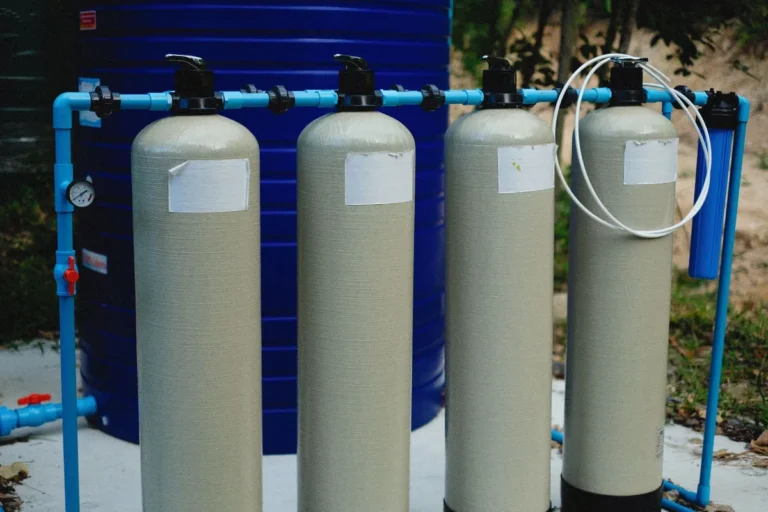
The application of activated charcoal varies greatly. Pitcher filters are the most common and affordable, ideal for improving drinking water for individuals or small households. Refrigerator filters are built into the appliance to dispense filtered water and ice, offering convenience and cleaner water on demand. Whole-house systems, typically installed where the main water line enters your home, treat all the water used throughout the house, benefiting showers, laundry, and all faucets.
Each type uses activated charcoal but offers different capacities, flow rates, and levels of convenience.
When to Count On Activated Charcoal Filters
Given all that, when does an activated charcoal filter make the most sense for your water? They're best when your primary goals are improving taste and smell, and reducing common chemical contaminants found in municipal water. If your tap water passes safety tests but just doesn't taste great, a charcoal filter is likely a solid, cost-effective choice.
For Common Tap Water Improvements
If you're dealing with that familiar chlorine taste, or if your water has a slightly musty or "off" odor, an activated charcoal filter is going to deliver immediate results. Our research indicates that for homes with standard municipal water supplies, these filters address the most common complaints effectively. They don't overcomplicate things; they just make your drinking water more pleasant, contributing to better hydration habits.
When to Consider Other Filtration Methods
It’s important to know when to look beyond charcoal. If your local water quality reports show concerns about heavy metals like lead or arsenic, or if you suspect microbial contamination (like E. coli or Giardia), a charcoal filter alone isn't sufficient. In such cases, you'd want to investigate systems that are certified for specific contaminants, such as those using reverse osmosis membranes, ion exchange resins, or UV sterilization. These methods target different types of impurities than activated carbon.
Common Mistakes When Using Charcoal Filters
Even with simple technology, people sometimes run into issues. Most of these stem from a misunderstanding of how charcoal filters work or a lapse in maintenance. Avoiding these common pitfalls ensures you're getting the most from your filtration system and avoiding potential downsides.
Overestimating What They Remove
A significant mistake is assuming an activated charcoal filter can solve all water problems. While great for taste and odor, they aren't always effective against dissolved solids, salts, or the smallest microbes. Relying solely on a charcoal filter for water safety issues like heavy metal contamination or bacterial outbreaks can lead to a false sense of security. Always check the specific certifications for the filter you're using to understand exactly what it's rated to reduce.
Forgetting Filter Replacement
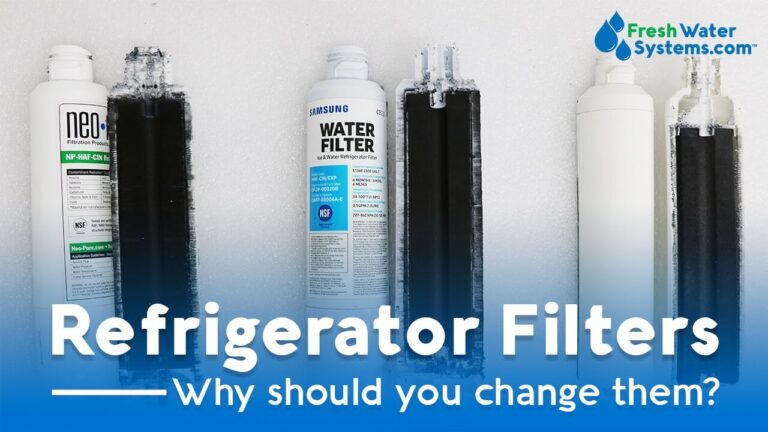
Activated charcoal has a finite capacity for adsorption. Once its pores are full of trapped contaminants, it can no longer effectively remove new impurities. Older filters can even start to release trapped contaminants back into the water. Manufacturer specifications, such as those found via NSF International, typically provide recommended replacement schedules based on volume (gallons filtered) or time (months).
Failing to replace the filter on schedule is perhaps the most common user error and directly impacts performance.
Choosing the Right Filter: Key Features to Look For
When you're ready to buy, you want to be sure you're getting a filter that matches your needs. Looking at the specifications and certifications can save you a lot of guesswork and ensure you're actually getting the performance you expect. It's about matching the filter's capabilities to your water quality knowledge.
NSF/ANSI Certifications to Trust
Certifications from independent bodies like NSF International (a global public health organization) are your best guide. For activated carbon filters, the most common standard to look for is NSF/ANSI 42. This standard verifies that the filter effectively reduces aesthetic physical or chemical substances like chlorine taste and odor, and particulate matter. If your concern extends to contaminants like lead or VOCs, you'll need to look for filters certified to other specific NSF/ANSI standards (e.g., NSF/ANSI 53 for health effects).
Always check the product packaging or manufacturer's website for these specific certifications.
Keeping Your Filter Working Its Best
Just like any appliance, your water filter needs a little care to perform optimally. This primarily involves understanding its lifespan and knowing when it's time for a change. Proper maintenance ensures you're consistently getting the clean, great-tasting water you expect.
Filter Lifespan and Replacement Rhythms
The lifespan of an activated charcoal filter is measured in two main ways: volume of water filtered (usually in gallons) and time (typically months). For instance, a common pitcher filter might be rated for 40 gallons or about two months of use, whichever comes first. Whole-house systems will have much higher capacities, often rated for thousands of gallons and lasting six months to a year. It’s crucial to adhere to these recommendations.
Our research shows that failing to replace filters on schedule is a leading cause of decreased performance and can even lead to contamination issues. Many systems offer indicator lights or apps to help track replacement cycles.