What Is a Ro Water Filter 2026
When you're looking to get the cleanest possible drinking water straight from your tap, "RO" is a term you'll see a lot. It stands for Reverse Osmosis, a robust water purification method that goes deeper than many everyday filters. So, what exactly is an RO water filter, and how does it achieve that high level of purity?
In our research, RO systems are consistently highlighted for their ability to tackle a broad spectrum of contaminants, often removing over 90% of dissolved solids. According to specifications from leading manufacturers, many residential RO units are designed to meet NSF/ANSI 58 standards for reducing specific contaminants. Now, let's break down precisely what that means for your home water.
What Is a Reverse Osmosis (RO) Water Filter?
A Reverse Osmosis (RO) water filter is a multi-stage system designed to remove a wide array of impurities from water by forcing it through a semi-permeable membrane under pressure. This process is highly effective at reducing dissolved solids, minerals, chemicals, and even some microorganisms, resulting in exceptionally clean drinking water.
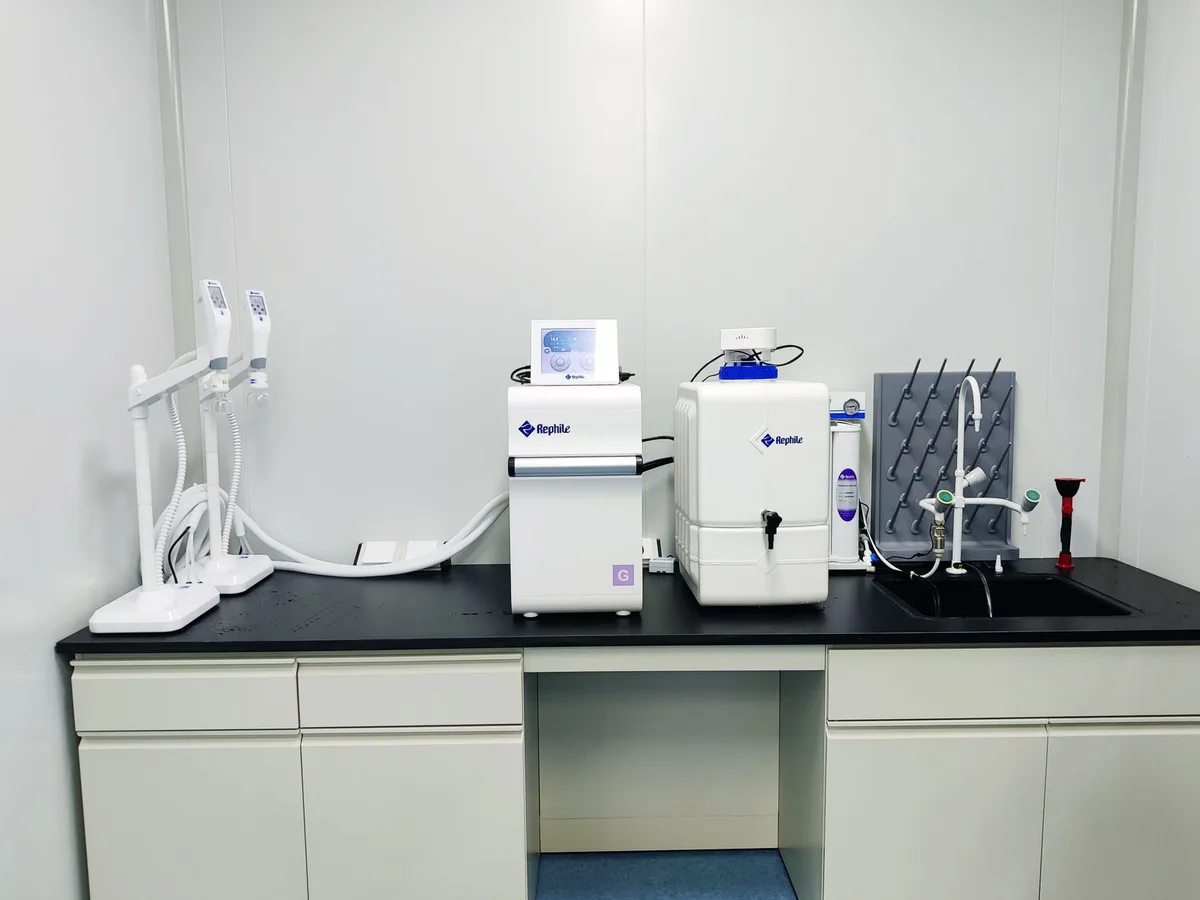
Think of it as a high-tech purification process that targets microscopic contaminants often missed by simpler filtration methods. While often a component of a larger system, the core of RO is that specialized membrane, acting as a very fine sieve for water molecules.
How Does RO Water Filtration Actually Work?
The magic behind an RO water filter lies in the principle of reverse osmosis. Normally, osmosis is a natural process where water moves from an area of low solute concentration to an area of high solute concentration across a semi-permeable membrane. Reverse osmosis flips this by applying external pressure to the more concentrated side, forcing the water molecules through the membrane and leaving impurities behind.
The Science Behind Pushing Water Through a Membrane
This process relies on a very precise, man-made membrane. This membrane has microscopic pores that are so small they allow water molecules to pass through but are too tiny for most dissolved salts, minerals, heavy metals like lead, and organic compounds to get by.

The applied pressure ensures that water is pushed from the contaminated side to the purified side, and the rejected contaminants are then flushed away. As of 2026, this technology remains one of the most effective for achieving high-purity water in residential settings.
Key Components of an RO System
A typical under-sink RO system isn't just the membrane itself; it's usually composed of several stages working together:
- Sediment Pre-filter: This first stage removes larger particles like dirt, rust, and sand, protecting the finer filters and membrane downstream.
- Carbon Pre-filter: Activated carbon filters remove chlorine, odors, and volatile organic compounds (VOCs) that could damage the RO membrane or affect water taste.
- Reverse Osmosis Membrane: This is the heart of the system, where the actual purification of dissolved solids takes place.
- Storage Tank: Because RO filtration is a relatively slow process, filtered water is stored in a pressurized tank to provide water on demand.
- Post-filter (Often Carbon): This final filter polishes the water after it leaves the storage tank, removing any lingering tastes or odors and ensuring the water is fresh when you pour it.
The Good Stuff: Benefits of Using RO Water Filters
There are several compelling reasons why people opt for RO systems over simpler filtration methods or even just tap water. The primary advantage is the significant improvement in water quality.
Achieving Super Pure Water
Our research indicates that a properly functioning RO system can remove up to 99% of dissolved solids. This includes a wide range of substances that are often concerns for homeowners, such as lead, arsenic, nitrates, and fluoride. This level of purity is hard to achieve with other common home filtration technologies.
Improving Taste and Odor
Many common tap water tastes and odors stem from dissolved minerals, chlorine, or organic compounds. By effectively removing these substances, RO systems can dramatically improve the palatability of your water. This means your coffee, tea, and even plain water can taste cleaner and more refreshing.
Handling a Wide Range of Contaminants
Unlike filters that are specialized for, say, chlorine or sediment, an RO membrane is designed to be a broad-spectrum purifier. It creates a physical barrier that stops a vast array of impurities from passing through, making it a go-to solution for areas with complex or multiple water quality issues.
The Trade-offs: Downsides of RO Systems
While the purification power of RO is impressive, it's important to be aware of the trade-offs involved. These systems aren't always the perfect fit for every household.
Water Waste: The Biggest Concern
One of the most significant drawbacks of reverse osmosis is its water efficiency. To push water through the membrane and flush away contaminants, RO systems produce what's called "reject water" or brine. For every gallon of purified water you get, several gallons may be sent down the drain. Typical reject ratios can range from 1:1 to 4:1 or even higher, depending on the system and water pressure.
This water wastage is a primary consideration for environmentally conscious users.
Removing Beneficial Minerals
RO doesn't distinguish between "bad" dissolved solids and "good" ones. Minerals like calcium and magnesium, which are beneficial for health and contribute to water's natural taste, are also removed by the membrane. Many people find that RO water tastes flat or lacks the body of natural mineral water. Some higher-end systems include a remineralization stage to add these beneficial minerals back, but it's an additional feature and cost.
Slower Flow and Storage Tanks
Because the RO membrane can only process water at a certain rate, these systems typically include a holding tank. This tank stores purified water, allowing you to have a decent supply readily available. However, if you need a large volume of water quickly, you might have to wait for the system to replenish its tank, which can take several hours. The flow rate from the dedicated RO faucet is also generally slower than your main tap.
RO Filters vs. Other Water Purification Methods
Understanding how RO stacks up against other common water filter types helps clarify its niche. It's not always the best solution for every problem.
Activated Carbon Filters: What They Tackle
Activated carbon filters are fantastic for improving taste and odor by adsorbing chlorine, VOCs, and other chemicals. They are common in pitcher filters, faucet filters, and refrigerator water dispensers. Their main limitation is that they don't significantly reduce dissolved solids, heavy metals, or microorganisms.
UV Purifiers: For Disinfection
UV purifiers use ultraviolet light to kill bacteria, viruses, and protozoa, making them excellent for disinfecting microbiologically unsafe water. However, they do nothing to remove chemical contaminants, sediment, or dissolved solids, and they require a power source to operate.

When RO Stands Out
Reverse osmosis truly shines when the goal is maximum reduction of a broad range of dissolved contaminants. If your tap water reports high levels of TDS (Total Dissolved Solids), lead, nitrates, or other specific pollutants that carbon filters won't touch, RO is the more potent solution. It combines the physical barrier of a membrane with pre- and post-filtration for comprehensive purification.
Who Should Consider an RO Water Filter?
Deciding if an RO system is right for you comes down to your specific water quality concerns and your priorities. It’s not a one-size-fits-all solution.
Identifying Your Water Quality Concerns
If you've recently had your tap water tested and the results show elevated levels of a wide variety of contaminants, including things like heavy metals, salts, or specific chemicals, an RO system is a strong candidate. Many municipal water reports, available from your local water utility, can provide insights into what's in your water. If you rely on well water, regular testing is even more crucial.
When Maximum Purity is the Goal
For households where the absolute highest standard of water purity is desired, perhaps for health reasons, specific dietary needs, or simply a preference for the cleanest possible water, RO systems offer a level of filtration that few alternatives can match. This is especially true if you're aiming to reduce your exposure to a broad spectrum of potentially harmful substances in your drinking water.
Common Mistakes People Make with RO Systems
When installing and using an RO system, a few common oversights can lead to reduced performance or even damage. One frequent mistake is improper installation, particularly with the drain line or shut-off valve. If these aren't connected correctly, the system can either leak or shut off prematurely, preventing proper operation.
Another pitfall is neglecting regular filter changes. The pre-filters and post-filters are designed to protect the RO membrane. If they become clogged with sediment or chemicals, they can't do their job, leading to premature membrane failure and reduced water quality. Manufacturer specifications typically recommend filter replacements every 6 to 12 months, depending on water usage and quality.
Forgetting the Pre- and Post-Filters
The RO membrane is the star, but it's shielded by other crucial components. If you only focus on the membrane and ignore the lifespan of the sediment and carbon pre-filters, you're essentially running dirty water through a fine sieve. This not only degrades the water quality but can also clog the membrane faster than expected, leading to costly replacements. Think of them as the bodyguards for your membrane.
Ignoring Water Waste
Some users are unaware of the significant amount of water an RO system typically wastes. If this aspect is not factored into your water usage or if you're in a drought-prone area, the continuous flow of reject water might be a concern. Understanding the reject ratio (e.g., 2 gallons wasted for every 1 gallon of purified water) is key to making an informed decision about system selection and awareness.
How to Maintain Your RO System for Peak Performance
Consistent maintenance is vital for ensuring your RO system delivers clean water reliably over time. Neglecting it often leads to the problems we just discussed, like poor taste or complete system failure. The good news is that most maintenance tasks are straightforward and can be done by a homeowner with basic tools.
Regular filter changes are the cornerstone of RO system upkeep. Most systems have color-coded or labeled filters that make replacement intuitive. Always follow the manufacturer's recommended schedule, which is usually found in the system's manual. It's also a good idea to periodically check for leaks around fittings and connections, especially after filter changes.
Changing Filters: A Step-by-Step Approach
Most RO systems involve simple twist-off or clip-on filter housings. Here’s a general idea of how it’s done:
- Shut off the water supply: Locate the shut-off valve that feeds the RO system, usually found on your cold-water line.
- Release pressure: Open the RO faucet to release any built-up pressure in the system.
- Remove old filters: Unscrew the filter housings or release the filter cartridges. Be prepared for a small amount of residual water.
- Install new filters: Ensure you have the correct replacement filters for your specific RO model. Lubricate O-rings if recommended by the manufacturer.
- Sanitize (optional but recommended): Some manufacturers suggest sanitizing components during filter changes to prevent bacterial growth.
- Flush the system: After replacing filters, turn the water supply back on and let the system run for several minutes, flushing out the new filters before drinking the water. This process is crucial for removing any manufacturing residue.
When to Consider Membrane Replacement
The RO membrane is the most durable part, but it doesn't last forever. Depending on water quality and usage, it typically needs replacement between every 2 to 5 years. Signs that your membrane might be failing include a significant decrease in purified water output, a noticeable increase in TDS levels in the filtered water, or if the reject water flow seems unusually high or low.
Understanding RO System Costs and Data
When you're looking at RO systems, the upfront cost is just part of the equation. You also need to consider ongoing expenses like replacement filters and the cost of wasted water. Prices can vary significantly based on the brand, number of stages, storage tank size, and any added features like remineralization.
A basic under-sink RO system might cost anywhere from $150 to $400 initially. Over its lifespan, the cost of replacement filters can add up, typically ranging from $50 to $150 per year for a standard set of pre- and post-filters. Membranes themselves can cost $50-$100 and last several years. Keep in mind that water usage heavily influences the running cost related to water waste.