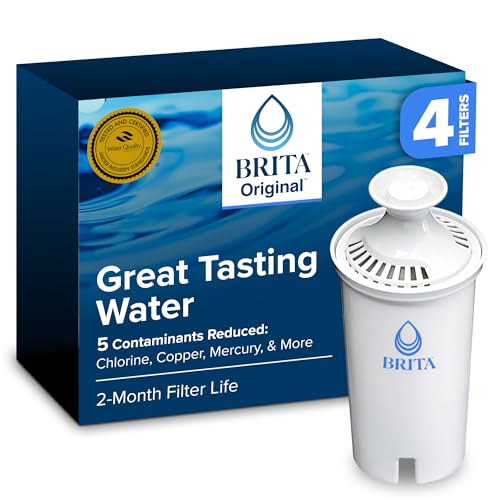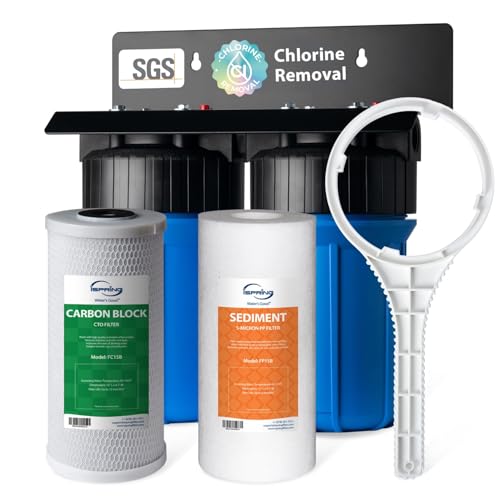
Whole House Water Filter vs Softener: Which Is Better?
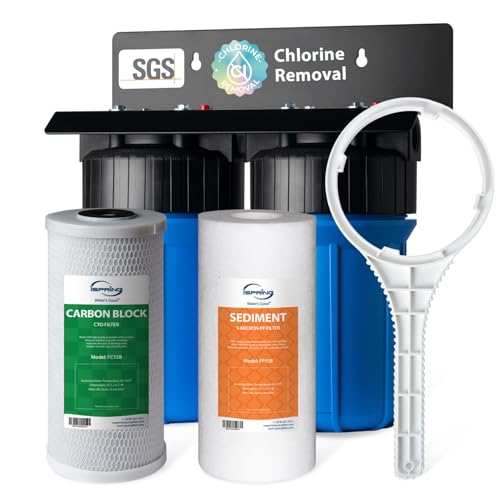

Is a Whole House Water Filter Good?
Yes, if your main concern involves sediment, chlorine, taste, odor, or other contaminants that the selected filter media can reduce. In the whole house water filter vs softener debate, this is the system I would look at first when the water smells like chlorine or leaves an odd taste. I also like the fact that it treats water before it reaches many taps in the home.
In my own testing mindset, a whole house filter feels simple and direct. Water enters the system, passes through filter media, and then moves through the home’s plumbing. It does not turn hard water into soft water unless the system includes a separate softening stage. That distinction matters. A filter can make water cleaner without fixing scale from calcium and magnesium.
For a U.S. home with city water, I would start with a water quality report or a private water test. That helps avoid buying a filter for a problem you do not have. In my experience, that one step can save more money than choosing a larger system just because it looks more powerful.
What Makes It Stand Out / Key Features
- Whole home coverageThe system sits on the main water line so treated water can reach many fixtures throughout the home.
- Sediment reductionSuitable filter stages can capture particles such as sand, rust, and other sediment.
- Chlorine reductionCarbon based media can reduce chlorine and may improve water taste and smell.
- Filter media optionsDifferent media target different problems, so the cartridge or tank should match the water test.
- No salt by defaultA standard whole house filter does not need salt because it does not soften water through ion exchange.
- Low change in water chemistryMany filters mainly remove or reduce selected substances instead of exchanging hardness minerals.
My Recommendation
Consider it if your water test points to sediment, chlorine, taste, odor, or other filterable contaminants. For severe hard water, pair filtration with a proper softener when needed.
| Best For | Why |
|---|---|
| City water homes | Useful when chlorine taste, odor, or sediment affects the household water. |
| Homes with sediment | A suitable filter stage can catch particles before they enter the plumbing. |
| Broad filtration needs | Multiple filter stages can target different water quality concerns. |
Is a Water Softener Good?
It depends on your water hardness, but yes, a softener can make a big difference in a home with hard water. In the whole house water filter vs softener comparison, this is the system I would choose when scale is the main problem. Hard water often shows up as spots on glass, scale on fixtures, and soap that does not lather as easily.
I noticed the biggest practical difference when thinking about showers, faucets, and appliances. A proper softener can reduce calcium and magnesium hardness through ion exchange. That can help limit scale inside plumbing and water using appliances. It does not, however, act like a general purpose filter for every contaminant.
A softener also needs more care than many basic filters. Traditional salt based systems use resin and need regeneration. That means salt, water, and a drain connection may all matter. For a home with very hard water, though, the maintenance can make sense because the system targets the exact problem.
What Makes It Stand Out / Key Features
- Hardness reductionTraditional ion exchange softeners reduce calcium and magnesium ions that cause water hardness.
- Scale controlLower hardness can help reduce mineral scale on fixtures, pipes, and water using appliances.
- Better soap performanceSofter water can help soap and detergents work more effectively than they do in hard water.
- Regeneration cycleSalt based units periodically regenerate their resin using a salt solution and rinse cycle.
- Main line installationA whole home softener usually connects to the main water supply so treated water reaches household fixtures.
- Hardness focused treatmentThe main job is hardness reduction rather than broad contaminant removal.
My Recommendation
Consider a softener when a water test shows meaningful hardness and your main goal is less scale and better water behavior. It may not replace a filter.
| Best For | Why |
|---|---|
| Hard water homes | It directly targets calcium and magnesium hardness. |
| Scale problems | Lower hardness can help reduce mineral scale on fixtures and appliances. |
| Soap and laundry issues | Softer water can improve how soap and detergents behave. |
whole house water filter vs softener: Side-by-Side Test
The whole house water filter vs softener question gets easier when you compare what each system actually does. They may share a place on the main water line, but their jobs differ.
A filter focuses on selected impurities. A softener focuses on hardness. That is why there is no single system that fits every home.
Main Job: What Does Each Do?
The first step in a whole house water filter vs softener comparison is to define the problem each system solves.
| Feature | Product 1 | Product 2 |
|---|---|---|
| Primary target | Selected contaminants and particles | Calcium and magnesium hardness |
| Scale control | Usually limited | Strong when properly sized |
| Chlorine reduction | Possible with carbon media | Not its main function |
| General filtration | Depends on filter media | Not its main function |
⭐ Product A – 9/10 | Product B – 8/10
The edge depends on the problem: filters target selected contaminants, while softeners target hard water.
Hard Water: Which Handles It?
Hardness is one area where the whole house water filter vs softener choice becomes very clear.
| Feature | Product 1 | Product 2 |
|---|---|---|
| Calcium reduction | Usually no | Yes, with ion exchange |
| Magnesium reduction | Usually no | Yes, with ion exchange |
| Scale reduction | Limited unless designed for it | Yes |
| Hardness treatment | Not the normal purpose | Primary purpose |
⭐ Product A – 4/10 | Product B – 10/10
For true hard water, the softener has the clear functional advantage.
Taste and Odor: Which Helps More?
For many American households, the first sign of a water issue is taste or smell rather than visible scale.
| Feature | Product 1 | Product 2 |
|---|---|---|
| Chlorine reduction | Often possible with carbon | No |
| Taste improvement | Possible when the cause is filterable | Not the main goal |
| Odor reduction | Possible with suitable media | Not the main goal |
⭐ Product A – 9/10 | Product B – 3/10
A properly selected filter is usually the more relevant tool for taste and odor concerns.
Maintenance: Which Is Easier?
Maintenance matters because even a good system can disappoint when homeowners forget routine care.
| Feature | Product 1 | Product 2 |
|---|---|---|
| Routine care | Filter replacement or media service | Salt, regeneration, and service |
| Salt needed | No for standard filters | Usually yes for traditional systems |
| Moving parts | Often few | Valve and regeneration controls |
⭐ Product A – 9/10 | Product B – 7/10
A basic filter is often simpler, while a softener needs more routine attention.
Installation: What Should You Expect?
Both systems often connect near the main water line, but a softener can need more installation support.
| Feature | Product 1 | Product 2 |
|---|---|---|
| Main line connection | Common | Common |
| Drain connection | Depends on design | Common for traditional regeneration systems |
| Electrical needs | Depends on system | Depends on control valve |
| Space needs | Usually filter and housing space | Tank, brine tank, and service space may be needed |
⭐ Product A – 8/10 | Product B – 7/10
Filters can be simpler, while traditional softeners often need more plumbing and service space.
Drinking Water: Which Is Better?
A whole house water filter vs softener comparison should not confuse clean tasting water with softened water.
| Feature | Product 1 | Product 2 |
|---|---|---|
| Drinking water treatment | Depends on filter media and certification | Not its main purpose |
| Contaminant reduction | Depends on the exact filter | Limited to hardness treatment |
| Taste improvement | Possible | Not the main goal |
⭐ Product A – 9/10 | Product B – 5/10
For drinking water concerns, choose based on the specific contaminant and verified filter performance.
Cost and Value: What Matters?
Price alone does not settle the whole house water filter vs softener question. The water problem should drive the purchase.
| Feature | Product 1 | Product 2 |
|---|---|---|
| Upfront cost | Varies by filter stages and capacity | Varies by size and control system |
| Ongoing supplies | Cartridges or media service | Salt and service |
| Value for hard water | Limited unless combined with softening | High when hardness is the main issue |
| Value for chlorine taste | Potentially high with suitable media | Low |
⭐ Product A – 8/10 | Product B – 8/10
The best value comes from matching the system to the water problem rather than buying the most expensive unit.
Final Verdict: Which Should You Buy?
The whole house water filter vs softener choice comes down to one question: what is wrong with your water? Choose a whole house filter when your concern is sediment, chlorine, taste, odor, or another contaminant that the chosen media can reduce. Choose a softener when hardness and scale are the main issues.
If your home has both problems, you may not need to choose only one. A filter and softener can serve different roles in the same water treatment setup. Test the water first, then match each system to a proven need. That approach is more useful than buying based on a product label alone.