Brita Water Filter vs Reverse Osmosis: Which Is Better?
Is Brita Water Filter Good?
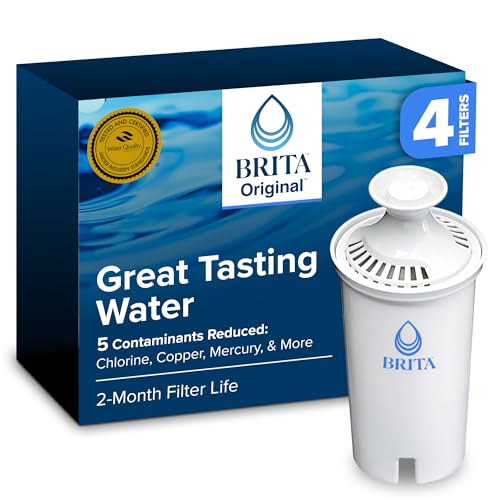
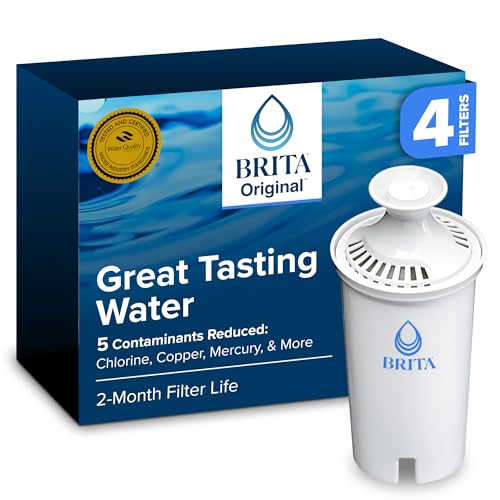
Yes, for many homes. A Brita pitcher makes sense when your tap water is already treated and you mainly want better taste plus reduction of selected contaminants. Brita says its filters reduce chlorine taste and odor, while some models reduce substances such as copper, cadmium, mercury, and lead. The exact list depends on the filter. ([Brita][2])
I like how little thought a Brita needs. I can fill the pitcher while making breakfast and put it in the fridge. There is no plumber, drain line, or storage tank. That simplicity matters on a busy American weekday. The standard Brita filter is also certified for specific NSF/ANSI 42 and 53 reduction claims, including chlorine, cadmium, copper, mercury, and zinc. ([Brita][3])
The main catch is scope. A Brita is not the same thing as RO. A standard pitcher filter does not remove every contaminant. If you care about fluoride, nitrate, or a broad range of dissolved minerals, you need to check a specific certified filter or look at RO. NSF lists fluoride and nitrate/nitrite reduction among claims available under NSF/ANSI 58 for RO systems. ([NSF][4])
What Makes It Stand Out / Key Features
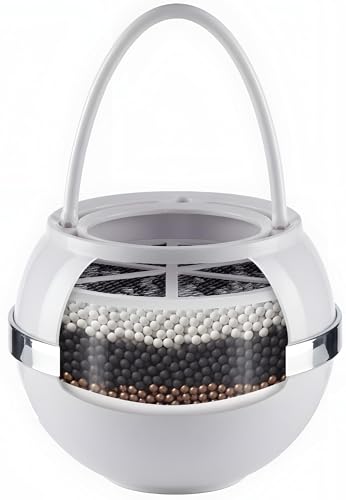
- Simple Pitcher DesignFill the upper chamber, let the water pass through the filter, and keep the filtered water ready in the fridge.
- Chlorine ReductionBrita filters are certified to reduce chlorine taste and odor, which can make tap water more pleasant to drink. ([Brita][2])
- Selected Health ContaminantsSome Brita filters reduce contaminants such as lead, mercury, copper, and cadmium. Claims vary by model. ([Brita][2])
- No Power NeededA normal pitcher works without electricity, a pump, or a plumbing connection.
- Easy Filter ChangesReplacing a small cartridge is much simpler than servicing a multi stage under sink system.
- Small FootprintA pitcher takes little space and works well for renters, dorms, apartments, and small kitchens.
My Recommendation
Consider Brita if your tap water is already safe and you want better taste with simple, low cost filtration. Check the exact performance sheet if a specific contaminant worries you.
| Best For | Why |
|---|---|
| Renters | No permanent installation is needed. |
| Small households | A pitcher can cover basic daily drinking needs. |
| Better tasting tap water | Chlorine taste and odor reduction can make tap water easier to enjoy. |
Is Reverse Osmosis Good?
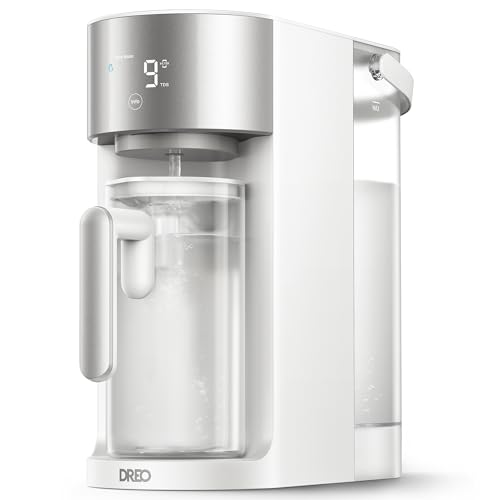
It depends on what you want from your water. Reverse osmosis is a deeper treatment method. Pressure pushes water through a semi permeable membrane. The system creates treated water and a separate reject water stream. EPA says point of use RO can potentially remove contaminants such as lead, VOCs, PFAS, arsenic, bacteria, and viruses, although actual performance depends on the certified system and its claims. ([US EPA][5])
My first RO setup felt much more like an appliance than a pitcher. It needed space, plumbing, and regular care. But the water felt noticeably different to me, especially when I used it for coffee and cooking. The lower dissolved solids can also change taste, so not everyone will prefer it.
The tradeoff is water use and upkeep. EPA notes that a typical point of use RO system can produce five gallons or more of reject water for every gallon of treated water. Newer systems can perform better, so the product efficiency rating matters. NSF/ANSI 58 includes both contaminant reduction and efficiency requirements for certified RO systems. ([US EPA][5])
What Makes It Stand Out / Key Features
- Semi Permeable MembraneWater passes through a very fine membrane while many dissolved substances stay behind.
- Broad Contaminant ClaimsNSF/ANSI 58 covers RO systems with claims for substances such as lead, arsenic, nitrate, fluoride, and several other contaminants. ([NSF][4])
- TDS ReductionTDS means total dissolved solids. Certified RO systems are tested for TDS reduction under NSF/ANSI 58. ([NSF][4])
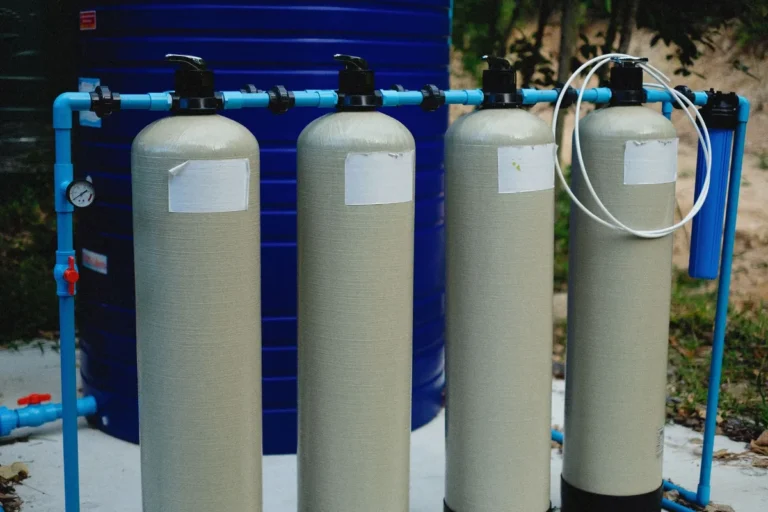
- Multiple Filter StagesMany home RO systems use prefilters and postfilters around the RO membrane.
- Dedicated FaucetUnder sink systems often send treated water to a separate drinking water faucet.
- Efficiency RatingRO systems have recovery and efficiency measures that help show how much feed water becomes treated water. ([NSF][4])
My Recommendation
Consider RO when you want deeper reduction of specific dissolved contaminants or lower TDS. Choose a certified system that matches the contaminants you actually care about.
| Best For | Why |
|---|---|
| Homes with specific contaminant concerns | RO offers certified claims for a wider range of dissolved contaminants. |
| Homeowners | Under sink installation makes more sense when you plan to stay in one home. |
| Cooking and drinking | A dedicated RO faucet can provide treated water on demand. |
brita water filter vs reverse osmosis: Side-by-Side Test
The brita water filter vs reverse osmosis debate becomes easier when you look at daily use. One is a simple filter pitcher. The other is a treatment system built around a membrane.
There is also an important rule: do not judge a filter by its name alone. NSF says certification does not mean a system reduces every possible contaminant. Always check the exact contaminant claim for the model you buy. ([NSF][1])
Contaminant Removal
This is where the brita water filter vs reverse osmosis gap becomes most clear.
| Feature | Product 1 | Product 2 |
|---|---|---|
| Chlorine | Yes, certified claims vary by model | Usually addressed by the prefilter and system design |
| Lead | Some Brita models reduce lead; standard and Elite models differ | RO systems can have certified lead reduction claims |
| Fluoride | Standard Brita does not target fluoride removal | NSF/ANSI 58 includes fluoride reduction claims |
| Nitrate/Nitrite | Not a standard Brita pitcher claim | NSF/ANSI 58 includes nitrate/nitrite reduction claims |
⭐ Product A – 7/10 | Product B – 9/10
RO has the edge when your goal is broad reduction of specific dissolved contaminants.
Taste and Odor
For everyday tap water, taste may matter more than a long list of technical features.
| Feature | Product 1 | Product 2 |
|---|---|---|
| Chlorine taste | Strong improvement from certified filtration | Usually reduced through system stages |
| Mineral taste | Most minerals remain | Many dissolved minerals are reduced |
| Taste change | Usually subtle | Can be more noticeable |
⭐ Product A – 9/10 | Product B – 8/10
Brita feels more natural for people who like the taste of mineral rich tap water.
Setup and Installation
If you rent an apartment, the brita water filter vs reverse osmosis choice can become very practical very fast.
| Feature | Product 1 | Product 2 |
|---|---|---|
| Installation | Fill and use | Usually needs plumbing work |
| Electricity | No | Usually no for basic systems |
| Space | Fridge or counter space | Often under the sink plus a faucet |
| Portability | Excellent | Low |
⭐ Product A – 10/10 | Product B – 6/10
Brita wins on simplicity and portability.
Waste and Water Use
The brita water filter vs reverse osmosis comparison is not only about clean water. It is also about how much water the system uses.
| Feature | Product 1 | Product 2 |
|---|---|---|
| Reject water | No separate reject stream | Yes |
| Water efficiency | Very high for a pitcher | Depends on system efficiency |
| Waste concern | Low | Can be significant |
⭐ Product A – 10/10 | Product B – 6/10
Brita uses less water because it does not create an RO reject stream.
Maintenance
Both systems need care, but the work looks very different.
| Feature | Product 1 | Product 2 |
|---|---|---|
| Filter replacement | Simple cartridge change | Several filters may need service |
| Cleaning | Wash pitcher parts regularly | System and tank care may be needed |
| Skill level | Very low | Moderate |
⭐ Product A – 9/10 | Product B – 7/10
Brita is easier to maintain, while RO asks for more attention.
Cost and Value
The right value depends on whether you need simple taste improvement or deeper water treatment.
| Feature | Product 1 | Product 2 |
|---|---|---|
| Initial cost | Usually low | Usually higher |
| Installation cost | None for a pitcher | May include installation |
| Ongoing parts | Replacement filters | Multiple filters and membrane |
| Value | Strong for simple needs | Strong when deeper treatment is needed |
⭐ Product A – 9/10 | Product B – 8/10
Brita offers a lower entry cost, while RO can justify its cost when its broader treatment fits your needs.
Daily Convenience
The best filter is often the one you will actually use every day.
| Feature | Product 1 | Product 2 |
|---|---|---|
| Fill and drink | Very easy | Very easy after installation |
| Fridge storage | Yes | Usually not needed |
| Large water demand | May require repeated fills | Better suited to steady use |
| Family use | Depends on pitcher size | Often better for higher demand |
⭐ Product A – 9/10 | Product B – 9/10
Brita is easier to start, while RO can be more convenient once installed.
Final Verdict: Which Should You Buy?
The brita water filter vs reverse osmosis choice depends on your water and your routine. Brita makes sense when you want better tasting tap water with simple setup and low cost. It is a great fit for renters, small homes, and people who do not need broad contaminant reduction.
RO makes more sense when you want deeper treatment and have a reason to reduce specific dissolved contaminants. It costs more and wastes some water, but its membrane based design can handle a broader set of certified reduction claims. NSF/ANSI 58 covers TDS and several specific contaminant claims for RO systems. ([NSF][4])
For the brita water filter vs reverse osmosis decision, I would start with your water report and the contaminants that matter to you. Then match the certified claims to your needs. That simple step can prevent you from paying for treatment you do not need.