What Does a Carbon Filter Do for Water: Real-World Picks
Ever wondered what’s going on inside those water filters that use charcoal or carbon? It’s not just magic, though the results can feel pretty magical, right? Let's break down what a carbon filter actually does for your drinking water, in plain English, so you know exactly what you're getting.
Think of it like this: your water, even if it looks clear, can pick up all sorts of things as it travels. Things like chlorine to keep it safe on its journey, but also other stuff that can affect how it tastes, smells, and even its overall quality. A carbon filter is basically your water's personal bodyguard, designed to snag a lot of those unwanted guests. Per research from water quality organizations, activated carbon filtration is a widely accepted method for improving taste and odor.

Quick Answer: How Carbon Filters Clean Your Water
Simply put, a carbon filter works by adsorcing impurities from water onto its highly porous surface. It's a process where unwanted molecules stick to the surface of the carbon media, rather than being absorbed into it. This significantly reduces common contaminants like chlorine, which are responsible for off-tastes and odors.
Core Explanation: The Science of Adsorption on Activated Carbon
At its core, activated carbon is incredibly porous, it's got billions of tiny little holes and channels. This massive surface area is the key. When water flows through it, certain things just get stuck to that surface. This process is called adsorption, which is a bit different from absorption.
Think of it like dirt sticking to a sticky surface, rather than soaking into something. The carbon itself is often treated with heat or chemicals to make it even more porous and reactive, enhancing its ability to capture contaminants.
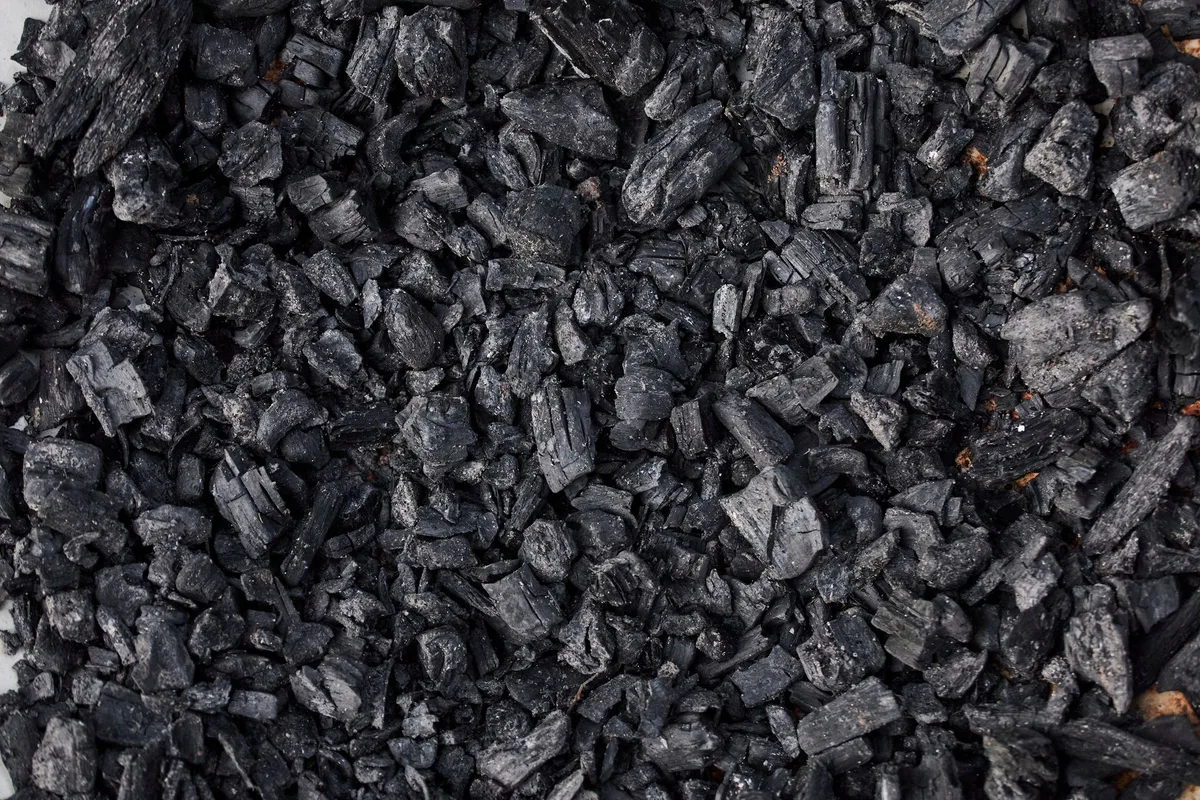
How Activated Carbon Traps Impurities
The magic is in the surface chemistry. Activated carbon has a negative charge, which attracts positively charged contaminants. Many common impurities, like chlorine molecules, are drawn to this attraction. Additionally, the sheer number of microscopic pores means there's a vast physical trapping area for organic compounds and larger molecules to adhere to as the water passes through.
Manufacturer specifications for activated carbon filters often highlight their large internal surface area, measured in square meters per gram, indicating their capacity for adsorption.
The Role of Surface Area and Porosity
The effectiveness of an activated carbon filter is directly tied to its surface area and pore structure. Think of it like a sponge with an unimaginable number of tiny nooks and crannies. More surface area means more places for contaminants to stick. This is achieved through the activation process, which creates a highly developed network of pores, from large macropores to tiny micropores.
This intricate structure allows the carbon to efficiently adsorb a wide range of organic compounds and chlorine.
What Carbon Filters Are Great At Removing
Carbon filters are stars when it comes to tackling specific types of water issues. They excel at improving the aesthetic qualities of water, making it more pleasant to drink.
Goodbye Chlorine Taste and Smell
This is a big one. Chlorine is added to municipal water supplies as a disinfectant to kill harmful bacteria and viruses, which is vital for public health. However, it can leave an unpleasant chemical taste and a distinct odor that many people find off-putting. Activated carbon filters are highly effective at removing free chlorine, dramatically improving the flavor and smell of your tap water.
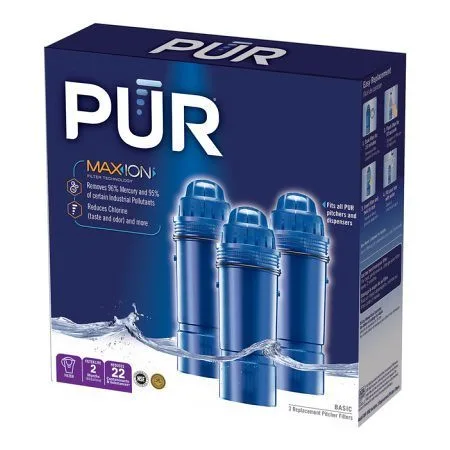
This is why they are so common in pitcher filters and faucet attachments.

Tackling VOCs and Organic Contaminants
Beyond just chlorine, a whole host of other organic compounds can make your water taste or smell funky. Volatile Organic Compounds (VOCs), which can originate from industrial processes, gasoline, and household products, are often a concern. Many pesticides and herbicides, which are also organic in nature, can find their way into water sources. Activated carbon filters are really good at adsorbing many of these VOCs, pesticides, and other organic chemicals, contributing to both better taste and potentially reducing exposure to certain harmful substances.
What Carbon Filters Don't Remove (And Why It's Critical)
Now, this is super important. Because I’ve seen folks rely on them for way more than they’re designed to handle, leading to a false sense of security. Carbon filters aren't a magic bullet for everything. Understanding their limitations is just as crucial as knowing what they excel at.
Why They Aren't a Disinfection Solution
This is a critical point for public health. Carbon filters are primarily designed to improve taste and odor by adsorbing chemicals and organic compounds. They are not designed to kill or remove microorganisms like bacteria, viruses, or protozoa (cysts). While the physical media might physically trap some larger particles, it does not disinfect the water.
Relying on a standard carbon filter for microbiological safety can be dangerous, especially if your water source is not reliably treated or if you're sourcing water from questionable locations. For microbial protection, filters need specific certifications and technologies, such as those found in UV purifiers or certain specialized microfiltration systems.
Limitations with Heavy Metals and Minerals
Activated carbon filters generally have limited effectiveness when it comes to dissolved inorganic contaminants. They are not the primary tool for removing dissolved minerals like calcium and magnesium, which are responsible for water hardness, nor are they effective for beneficial minerals like potassium. While some carbon filters might adsorb trace amounts of certain heavy metals like lead or mercury, they are not reliable for comprehensive heavy metal removal. If heavy metal contamination is a concern, or if you're looking to significantly alter the mineral content of your water, you would typically need to consider other technologies like reverse osmosis or ion exchange.
Carbon Filters vs. Other Water Treatment Options
When you're looking to improve your water, carbon filters are just one piece of the puzzle. Other technologies tackle different problems, and it's helpful to know how they stack up. For instance, if your main concern is something a carbon filter can't handle, like dissolved salts or microorganisms, you'll need to look elsewhere.
When to Consider Alternatives to Carbon
If your water has issues that go beyond taste and odor, like very hard water, high levels of specific heavy metals, or if you suspect microbial contamination, a carbon filter alone won't be enough. Reverse osmosis (RO) systems, for example, are much more thorough and can remove a wider array of contaminants, including dissolved solids and many heavy metals, but they also strip beneficial minerals. UV purifiers are designed specifically to kill bacteria and viruses. Often, a combination of technologies is used in under-sink or whole-house systems for comprehensive water treatment.
Who Benefits Most from Carbon Water Filters
So, who gets the most bang for their buck with a carbon filter? It really comes down to your specific water quality concerns and what you're hoping to achieve. If your tap water is generally safe but just doesn't taste great, carbon is likely your best friend.
Improving Tap Water Taste for Homes
Most people who use carbon filters are looking for a simple, effective way to make their tap water more palatable. If you’re tired of the chemical smell of chlorine or simply find your tap water has an unpleasant background taste, a carbon filter, whether in a pitcher, a faucet attachment, or an under-sink system, can make a big difference. It's a straightforward solution for improving the everyday drinking experience of your water without drastically altering its mineral content or requiring complex installations.
Common Mistakes When Using Carbon Filters
It’s easy to think of a carbon filter as a do-it-all solution. However, there are a few common pitfalls that can lead to disappointment or, worse, a false sense of safety. Being aware of these can save you frustration and ensure you're getting the most out of your filter.
Over-Reliance and Misunderstanding Limitations
The biggest mistake people make is assuming a carbon filter will magically fix all water problems. As we've discussed, they don't disinfect water or remove all types of contaminants. If you're using a carbon-only filter and your water source is questionable for microbial safety, you might be unknowingly risking your health. Another common error is failing to replace the filter cartridges on time.
Carbon filters have a limited lifespan; once their adsorption sites are full, they can no longer effectively capture impurities, and water may even start to flow through unfiltered.
Safety and What to Look For in a Filter
When you're investing in a water filter, especially one that impacts what you drink every day, safety and performance are key. Looking for certifications can give you confidence that the filter has been tested and performs as advertised for specific claims it makes.
Understanding NSF Certifications for Carbon Filters
You'll often see "NSF Certified" on water filter packaging. This refers to standards set by NSF International, a global public health organization. For carbon filters primarily focused on improving taste and odor, look for certification under NSF/ANSI Standard 42. This standard verifies the filter's ability to reduce non-health related contaminants like chlorine, taste, and odor.
If a filter claims to reduce specific health-related contaminants like lead or certain VOCs, it should be certified under a different standard, such as NSF/ANSI Standard 53. Always check the specific claims and certifications relevant to your water concerns. As of 2026, these standards continue to be the benchmark for consumer confidence in water treatment products.