What Is GPD In Water Filter: Flow Rate Guide 2026
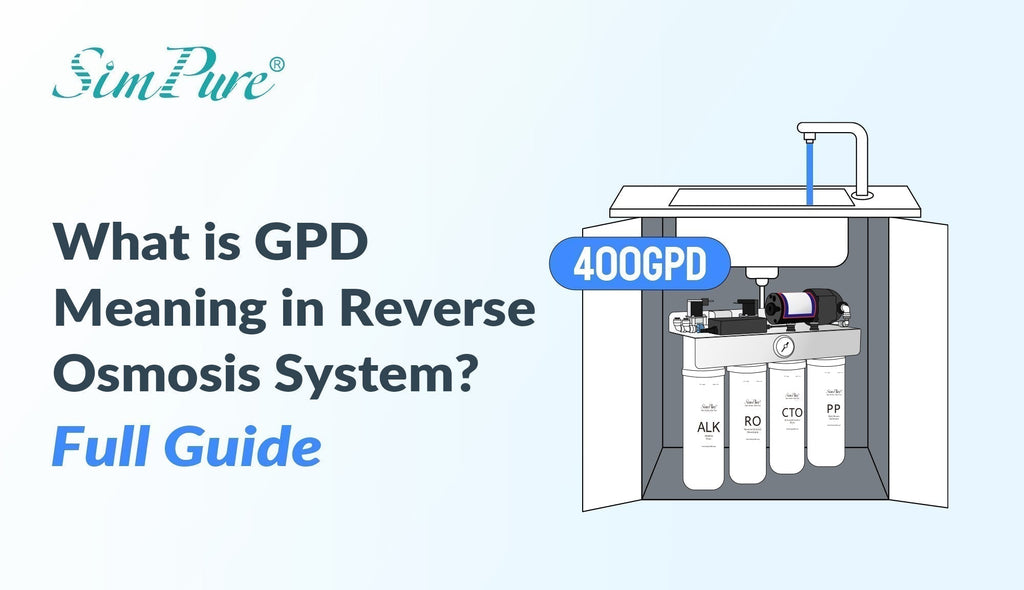
GPD means gallons per day, the rated output capacity of a water filter.
If you have ever asked what is gpd in water filter specs, you are not alone. I help homeowners compare RO systems each week, and GPD always sparks questions. In this guide, I explain what is gpd in water filter performance, how it affects flow, taste, and cost, and how to pick the right rating for your home.

What GPD Means in Water Filters
GPD stands for gallons per day. It is the maximum clean water a membrane can produce in 24 hours under lab test conditions. Most brands rate reverse osmosis membranes at 77°F water temperature, 60 psi feed pressure, and moderate TDS levels.
Put simply, GPD is speed, not purity. A 50 GPD and a 100 GPD membrane can both make very clean water if they are quality parts and well set up. When people ask what is gpd in water filter terms on the box, it is the capacity number, not the filtration grade or TDS rejection by itself.

How GPD Affects Real-World Flow and Performance
Real homes rarely match the lab. Cold water slows output. Low pressure reduces flow. High dissolved solids add resistance. So a 75 GPD membrane might only deliver 30–50 GPD at the sink on a winter day.
A quick rule I use on jobs: expect 50–70% of the stated GPD in typical homes without a booster pump. For example, a 50 GPD unit may average 1–2 gallons per hour during a long run. If you wonder what is gpd in water filter sizing for a family of four, consider peak use windows like dinner prep, not only the daily total.
GPD vs Filtration Quality and TDS Rejection
Higher GPD does not mean worse filtration. Membrane chemistry, sheet area, and flow channels drive capacity. Quality RO membranes list a TDS rejection rate, often 90–98% under standard tests (NSF/ANSI 58 criteria). You can have a 100 GPD membrane that rejects as well as a 50 GPD membrane from the same top brand.
If you care most about taste and low TDS, focus on membrane rejection first, then choose GPD for speed. That is how I compare what is gpd in water filter lines without mixing up flow rating and purity claims.

Choosing the Right GPD for Your Home
Pick GPD by daily use, peak demand, and pressure. Also check the storage tank size, since most people draw short bursts, not 6-hour runs.
Try these starting points:
- Single person or couple with light cooking: 50–75 GPD.
- Family of 3–4 with daily cooking and tea or coffee: 75–100 GPD.
- Large family, heavy cooking, hydration bottles, or ice maker: 100–200 GPD.
- Low water pressure homes: pick higher GPD or add a booster pump.
If you are pricing systems and still asking what is gpd in water filter selection for you, match your busiest hour. If your family fills pots and bottles in a short window, a higher GPD helps keep the tank from running dry.
Factors That Impact Actual Output
Several variables move the needle more than most people expect. When clients ask what is gpd in water filter reality versus the label, I walk them through these:
- Feed pressure. RO likes 60–80 psi. Under 50 psi, output falls fast.
- Temperature. Each 10°F drop below 77°F can cut flow by 10–20%.
- Feed TDS and hardness. High TDS reduces permeate flow.
- Flow restrictor match. A wrong restrictor hurts both flow and rejection.
- Membrane age and fouling. Scale and organics clog and slow output.
- Prefilter condition. Clogged sediment or carbon starve the membrane.
- Storage tank pressure. Over-pressurized tanks lower delivered flow.

Installation and Maintenance Tips to Hit Rated GPD
Good setup closes the gap between rated and actual GPD. On my installs, small fixes often double output.
Do this:
- Use a booster pump if static pressure is under 55–60 psi.
- Warm feed helps. If safe and allowed, run from temperate cold line, not near-freezing water.
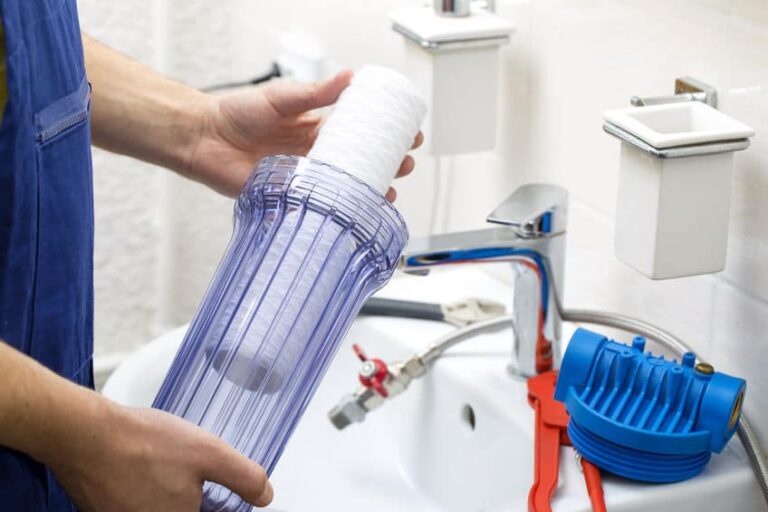
- Replace sediment and carbon prefilters on time.
- Sanitize the system and tank yearly to protect flow and taste.
- Set the tank air precharge to about 7–8 psi when empty.
- Match the flow restrictor to your membrane rating.
- Flush new membranes as the maker directs.
If a neighbor asks what is gpd in water filter upkeep terms, I tell them: pressure, temperature, and clean prefilters are the big three.

Cost, Efficiency, and Wastewater Ratio by GPD
RO systems make pure water and a brine stream. The ratio can be 1:2 to 1:4 in many homes. Higher GPD membranes sometimes run more efficiently, but pressure and restrictor size matter more.
Ways to improve efficiency:
- Install a permeate pump to reduce waste and speed tank fills.
- Keep pressure high and prefilters clean.
- Choose a membrane with strong rejection so you do not chase flavor with extra polishing stages.
When clients price options and ask what is gpd in water filter cost math, I show them that a booster pump and a right-size membrane often save water and time over years.
Common Myths and Mistakes About GPD
I hear the same myths in kitchen chats and service calls. Clearing them up helps buyers make smart picks.
- Higher GPD equals worse water. Not true. Quality and rejection matter more than GPD alone.
- Rated GPD is what you get. It is a lab rating. Homes vary widely.
- Bigger is always better. Oversizing can be fine, but check pressure, tank size, and use.
- Any restrictor will do. A mismatch hurts both flow and purity.
- Filters fix pressure. Membranes need pressure; they do not create it.
If you still wonder what is gpd in water filter marketing versus reality, remember: test conditions set the label, your setup sets the result.
Frequently Asked Questions of what is gpd in water filter
What does GPD actually measure?
GPD measures how many gallons of purified water a membrane can produce in 24 hours under standard lab conditions. It is a capacity rating, not a purity score.
Is a 100 GPD RO better than a 50 GPD RO?
Not always. A 100 GPD model is faster, but purity depends on membrane rejection, setup, and maintenance.
How much GPD do I need for a family of four?
Most families of four do well with 75–100 GPD. If you cook a lot, fill bottles, or feed a fridge line, consider 100–200 GPD.
Why is my actual GPD much lower than the label?
Cold water, low pressure, high TDS, and clogged prefilters cut output. A booster pump and timely filter changes restore flow.
Does higher GPD waste more water?
Not by itself. Efficiency depends on pressure, the flow restrictor, and the system design, such as using a permeate pump.
What is the standard test for GPD ratings?
Most ratings use about 77°F feed, 60 psi, and a set salt level per common RO test methods. Your home conditions will differ.
Can I upgrade my current system to a higher GPD?
Yes, if your housing fits the membrane and the restrictor is matched. Check pressure first to be sure you can support the higher flow.
Conclusion
You now know what is gpd in water filter specs and why it matters. GPD is the speedometer of your RO, while membrane rejection and setup protect taste and purity. Match GPD to your peak use, keep pressure strong, and maintain the system to get the flow you paid for.
Take a minute today to check your pressure, tank precharge, and filter dates. If you are shopping, list your daily habits and pick the GPD that fits your life. Want more tips like this? Subscribe for new guides, or drop your questions in the comments so I can help you dial in your setup.