How to Dispose Water Filter 2026
So, you’ve finished using a water filter and now you're wondering what on earth to do with it. It’s a super common question, and honestly, it’s great you’re thinking about it. We don’t want these things just piling up in landfills unnecessarily, right?
The thing is, there isn't a single "one-size-fits-all" answer. It really depends on what kind of filter you've got. Think of it like this: you wouldn't cook a steak the same way you'd prepare a salad, would you? Same principle here.
First Things First: What Kind of Filter Is It?
This is the biggest question you need to ask yourself. The materials inside and outside the filter housing change everything. Manufacturer specifications generally categorize filters based on their filtration media, housing material, and intended application, which dictates disposal routes. For instance, a simple activated carbon filter for a pitcher will have different disposal considerations than a multi-stage reverse osmosis membrane system.
Here are the most common types you’ll likely run into:
- Pitcher Filters: These are the ones you pop into your water pitcher. They usually have a plastic casing and a filter medium inside (often carbon-based). According to consumer reports and material science data, most pitcher filters consist of food-grade plastic and activated carbon granules.
- Faucet Filters: These attach directly to your kitchen faucet. They typically have a plastic housing. These units are designed for convenience and usually contain similar filtration media to pitcher filters.
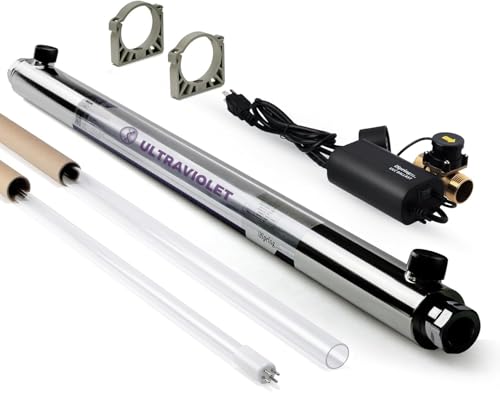
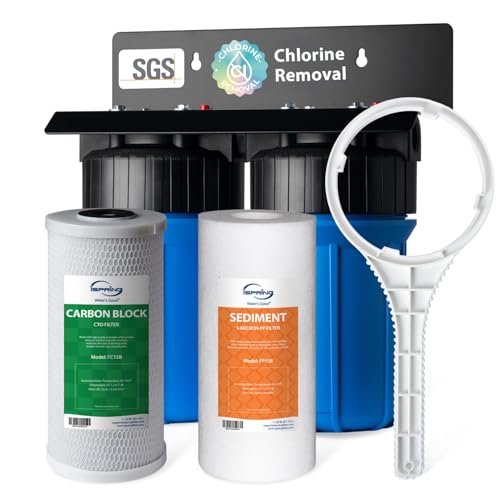
- Under-Sink Filters: These are installed out of sight, usually below your sink. They can come in single or multi-stage systems with various housings and cartridges. Some are designed for easy cartridge replacement, while others are more integrated. Advanced under-sink systems can include sediment filters, carbon blocks, and sometimes specialized media like ion-exchange resins or ultrafiltration membranes.
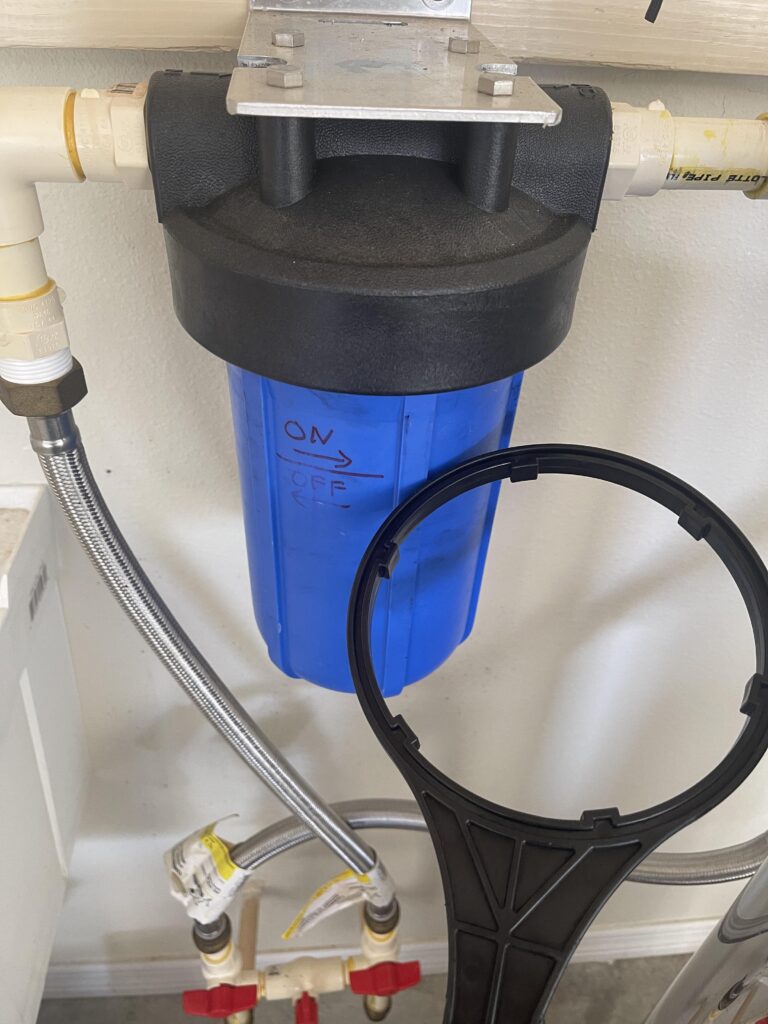
- Whole-House Filters: These are installed where the main water line enters your house. Like under-sink systems, they can be pretty varied but often involve larger cartridges and housings. These are engineered for high-volume filtration and can involve robust plastic or metal housings.
- Specialty Filters: Think RV filters, refrigerator filters, or even gravity-fed countertop systems. These can have unique designs and material compositions.

Common Water Filter Types and Their Disposal Basics
Understanding the general composition of your filter is the first step before you can figure out where it needs to go. Filters are far from uniform; what’s inside dictates the environmental options available.
Pitcher and Faucet Filters: Disposal
These typically have a plastic housing and contain granular activated carbon (GAC) or carbon blocks. For many common pitcher and faucet filters, if you can't find a specific take-back or recycling program, the general advice from environmental agencies is to dispose of them in your regular household trash. Always aim to drain out any residual water to prevent mess. Some manufacturers, like Brita, have partnered with recycling facilities through programs that allow consumers to mail filters back for processing.
Under-Sink and Whole-House Filters: Disposal
Disposal for under-sink and whole-house filter cartridges can vary more. These often use robust plastic housings or cartridges filled with media like sediment filters, carbon blocks, or more complex materials. Always check the manufacturer's specific instructions, as some may have take-back programs or suggest local recycling for the plastic components if separated. If no recycling option is available or the components are mixed, household trash is the usual route, after ensuring the unit is thoroughly drained.
For example, some whole-house filter housings are made from durable polypropylene or PVC and might be recyclable locally if cleaned and correctly identified.
Specialty Filters: Disposal
Filters for refrigerators, RVs, or portable countertop units also require their manufacturer's guidance because their designs differ significantly. A refrigerator filter might look similar to a pitcher filter but could have specific connections or housing materials. RV filters are built for portability and sometimes rugged use, potentially using different plastics. Always consult the product manual or the company's support website for the most accurate disposal recommendations for these unique filter types.
Your Disposal Decision Guide: Step-by-Step
Navigating the disposal process depends on a few key factors, but following these steps makes it straightforward. Think of this as your personal filter retirement plan.
Step 1: Identify Your Filter Type
Before you do anything else, take a good look at the filter you're about to replace. Is it a small cartridge for a pitcher, a larger cylinder for an under-sink system, or something else entirely? Note the brand name and model number if possible. This information will be crucial for the next steps.
Step 2: Check the Manufacturer's Instructions
This is non-negotiable. Most water filter manufacturers provide specific disposal or recycling instructions for their products. You can usually find this information on:
- The product packaging you might have kept.
- The filter's user manual.
- The manufacturer's official website, often in a FAQ, support, or sustainability section.
For instance, some companies might explicitly state that their cartridges are landfill-appropriate, while others may offer a mail-back program, especially for specialized filtration media. According to industry standards as of 2026, manufacturers are increasingly providing clear end-of-life guidance.
Step 3: Explore Recycling Options
Recycling is always the preferred method when available. See if your filter's manufacturer has a partnership with a recycling program. Some brands provide shipping labels or boxes to send used filters back to them for proper processing, often recovering valuable materials. You can also check with your local waste management provider or recycling center.
They might accept certain types of plastic housings or filter cartridges, though this is less common for the internal media.
Step 4: Trash Disposal When Necessary
If recycling isn't an option, and the manufacturer doesn't offer a take-back program, disposal in your regular household trash is typically the last resort. Before tossing it, make sure the filter is completely drained of any residual water. This prevents leaks and makes the item less messy for waste handlers. For most standard carbon-based filters, this is the most common end-of-life scenario when dedicated recycling isn't feasible.
Common Disposal Mistakes to Avoid
Making a misstep with filter disposal can mean sending something recyclable to the landfill or, in rare cases, mishandling materials that require special attention. Let's sidestep those common errors.
- Not checking manufacturer guidelines: This is the biggest one. Relying on general advice without consulting the maker means you might miss a perfectly good recycling option or, conversely, try to recycle something that isn't accepted. Manufacturer specifications are tailored to the exact materials used.
- Throwing away without draining: While not an environmental catastrophe, a waterlogged filter adds unnecessary weight and potential mess to trash collection. It's a simple step to drain it thoroughly.
- Assuming all filters are the same: A small pitcher filter is dramatically different internally from a multi-stage whole-house system. Each has its own end-of-life requirements. Treat them as the unique products they are.
- Attempting to disassemble complex filters without guidance: Unless the manual specifically instructs you to separate components for recycling, don't try to break down filters with specialized media like ion-exchange resins or membranes. This can be messy and potentially expose you to concentrated materials.
Expert Tips for Responsible Filter Disposal
Beyond the basic steps, a few expert insights can help you manage your used water filters responsibly. These tips focus on maximizing the chances of eco-friendly disposal or minimizing the impact if landfill is the only option.
- Keep Records: When you buy a new filter, jot down the brand and model, and even save the packaging if it has disposal info. This makes finding the right instructions later much easier.
- Look for Local Programs: Beyond manufacturer programs, some cities or counties have specific electronics or household hazardous waste collection days that might accept certain filter components. It's always worth a quick search on your local government's waste management website.
- Consider Filter Lifespans: Instead of waiting until a filter is completely spent, plan ahead for replacement. Understanding lifespan indicators (e.g., taste changes, reduced flow rate, manufacturer recommendations like servicing every 6 months or 100 gallons) means you can research disposal options concurrently with purchasing a new one.
- Rinse and Dry (if appropriate): If your filter has a durable plastic housing that's cleanable and doesn't contain fine, loose media, rinsing and drying it thoroughly can sometimes make it more acceptable for recycling programs that require clean plastic. Always confirm this is permitted by the recycler or manufacturer first.