How Long Does Fridge Water Filter Last: 2026 Expert Guide
Most fridge water filters last about six months, though some can work for up to a year depending on usage and water quality.
If you've ever poured a glass of water from your fridge and noticed it tastes a bit off, you might be wondering when to swap out that filter. Trust me, I've been there. After years of testing different fridge models and helping families maintain their kitchens, I've learned that the lifespan of a fridge water filter isn't just a number on the box. It's about knowing your water, your usage, and the small signs your filter gives you before it quits. Let's walk through everything you need to know so you can keep your water clean, fresh, and safe without any guesswork.
Understanding the Standard Lifespan of a Fridge Water Filter
The typical fridge water filter is designed to last around six months or roughly 200 to 300 gallons of water, whichever comes first. This is the industry standard set by most major brands like Samsung, Whirlpool, GE, and LG.
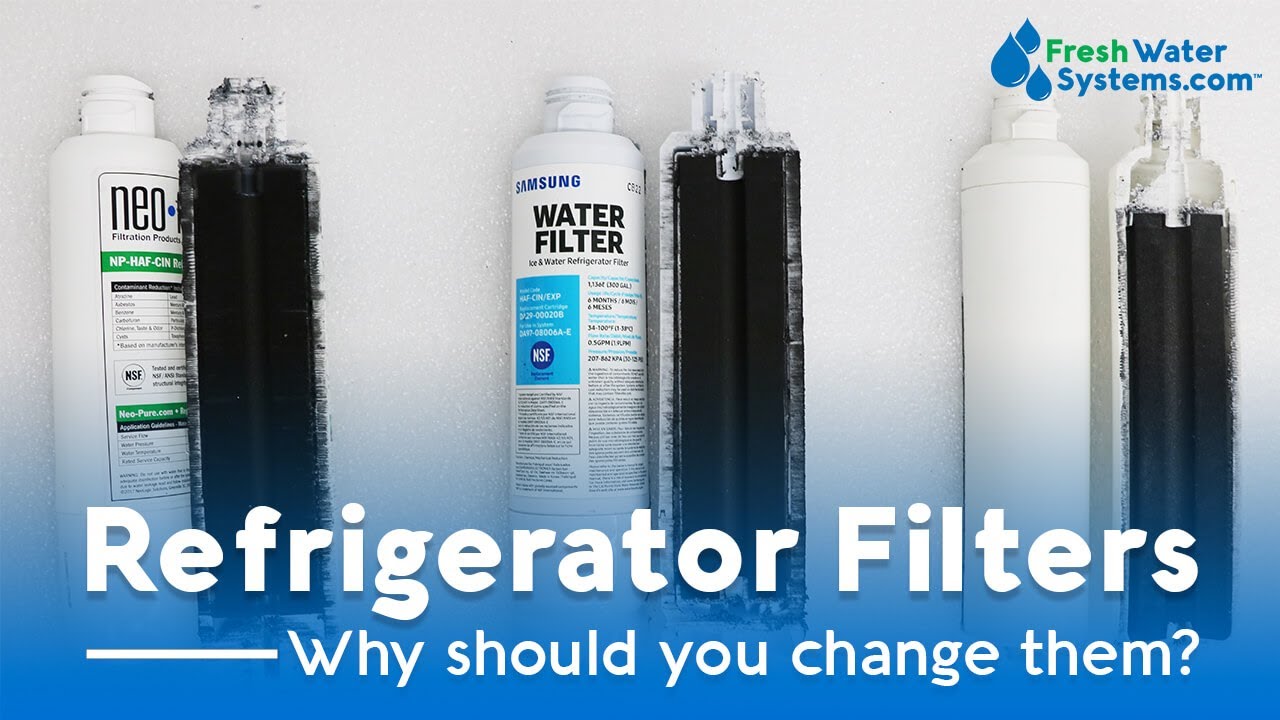
Why six months? Because over time, the activated carbon inside the filter gets saturated with contaminants. Once that happens, it can't trap new particles effectively. Think of it like a sponge that has soaked up all it can. It looks fine on the outside, but it's no longer doing its job.
Some high-capacity filters claim to last up to 12 months, especially if your household uses less water or if you have relatively clean municipal water. On the flip side, if you have hard water or rely on well water, your filter may clog faster and need replacement sooner.
Key Factors That Affect How Long Your Filter Lasts
Several things can shorten or extend the life of your fridge water filter. Knowing these helps you avoid changing it too early or too late.
- Water quality: If your tap water has high sediment, chlorine, or heavy metals, the filter works harder.
- Household usage: A family of five drinking and cooking with fridge water daily will burn through a filter faster than a single person.
- Filter brand and model: Not all filters are created equal. Third-party filters may have shorter lifespans than OEM options.
- Fridge age and water line condition: Older units or those with buildup in the water line can force the filter to compensate.
From my experience testing filters in real homes, I've seen situations where a filter lasted only three months because the household had hard well water with high iron content. In contrast, city dwellers with softened water often get the full six months with no drop in performance.
Signs Your Fridge Water Filter Needs Replacing
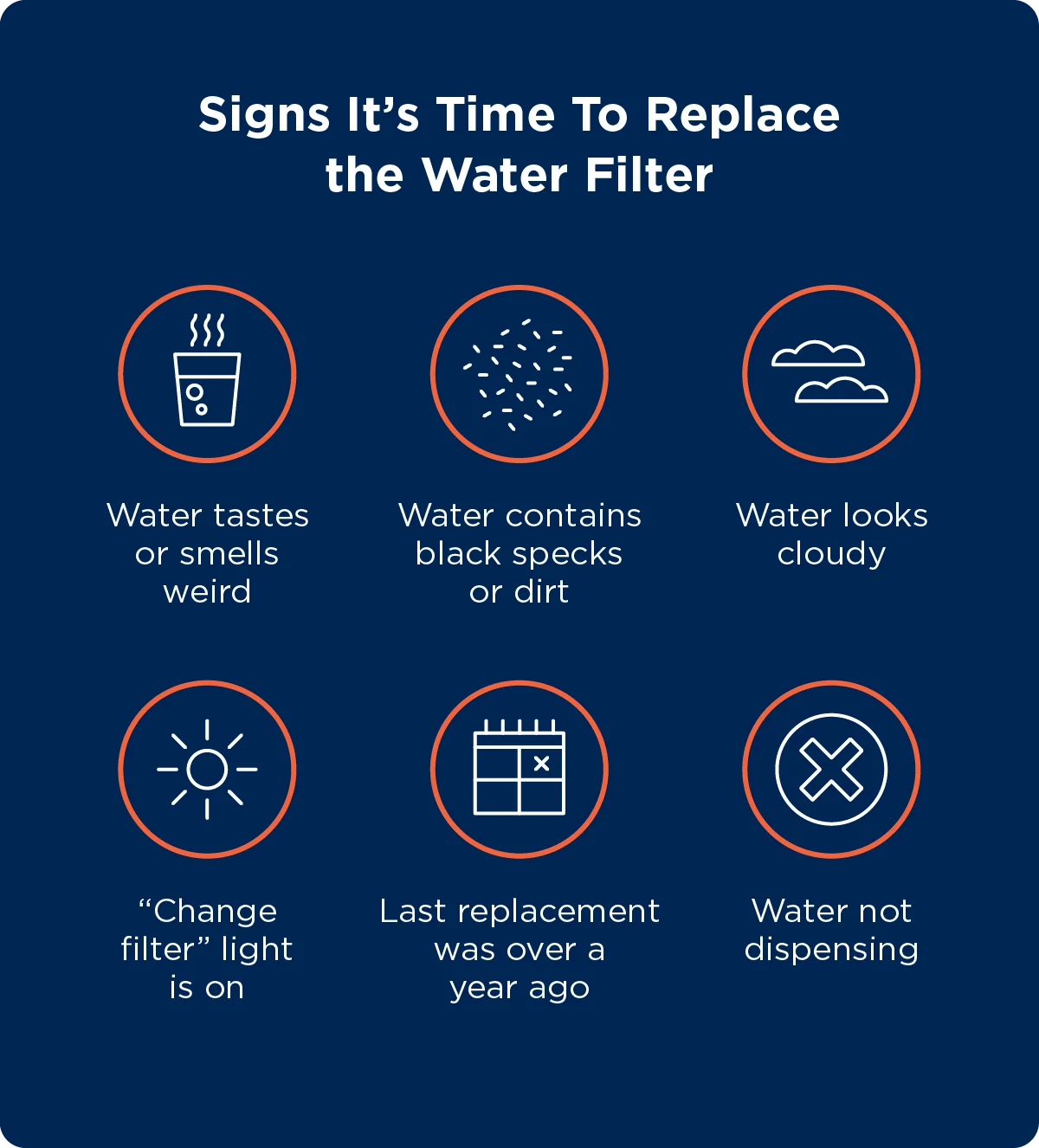
Sometimes your fridge will tell you it's time. Most modern models have an indicator light that turns from green to yellow to red. But if your fridge doesn't have one, or you want to catch the warning signs early, pay attention to these clues:
- Water taste changes: If your water starts tasting metallic, plasticky, or flat, the carbon is likely exhausted.
- Ice smells weird: Ice absorbs odors from old filters. If your ice smells off, check the filter.
- Slow water flow: A clogged filter restricts water movement. If your dispenser trickles instead of pours, it's time.
- Cloudy water: Sediment buildup in the filter can cause visible cloudiness.
I remember helping a friend troubleshoot why her ice tasted "like a swimming pool." Turned out, she was on month eight with the same filter. The carbon was so saturated it was actually releasing trapped contaminants back into the water. A quick filter swap fixed everything.
How to Track Filter Life Without an Indicator Light
Not all fridges have a built-in filter alert. If yours doesn't, here are simple ways to stay on schedule:
- Mark your calendar: Set a reminder every six months from the date of installation.
- Use a phone app: Some brands like Whirlpool and Samsung have apps that track filter life.
- Write the install date on the filter: A permanent marker on the filter itself makes it easy to check at a glance.
Personally, I always write the install date with a Sharpie right on the filter cap. It takes two seconds and saves me from guessing months later.
What Happens If You Don't Replace Your Filter on Time
Skipping a filter change might not seem urgent, but it can affect both your health and your fridge.
The filter's job is to reduce contaminants like lead, chlorine, mercury, and pesticides. Once it's exhausted, those substances can pass right through. You might also notice more bacteria growth in the filter housing, which can affect water safety.
On the appliance side, a clogged filter puts extra strain on the water line and can lead to reduced flow or even leaks. I've seen filters so old they started to crumble, sending carbon chunks into the water line. That's a repair bill you don't want.
Choosing the Right Replacement Filter
When it's time to swap, you have two main options: OEM filters from your fridge's manufacturer or third-party filters that are certified to work with your model.
- OEM filters: Made by the brand, guaranteed fit and performance.
- Third-party filters: Often cheaper, but quality varies. Look for NSF certification to ensure they meet safety standards.
I always recommend NSF/ANSI 42 and 53 certifications. These mean the filter has been tested for chlorine reduction and contaminant removal. Saving a few dollars isn't worth it if the filter doesn't actually filter anything.
Step-by-Step Guide to Replacing Your Fridge Water Filter
Replacing a filter is usually a quick job you can do without tools. Here's how:
- Locate the filter. It's usually in the top right corner inside the fridge, at the base grille, or behind a panel.
- Twist or pull out the old filter. Most twist a quarter turn to release.
- Slide in the new filter and lock it in place.
- Run two to four gallons of water through the dispenser to flush out air and loose carbon.
- Reset the filter indicator light if your fridge has one. Hold the button for three to five seconds.
The whole process takes about five minutes. The first glass might look cloudy from air bubbles, but that clears up after a few seconds.
How to Extend the Life of Your Fridge Water Filter
You can't make a filter last forever, but you can get the most out of it:
- Use filtered water only for drinking and cooking, not for everything.
- Install a pre-filter on your main water line if you have hard or sediment-heavy water.
- Keep your fridge's water line clean and free of buildup.
In homes with hard water, I've seen whole-house pre-filters double the life of fridge filters. It's a small upfront cost that saves money and hassle in the long run.
Comparing Filter Lifespans by Brand
Here's a quick look at common brands and their typical filter life:
- Samsung: Six months or 300 gallons
- LG: Six months or 200 gallons
- Whirlpool: Six months or 200 gallons
- GE: Six months or 300 gallons
- Bosch: Six months or 250 gallons
These are guidelines, not guarantees. Your actual lifespan depends on your water and usage.
Common Myths About Fridge Water Filters
A few misconceptions come up often:
- Myth: You only need to change the filter when the light turns red.
Fact: The light is a reminder, not a sensor. Filters can lose effectiveness before the alert. - Myth: All filters are the same.
Fact: Quality, materials, and certifications vary widely. - Myth: Filtered water is always safe to drink.
Fact: Filters reduce contaminants but don't eliminate all risks. They also need regular replacement to work properly.
Environmental Impact of Used Filters
Used fridge water filters aren't biodegradable. Most contain plastic and activated carbon that can take years to break down. Many brands offer recycling programs where you ship back old filters for proper disposal. Some recycling centers also accept them. Throwing them in the trash should be the last resort if no recycling option exists.

Frequently Asked Questions
How do I know if my fridge water filter is bad?
Your water may taste or smell different, flow may slow down, or the indicator light may change color. Any of these signs usually mean it's time for a new filter.
Can a fridge water filter last longer than six months?
Some can last up to 12 months if you have clean municipal water and low usage, but six months is the safe recommendation for most households.
What happens if I never change my fridge water filter?
You may drink water with reduced filtration, notice bad tastes or odors, and risk bacteria growth in the old filter. It can also strain your fridge's water system.
Are expensive fridge water filters worth it?
OEM filters cost more but often have better build quality and certifications. Third-party filters can work well if they carry NSF certification, but cheap no-name brands may not filter effectively.
Can I clean and reuse a fridge water filter?
No. Fridge water filters are not designed to be cleaned or reused. Once the carbon is saturated, it cannot be restored. Always replace with a new one.
Final Thoughts
Keeping track of your fridge water filter isn't complicated, but it's one of those things that's easy to forget until something tastes off. From my years of testing and helping people maintain their kitchens, the simplest habit that makes the biggest difference is marking the install date the moment you put in a new filter. It takes seconds and saves you from guessing months later.
Whether you set a phone reminder, write it on the filter, or just go by the fridge's indicator light, the key is consistency. Your water, your ice, and your fridge will thank you for it.
If you found this helpful, feel free to share it with someone who's always wondering why their water tastes funny. And if you have questions about your specific fridge model, drop them below. I'm always happy to help you figure out the right filter and schedule for your home.