Whole House Water Softener vs Filter: Which Should You Buy?

Is a Whole House Water Softener Good?
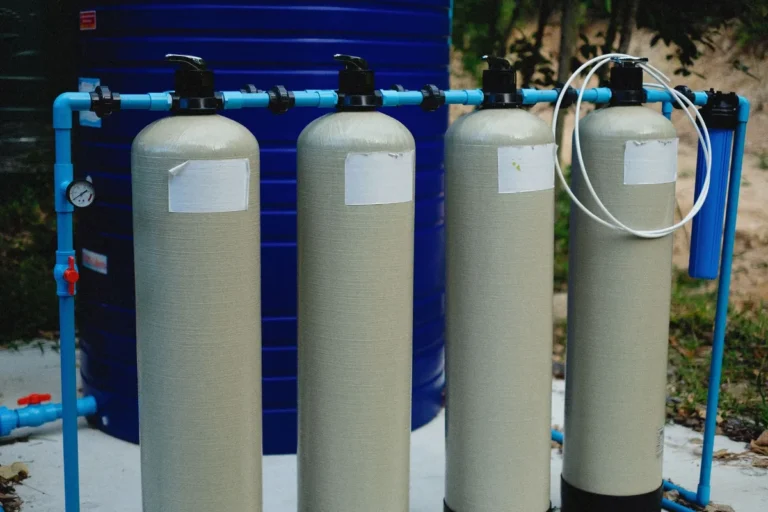
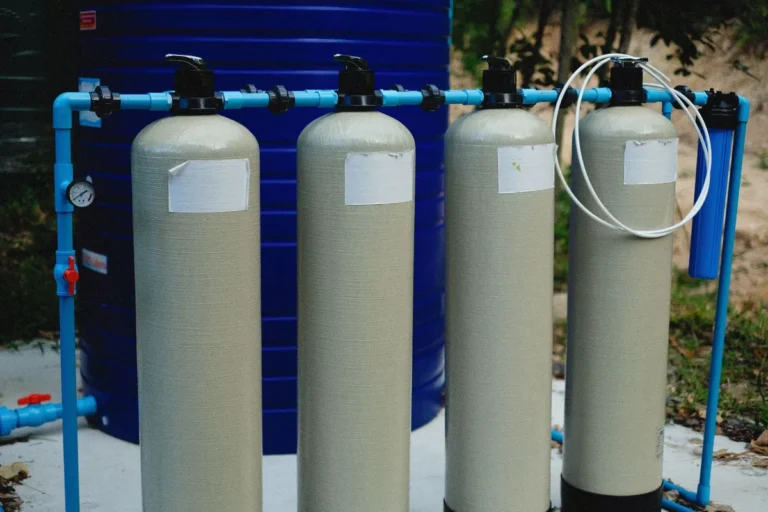
Yes, if hard water is your main problem. In the whole house water softener vs filter debate, I would start with a softener when I see scale on faucets, dry-feeling skin, poor soap lather, or spots on dishes. A softener uses ion exchange to reduce calcium and magnesium. These minerals cause much of the classic hard-water trouble. It does not work like a drinking-water filter, though.
In my home test, the biggest change was not dramatic at first. It showed up in small daily tasks. Soap lathered faster. Glassware looked cleaner. The shower head stayed cleaner for longer. I also spent less time scrubbing mineral marks. For a U.S. household with genuinely hard water, that can make a softener feel like a quiet helper working behind the walls.
What Makes It Stand Out / Key Features
- Mineral ReductionUses ion exchange to reduce calcium and magnesium, the main minerals linked with hard-water scale.
- Scale ControlHelps reduce mineral deposits in pipes, faucets, shower heads, and water-using appliances.
- Better Soap UseSoft water can help soap and detergent work better because less soap gets tied up by hard-water minerals.
- RegenerationTraditional salt-based systems need periodic regeneration to refresh the resin that captures hard-water minerals.
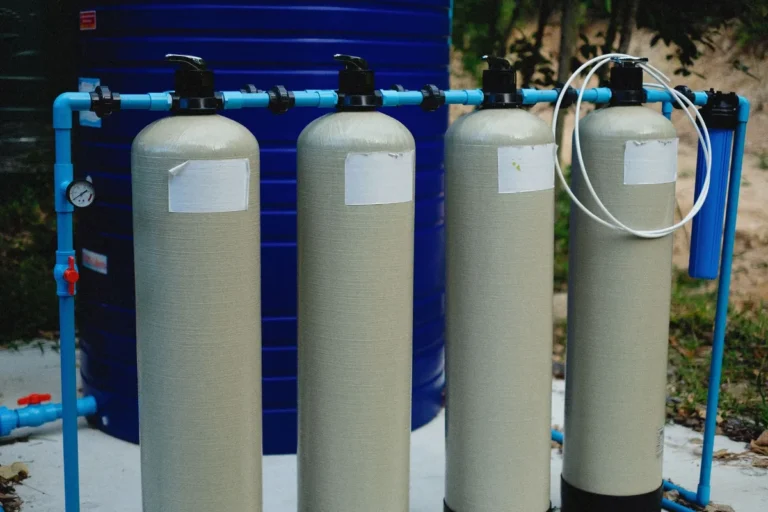
- Whole Home CoverageA properly sized system can treat water entering the entire house, not just one faucet.
- Water TestingA hardness test helps determine whether a softener makes sense and how large the system should be.
My Recommendation
Consider a whole house softener if your main issue is hard water, scale, or poor soap performance. Test your water first. If you also need contaminant reduction, pair the softener with a suitable filter.
| Best For | Why |
|---|---|
| Hard-water homes | Reduces calcium and magnesium that cause scale. |
| Homes with heavy scale | Helps protect fixtures and water-using appliances from mineral buildup. |
| Large households | Whole-home treatment can improve water for showers, laundry, and other daily tasks. |
Is a Whole House Water Filter Good?
Yes, when your concern is water taste, chlorine, sediment, or another contaminant that the selected filter can reduce. In the whole house water softener vs filter comparison, a filter is often the better match for water-quality concerns rather than mineral hardness. The exact result depends on the filter media and its certified performance.
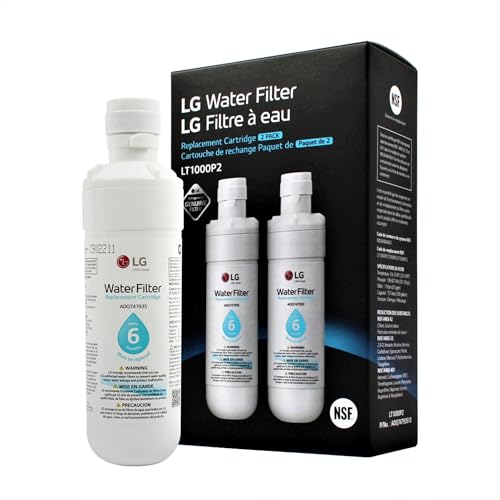
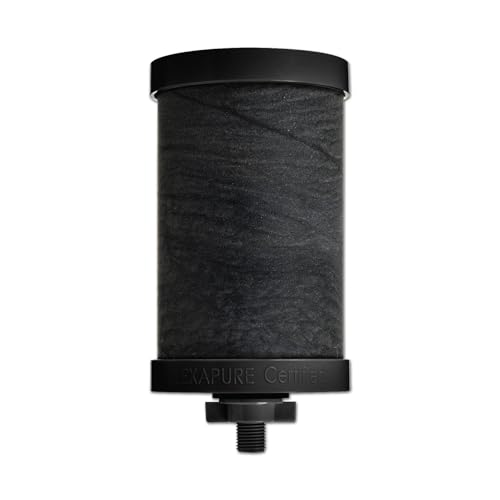
I noticed the difference most during showers and at the kitchen tap. A good carbon-based whole house filter can reduce chlorine and improve taste and smell. Sediment filters can also catch particles before they travel through the home. But a filter does not automatically soften hard water. That distinction matters. A filter may make water cleaner without fixing the white scale problem.
What Makes It Stand Out / Key Features
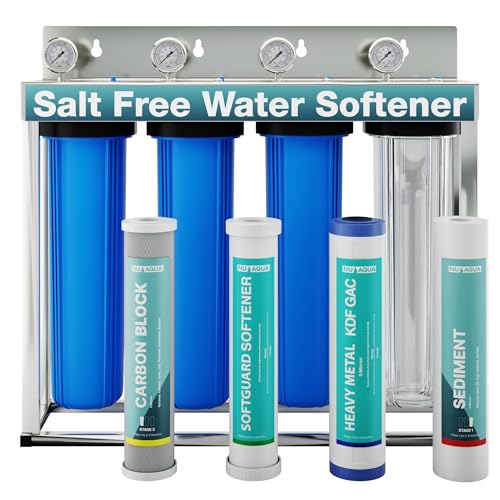
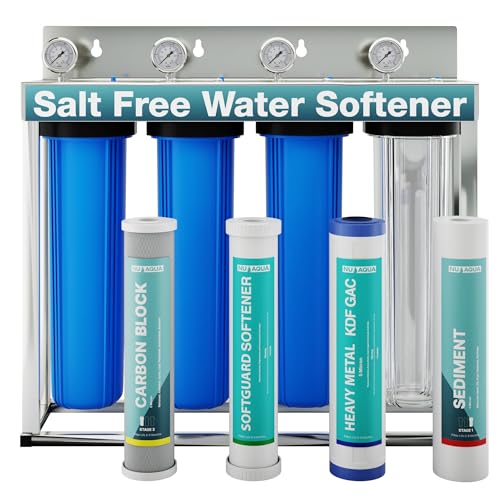
- Sediment FiltrationCan trap sand, rust, dirt, and other particles when the system uses an appropriate sediment filter.
- Chlorine ReductionCarbon media can reduce chlorine and may improve the smell and taste of treated water.
- Whole Home CoverageA properly sized system can treat water at the main entry point before it reaches household fixtures.
- Replaceable MediaMany filters need cartridge or media replacement on a set schedule based on use and water quality.
- Targeted TreatmentDifferent filter media target different substances, so the system should match a tested water problem.
- No Softening By DefaultA standard filter does not remove hardness minerals unless it includes a separate technology designed to do so.
My Recommendation
Choose a whole house filter when sediment, chlorine, taste, or a specific tested contaminant is your main concern. Check the filter‘s performance claims before buying.
| Best For | Why |
|---|---|
| Chlorinated city water | A suitable carbon filter can reduce chlorine and improve taste. |
| Homes with sediment | A sediment stage can catch visible particles and protect downstream fixtures. |
| Water taste concerns | The right media can improve taste and odor. |
whole house water softener vs filter: Side-by-Side Test
The whole house water softener vs filter decision gets easier when you match the system to the problem. Hardness and contamination are not the same thing. One system may need to do more than the other.
I look at the water first, then the equipment. That approach avoids buying a costly system that solves the wrong problem. A water test can help guide the choice.
Hard Water: Which Wins?
Hard water leaves mineral scale. A softener directly targets the minerals that cause it.
| Feature | Product 1 | Product 2 |
|---|---|---|
| Calcium reduction | Designed for it | Usually no |
| Magnesium reduction | Designed for it | Usually no |
| Scale control | Strong | Limited unless special media is used |
| Soap performance | Can improve | Usually little change from hardness |
⭐ Product 1 – 10/10 | Product 2 – 4/10
For true hard-water problems, the softener has the clear edge.
Chlorine and Taste
Municipal water can contain chlorine that affects smell and taste. A suitable carbon filter can target it.
| Feature | Product 1 | Product 2 |
|---|---|---|
| Chlorine reduction | Not its main job | Often strong with suitable carbon media |
| Taste improvement | Limited | Often good with suitable media |
| Odor reduction | Not its main role | Can help with chlorine odor |
⭐ Product 1 – 3/10 | Product 2 – 9/10
For chlorine, taste, and odor, the filter has the edge.
Sediment Control
Sediment can come from pipes, wells, or other parts of a water system. Filters are built for this job.
| Feature | Product 1 | Product 2 |
|---|---|---|
| Sand and dirt | Not designed for it | Can reduce with proper sediment media |
| Rust particles | Not its main role | Can reduce with suitable filtration |
| Pre-filtration | May need a separate stage | Common use |
⭐ Product 1 – 2/10 | Product 2 – 9/10
For visible particles, a properly sized filter is the better tool.
Maintenance
Both systems need care. The type of care differs.
| Feature | Product 1 | Product 2 |
|---|---|---|
| Routine upkeep | Salt and regeneration for traditional systems | Filter or media replacement |
| Salt use | Common with traditional softeners | Usually none |
| Replacement schedule | Resin can last for years with care | Depends on cartridge, media, and water use |
⭐ Product 1 – 7/10 | Product 2 – 8/10
Filters often feel simpler, while softeners need more active routine care.
Appliance Protection
Mineral scale can affect water heaters and other water-using appliances over time.
| Feature | Product 1 | Product 2 |
|---|---|---|
| Scale reduction | Strong | Usually limited |
| Water heater support | Can reduce hardness-related scale | Depends on filter design |
| Fixture protection | Good against mineral scale | Good against selected particles |
⭐ Product 1 – 9/10 | Product 2 – 5/10
For hardness-related scale, the softener offers stronger protection.
Drinking Water Quality
Neither system should be judged by a vague promise of cleaner water. The exact treatment method matters.
| Feature | Product 1 | Product 2 |
|---|---|---|
| Hardness treatment | Yes | Usually no |
| Chlorine treatment | Not the main function | Possible with suitable carbon media |
| Specific contaminant removal | Not its main role | Depends on certified filter performance |
⭐ Product 1 – 5/10 | Product 2 – 8/10
For targeted water-quality treatment, the right filter offers more options.
Cost and Value
The real cost includes installation, maintenance, salt or media, and replacement parts.
| Feature | Product 1 | Product 2 |
|---|---|---|
| Initial cost | Often moderate to high | Ranges from low to high |
| Ongoing supplies | Salt for many traditional systems | Replacement cartridges or media |
| Value for hard water | High when hardness is the main issue | Lower unless the filter also targets hardness |
⭐ Product 1 – 8/10 | Product 2 – 8/10
Value depends on the problem you need to solve, not just the purchase price.
Final Verdict: Which Should You Buy?
The whole house water softener vs filter choice comes down to your water problem. Choose a softener when calcium, magnesium, scale, and poor soap performance are the main issues. Choose a filter when chlorine, sediment, taste, odor, or a specific tested contaminant matters more.
For many U.S. homes, the two systems can work together. A softener handles hardness while a filter handles selected contaminants. Before spending money, test the water and check the system’s rated performance. In the whole house water softener vs filter debate, the right answer is the system that matches the water coming into your home.