How to Dispose of Fridge Water Filter 2026: Real Buyer Picks
Figuring out how to dispose of your fridge water filter might seem like a small thing, but getting it right means keeping potentially problematic materials out of landfills. When your refrigerator signals it’s time for a fresh water filter, you've got a choice beyond the nearest trash bin. Doing a bit of research can help you handle this common household item responsibly.

Manufacturer specifications often confirm that these filters, like the popular Everpure S-100 which uses activated carbon, are designed for specific filtration tasks. Understanding what these filters are made of is the first step in deciding the most appropriate disposal method for your situation.
Checking the Manufacturer's Advice First
Before you consider any other option, your first and best move is always to check what the company that made your filter recommends. Most major appliance and filter manufacturers provide clear guidelines on their websites how to handle their products post-use. This isn't just a suggestion; it's often based on the specific materials used in their cartridges and their understanding of waste management regulations.
If you can't find the information on your filter's packaging, look for the brand name (like Whirlpool, GE, Samsung, or Brita) and search their official website. You'll usually find this under sections like "Support," "FAQs," "Product Care," or sometimes even specifically under "Disposal & Recycling" for consumables. This direct guidance is tailored to your specific filter and is the most reliable source.
Understanding Your Filter's Material
The internal workings of a fridge water filter are key to how it functions and, consequently, how it should be disposed of. These filters rely on a combination of media to purify your water. The most common materials you'll find include
- Activated Carbon: This is a highly porous form of carbon that traps contaminants through adsorption. It's incredibly effective at reducing chlorine taste and odor, as well as certain organic compounds and heavy metals.
- Sediment Filters: These are often made of polypropylene or other inert fibers that physically block larger particles like rust, silt, and sand. They act as a pre-filter to protect the more specialized media.
- Ion-Exchange Resin: Used in some filters to reduce minerals like calcium and magnesium (which cause hardness) or to remove specific ions like lead or nitrates.
Understanding these components helps explain why some filters might have more specific disposal needs. For instance, while activated carbon is generally inert, filters designed to capture heavy metals like lead might require special handling to prevent those captured toxins from leaching back into the environment if not disposed of properly. The majority of fridge water filters sold as of 2026 are designed to be safe once their filtering capacity is exhausted.
Your Disposal Options: Step-by-Step
When it comes time to swap out your fridge water filter, you've got a few main paths you can take. Each option has its own considerations, and the "best" one often depends on where you live and the specific filter you're using. We've broken down the most common and recommended approaches for you below.
Option 1: Manufacturer's Recommended Disposal
This is your primary go-to. The company that designed and manufactured your filter has specific instructions for a reason. They might recommend returning the filter to them, suggest a particular way to clean it before trashing, or advise on local recycling options.
- Check the filter itself: Look for symbols or brief instructions printed on the filter's label or its original packaging.
- Visit the brand's website: Search for the manufacturer's name (e.g., "Whirlpool refrigerator filter disposal") and navigate to their support or product care section.
- Contact customer service: If you're still unsure, reaching out to their customer service department is a straightforward way to get a definitive answer.
Following these direct instructions ensures you're adhering to the company's guidelines, which are usually grounded in material science and waste management best practices.
Option 2: Finding Local Recycling Programs
Disposing of waste responsibly often comes down to local infrastructure. Many communities offer specialized recycling programs for items that can't go into your standard curbside bin. For fridge water filters, this can include:
- Municipal Recycling Centers: Some local waste management facilities have dedicated drop-off points for specific types of plastics or household waste. A quick check on your city or county's waste management website can tell you if water filters are accepted. You'll often find this under "Special Recycling" or "Household Hazardous Waste" sections.
- Retailer Take-Back Programs: Occasionally, stores that sell these filters may partner with manufacturers or recycling organizations to offer a take-back program. It's less common for fridge filters specifically, but worth asking at your local hardware store or appliance retailer.
When researching these programs, search for "[Your Town/County] recycling water filters" or "[Your Town/County] household waste disposal."
Option 3: When to Just Rinse and Trash It
If you've exhausted the avenues for manufacturer recommendations and local recycling programs, the final accepted method for most fridge water filters is typically to dispose of them in your regular household trash after a thorough rinse. This approach is common for filters made primarily of inert materials that pose no significant environmental risk in a landfill once drained.
- Why rinse? Rinsing removes any residual water and any loose filtering media, such as carbon fines, that might otherwise disperse into the trash.
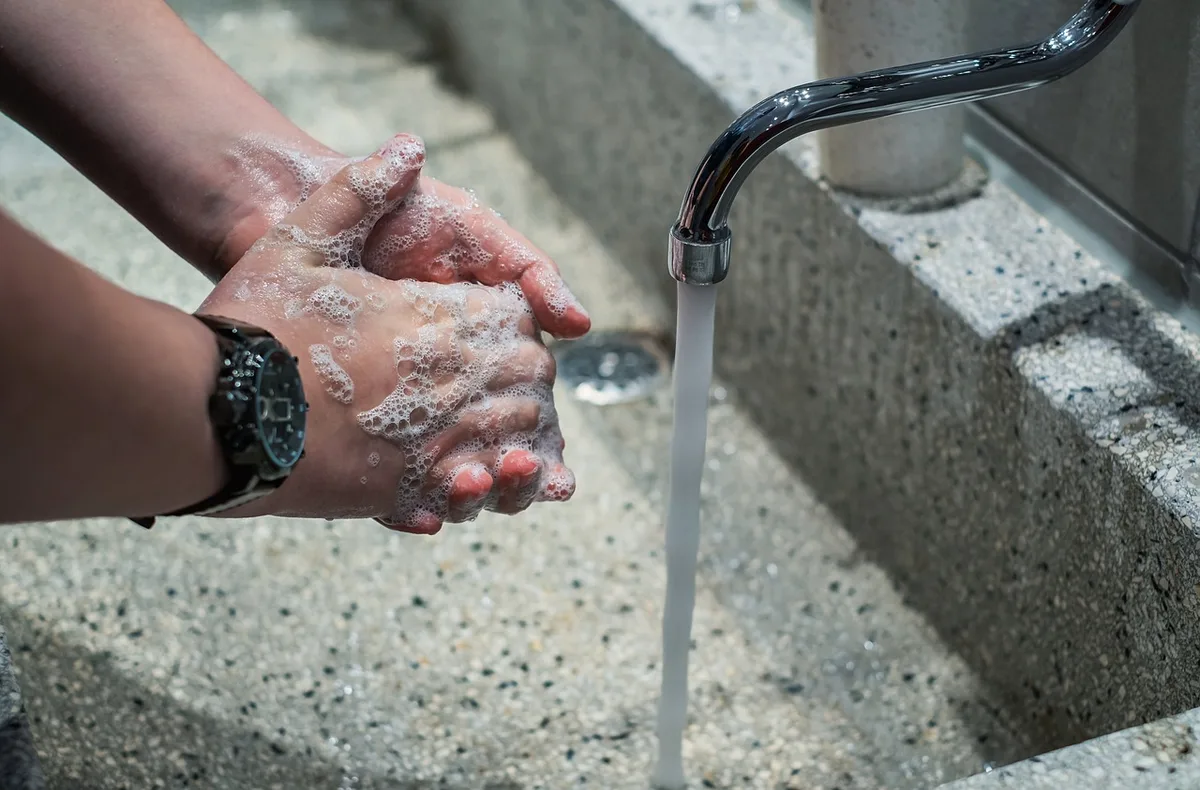
- How to rinse: Hold the filter under running tap water for about 30 seconds, ensuring water flows through it to flush out internal particles.
This method is considered the standard fallback when more specialized disposal options aren't available or practical for the consumer. It's important because it minimizes the immediate environmental impact by preventing waterlogging or the release of fine materials.
Common Mistakes to Avoid When Disposing of Filters
Even with the best intentions, it's possible to make missteps when dealing with used fridge water filters. Understanding these common errors can help you ensure you're doing it the most responsible way possible.
- Breaking the filter apart: Unless specifically instructed by the manufacturer, avoid disassembling the filter housing. The internal media is contained for a reason, and breaking it open can release fine particles or make it harder to handle.
- Assuming all filters are the same: Different brands and models use varied materials. A filter designed to remove lead might have different disposal considerations than one solely for chlorine reduction. Always check for specific recommendations.
- Ignoring local regulations: What's acceptable in one town or state might not be in another. Relying on general advice without checking local waste management guidelines can lead to improper disposal.
- Dumping directly down the drain: Even after rinsing, avoid pouring loose filter media (like small carbon granules) directly into your sink or toilet. This can contribute to plumbing issues or strain municipal wastewater treatment processes.
Quick Tips for Responsible Filter Disposal
To wrap up, here are a few handy reminders to make sure you're disposing of your fridge water filter the right way:
- Always start with the manual: The manufacturer knows their product best.
- Check for recycling symbols: Look for the universal recycling triangle (chasing arrows) on the filter or its packaging.
- Local is key: Your municipal waste or recycling center's website is your best friend for finding local disposal options.
- Rinse thoroughly: If trashing, a good rinse is still important.
- When in doubt, trash it safely: If you can't recycle and the manufacturer doesn't have specific instructions, rinsing and putting it in the regular trash is generally the safest final resort.
What Kind of Filter Do I Have?
Knowing the type of filter you're dealing with is your first checkpoint. Fridge water filters aren't all created equal, and their construction dictates their disposal journey. Most common filters fall into a few categories based on their primary filtering mechanism.
- Carbon Block Filters: These are very popular, using compressed activated carbon to remove chlorine, sediment, and certain organic chemicals. They're often dense and cylindrical.
- Granular Activated Carbon (GAC) Filters: Less compressed than block filters, these contain loose carbon granules. They work similarly but can sometimes be more prone to fines escaping if not properly contained.
- Multi-Stage Filters: Some advanced filters combine carbon with other media, like ion-exchange resins or specialized membranes, to tackle a wider range of contaminants including lead, mercury, or specific minerals.
The brand name and model number, often found on the filter itself or in your refrigerator's manual, are key to identifying its specific type.
Is This Filter Recyclable in My Area?
This is the million-dollar question for many, and the honest answer is: it depends. While the plastic housing of many filters is technically recyclable, the internal filtering media might not be accepted by all municipal recycling programs. Some jurisdictions have specific guidelines for discarding household items that have come into contact with water purification materials.
To find out if your filter is accepted, you'll need to consult your local waste management authority. A quick search on your town or county's official government website for "recycling guidelines" or "special waste disposal" should point you in the right direction. Look for information on plastic recycling codes (often found on the filter's housing) and any specific notes about disposable filters or water purification cartridges.
Common Recycling Questions Answered
- Can I just put it in my blue bin? Usually no, unless your local program specifically states they accept them. The internal media can complicate the sorting process.
- What if it's just plastic? Even if the outer shell is standard recyclable plastic (like PET or HDPE), contamination from the filtering media can make it unsuitable for standard recycling streams.
- Are there specialized drop-offs? Some areas have collection events or permanent drop-off sites for specific waste types, which might include filters. It's worth checking for these.
What if Recycling Isn't an Option?
If your local recycling center doesn't accept fridge water filters, or if you can't find specific manufacturer return programs, the next best step is a clean disposal in your regular household trash. This method is widely accepted and considered environmentally sound for most filters, provided they are properly prepared.
The crucial step here is thorough rinsing. This removes any residual water and ensures that the filtering media, like activated carbon particles, are contained. Essentially, you want to empty out as much of the filter's contents as possible before it goes into the trash. This prevents any potential issues within the landfill environment.
Preparing the Filter for Trash Disposal
- Remove from fridge: Take the old filter out of its housing.
- Empty residual water: Hold it upside down over a sink or bucket to drain any remaining water.
- Rinse thoroughly: Flush the filter with clean tap water for at least 30 seconds, ensuring water runs through it.
- Shake gently: Give it a gentle shake to remove excess water.
- Bag if desired: Some people prefer to place the rinsed filter in a plastic bag before putting it in the trash, though this is usually not strictly necessary.
Understanding Filter Lifespan and Replacement Cycles
Knowing when to replace your filter is directly tied to responsible disposal. Filters don't last forever; their effectiveness degrades over time as they capture more impurities. Most manufacturers recommend a replacement schedule based on usage duration or the amount of water filtered.
- Time-Based: Typically every 6 months. This is a common recommendation for most refrigerator water filters, regardless of water usage.
- Volume-Based: Some filters have a stated capacity (e.g., 300 gallons or 1,000 liters). Your refrigerator might have an internal sensor that tracks water usage to estimate when the filter is nearing its capacity.
Ignoring replacement cycles doesn't just mean you'll get less pure water; it can also affect your refrigerator's performance and potentially lead to a buildup of filtered contaminants within the filter itself, making disposal something to manage proactively.
Why Proper Disposal Matters to the Environment
The reason we’re talking about this is simple: responsible waste management. While a single fridge water filter might seem insignificant, collectively, these items add up. Improper disposal can lead to several issues.
- Landfill Strain: Non-recycled materials take up valuable space in landfills.
- Potential Contamination: While most filter media is inert, filters designed to remove heavy metals like lead could, in theory, leach these materials if improperly handled in the environment.
- Resource Conservation: Recycling plastics and other materials conserves raw resources and reduces the energy needed to produce new products. Choosing to recycle, when possible, supports a more circular economy.
By actively looking for the best disposal method, you’re contributing to a healthier planet, one filter at a time.