What Water Filter Removes Microplastics: Best 2026 Guide
Reverse osmosis, ultrafiltration, and 0.5–1 micron absolute filters remove microplastics.
If you want a clear, data-backed answer to what water filter removes microplastics, you’re in the right place. I test and review filtration systems for homes and labs, and I keep the language simple. In this guide, I break down what water filter removes microplastics, how each option works, what to avoid, and how to choose with confidence. You’ll get real tips, lab-grade standards, and hard-won lessons from real use.
Microplastics in drinking water: what they are and why they matter
Microplastics are tiny plastic pieces under 5 millimeters. Many are much smaller, even down to a few microns. They come from clothing fibers, packaging, tire wear, and broken plastic waste.
They show up in tap water, bottled water, and even ice. These particles can carry other pollutants on their surface. Research is still evolving on health effects, but many people want them out of their water now.
Key takeaways:
- Size matters. The smaller the particle, the harder it is to remove.
- Many household filters can reduce them, but not all will.
- When people ask what water filter removes microplastics, pore size and certification are the first things I check.

What water filter removes microplastics: the options that actually work
When clients ask me what water filter removes microplastics, I start with filters that have proven mechanical barriers. Here is what works, how it works, and what to watch.
Reverse osmosis (RO)
- What it is: A membrane with pores around 0.0001 microns.
- Why it works: It blocks microplastics and most nanoplastics by size.
- Notes: Under-sink RO is the gold standard when someone asks what water filter removes microplastics with the highest certainty. It also cuts many chemicals, salts, and PFAS.
Nanofiltration (NF)
- What it is: A membrane slightly looser than RO.
- Why it works: Removes microplastics and a wide range of contaminants.
- Notes: Less common than RO in homes, but also effective.
Ultrafiltration (UF)
- What it is: Hollow-fiber membranes around 0.01–0.1 microns.
- Why it works: Captures most microplastics by size.
- Notes: Great for point-of-use systems where you want strong flow without RO.
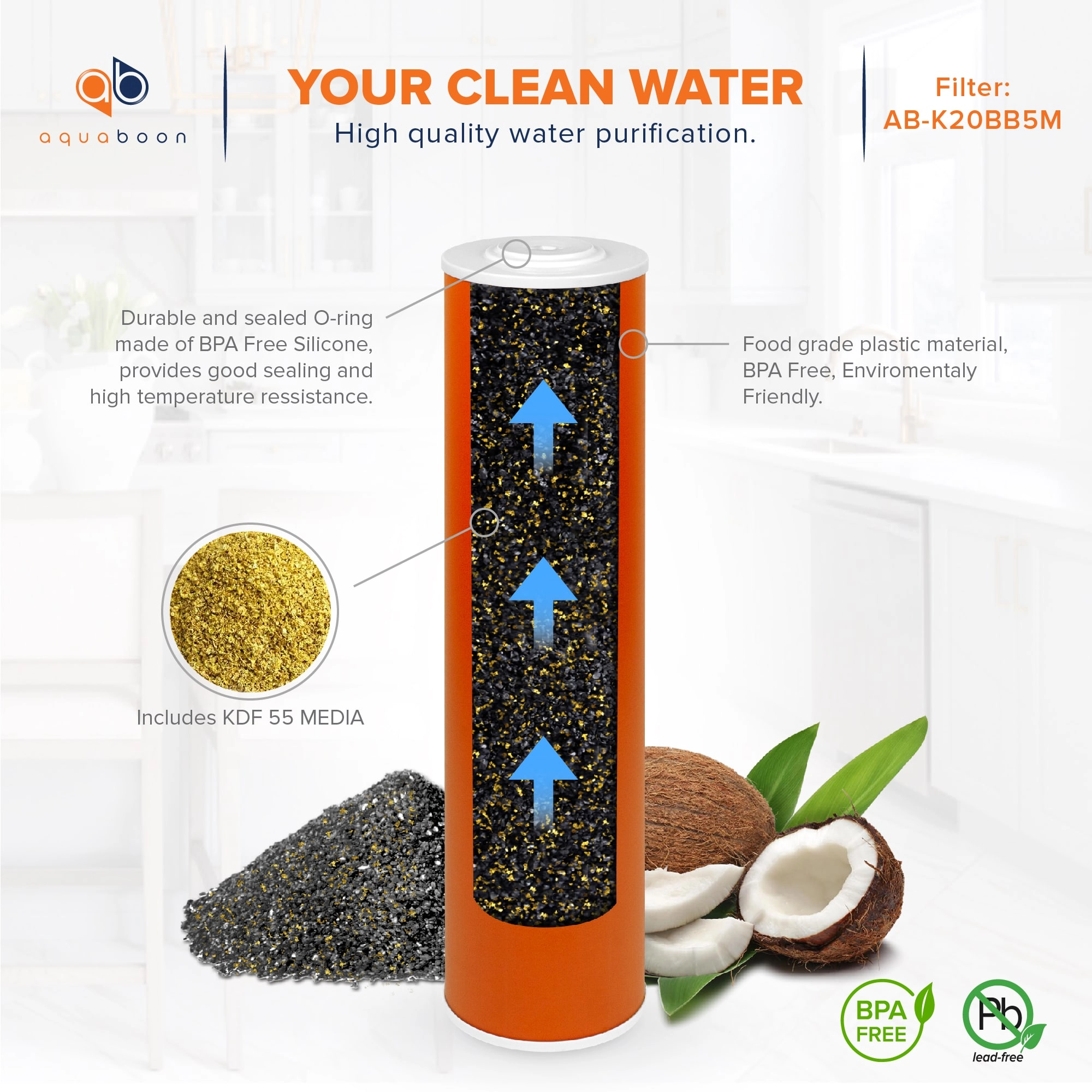
Carbon block filters with fine micron ratings
- What it is: Dense activated carbon formed into a block, often with submicron pores.
- Why it works: Mechanical filtration plus adsorption. Look for absolute 0.5–1 micron or NSF particulate Class I.
- Notes: Granular activated carbon (loose GAC) is not reliable for microplastics on its own.
Ceramic filters
- What it is: Porous ceramic, often 0.2–0.5 microns.
- Why it works: Precise pores block microplastics and many microbes.
- Notes: Flow is slower, but they are cleanable and long-lasting.
Whole-home sediment filters
- What it is: Cartridge filters at the main line.
- Why it works: A 1-micron absolute sediment filter can trap many microplastics before they reach taps.
- Notes: Pair with a point-of-use filter for drinking, since 1 micron may miss the smallest particles.
Distillers
- What it is: Boil water, capture steam, condense.
- Why it works: Plastics do not evaporate with water.
- Notes: Good backup, slow, and uses electricity. Post-carbon polishing helps taste.
What does not remove microplastics well
- Ion exchange alone does not remove particles by size.
- UV lights kill microbes but do not filter solids.
- Loose carbon (GAC) and basic pitcher filters without fine rating are hit or miss.
My quick rule of thumb
- If you want the simplest answer to what water filter removes microplastics across sizes, choose RO.
- If you want strong removal without RO, pick a certified 0.5–1 micron absolute carbon block or a UF system.
Personal field note
I ran a 0.5-micron carbon block at my kitchen sink and an RO at my office. Both reduced fibers I could catch on a 5-micron lab screen to near zero. The RO unit produced the cleanest, most consistent results across weeks, even as filters aged.

Certifications, test methods, and labels that actually mean something
When people ask what water filter removes microplastics, I point them to the label next. There is no universal certification only for microplastics yet, but these standards help you judge real performance:
- NSF/ANSI 42, Particulate Reduction, Class I: Demonstrates reduction of particles 0.5–1 micron. Helpful signal for microplastic removal by carbon block filters.
- NSF/ANSI 53, Cyst Reduction: Requires removing protozoan cysts around 3–5 microns. If a filter catches cysts, it will catch large microplastics.
- NSF/ANSI 58, Reverse Osmosis: Confirms performance of RO systems. While not microplastics-specific, RO membranes exceed microplastic removal needs by pore size.
- Absolute vs nominal micron rating: Absolute means the pore size won’t let bigger particles pass. Nominal means “about this size” and is less strict. For microplastics, absolute is better.
- Independent lab reports: Look for third-party tests that state the particle size range and percentage reduction.
Two label red flags
- Vague claims like “removes microplastics” without particle size or test data.
- “Up to 99%” with no method, sample size, or lab mentioned.

How to choose the right setup for your home
Start with your water source and goals. Your answer to what water filter removes microplastics can be simple if you match the tool to your space.
If you rent or want easy install
- Countertop RO with a tank. No drilling. High removal.
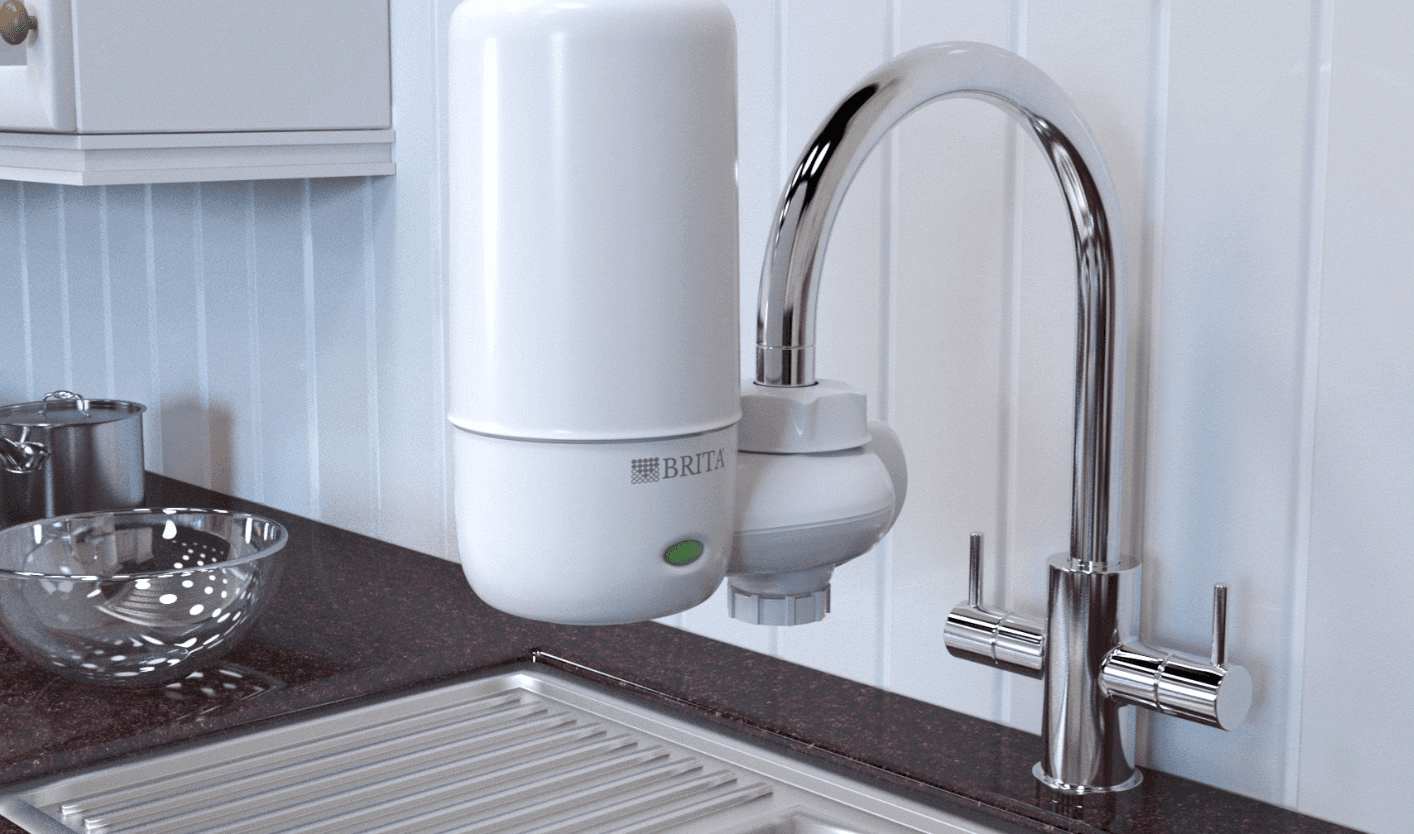
- Faucet-mount with 0.5–1 micron absolute carbon block.
- An advanced pitcher with a tested submicron block and published microplastic data.
If you own your home
- Under-sink RO with sediment and carbon prefilters.
- Add a 1-micron absolute whole-home sediment filter to catch fibers at the entry.
- For high flow at the sink, use UF or a fine carbon block.
If you use well water
- Test first for sediment, iron, and microbes.
- Stage filters: 5-micron sediment, then 1-micron absolute, then RO or UF at the tap.
Decision shortcut
- Want best possible removal? RO.
- Want no wastewater and fast flow? Submicron carbon block or UF.
- Want to cover the whole house? 1-micron absolute sediment at entry plus a strong point-of-use filter for drinking.
Budget planning
- RO: higher upfront, low per-gallon cost over time.
- Carbon block and UF: moderate upfront, low to moderate cartridge costs.
- Pitchers: low upfront, higher ongoing if you drink a lot.

Setup, maintenance, and mistakes to avoid
Proper care matters as much as choosing what water filter removes microplastics.
Install tips
- Use a sediment prefilter if your water is cloudy. It protects finer filters.
- Do not run hot water through carbon blocks or RO lines.
- Flush new cartridges as directed to clear fines.
Maintenance basics
- Replace on schedule or by liters used. Microplastics can load filters faster than you think.
- Sanitize housings and change O-rings annually.
- Watch pressure and flow. A sudden drop can mean a clogged filter.
How to know it’s working
- A TDS pen will not show microplastics. TDS measures dissolved ions, not particles.
- For peace of mind, look for independent lab tests from the brand. You can also mail a sample to a lab that screens for microplastics.
- If you see visible fibers in a clear glass after aerating water, it’s time to check filters.
Common mistakes
- Buying a “taste and odor” filter and assuming it catches particles.
- Choosing nominal 5-micron filters when asking what water filter removes microplastics. Many particles are smaller.
- Forgetting to pair whole-home sediment filters with a point-of-use barrier for drinking.
Costs, flow rates, and environmental impact
Cost per gallon
- RO: Often a few cents per gallon after the first year.
- Submicron carbon block or UF: Similar or a bit higher, depends on your use.
- Pitchers: Can cost more per gallon if you refill many times a day.
Flow and convenience
- RO with a tank gives steady flow. Tankless RO needs enough incoming pressure.
- UF and carbon block offer fast flow at the sink.
- Pitchers are fine for light use but slow for families.
Waste and sustainability
- RO sends some reject water to the drain. Modern units can reach 1:1 or 2:1 ratios. Use a permeate pump or collect reject water for non-potable uses if allowed.
- Spent filters hold captured microplastics. Follow local disposal rules. Some brands have take-back programs.
- A durable system you maintain well creates less waste than single-use bottled water.

My hands-on notes and what I tell friends
I’m often asked, in plain words, what water filter removes microplastics without fuss. Here’s how I answer after years of installs and tests:
- For most homes, under-sink RO is the safest bet. It has the tightest barrier and helps with many other worries like PFAS and nitrates.
- If you dislike the idea of RO wastewater, a 0.5-micron absolute carbon block or a UF faucet system is my go-to. In my kitchen, a submicron block cut visible fibers in rinse water and improved taste.
- For whole-home, I use a 1-micron absolute sediment filter at the main line. It keeps fibers out of showers and laundry. Then I use RO at the sink for drinking.
Lessons learned
- Do not skip prefilters if your water has grit. You will burn through fine cartridges fast.
- Replace filters on time. Microplastics don’t change taste like chlorine, so it is easy to forget.
- When in doubt about what water filter removes microplastics for your setup, pick the option with a clear micron rating and recognized certification.
Frequently Asked Questions of what water filter removes microplastics
Do pitcher filters remove microplastics?
Some advanced pitchers with submicron carbon blocks can reduce microplastics. Check for absolute micron ratings or independent lab data, not just taste claims.
Can a 1-micron filter remove microplastics?
Yes, it removes many microplastics, especially larger fibers and fragments. To catch smaller particles, use 0.5-micron absolute, UF, or RO.
Does boiling water remove microplastics?
Boiling does not remove particles. Distillation does, because plastics do not evaporate with steam.
Is reverse osmosis overkill for microplastics?
No. RO is highly effective for microplastics and also reduces many other contaminants. It is a strong all-around choice if you can install it.
How do I verify microplastic removal at home?
TDS meters will not help. Look for third-party lab reports from the brand or send a water sample to a lab that measures microplastics.
Will UV purifiers remove microplastics?
No. UV inactivates microbes but does not filter solids. Pair UV with a fine filter if you need both.
Conclusion
When you strip away the noise, the clear answer to what water filter removes microplastics is this: use a real barrier. RO gives the strongest protection. Submicron carbon blocks, UF membranes, and fine ceramic filters also work well when chosen and maintained with care.
Pick the setup that fits your space, budget, and flow needs, then maintain it on schedule. Your next step: check your current filter’s micron rating, look for NSF marks, and decide if RO or a submicron block is the right move for your home. If you found this helpful, subscribe for more practical water guides or drop a question in the comments—I’m happy to help you choose.