How Do You Filter Salt Water in 2026 (That Actually Work)
When faced with the daunting prospect of limited freshwater, learning how do you filter salt water can be a critical skill. Whether it's an emergency survival situation, an off-grid adventure, or simply a desire for greater water independence, transforming ocean or brackish water into something safe to drink is achievable. This process, known as desalination, relies on separating dissolved salts and minerals.
Different methods exist, each with its own strengths and complexities. Understanding these approaches is key to selecting what’s right for your needs. For instance, the reverse osmosis process can remove up to 99% of dissolved salts, but requires significant energy, while solar distillation offers a lower-tech, eco-friendly alternative, though its output may be slower.
Is Filtering Saltwater Always for Drinking?
Not all filtration of saltwater is about making it drinkable. Many applications require removing larger particles like sand, silt, and organic debris for non-potable uses. Think about preparing water for engine cooling on a boat, cleaning equipment, or certain industrial processes. For these, a simple sediment filter might suffice, removing physical contaminants without tackling dissolved salts.
However, if your goal is potable water, water safe for human consumption, meeting standards like those set by the U.S. Environmental Protection Agency (EPA) for drinking water, then a more robust, salt-removing process is absolutely essential.

The Core Challenge: Separating Salt from Water
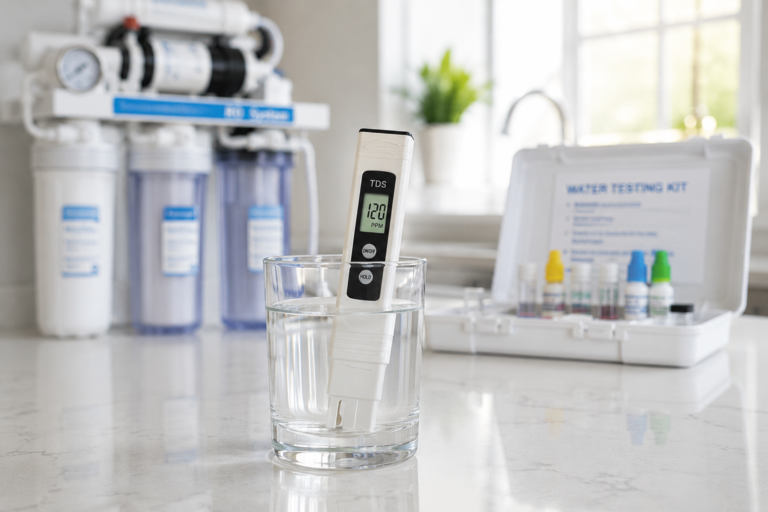
The fundamental hurdle in filtering saltwater is the sheer concentration of dissolved solids. Seawater typically contains around 35,000 parts per million (PPM) of total dissolved solids (TDS), primarily sodium chloride. This is far beyond safe drinking limits, which are generally considered to be below 500-1000 PPM TDS, with ideal taste usually found below 300 PPM. Removing these ions requires forcing water through barriers that ions cannot pass or by turning water into vapor, leaving salts behind.
Reverse Osmosis: How It Works
Reverse Osmosis (RO) is a dominant method for desalination, especially in larger-scale operations and many portable units. It works by applying pressure to saltwater in a chamber separated by a semi-permeable membrane. This membrane has microscopic pores that allow water molecules to pass through but block larger dissolved salts, minerals, and other impurities. The pressure applied must be greater than the natural osmotic pressure of the saltwater to force water to move in the "reverse" direction of natural osmosis, hence the name.

The system typically involves a multi-stage process: pre-filtration to remove larger sediment, high-pressure pumps to drive the water across the membrane, the RO membrane itself, and then post-treatment to enhance taste and add beneficial minerals back into the purified water. The water that passes through the membrane is desalinated freshwater, while the concentrated saltwater, known as brine, is discharged.
Distillation: The Evaporation Route
Distillation mimics the natural water cycle. It involves heating saltwater to its boiling point, which turns the water into steam (vapor). This steam is pure H2O and free of dissolved salts, as the salts do not vaporize. The steam is then collected and cooled, causing it to condense back into liquid freshwater.
This method is effective at removing a very high percentage of dissolved solids, often achieving TDS levels comparable to or even better than RO systems.

There are various forms of distillation. Solar stills are a low-tech, passive approach where sunlight heats saltwater in a contained unit, and the resulting vapor condenses on a cooler surface before being collected. Thermal distillation methods, like multi-stage flash distillation (MSF) or mechanical vapor compression (MVC), are more energy-intensive but can produce larger volumes of freshwater. The key advantage of distillation is its robustness against varying source water quality and its ability to produce exceptionally pure water.
Key Components of Desalination Systems
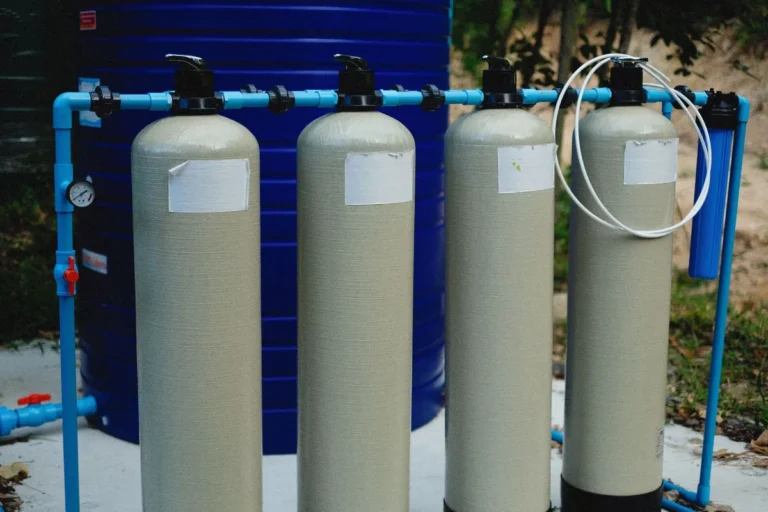
Regardless of the specific method, most desalination systems share certain core components. Pre-filtration is almost always the first line of defense; this usually involves sediment filters that capture sand, silt, rust, and other physical particles. This step is crucial for protecting more sensitive components, like RO membranes, from clogging and damage. For RO systems, a high-pressure pump is vital to overcome osmotic pressure.
The semi-permeable RO membrane itself is the heart of the system. Many systems also include post-treatment options, such as remineralization cartridges, to improve the taste and add essential minerals like calcium and magnesium, which are stripped out during the desalination process.
When is Saltwater Filtration Necessary?
For Survival Situations
In a survival scenario where your only water sources are saltwater, knowing how do you filter salt water becomes a matter of life and death. Dehydration can set in quickly, and drinking untreated saltwater will only accelerate it due to the body requiring more water to process the excess salt. Portable, compact desalinators or even simple solar stills can be lifesavers, providing essential hydration when no other options are available. Emergency kits often include water filters designed for various contaminants, but specialized units for saltwater are paramount if you're in a coastal or island environment.
For Off-Grid Living & Boating
For those living off-grid, or for anyone who spends extended periods on a boat or yacht, generating freshwater from the surrounding ocean is often a practical necessity. A marine-grade reverse osmosis system can provide a constant supply of potable water, eliminating the need to constantly carry or source large amounts of bottled water. This enhances self-sufficiency and greatly improves the convenience and duration of cruising trips. Availability of electricity on board is a key factor in choosing between RO and distillation.
For Coastal Communities
While large municipalities typically rely on vast freshwater reservoirs and conventional treatment, smaller coastal communities, islands, or remote settlements might turn to desalination for their primary water supply. These installations can range from community-scale reverse osmosis plants to smaller, localized systems. They address water scarcity issues where freshwater sources are insufficient, contaminated, or non-existent, providing a reliable and increasingly cost-effective solution as technology advances.
The Big Picture: Pros and Cons of Desalination
Choosing to desalinate water isn't a simple decision; it involves weighing clear advantages against some definite drawbacks. The primary benefit is obvious: access to a virtually limitless freshwater source from our oceans. This independence from traditional freshwater supplies is invaluable for remote areas, during droughts, or for maritime applications where freshwater is always at a premium. For example, many commercial fishing vessels rely on onboard desalinators to ensure they have enough potable water for extended trips, eliminating the need for frequent resupply.
However, the downsides are significant and often dictate the feasibility of a system. Energy consumption for many desalination methods, particularly reverse osmosis, can be substantial, leading to higher operational costs. Membrane lifespan and replacement can also add to long-term expenses. Furthermore, the brine concentrate produced as a byproduct needs careful management, as disposing of it improperly can harm local marine ecosystems.
Choosing Your Saltwater Filtration Method: A Decision Guide
Selecting the right method hinges entirely on your specific situation and priorities. If energy efficiency and a low tech-footprint are paramount, and you can tolerate slower production rates, distillation, especially solar distillation, presents a compelling option. This is ideal for emergency kits or small-scale, low-demand scenarios where electricity isn't readily available.
Guide: When to Use Reverse Osmosis
Reverse Osmosis (RO) shines when you need a higher volume of desalinated water and have access to a reliable power source. Its efficiency in removing salts and minerals is very high, often exceeding 95-99% of TDS. This makes it a top choice for boats, RVs, and even homes in coastal areas where consistent freshwater access is needed. For instance, a typical recreational boat might use a 12-volt or 24-volt RO system to produce 10-20 gallons of freshwater per day.
Manufacturers like Dometic offer a range of RO desalination units designed for marine use, emphasizing durability and performance.
Guide: When to Use Distillation
Distillation, particularly solar thermal distillation, is best suited for situations where energy is scarce or you want to minimize your environmental impact. It's a forgiving technology that can handle dirtier source water more readily than RO without immediate damage to its core components. While a solar still might only produce a few liters of water per day, it requires no external power and is straightforward to operate and maintain. For survivalists or those prioritizing simplicity, this method is invaluable.
Common Mistakes When Filtering Saltwater for Drinking
One of the most critical mistakes people make is assuming that any filtered saltwater is safe to drink. This overlooks the crucial step of ensuring sufficient salt removal. For example, a simple sediment filter will not remove dissolved salts, leaving the water unsafe. If you're using a system that's not specifically designed for desalination, you risk ingesting water with still-harmful levels of TDS.
Overlooking Pre-Treatment
Skipping or inadequately performing pre-treatment is a common error that significantly impacts system longevity and water quality. If your source water is murky or contains a lot of debris, running it directly through an RO membrane can quickly foul the membrane, drastically reducing its efficiency and lifespan. This leads to costly replacements and downtime. Always ensure your pre-filters are clean and appropriate for the source water's condition.
Inadequate Post-Treatment for Taste and Health
Even highly desalinated water can taste flat or unappealing, as the purification process strips out not just salts but also beneficial minerals. Many people, especially those accustomed to tap water, find pure desalinated water to be unpalatable. Furthermore, prolonged consumption of demineralized water might not be ideal for long-term health. Adding minerals back, a process known as remineralization, improves taste and nutritional value, making the water more enjoyable and healthier for daily consumption.
Ignoring Brine Disposal
The concentrated brine discharged by desalination systems is a major environmental concern. It's significantly saltier than the source water and can contain residual chemicals from pre-treatment. Improper disposal, such as dumping it directly into a small, enclosed body of water or near sensitive marine life, can disrupt local ecosystems. Researching and adhering to local environmental regulations for brine management is crucial in any significant desalination operation.
Essential Safety: Ensuring Potable Water
When it comes to producing drinking water from saltwater, safety can't be overemphasized. The goal isn't just to remove salt; it's to produce water that meets stringent potable standards, such as those outlined by the U.S. EPA, to protect against pathogens like bacteria and viruses, as well as chemical contaminants. Many RO systems are certified by organizations like NSF International, assuring consumers they meet safety benchmarks.
Always verify that any desalination system you use is designed and certified for producing potable water, especially if its primary purpose is for drinking.