How to Keep Ice Bath Water Clean Without Filter: No-BS Picks
You're looking for practical ways on how to keep ice bath water clean without a filter, and that's smart. Without a dedicated filtration system, maintaining water purity requires a proactive approach, focusing on prevention and regular manual care. It's entirely achievable to keep your cold plunge environment fresh, providing a truly invigorating experience.
Achieving this means understanding how contaminants enter the water and implementing consistent habits to manage them. For context, manufacturer specifications for many home ice baths often recommend weekly water changes in the absence of a filter to maintain optimal hygiene standards. This guide will walk you through effective strategies to keep your water clean and your plunges refreshing.
The Real Problem: Why Ice Bath Water Gets Grimy Without a Filter
Without a physical filter continuously circulating and purifying the water, your ice bath is more susceptible to a range of contaminants. Everything from your skin cells to airborne particles can accumulate, leading to a less-than-ideal experience. This buildup isn't just unappealing; it can impact the effectiveness and even the safety of your ice bath sessions.
Stubborn Odors and Cloudy Water
The most obvious signs of neglected ice bath water are unpleasant odors and a cloudy appearance. These issues often stem from the breakdown of organic matter, sweat, oils, lotions, and environmental debris, creating an environment where bacteria and algae can thrive. An advanced ice bath setup might recirculate water through a UV sterilizer or a multi-stage filter, but for manual systems, these visible problems are direct indicators that it's time for intervention.
The Hidden Risk: Germs and Bacteria
Beneath the surface, cloudy water and odors signal the presence of microorganisms. Bacteria, yeasts, and molds can proliferate in stagnant, untreated water. While some are harmless, others can cause skin irritations or infections. Our research indicates that water that has been used for extended periods without treatment or change can harbor a significant microbial load, turning your recovery tool into a potential health concern.
Your Quick Win: The Simplest Path to Clean Water
The most straightforward practice you can adopt is simple: a thorough shower before every single ice bath session. This single step dramatically reduces the amount of sweat, oils, lotions, and environmental grime that enters your tub. Manufacturer specifications for many home ice baths consistently recommend this as the first line of defense against water contamination, as it directly addresses the source of many recurring issues. Getting into the habit of showering first conserves your efforts in cleaning later.
Step-by-Step: Your Proven Method for Cleaner Ice Bath Water
Let's break down the core actions you need to take to keep your ice bath water clean without relying on a filter. This workflow is designed to be practical and repeatable, ensuring your plunge remains a refreshing experience.
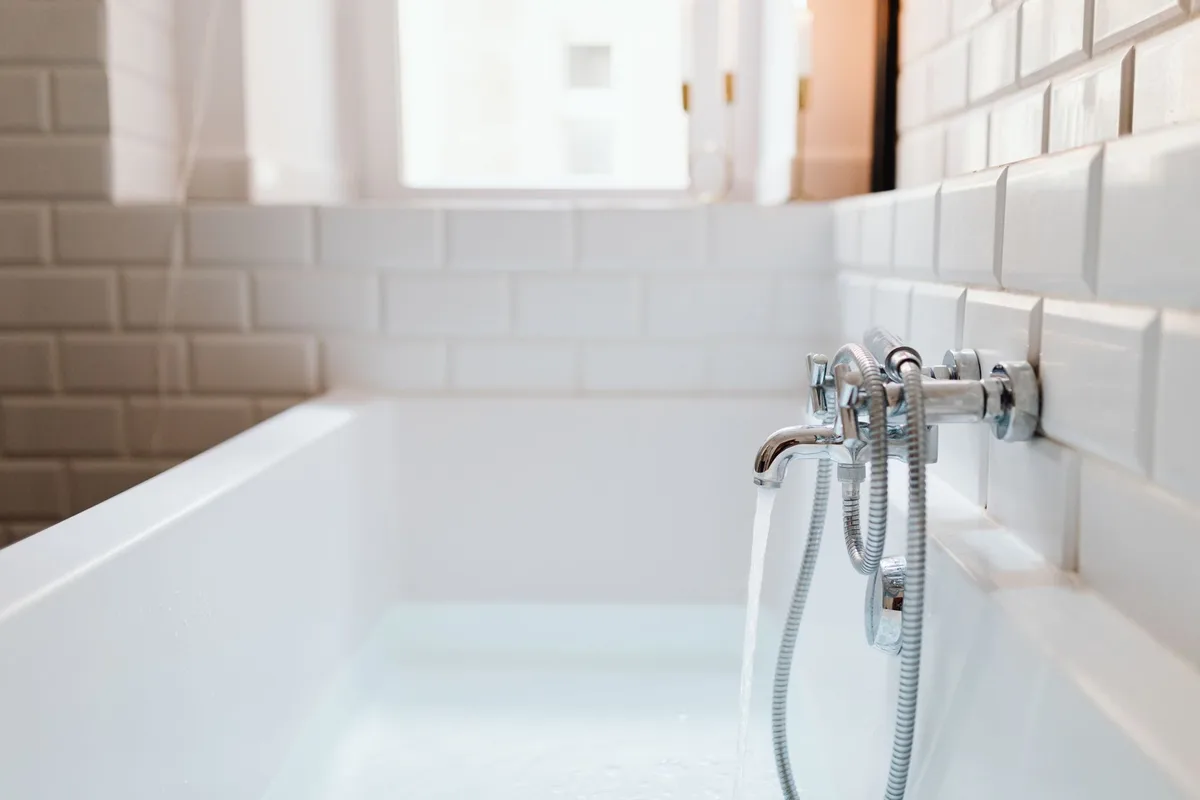
Step 1: The Essential Pre-Plunge Shower
This is non-negotiable for anyone wanting to keep their water clean for longer. Before you even reach for your ice, take a good shower.
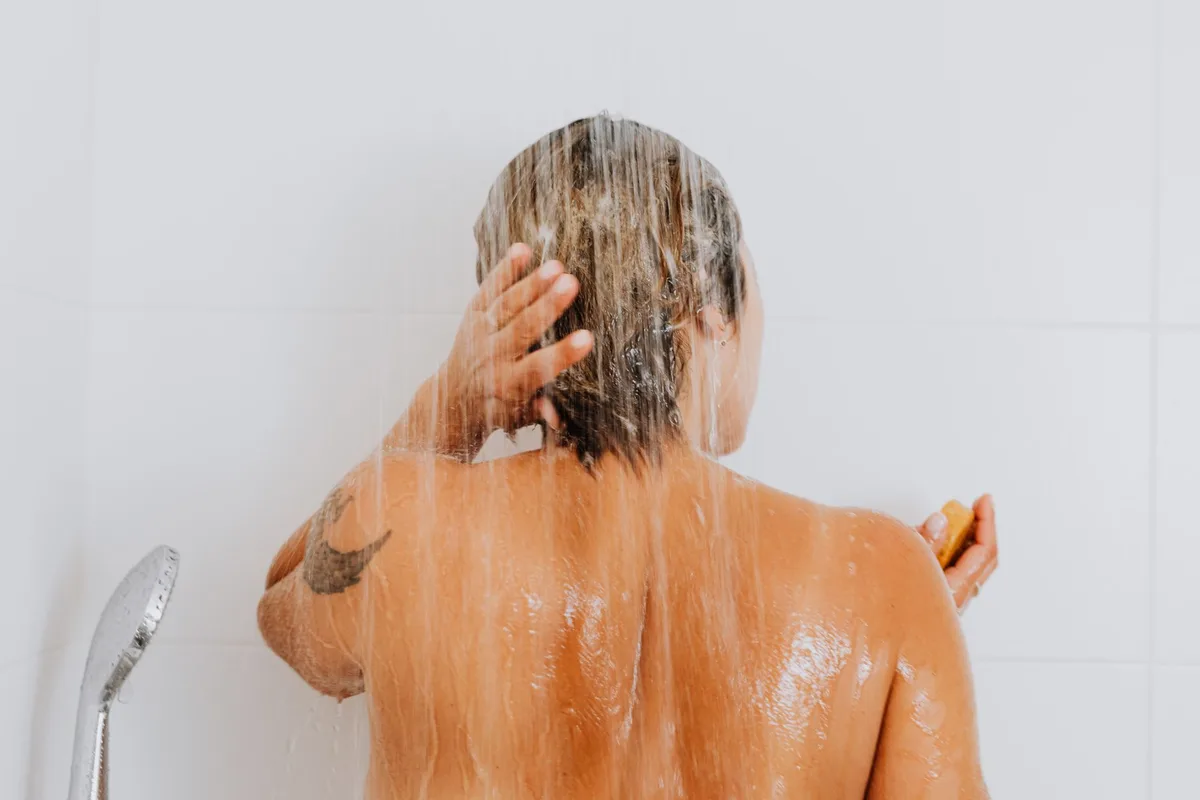
- Wash off oils and lotions: These create a film on the water's surface and can encourage bacterial growth.
- Rinse away sweat: Even if you don't feel particularly sweaty, a quick wash removes surface body oils and perspiration.
- Cleanse skin: This helps remove any dirt or debris that might cling to your skin.
Essentially, the cleaner you get in, the less you have to clean out later. This practice alone can double the usable life of your water between full changes.
Step 2: Draining and Scrubbing Your Tub
Simply draining the water isn't enough. To truly keep things clean, you need to address any residual build-up within the tub itself.
- Empty completely: Ensure all old water is removed from the tub.
- Inspect the interior: Look for any slimy film, residue, or discoloration on the walls and bottom.
- Scrub gently: Use a soft brush or cloth with a mild, non-abrasive soap or just water. Avoid harsh chemicals that could damage your tub's material or leave behind unwanted residues.
- Rinse thoroughly: Make sure all soap or cleaning solution is washed away before refilling.
This physical cleaning is crucial for removing biofilm, a sticky layer of microorganisms that can quickly re-contaminate fresh water if not removed.
Step 3: Frequency is Key: How Often to Change Water
This is where consistency truly pays off. How often you need to change your ice bath water depends on your usage and personal hygiene.
- Daily or every-other-day use: Aim to change the water every 2-3 days. Even with showering, significant organic load can build up quickly.
- Few times a week use: Changing the water every 4-5 days is often a good rhythm.
- Once-a-week use: You might be able to stretch this to 6-7 days, especially if you're diligent with pre-shower and sealing.
Aggregate user feedback and industry recommendations suggest that exceeding 7 days without a full water change, even with minimal use, significantly increases the risk of bacterial proliferation. As of 2026, most basic home ice baths without filtration operate on this manual change schedule.
Step 4: Refilling Your Pristine Bath
Once your tub is clean and freshly drained, it's time to refill.
- Use clean, cold water: Ideally, start with fresh, cold tap water.
- Avoid direct contaminants: Ensure your hose or filling method isn't introducing dirt or debris into the fresh water.
- Fill to desired level: Top up the bath according to your needs.
If you're adding ice, do so after refilling. Using clean ice made from purified water can also help maintain overall water quality.
Step 5: Sealing It Off: Cover Up When Not in Use
This is a simple, passive step that prevents a lot of problems. When your ice bath isn't in use, keep it covered.
- Blocks airborne debris: Dust, pollen, leaves, and insects won't fall into the water.
- Reduces evaporation: This helps maintain water levels, especially in warmer environments.
- Discourages algae: Less light penetration can help deter algae growth.
A good quality cover, whether it's a dedicated lid or a heavy-duty tarp secured tightly, is an essential part of a low-maintenance cleaning strategy.
Extra Power-Ups: Gentle Ways to Boost Water Purity
Sometimes, even with a strict pre-shower routine and frequent water changes, you might want an extra layer of sanitization for your ice bath. These methods don't replace good habits but can offer added peace of mind. They focus on breaking down contaminants without introducing harsh chemicals.
Using Food-Grade Hydrogen Peroxide
Food-grade hydrogen peroxide (H₂O₂) is a common and effective oxidizer that breaks down into water and oxygen, leaving no harmful residues. It can help kill bacteria and algae, keeping your water clearer and fresher for longer.
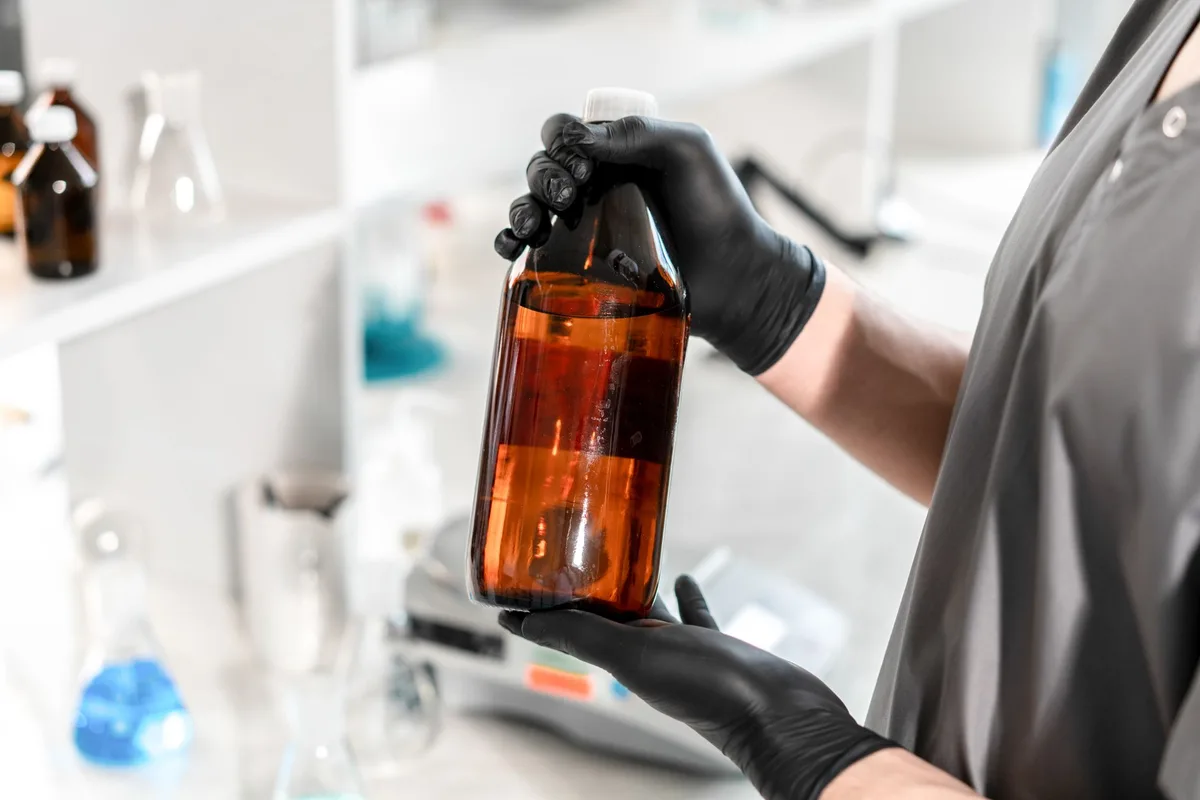
- What it does: Hydrogen peroxide releases oxygen, which oxidizes and breaks down organic compounds and microorganisms.
- How much to use: For a typical 50-100 gallon ice bath, starting with 1-2 cups (8-16 fluid ounces) of 3% food-grade hydrogen peroxide is a common recommendation. Always check manufacturer guidelines for your specific tub or start with a smaller dose to see its effect.
- When to add it: It's best added after a fresh fill or when you notice a slight cloudiness or odor developing between full water changes.
- Safety first: Always use food-grade hydrogen peroxide (typically 3% concentration). Industrial or higher concentrations can be dangerous. Ensure good ventilation when adding, though it dissipates quickly.
The Ozone Option: Running a Water Sterilizer
Ozone generators designed for water purification can be another chemical-free option. These devices produce ozone (O₃), a potent oxidizer that attacks and neutralizes bacteria, viruses, and other contaminants.
- How it works: Ozone is bubbled into the water, actively oxidizing contaminants. The ozone then naturally breaks down back into oxygen.
- Usage: These are typically small, plug-in units. You'd run the device for a set period (often a few hours) daily or a few times a week, usually when the bath is not in use or occupied. Never be in or around the ice bath while an ozone generator is operating.
- Considerations: While effective, ensure you're using a unit specifically designed for water and follow all safety instructions carefully regarding operation times and proximity to users.
Common Slip-Ups to Sidestep
Even with the best intentions, a few common mistakes can undermine your efforts to keep ice bath water clean. Avoiding these will save you time and ensure your plunges remain effective and enjoyable.
Forgetting the Pre-Shower Routine
It sounds simple, but skipping your pre-bath shower is the quickest way to introduce a heavy load of contaminants. If you're in a hurry or feeling lazy, it’s tempting to hop straight in. However, research consistently shows that body oils and sweat are primary drivers of water degradation.
- Why it matters: A shower washes away an estimated 70-80% of surface contaminants before they even reach the tub.
- Impact: If skipped, you'll likely notice odors developing faster, water clouding up sooner, and potentially needing to change the water more frequently than you'd planned.
Skipping the Scrub Down
You might be changing the water regularly, but if you're not physically scrubbing the tub, you're leaving behind a breeding ground for biofilm. This sticky film is made of bacteria and other microbes that adhere to surfaces.
- What biofilm does: It protects microbes, making them harder to kill. It can quickly re-contaminate fresh water and cause persistent odors or cloudiness.
- Your defense: A simple scrub with a soft brush and water after draining removes this layer, ensuring a cleaner start for your next fill.
Over-Reliance on Chemicals
While not directly related to keeping water clean without a filter, it’s worth noting that if you feel compelled to frequently use strong chemicals like chlorine or bromine, it might indicate your other methods aren't sufficient. These can be harsh on your skin and the tub material.
- When it's not ideal: If you find yourself needing significant chemical intervention regularly, re-evaluate your water change schedule, pre-shower habits, and cleaning frequency.
- Alternative focus: Prioritize physical cleaning and regular water changes to minimize reliance on chemical sanitizers for a more natural cold plunge experience.
Who Benefits Most from This Approach?
This method of keeping ice bath water clean without a filter is particularly well-suited for a few key user groups. Anyone who prioritizes a natural, chemical-free experience will find these strategies highly effective.
- Home users with simple setups: If you have a basic tub or container without built-in filtration, these manual methods are your primary tools.
- Health-conscious individuals: Those who prefer to avoid chemicals like chlorine or bromine in their recovery protocols will appreciate the effectiveness of physical cleaning and natural sanitizers.
- Budget-minded users: Eliminating the need for expensive filters or chemical replacements makes this approach more economical over time.
- Environmentally aware individuals: Reducing water waste through longer periods between changes (thanks to good habits) and avoiding chemical discharge aligns with eco-friendly practices.
The core principle is that consistent, mindful habits can achieve excellent water quality without complex machinery.
Keeping Your Ice Bath Optimized Long-Term
Once you've established a routine for maintaining your ice bath water, think about long-term upkeep. This isn't just about what you do daily or weekly, but how you keep your entire setup in good working order.
- Inspect your tub: Periodically check your ice bath for any signs of wear, cracks, or material degradation. Address any issues promptly to prevent leaks or further damage.
- Maintain your cover: Ensure your ice bath cover is still in good condition, free from rips or tears, and seals effectively. A damaged cover can let in more contaminants.
- Review your schedule: As your usage patterns change, don't be afraid to adjust your water change frequency. More frequent use might necessitate more frequent changes, even with good habits.
- Keep records (optional): Some users find it helpful to jot down when they last changed the water or performed a deep clean. This can help maintain consistency, especially if you use your ice bath sporadically.
What About Chemical Treatments?
While this guide focuses on chemical-free methods, it's important to acknowledge that chemical treatments are an option for some users. These often involve adding disinfectants like chlorine or bromine to the water.
- How they work: These chemicals kill a broad spectrum of bacteria and algae, providing a powerful sanitizing effect. Manufacturer specifications for some advanced cold plunge systems suggest specific, low-dose chemical regimens in addition to filtration.
- The trade-offs: The main drawbacks include potential skin irritation or sensitivity for some individuals, the risk of over-treatment leading to harsh water, and the environmental impact of chemical discharge. They can also degrade certain tub materials over time.
- When to consider them: If you’re in a situation where frequent water changes or thorough scrubbing are exceptionally difficult, or if you have specific concerns about microbial load that other methods don't fully address, a carefully managed chemical treatment might be considered. However, always prioritize the gentlest, most natural methods first.