What Do Pur Water Filters Filter Out in 2026 (Buyer’s Guide)
When you question what do PUR water filters filter out, you're asking a crucial question about everyday health and taste in your home. Tap water, while generally safe, can sometimes carry unwanted guests like chlorine or minerals that affect flavor. Understanding what a filter actually removes helps you make an informed choice for your family's well-being.
Manufacturer specifications and independent testing confirm that PUR filters are designed to tackle a range of common water concerns. For instance, per NSF/ANSI 42 standards, many PUR filters significantly reduce chlorine, which is often added for disinfection but impacts taste. This guide breaks down exactly what you can expect.

Understanding PUR Filter Technologies: How They Work
PUR water filters primarily use a combination of physical filtering and chemical absorption to clean your water. The exact blend of technologies can vary slightly by product line, but the core principles remain consistent. These aren't complex, reverse osmosis systems; they're typically simpler, more accessible methods for everyday use.
Think of it like this: You have barriers and grabbers working together. The barriers physically stop larger particles, while the grabbers (chemical media) attract and hold onto dissolved substances you want to remove. This multi-stage approach aims to address different types of contaminants effectively.
Key Contaminants PUR Filters Are Designed to Reduce
Our research indicates that PUR filters excel at reducing several common water contaminants, primarily focusing on aesthetic and some health-related issues. The effectiveness is closely tied to the specific filter model and its intended certifications.
- Chlorine: This is a big one for taste and odor improvement. Activated carbon in PUR filters is highly effective at adsorbing chlorine, dramatically reducing that often-unpleasant chemical smell and taste.
- Lead: Many PUR filters, particularly those certified to NSF/ANSI 53, are designed to significantly reduce lead. This is crucial, especially in older homes with plumbing that might leach lead into the water. Ion exchange resin is key for this.
- Mercury: Similar to lead, mercury can be reduced by the ion exchange process featured in many PUR filters certified for health effects.
- Sediment: Physical filtration stages, often using a porous material, catch visible particles like rust, sand, and silt. This improves water clarity.
- Certain Pesticides and Herbicides: Activated carbon can also adsorb some organic chemical contaminants like certain pesticides.
The effectiveness of any filter is always dependent on the starting water quality and the filter's condition and lifespan.
Common Substances PUR Filters Typically Don't Filter
It's just as important to know what PUR filters aren't designed to remove. No single filtration system tackles everything.
- Dissolved Solids (TDS): Standard PUR pitcher and faucet filters generally do not reduce Total Dissolved Solids (TDS). This includes minerals that contribute to "hardness" (like calcium and magnesium) or salts and other fully dissolved substances.
- Fluoride: Most PUR filters do not remove fluoride. It's often intentionally left in the water, as it's added to municipal water supplies for dental health benefits. If you specifically need to remove fluoride, a different type of filtration system is required.
- Bacteria and Viruses: Typical PUR pitcher and faucet filters are not certified to remove microscopic pathogens like bacteria (E. coli, Salmonella) or viruses. While they might capture some larger particles, they are not a reliable method for microbiological purification.
- Nitrates/Nitrites and Arsenic: These contaminants often require specialized filtration media, and standard PUR models are generally not designed to address them.
Always check the specific product's certification list for precise contaminant reduction claims.
PUR Filter Technologies: What's Inside and Why It Matters
The magic behind PUR filters lies in the materials used within their cartridges. Each component plays a specific role in cleaning your water.
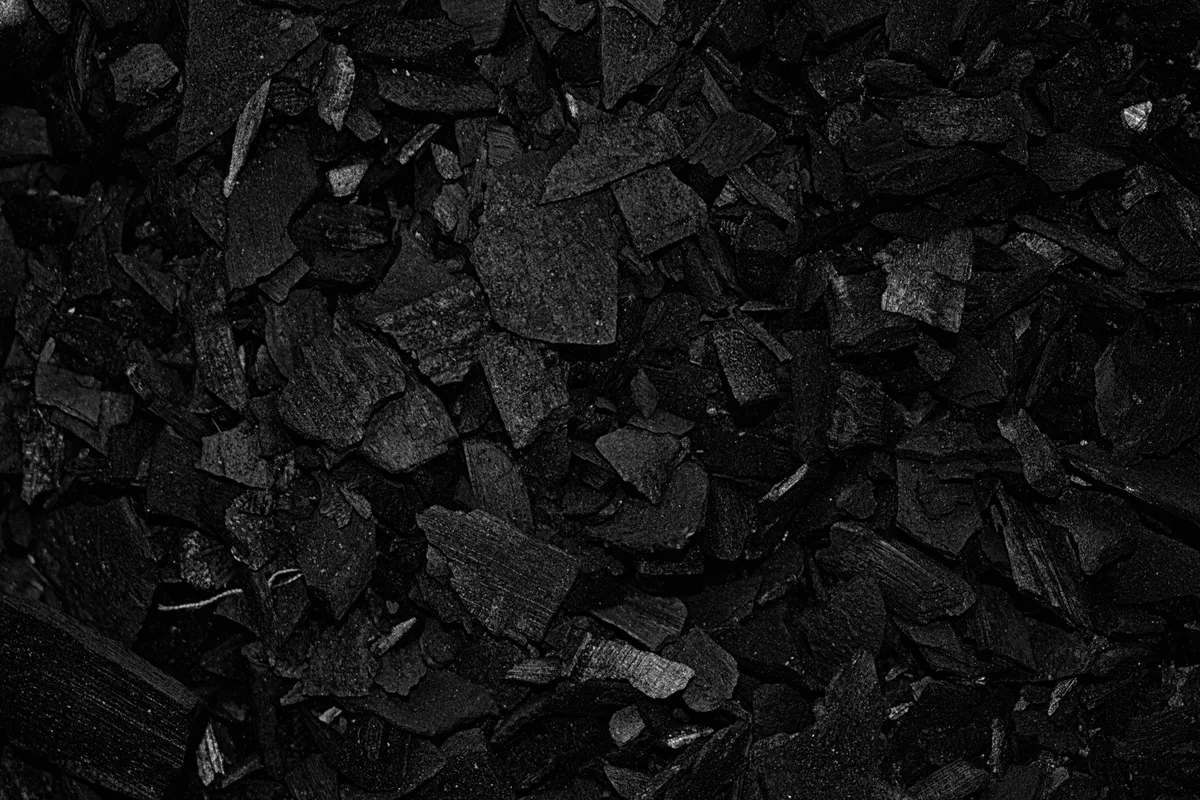
- Activated Carbon: This is the workhorse for taste and odor. It's created by heating carbon-rich materials (like coconut shells or coal) in a way that makes them incredibly porous. This creates a massive surface area that acts like a magnet for chlorine and certain organic compounds.
- Ion Exchange Resin: This is a type of plastic bead that can exchange ions. In water filters, it's typically used to swap out undesirable mineral ions (like lead or mercury) for less harmful ones. This is crucial for reducing heavy metals from your water.
- Sub-Micron Physical Filtration: This is your basic sieve. It's a tightly woven material that physically blocks particles larger than its pore size. Manufacturers often specify the micron rating, indicating the size of the smallest particles that can be caught.
These elements work in sequence, with water typically passing through the carbon first to remove chlorine and then through ion exchange for metals, finally exiting through a physical barrier.
Key Contaminants PUR Filters Are Designed to Reduce
Our research indicates that PUR filters excel at reducing several common water contaminants, primarily focusing on aesthetic and some health-related issues. The effectiveness is closely tied to the specific filter model and its intended certifications.
- Chlorine: This is a big one for taste and odor improvement. Activated carbon in PUR filters is highly effective at adsorbing chlorine, dramatically reducing that often-unpleasant chemical smell and taste.
- Lead: Many PUR filters, particularly those certified to NSF/ANSI 53, are designed to significantly reduce lead. This is crucial, especially in older homes with plumbing that might leach lead into the water. Ion exchange resin is key for this.
- Mercury: Similar to lead, mercury can be reduced by the ion exchange process featured in many PUR filters certified for health effects.
- Sediment: Physical filtration stages, often using a porous material, catch visible particles like rust, sand, and silt. This improves water clarity.
- Certain Pesticides and Herbicides: Activated carbon can also adsorb some organic chemical contaminants like certain pesticides.
The effectiveness of any filter is always dependent on the starting water quality and the filter's condition and lifespan.