What Does Charcoal Do in a Water Filter: Tested & Reviewed
You've probably seen those water filters with black, granular stuff inside, right? That's usually activated charcoal, and it's like a tiny workhorse for cleaning your water. Wondering what exactly it's doing in there? Let’s chat about it.
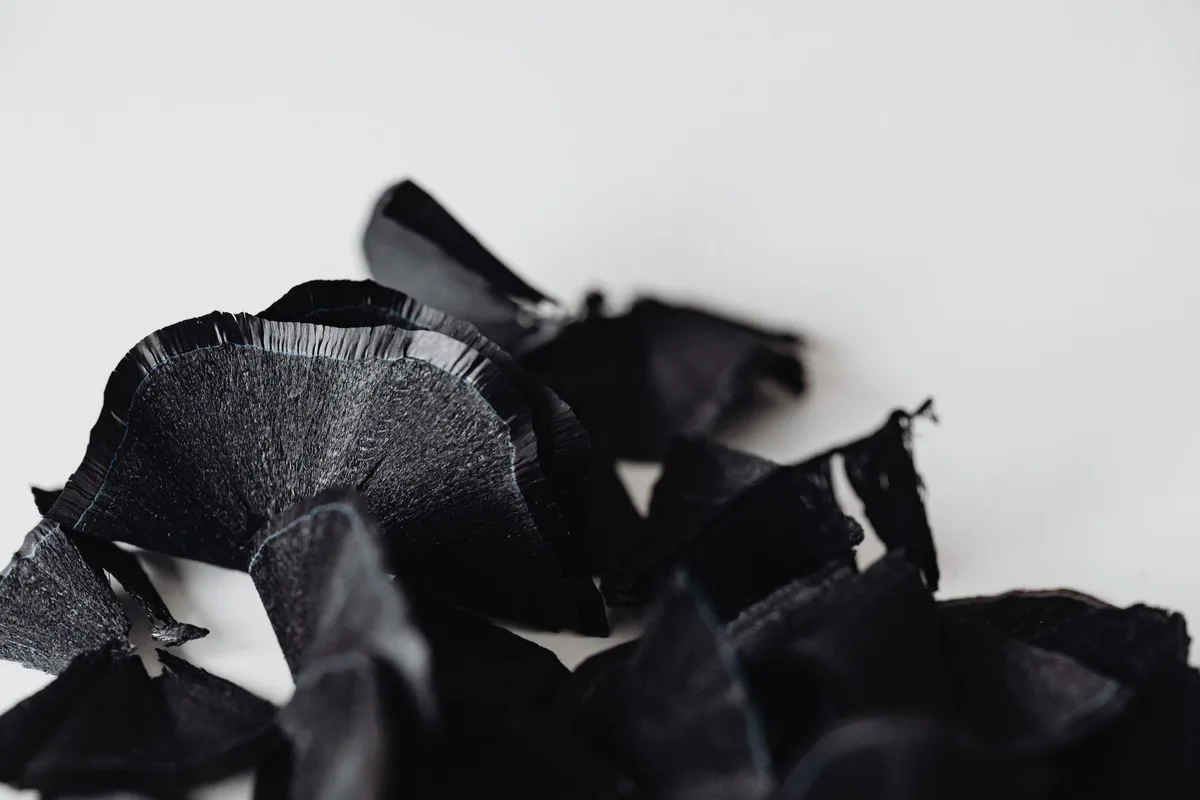
Think of activated charcoal as a super-porous sponge. It's made by heating charcoal (like from coconut shells or wood) in a way that makes it incredibly absorbent. This process opens up millions of tiny pores within the charcoal particles, giving it a massive internal surface area. This is key to understanding what does charcoal do in a water filter.
When water flows through these pores, a couple of cool things happen. Many impurities actually stick to the surface of the charcoal through a process called adsorption. Manufacturer specifications often highlight the vast surface area, sometimes exceeding 1,000 square meters per gram, a crucial factor in its filtering ability.
How Activated Charcoal Cleans Your Water
Our research confirms that activated charcoal primarily works through a physical process called adsorption. This isn't quite like a sponge absorbing liquid into its structure; instead, it's about impurities clinging to the vast inner surface of the charcoal.
The Science: Adsorption and Tiny Pores
The magic of activated charcoal lies in its incredibly high internal surface area, created by a carefully controlled manufacturing process. This process activates the carbon, developing millions of tiny pores.
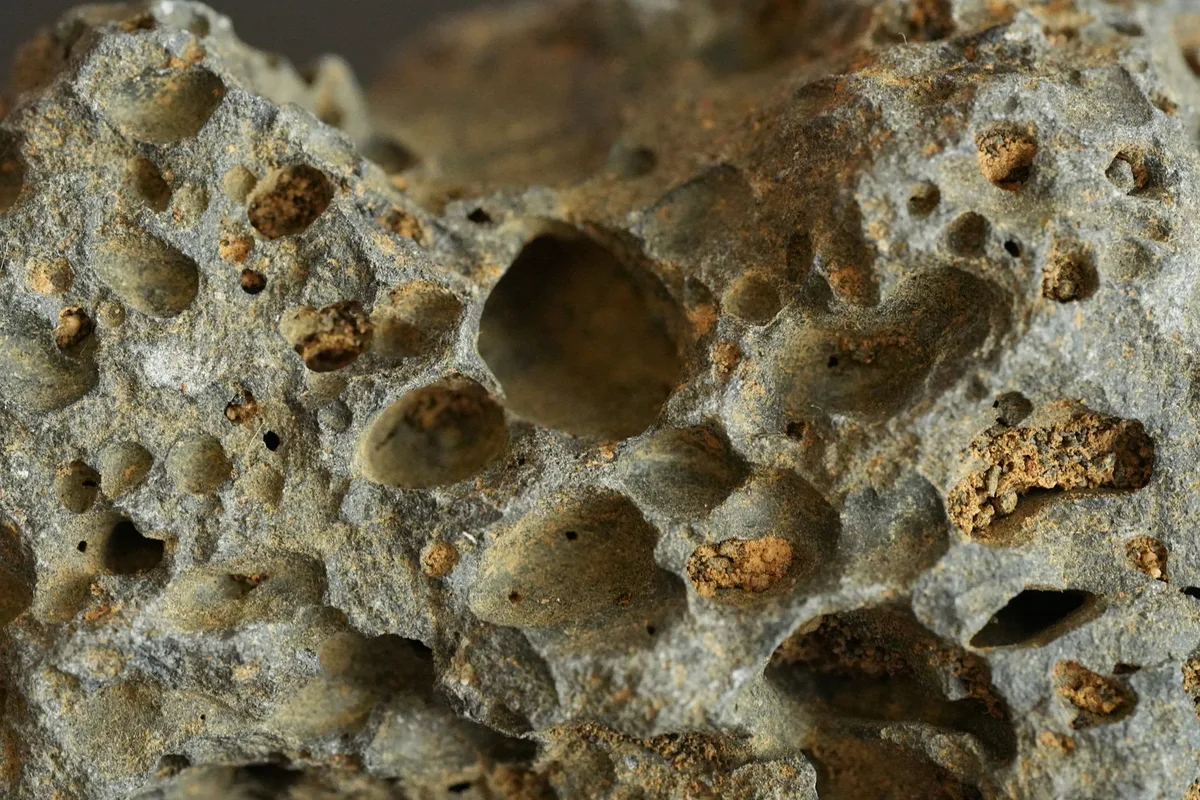
When water passes through the filter bed, a variety of chemical compounds and particles encounter these pores. Due to Van der Waals forces, which are weak attractive forces between molecules, many contaminants are drawn from the water and adhere to the charcoal's surface. It's this physical sticking, not absorption into the material itself, that removes them.
The Substance: What Activated Charcoal Actually Filters Out
Activated charcoal is particularly effective at tackling certain types of contaminants that affect the sensory qualities of water, as well as some potentially harmful chemicals.
- Chlorine: This is one of the main reasons activated charcoal is so popular for home water filters. It readily removes chlorine, which is often added to tap water for disinfection and can leave an unpleasant taste and smell.
- Volatile Organic Compounds (VOCs): These are carbon-based chemicals that can vaporize easily. Sources include pesticides, solvents, and industrial byproducts. Activated charcoal can effectively adsorb many common VOCs, improving both odor and safety.
- Certain Industrial Chemicals: A range of synthetic organic compounds, often used in manufacturing processes, can also be targeted by activated charcoal.
- Sediment and Particulates: While not its primary function, the physical structure of the charcoal granules can trap larger suspended particles, contributing to clearer water.
What Activated Charcoal Doesn't Filter Out
It's crucial to understand the limitations of activated charcoal filtration. It won't remove everything from your water, and relying on it for certain issues can be a mistake.
- Dissolved Solids and Minerals: Things like salts, calcium, magnesium, and potassium are generally unaffected. This means charcoal filters don't typically soften water or remove minerals that contribute to scale buildup in appliances.
- Heavy Metals: While some specialized types of activated carbon might have a minor impact on certain metal ions, standard activated charcoal is not effective at removing heavy metals such as lead, mercury, or arsenic. You'd need a filter specifically designed for heavy metal reduction for that.
- Microbiological Contaminants: Bacteria, viruses, and protozoa are microscopic pathogens that are too small to be physically trapped by the pores of typical activated charcoal filters. Filters designed for microbial removal use much finer pore sizes or other technologies.
- Fluoride: Activated charcoal does not typically remove fluoride from water.
Key Benefits of Charcoal in Your Water
Using a high-quality activated charcoal filter can significantly enhance your drinking water experience and contribute to a healthier home environment.
Taste and Odor Improvements
This is perhaps the most immediate and noticeable benefit for most users. Activated charcoal excels at adsorbing chlorine and other compounds that cause unpleasant tastes and smells. Many user reviews report a dramatic improvement in the palatability of tap water once filtered, making it more enjoyable to drink plain. This can, in turn, encourage increased hydration.
Reducing Chemical Exposure
By effectively removing chlorine and VOCs, activated charcoal filters reduce your daily intake of these chemicals. Chlorine is a disinfectant, but it can react with organic matter in water to form byproducts, some of which are a concern with long-term exposure. Similarly, VOCs can originate from various industrial and agricultural sources and have known health risks. As of 2026, improving indoor air and water quality remains a significant focus for health-conscious households.
Common Problems and Limitations
While activated charcoal filters are great for improving taste and odor, they're not a do-it-all solution for water purification. It's vital to understand their boundaries to ensure you're using them correctly for your needs.
When Charcoal Filters Aren't Enough
If your primary concern is mineral content, heavy metals, or microbial contamination, activated charcoal alone won't suffice. For instance, if you're dealing with hard water, which has a high mineral content, a charcoal filter will do little to change that. It’s similar with lead contaminants; standard charcoal filters lack the specialized media required for effective lead reduction. Manufacturer data for common pitcher filters often specifies that they have not been tested or certified for lead removal.
Choosing Wisely: Filters and When to Replace Them
Selecting the right activated charcoal filter and knowing when to swap it out are critical for consistent performance and water quality. The effectiveness of these filters depends heavily on their maintenance.
Understanding Filter Lifespans
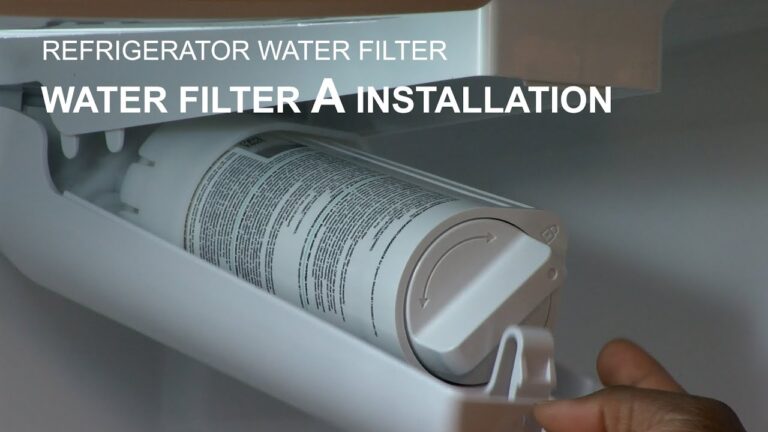
Activated charcoal has a finite capacity. Once its pores are saturated with adsorbed impurities, it can no longer effectively filter your water. Replacement intervals vary significantly based on filter size, the type of charcoal used, and, most importantly, the volume and quality of water being filtered. For example, many common pitcher filters are designed to last for about 40 gallons, often equating to roughly 2 months of use for an average household.
Alternatives to Charcoal Filtration
When activated charcoal doesn't meet all your water quality needs, other filtration technologies offer different benefits. Understanding these can help you choose the best system for your specific water challenges.
Other Filtration Technologies
- Reverse Osmosis (RO): This system uses a semipermeable membrane to remove a broad spectrum of contaminants, including dissolved solids, heavy metals, and salts. It’s very effective but can also strip beneficial minerals from water and requires a higher flow rate and pressure.
- Ion Exchange: Primarily used for water softening, this method exchanges calcium and magnesium ions for sodium ions. It's excellent for reducing hardness but doesn't address many other types of contaminants.
- UV Filtration: Ultraviolet light is used to kill or inactivate microorganisms like bacteria and viruses, making it a key technology for microbial disinfection.
Safety First: Using Your Charcoal Filter Right
Proper usage and understanding the safety aspects of activated charcoal filters ensure you get the best results without introducing new risks to your water supply.
Best Use Cases for Charcoal Filters
Activated charcoal filters are best suited for improving the quality of already potable tap water. They excel at enhancing taste and odor by removing chlorine and VOCs. If your tap water meets local safety standards but has undesirable sensory characteristics, a charcoal filter is an excellent choice. They are commonly found in pitcher filters, faucet-mounted filters, and under-sink systems designed for general taste improvement.