What Water Filter Removes Pfas in 2026 (Worth Your Money)
So, you're looking into what water filter removes PFAS? It's a really common question these days, and for good reason. These "forever chemicals" are showing up more and more in our water sources, and most folks want to find a reliable way to get them out.
Our research shows that not all filters are created equal when it comes to PFAS. Standard pitchers and faucet attachments might offer some reduction, but for truly effective removal, you need to look at specific technologies. Per NSF/ANSI Standard 53 testing for health effects, certified filters demonstrate a measurable reduction in these challenging compounds.

What Exactly Are PFAS, Anyway?
PFAS, which stands for Per- and Polyfluoroalkyl Substances, is a group of thousands of man-made chemicals. They've been manufactured and used in industries all over the world since the 1940s. Because of their properties, they're found in a wide range of consumer and industrial products, such as non-stick cookware, stain-repellent carpets and furniture, water-repellent clothing, firefighting foams, and more. The kicker is that PFAS chemicals don't break down easily in the environment or in the human body, which is why they've earned the nickname "forever chemicals." They can travel far and wide in the environment, potentially contaminating soil, air, and water sources.
The Big Players in PFAS Filtration: How They Work
When our research team dug into the most effective ways to tackle PFAS contamination in drinking water, three main filtration technologies consistently came up. It's less about the brand and more about the underlying science, so let's break down what’s going on under the hood.
Activated Carbon Filters for PFAS
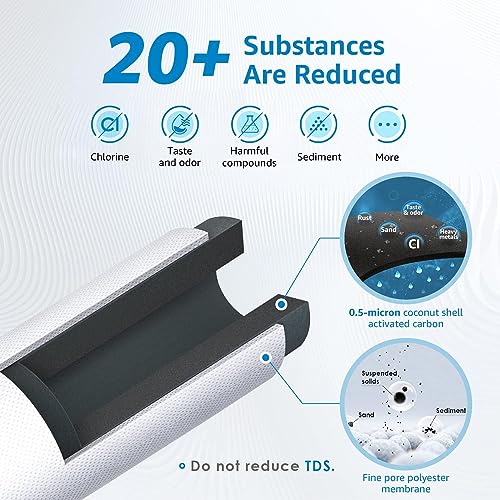
Activated carbon filters are super common. You see them in everything from basic water pitchers to more advanced faucet filters and whole-house systems. The magic here is in the carbon itself. It's treated, often with heat or steam, to become highly porous, creating a massive surface area.
When water flows through, contaminants get trapped on this surface through a process called adsorption.
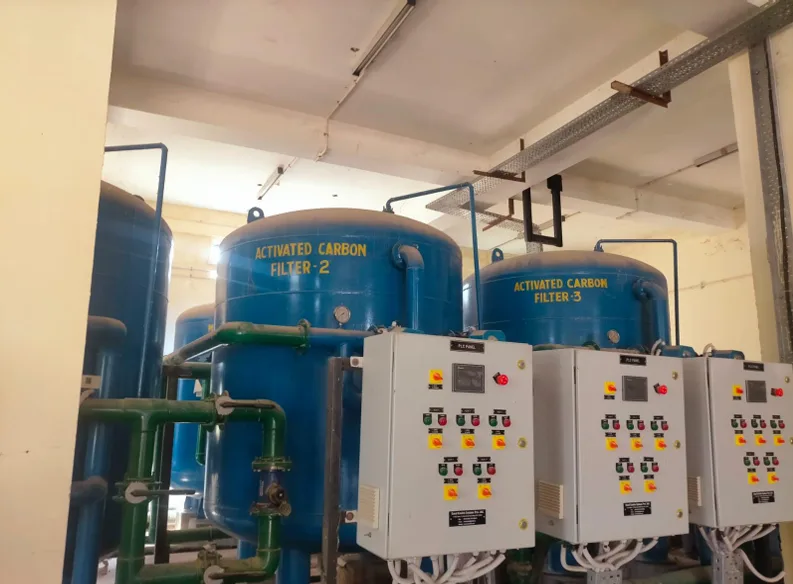
This method is fantastic for improving taste and odor, which is why it's so popular. However, when it comes to PFAS, standard activated carbon isn't always enough on its own. Manufacturer specifications and independent testing vary, but generally, plain activated carbon can reduce some PFAS compounds. Effectiveness often depends on the type of carbon, its pore size, how much carbon is used, and how long the water is in contact with it.
For better PFAS removal, you might see activated carbon filters that are specifically enhanced or designed for longer contact times.
Reverse Osmosis (RO) Systems for PFAS
For a more comprehensive approach to water purification, reverse osmosis systems are a top contender. These systems work by using pressure to force water through a very fine, semipermeable membrane. Think of it like a super-tight sieve that catches even tiny particles and dissolved solids.
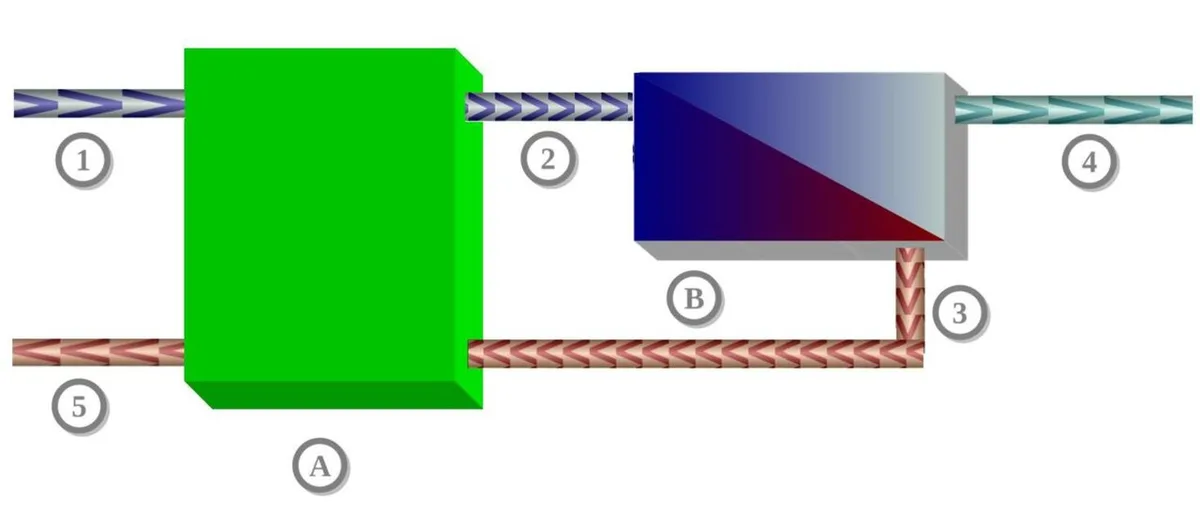
Because the RO membrane has such small pores, it's incredibly effective at blocking a wide range of contaminants, including a significant percentage of PFAS. Most RO systems also include pre-filters (often activated carbon) to protect the membrane and post-filters to polish the water. Together, these components can lead to very high levels of PFAS reduction. However, these systems do come with a few trade-offs.
They typically have a higher upfront cost, require more maintenance, and produce wastewater as they operate. They can also strip beneficial minerals from your water, though many modern systems re-mineralize the water before it reaches your tap.
Ion Exchange Resins for PFAS
Ion exchange (IX) is another technology that's highly effective for tackling specific types of contaminants, and it plays a role in PFAS removal. These systems use specialized resin beads that are designed to attract and capture certain ions from the water. In the case of PFAS, the resin beads swap out the PFAS molecules for more harmless ions, like chloride.
This method is often integrated into multi-stage filtration systems, working alongside activated carbon or as part of advanced RO setups. The key benefit is its specificity; certain ion exchange resins can be highly targeted to remove particular PFAS compounds. However, their effectiveness is tied to the water chemistry and the specific type of PFAS present. As the resins capture contaminants, they eventually become saturated and need to be regenerated (a chemical cleaning process) or replaced entirely to maintain their performance.
What to Look for When Buying a PFAS Filter
When you've decided to invest in a filter for PFAS, it's easy to get overwhelmed by all the options. Based on our review of available technologies, here’s what really matters to ensure you’re getting effective protection.
Prioritize Third-Party Certifications (NSF/ANSI Standards)
This is probably the most crucial step. Don't just take a manufacturer's word for it; look for independent verification. The most widely recognized standards in the U.S. for water treatment units come from NSF International. For PFAS removal, you'll want to see certifications for:
- NSF/ANSI Standard 53: This standard is specifically for health effects and covers the reduction of various contaminants, including certifiable claims for PFAS reduction. If a filter is certified to Standard 53 for PFAS, it means it has been tested by an independent lab and meets strict performance criteria for removing specific PFAS compounds.
- NSF/ANSI Standard 58: This standard applies to reverse osmosis systems. If an RO system carries this certification and also has a specific NSF/ANSI Standard 53 certification for PFAS reduction, you're looking at a highly effective solution.
These certifications provide a level of assurance that the filter performs as advertised and can significantly reduce your exposure to these chemicals. As of 2026, these standards remain the benchmark for consumer water treatment devices.
Understand Filter Lifespan and Capacity
Filters aren't designed to last forever. Their lifespan and "capacity", the total amount of water they can treat before needing replacement, are critical factors, especially when dealing with persistent chemicals like PFAS. A filter with a high capacity generally means it can handle more water before its performance degrades.
For PFAS, this means a filter might continue to reduce levels effectively for a longer period, assuming it's designed for that purpose. A short-lifespan filter might seem cheaper upfront, but you'll end up replacing it more often, potentially costing more in the long run and requiring more vigilant maintenance. Always check the manufacturer's stated capacity (often in gallons or liters) and the recommended replacement interval for the filter cartridges.
Key Features: PFAS Type and Pressure Needs
Beyond general certifications, pay attention to what types of PFAS a filter is designed to tackle. PFAS is a broad category, and some chemicals within it are trickier to remove than others. Look for filters that specifically mention reduction capabilities for both "short-chain" and "long-chain" PFAS if you want the broadest protection.
Additionally, consider your household's water pressure. Systems like reverse osmosis can sometimes reduce the overall water pressure coming out of your taps. If you have low water pressure to begin with, or a high demand (e.g., multiple bathrooms), you'll want to factor this in. Some RO systems offer higher flow rates or booster pumps to mitigate pressure loss.
For whole-house systems, understanding your home's typical water usage is key to selecting the right size and type of unit.
How Long Do PFAS Filters Last?
The lifespan of a filter designed to remove PFAS can vary significantly based on the technology used, the amount of PFAS in your water, and your household's water consumption. For activated carbon filters, lifespan is often measured in gallons treated or months of use, typically ranging from a few months to a year for pitcher filters, and potentially longer for larger systems. Reverse osmosis systems have components with different lifespans; the RO membrane might last 2-5 years, while pre- and post-filters usually need replacement every 6-12 months. Ion exchange resins have a lifespan tied to their saturation point, requiring regeneration or replacement when they can no longer effectively capture PFAS.
Always refer to manufacturer guidelines for specific replacement schedules, as exceeding these can reduce effectiveness or even allow PFAS to leach back into treated water.
Common Questions About Filtering PFAS Answered
Let's tackle some of the most pressing questions folks have when looking into PFAS water filters. Getting clear answers here can make a big difference in your decision-making process.
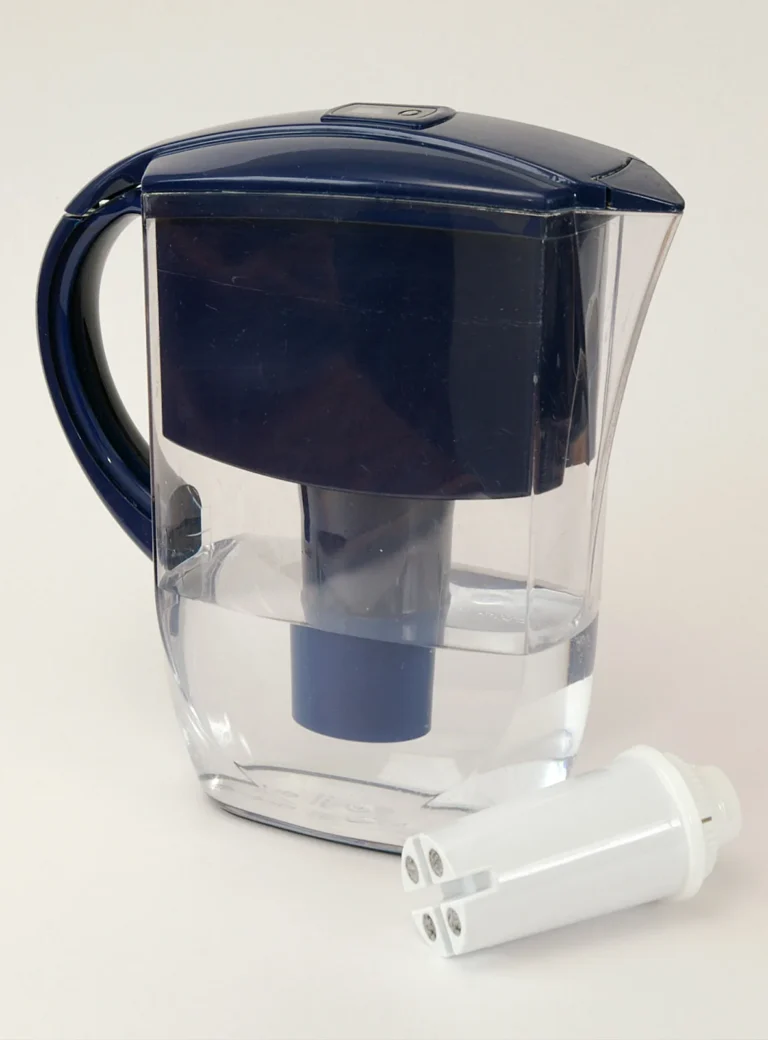
Will My Pitcher Filter Remove PFAS?
Generally, standard pitcher filters designed primarily for taste and odor improvement are not specifically certified or highly effective for removing the broad range of PFAS chemicals. While they contain activated carbon, which can adsorb some contaminants, they often lack the specialized design or capacity needed for significant PFAS reduction. If PFAS is a primary concern, relying solely on a basic pitcher filter is usually insufficient. For true peace of mind, look for filters with explicit NSF/ANSI Standard 53 certification for PFAS reduction.
Is Reverse Osmosis the Best for PFAS?
Reverse osmosis (RO) systems are considered among the most effective methods for removing PFAS from drinking water, often achieving very high reduction rates, sometimes upwards of 90% or more, depending on the specific system and contaminants. This effectiveness stems from the RO membrane's ability to physically block a wide array of dissolved solids and contaminants, including various PFAS compounds. However, "best" can depend on your individual needs; while RO is highly effective, it's also more complex, costly, and produces wastewater, which might not be ideal for everyone.
How to Know if Your Water Has PFAS
The only definitive way to know if your tap water contains PFAS is to have it tested by a certified laboratory. Many local water utilities provide annual water quality reports, which may list detected levels of PFAS if they are monitoring for them, but these reports might not always cover all PFAS compounds or be readily available. You can also use independent testing services that send you a kit to collect a water sample, which you then mail back for analysis. This direct testing provides the most accurate picture of your water's PFAS profile.
Expert Tips for Choosing the Right PFAS Filter
Selecting a filter to tackle PFAS isn't just about picking the most expensive or the one with the fanciest features. It’s about making an informed choice based on what truly works and what fits your situation.
- Focus on Certified Performance: As we've discussed, third-party certifications, particularly NSF/ANSI Standard 53 for PFAS reduction, are your best friend. These certifications mean the filter has undergone rigorous testing to prove its claims.
- Consider Your Water Source: Are you on municipal water or a private well? Municipal water is treated, but PFAS can still be present. Well water can be more susceptible to groundwater contamination from nearby industrial sites or agricultural runoff. Knowing your source helps understand potential contaminant levels.
- Evaluate System Type: Think about whether a whole-house system, an under-sink unit, or a countertop or pitcher filter best suits your needs. Whole-house systems offer protection at every tap, while under-sink units provide dedicated filtered water at the kitchen sink. Pitcher filters are convenient for small amounts but least effective for PFAS.
- Factor in Maintenance: All filtration systems require maintenance, primarily filter replacements. Understand the cost and frequency of these replacements. A system that's too difficult or expensive to maintain might be abandoned, negating its benefits.
- Check for Broad-Spectrum Removal: Given PFAS is a family of chemicals, look for filtration technologies that indicate they can remove a wide range of compounds, not just a specific few. This offers more robust protection.