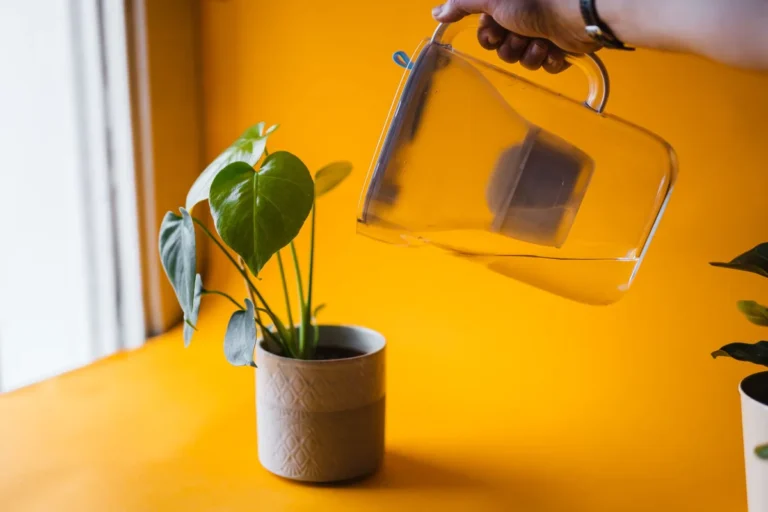
How Long Does It Take for Water Filter to Work 2026
Ever buy a new water filter and wonder, "Okay, now what?" You're probably eager to get to the good part: clean, great-tasting water. But how long does it actually take for water filter to work its magic and remove those unwanted bits from your tap water? It’s not always an instant switch; the process involves contact time, and that varies a lot.
In our research, we found that filtration speed depends heavily on the specific technology and design of your water filter. For instance, manufacturer specifications often detail recommended flush times and initial operating procedures, typically guiding you on how to ensure the filter is ready for optimal performance, usually within initial setup parameters that can range from minutes to a few hours for a full system cycle.
The Speed of Clean: What Directly Affects Your Filter's Working Time
That fresh glass of filtered water doesn't just appear by magic. Various factors dictate how quickly your filter can process water and do its purification job. Understanding these elements helps set realistic expectations and ensures you're getting the most out of your filtration system.
Filter Type: The Biggest Factor
The fundamental design and technology behind a water filter are the primary drivers of its operating speed. Simple gravity-fed filters operate at a different pace than pressurized multi-stage systems.
- Pitcher filters: Rely on gravity alone, making them typically slower.
- Faucet filters: Use household water pressure, speeding things up considerably.
- Under-sink and whole-house systems: Often employ higher water pressure and multiple filtration stages, which can be engineered for either rapid dispensing or thorough, slower purification depending on the design.

Water Pressure: When It Matters
For systems that aren't gravity-fed, like faucet-mounted or whole-house filters, the incoming water pressure plays a direct role in how fast water moves through the filter media. Higher pressure generally means faster flow, while low pressure can noticeably slow down the filtration process. Manufacturer specifications often list a recommended operating pressure range for their systems; exceeding or falling below this can impact both speed and filtration efficiency.
Contaminants: What Your Filter's Tackling
The type and concentration of contaminants in your water can influence how long it takes for the filter to work effectively. If your water has a lot of sediment, for example, the pre-filters can clog more quickly, reducing the flow rate over time. Similarly, if you're dealing with specific chemical contaminants that require extended contact time with activated carbon or specialized media, the system might be designed for a slower, more thorough process.
Filter Design & Materials: The Inside Story
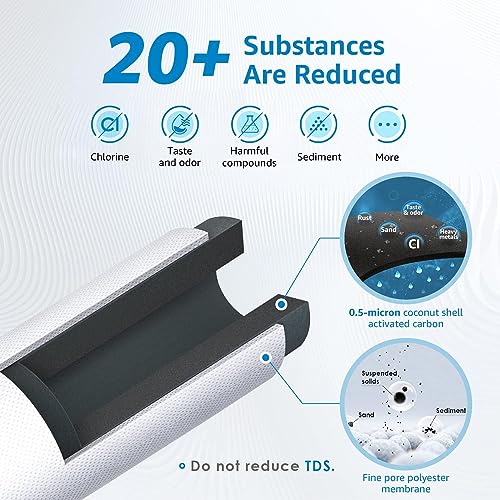
The actual materials and construction of the filter cartridge are crucial. Activated carbon, commonly used for taste and odor removal, has a porous structure that needs time to absorb impurities. Ceramic filters use tiny pores to physically block contaminants, and their flow rate depends on how fine those pores are. For more advanced systems, like reverse osmosis, water is forced through a semi-permeable membrane, a process that is inherently slower but yields exceptionally pure water.
How Different Filters Do Their Thing: A Peek Inside
Filtering water isn't a one-size-fits-all operation. The way each type of filter accomplishes its task dictates its speed and output. Let’s break down the common ones.
Pitcher Filters: The Slow Drip Experience
These are probably the most common type of home water filter. You fill the top reservoir with tap water, and gravity gradually pulls it through the filter cartridge into the pitcher below.
- How it works: Gravity is the engine here, pushing water through the filter media and into the storage area.
- What to expect: For a standard pitcher, expect a full batch to filter through in anywhere from 5 to 30 minutes. Factors like how full you fill the reservoir and the current condition of the filter cartridge play a role. The first few glasses might filter a bit slower than later ones.
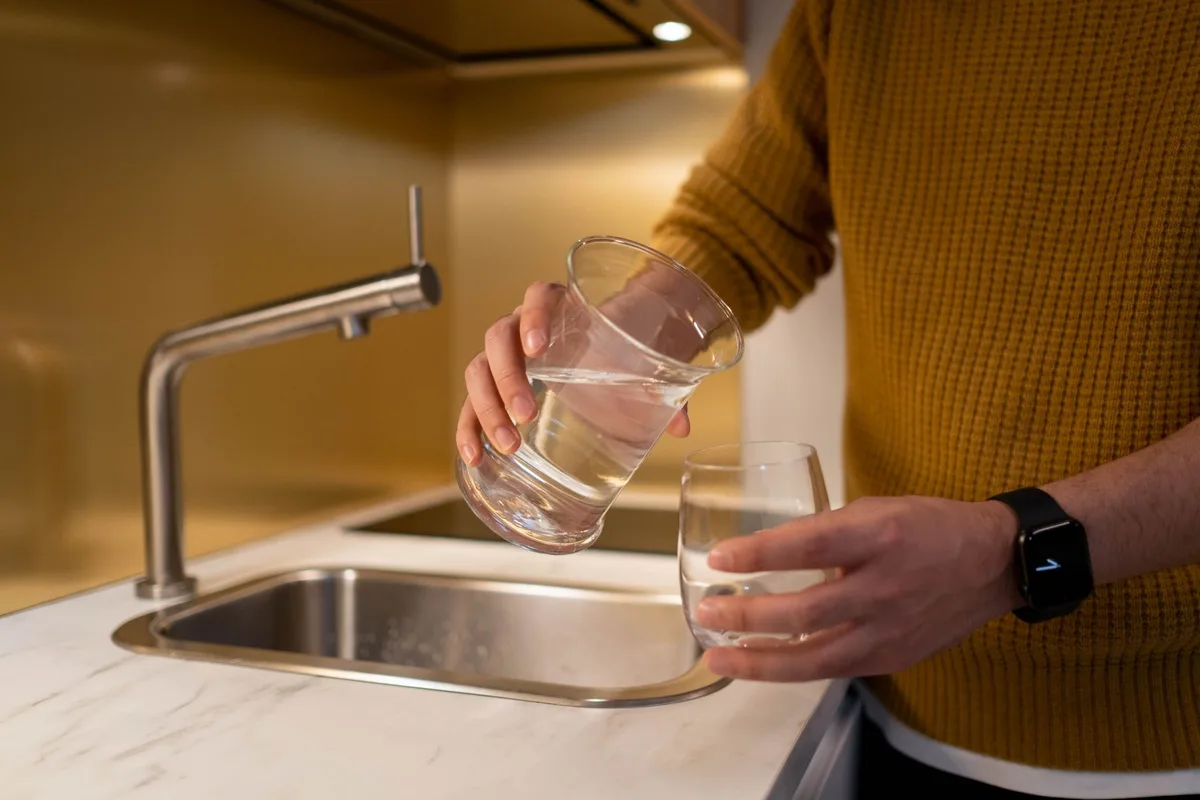
Faucet Filters: On-Demand Cleaning Speed
Attaching directly to your kitchen faucet, these filters offer filtered water at the flip of a switch. They divert your tap water through a compact filter housed within the unit.
- How it works: When you select the filtered water setting, the water pressure from your supply line forces water through the internal cartridge.
- What to expect: These are designed for convenience and speed. Filtered water is typically ready within seconds of turning on the tap to the filtered setting. It’s nearly instantaneous.
Under-Sink & Countertop Systems: The Dedicated Cleaners
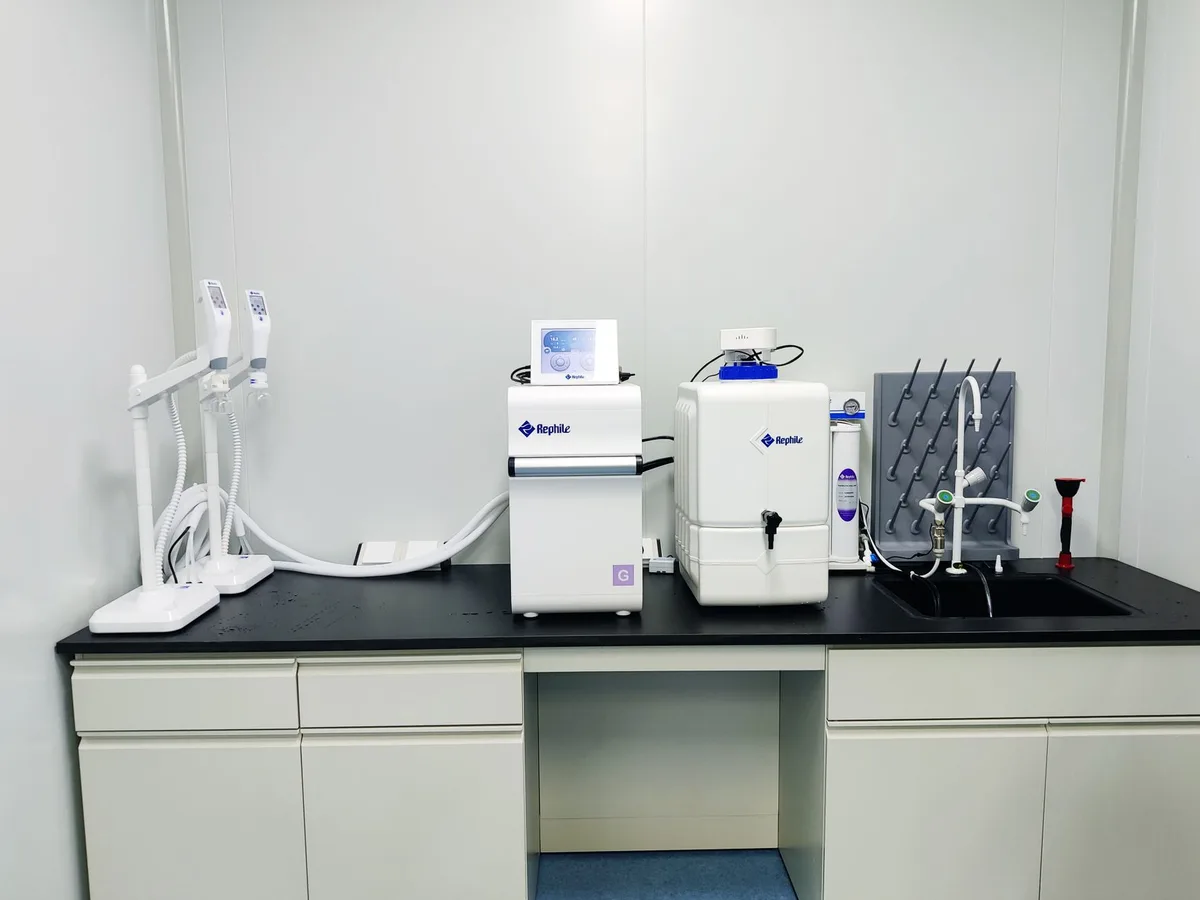
These systems are installed either beneath your sink or on your countertop, offering a more integrated approach to water filtration. They can range from simple carbon block filters to complex multi-stage setups, including reverse osmosis (RO) configurations.
- How it works: These systems typically have their own dedicated faucet or dispense from a central point. Multi-stage filters, like RO systems, pass water through several different types of media, sediment, carbon, and a RO membrane, sequentially. Each stage contributes to cleaning but also adds to the overall process time.
- What to expect:
- A basic under-sink carbon filter might take 1 to 3 minutes to dispense a significant volume of water.
- A reverse osmosis system, known for producing highly purified water, often uses a storage tank. This is because the RO membrane filters water more slowly. While water dispenses from the faucet quickly, the tank is continuously refilling in the background, a process that can take several hours for a full tank. Some RO units incorporate electric pumps to speed up the membrane filtration rate.
Whole-House Systems: Protecting Every Tap
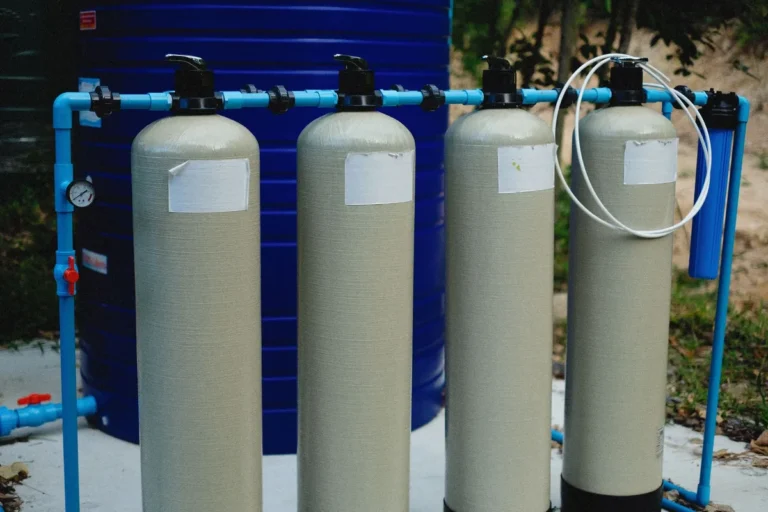
Installed where your main water line enters your home, these systems treat all the water used throughout your house. From showers and sinks to appliances, every drop passes through the filtration media.
- How it works: Water flows through large filter housings connected to your main supply. The filtration process occurs continuously as water is used.
- What to expect: You get filtered water instantly at every tap. The speed isn't measured in how long it takes for a glass to fill, but rather in the overall capacity and lifespan of the large filter cartridges, which is often rated in gallons or by years of service. The primary benefit is consistent water quality everywhere in your home.