ZeroWater Filter vs Reverse Osmosis: Which Is Better?

Is ZeroWater Good?
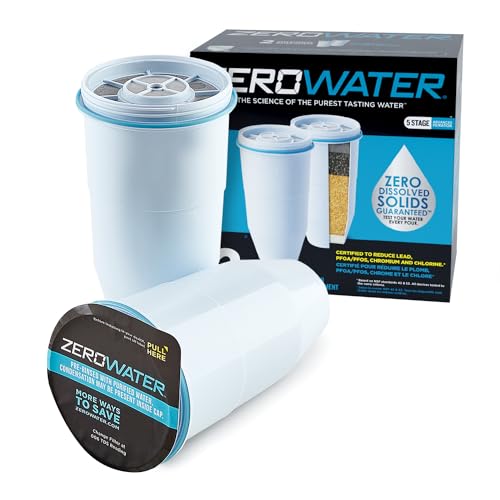
Yes, for many households. ZeroWater is a strong choice when you want very low dissolved solids without drilling into a cabinet or calling a plumber. Its five-stage design uses activated carbon, ion exchange resin, and fine filtration. The company says its current system removes up to 99.6% of TDS and is IAPMO certified to reduce lead, chromium, PFOA/PFOS, and mercury. The included TDS meter is also useful because it gives you a simple number to watch. It does not identify individual contaminants, but it can show when dissolved solids rise.
For a busy U.S. kitchen, I like the simplicity of this approach. You can keep a dispenser in the fridge or on the counter and refill it as needed. The trade-off is filter life. A filter can wear out much faster when your tap water has a high TDS load. That can make ongoing costs less predictable than they first appear. For me, this is the main point to remember when weighing zero water filter vs reverse osmosis.
What Makes It Stand Out / Key Features
- Five-stage filtrationThe system combines mesh, activated carbon, ion exchange resin, and fine filtration.
- Very low TDSZeroWater is designed to remove nearly all detectable dissolved solids, with performance varying by water quality and filter condition.
- TDS meterThe meter shows total dissolved solids in parts per million and can help you track filter condition.
- Certified reductionsCurrent ZeroWater systems carry IAPMO certification for reduction of lead, chromium, PFOA/PFOS, and mercury.
- No plumbingA pitcher or dispenser can be used without installing a dedicated under-sink water line.
- Portable designYou can move the pitcher or dispenser between rooms, take it to a rental, or use it without permanent changes.
My Recommendation
Choose ZeroWater if you want simple, portable filtration and very low TDS without installing an RO system. It makes the most sense for renters, small homes, and people who want a low-commitment option.
| Best For | Why |
|---|---|
| Renters | No permanent plumbing work is needed. |
| Small households | A pitcher or dispenser can supply drinking water without a full under-sink system. |
| Low-TDS water needs | The five-stage filter is designed to remove most dissolved solids. |
Is Reverse Osmosis Good?
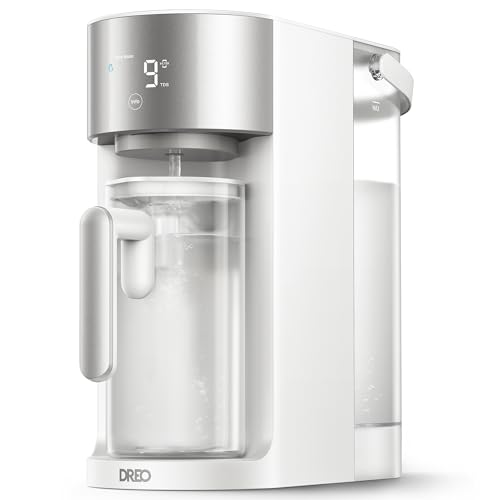
Yes, if you want a dedicated drinking-water system and do not mind installation and maintenance. Reverse osmosis pushes water through a semi-permeable membrane. The membrane blocks many dissolved substances and creates treated water plus a reject-water stream. The EPA notes that point-of-use RO systems can reduce contaminants such as lead, PFAS, arsenic, VOCs, bacteria, and viruses, although actual performance depends on the specific system and its certification.
The biggest difference I notice when looking at zero water filter vs reverse osmosis is the role each system plays. ZeroWater is a container you fill. RO becomes part of the kitchen plumbing. That makes RO feel more like a permanent appliance. It is handy when I want filtered water straight from a dedicated faucet for drinking, cooking, coffee, and ice. The catch is maintenance. Filters and membranes need scheduled replacement, and traditional RO systems can send substantial amounts of water to the drain.
What Makes It Stand Out / Key Features
- Semi-permeable membraneWater pressure pushes water through a membrane that can reject many dissolved contaminants.
- Multi-stage designMany residential RO systems add sediment and carbon filters before or after the RO membrane.
- Dedicated faucetUnder-sink systems can provide treated water at a separate kitchen faucet.
- Broad contaminant reductionRO can reduce many dissolved contaminants, but exact performance depends on the model and its certified claims.
- Storage tankMany traditional under-sink RO systems store treated water so it is ready when you open the faucet.
- Long system lifeThe EPA says a well-maintained RO system can last about 15 years, while individual filters and membranes need replacement sooner.
My Recommendation
Consider RO if you own your home, want dedicated filtered water at the sink, and need broad contaminant reduction. Check the exact certification and performance sheet before buying.
| Best For | Why |
|---|---|
| Homeowners | A permanent under-sink installation can make sense for long-term use. |
| Broad filtration needs | RO can reduce a wide range of contaminants when the system is properly certified and maintained. |
| Frequent kitchen use | A dedicated faucet gives quick access to treated water. |
zero water filter vs reverse osmosis: Side-by-Side Test
The best way to understand zero water filter vs reverse osmosis is to compare the things you notice every day. Cost matters, but so do space, speed, maintenance, and water waste.
Neither system is automatically right for every U.S. home. Your tap water report should guide the choice. If you use well water or have a known contamination issue, test the water first and choose a system certified for that contaminant.
Filtration: Which Goes Deeper?
Both systems can produce cleaner drinking water, but they use very different methods.
| Feature | Product 1 | Product 2 |
|---|---|---|
| Main method | Five-stage filtration with ion exchange | Pressure-driven reverse osmosis membrane |
| TDS reduction | Designed to remove nearly all detectable TDS | Typically provides strong dissolved-solids reduction |
| PFAS reduction | Certified reduction claims apply to specified PFOA/PFOS | Many certified RO systems can reduce PFAS |
| Microbial treatment | Not designed to remove microbiological contaminants | RO can reduce some microorganisms, depending on system design and certification |
⭐ ZeroWater – 8/10 | Reverse Osmosis – 9/10
RO has the edge for broad treatment potential, while ZeroWater keeps the process much simpler.
Setup: Which Is Easier?
This is where the gap becomes clear. One sits on your counter. The other usually lives under your sink.
| Feature | Product 1 | Product 2 |
|---|---|---|
| Installation | Fill and use | Usually requires plumbing installation |
| Tools | Usually none | May require basic plumbing tools |
| Permanent changes | None | Usually requires an under-sink connection and faucet |
⭐ ZeroWater – 10/10 | Reverse Osmosis – 7/10
ZeroWater wins on simplicity.
Daily Use: Which Feels Easier?
Daily convenience matters because even a great filter is annoying if it does not fit your routine.
| Feature | Product 1 | Product 2 |
|---|---|---|
| Access | Pour from pitcher or dispenser | Turn on dedicated faucet |
| Refilling | Manual | Automatic after installation |
| Space | Counter or refrigerator space | Under-sink cabinet space |
| High-volume use | Can require repeated filling | Better suited to regular kitchen demand |
⭐ ZeroWater – 8/10 | Reverse Osmosis – 9/10
RO feels easier once installed, while ZeroWater is easier from day one.
Water Waste: Which Uses Less?
This category matters if you live in a dry area or watch your household water use.
| Feature | Product 1 | Product 2 |
|---|---|---|
| Reject water | No RO reject-water stream | Creates reject water during RO treatment |
| Water efficiency | No membrane wastewater | Varies by system; traditional systems can waste several gallons per gallon treated |
| Waste reduction | Simple pour-through design | Look for a high-efficiency or WaterSense-labeled RO system |
⭐ ZeroWater – 9/10 | Reverse Osmosis – 6/10
ZeroWater has the edge because it does not create an RO reject-water stream.
Maintenance: Which Needs Less Work?
Every filter needs care. The question is how much work fits your routine.
| Feature | Product 1 | Product 2 |
|---|---|---|
| Main replacement | Replace the filter when exhausted | Replace pre-filters, post-filters, and RO membrane as required |
| Monitoring | TDS meter can help track performance | Flow, taste, pressure, and filter schedule matter |
| Sanitation | Simple container cleaning | Storage tanks and system parts may need periodic sanitation |
⭐ ZeroWater – 9/10 | Reverse Osmosis – 7/10
ZeroWater is easier to maintain, while RO asks for more routine care.
Cost: Which Is Easier on Budget?
The sticker price is only half the story. Filter life can change the long-term cost.
| Feature | Product 1 | Product 2 |
|---|---|---|
| Upfront cost | Usually lower | Usually higher |
| Installation cost | Usually none | May include DIY or professional installation |
| Recurring cost | Replacement filters | Multiple filters and periodic membrane replacement |
| Cost predictability | Depends heavily on incoming TDS | Depends on water quality, use, and system design |
⭐ ZeroWater – 8/10 | Reverse Osmosis – 7/10
ZeroWater is easier to start, but heavy use can make filter replacement costs add up.
Taste: Which Water Feels Cleaner?
Taste is personal, but removing dissolved minerals can create a noticeable change.
| Feature | Product 1 | Product 2 |
|---|---|---|
| Mineral removal | Very high TDS reduction | Strong dissolved-solids reduction |
| Taste profile | Very low-mineral taste | Often clean and neutral |
| Coffee and cooking | Can change taste based on the water recipe | Often useful for coffee and cooking |
⭐ ZeroWater – 8/10 | Reverse Osmosis – 9/10
RO gets the edge for an integrated kitchen setup, but taste remains a personal choice.
Final Verdict: Which Should You Buy?
The zero water filter vs reverse osmosis debate has no single answer for every home. ZeroWater is the easy path. It needs little setup, fits renters well, and can produce very low-TDS water. Reverse osmosis is the more complete under-sink approach. It can treat a broad range of contaminants and gives you filtered water from a dedicated faucet.
If you want simple and portable, choose ZeroWater. If you own your home and want a permanent drinking-water system, consider RO. Before buying either one, check your local water report and the exact performance claims for the model you choose. In zero water filter vs reverse osmosis, the right match is the one that fits both your water and your daily routine.