Reverse Osmosis Water Filter vs Brita: Which Is Better?
Is DREO Countertop RO Good?
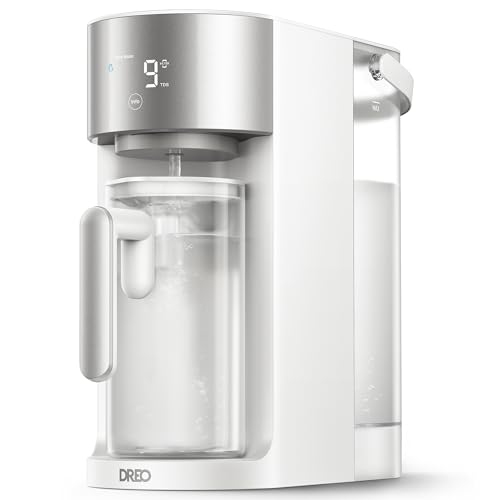
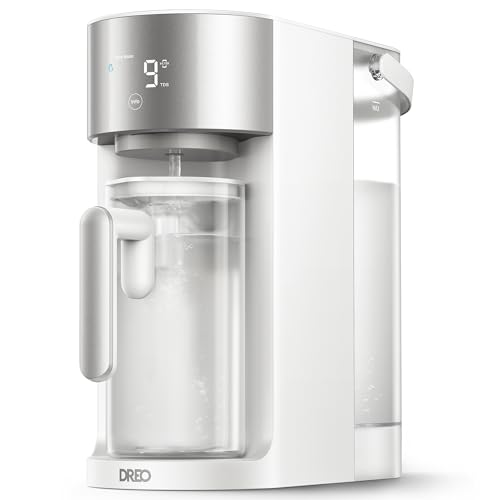
Yes, for people who want much deeper filtration at home. The DREO countertop RO system tied to this comparison uses a seven-stage reverse osmosis process, a real-time TDS display, an autofill pitcher, self-cleaning functions, and a 3:1 pure-to-drain ratio. DREO says the system can reduce up to 99.99% of more than 1,000 contaminants, though exact performance depends on the contaminant and test conditions. ([DREO][1])
What stands out to me in the reverse osmosis water filter vs brita comparison is the sense of control. With an RO system, I can see TDS readings instead of simply guessing what changed. It also feels closer to a small water station than a basic pitcher. That can be handy when I fill a bottle before work, cook pasta, or make coffee. The trade-off is clear: it costs more, needs power, and sends some water to the drain.
What Makes It Stand Out / Key Features
- Reverse OsmosisRO uses a membrane process designed to reduce total dissolved solids and a broad range of specified contaminants.
- Seven Stage FiltrationThe system uses multiple filtration stages before and during the RO process for broader treatment.
- Real Time TDS DisplayA digital display shows incoming and filtered-water TDS readings, giving you a simple way to watch the change.
- 3:1 Pure To Drain RatioDREO lists a 3:1 ratio of purified water to drain water, which is designed to limit waste compared with less efficient RO systems.
- Installation Free DesignThe countertop format avoids the plumbing work often needed for an under-sink RO system.
- Self CleaningThe system includes an automatic flushing and cleaning function that helps reduce routine manual work.
- Autofill PitcherThe pitcher can make repeated filling easier during normal household use.
My Recommendation
Consider the DREO RO if you want stronger filtration, live TDS readings, and a countertop system without plumbing work. It makes the most sense when water quality is a bigger concern than the lowest upfront cost.
| Best For | Why |
|---|---|
| Homes wanting deeper filtration | RO can reduce TDS and many specified contaminants beyond what a basic pitcher filter targets. |
| People who like data | The TDS display gives a quick view of the change in dissolved solids. |
| Renters or apartment users | A countertop system avoids permanent under-sink plumbing changes. |
Is Brita Standard Good?
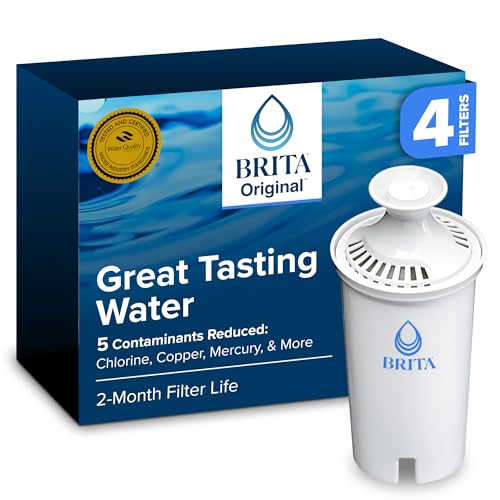
Yes, if your main goal is better-tasting tap water with a simple routine. The Brita Standard filter in this comparison is certified for specific reduction claims under NSF/ANSI 42 and 53. Brita’s performance sheet lists reductions for chlorine, cadmium, copper, mercury, and zinc, among other tested claims. Brita also states that the Standard filter should be replaced every 40 gallons, or about every two months for an average family. ([Brita][2])
The biggest appeal in the reverse osmosis water filter vs brita comparison is how little thought Brita requires. Fill the pitcher, wait, pour, and go. For a typical American apartment or kitchen with treated municipal tap water, that simple routine can be enough when the goal is taste and reduction of certain listed contaminants. Brita is not meant to purify microbiologically unsafe water, so it should only be used with potable tap water. ([Brita][2])
What Makes It Stand Out / Key Features
- Activated Carbon FiltrationThe Standard filter uses a simple filter design that helps reduce chlorine taste and odor and selected contaminants.
- NSF ANSI CertificationThe Standard system has been tested and certified for specified reduction claims under NSF/ANSI 42 and 53.
- 40 Gallon Filter LifeBrita recommends replacing the Standard filter every 40 gallons, or about two months for an average family.
- Simple Pitcher UseThere is no electrical connection or permanent plumbing setup for a standard pitcher.
- Taste ImprovementBrita filters are certified to reduce chlorine taste and odor, which can make tap water more pleasant to drink.
- Compact Daily RoutineThe pitcher can sit in a refrigerator and provide filtered water without a dedicated countertop machine.
My Recommendation
Choose Brita if you want a cheap, easy way to improve tap-water taste and reduce specific tested contaminants. It is a practical fit for many renters, students, and small households.
| Best For | Why |
|---|---|
| Budget shoppers | The basic pitcher approach costs far less to start than a countertop RO machine. |
| Renters and students | There is no installation and no need for electricity. |
| Taste focused users | The Standard filter is certified to reduce chlorine taste and odor. |
reverse osmosis water filter vs brita: Side-by-Side Test
The reverse osmosis water filter vs brita question becomes easier when you compare the daily jobs. One is a deeper treatment system. The other is a simple tap-water filter.
For this reverse osmosis water filter vs brita comparison, I focused on the things that matter in a normal U.S. home: filtration, taste, setup, cost, maintenance, water waste, and daily ease.
Filtration: Which Goes Deeper?
This is the biggest gap between the two. RO is built to reduce TDS and many specified contaminants, while Brita Standard targets a smaller set of tested claims. NSF/ANSI 58 covers RO systems and includes TDS reduction plus optional claims for substances such as lead, arsenic, nitrate, fluoride, and VOCs. ([NSF][3])
| Feature | Product 1 | Product 2 |
|---|---|---|
| Main method | Reverse osmosis with multiple stages | Standard pitcher filtration |
| TDS reduction | Yes, RO is designed for TDS reduction | Not the main function |
| Contaminant range | Broad range, depending on tested claims | Specific certified reduction claims |
| Filtration depth | High | Moderate |
⭐ Product A – 9/10 | Product B – 7/10
Edge: DREO RO, because reverse osmosis offers deeper treatment.
Taste: Which Water Feels Better?
Taste is personal. Some people like the clean, light taste of RO water. Others prefer water that keeps more of its natural minerals. Brita can also improve taste by reducing chlorine taste and odor. ([Brita][4])
| Feature | Product 1 | Product 2 |
|---|---|---|
| Chlorine taste | Reduced through the multi-stage system | Certified reduction |
| Mineral level | Much lower TDS is possible | Most minerals remain |
| Taste profile | Clean and light | More like normal tap water |
⭐ Product A – 9/10 | Product B – 8/10
Edge: DREO RO for a very clean taste, while Brita may suit people who prefer a more normal mineral profile.
Setup: Which Is Easier?
The best filter is not useful if it becomes a chore. This is where Brita feels almost effortless.
| Feature | Product 1 | Product 2 |
|---|---|---|
| Installation | Countertop setup | No installation |
| Power | Required | Not required |
| Plumbing | No permanent plumbing needed | None |
| Learning curve | Low | Very low |
⭐ Product A – 8/10 | Product B – 10/10
Edge: Brita, because its routine is almost as simple as filling a pitcher.
Cost: Which Saves More?
Upfront cost is only one part of the picture. You also need to think about filter replacements, electricity, and water use.
| Feature | Product 1 | Product 2 |
|---|---|---|
| Upfront cost | Higher | Lower |
| Replacement filters | More specialized | Widely available |
| Electricity | Uses electricity | No electricity |
| Long-term value | Better when deep filtration matters | Better for basic filtration needs |
⭐ Product A – 7/10 | Product B – 10/10
Edge: Brita for low-cost everyday filtering.
Water Waste: Which Uses Less?
RO has a unique trade-off. It can produce very clean water, but some feed water goes to the drain. DREO lists a 3:1 pure-to-drain ratio for its RO system. ([DREO][5])
| Feature | Product 1 | Product 2 |
|---|---|---|
| Drain water | Yes | No |
| Listed water ratio | 3 parts pure to 1 part drain | No RO drain stream |
| Water efficiency | Improved for an RO system | Very simple and direct |
⭐ Product A – 8/10 | Product B – 10/10
Edge: Brita for zero RO reject water.
Maintenance: Which Needs Less Care?
Both need filter changes. The difference is the type of care. Brita is simple. RO has more parts and functions to manage.
| Feature | Product 1 | Product 2 |
|---|---|---|
| Filter replacement | Required | Every 40 gallons or about 2 months |
| Cleaning | Self-cleaning features help | Simple pitcher cleaning |
| Filter monitoring | Digital monitoring | Simple indicator or schedule |
⭐ Product A – 8/10 | Product B – 9/10
Edge: Brita for simplicity, with DREO offering more automated monitoring.
Daily Use: Which Fits a Busy Home?
A busy morning can turn water into one more small task. The winner depends on whether you want simplicity or more filtration control.
| Feature | Product 1 | Product 2 |
|---|---|---|
| Bottle filling | Easy with the pitcher | Easy but requires pitcher refills |
| Cooking | Excellent for low-TDS water | Good for everyday tap-water taste |
| Coffee and tea | Excellent for a clean water profile | Good for better-tasting tap water |
| Large household | Better filtration capacity and monitoring | May require frequent refilling |
⭐ Product A – 9/10 | Product B – 8/10
Edge: DREO for households that use a lot of filtered water.
Final Verdict: Which Should You Buy?
The reverse osmosis water filter vs brita choice is really a choice between depth and simplicity. The DREO countertop RO system makes more sense if you want deeper filtration, TDS monitoring, and a broad treatment process. Brita makes more sense if you want a low-cost way to improve taste and reduce specific tested contaminants.
For my practical reverse osmosis water filter vs brita breakdown, I would choose RO when water quality is the main concern. I would choose Brita when price, ease, and a no-fuss routine matter more. Neither tool replaces testing your water when you have a known contamination problem.