How To Drain Water From Fuel Filter Diesel: Step-by-Step 2026 Guide
Water in your diesel fuel filter can cause engine misfires, rough idling, and costly injector damage if left unchecked.
If you drive a diesel truck, work on heavy equipment, or just maintain your own vehicle, knowing how to drain water from a fuel filter is one of those small skills that saves big headaches. Over the years, I have helped friends and fleet drivers pull water out of their fuel systems, and it is almost always the same simple process once you know what to look for. In this guide, I will walk you through the exact steps, the tools you need, and the signs that tell you it is time to act.
Why Water Ends Up in Your Fuel Filter
Diesel fuel and water do not get along. Even a tiny amount of moisture can cause rust inside metal fuel tanks, grow microbial slime, and lead to corrosion on injector tips. Most diesel engines today have a fuel water separator built into the filtration system. Its job is to catch that water before it reaches the injectors.
Common ways water sneaks into your fuel include condensation inside the fuel tank, poor quality fuel from the pump, a loose fuel cap, or even rainwater getting past a damaged seal. Cool nights and warm days create temperature swings inside the tank, and moisture from the air condenses on the walls and drips down into the fuel. It is the same reason a cold drink "sweats" on a hot day.
If your vehicle has a water-in-fuel sensor, you might see a dashboard warning light that looks like a fuel drop with a wave underneath. That light is your early heads-up that it is time to drain.
Tools and Safety Prep Before You Start
Before you touch anything, make sure you have the right gear and a safe setup.
You will need a clean container to catch the drained liquid, some rags or shop towels, and a pair of nitrile gloves. Safety glasses are a good idea because diesel fuel can splash. Park the vehicle on a flat, level surface and turn the engine off. If you just drove, give the engine a few minutes to cool so you do not burn yourself on hot parts.
You do not need to disconnect the battery, but you should avoid smoking or having any open flames nearby. Diesel is less volatile than gasoline, but fumes are still flammable. Work in a well-ventilated area, especially if you are under the truck.
Step by Step: How to Drain Water from a Diesel Fuel Filter
The exact layout depends on your vehicle, but the basic idea is the same across most diesel engines. The fuel filter assembly sits under the hood on many light trucks, or along the frame rail on bigger trucks and equipment. There is a clear bowl or a drain plug near the bottom of the filter housing.
Locate the Fuel Water Separator
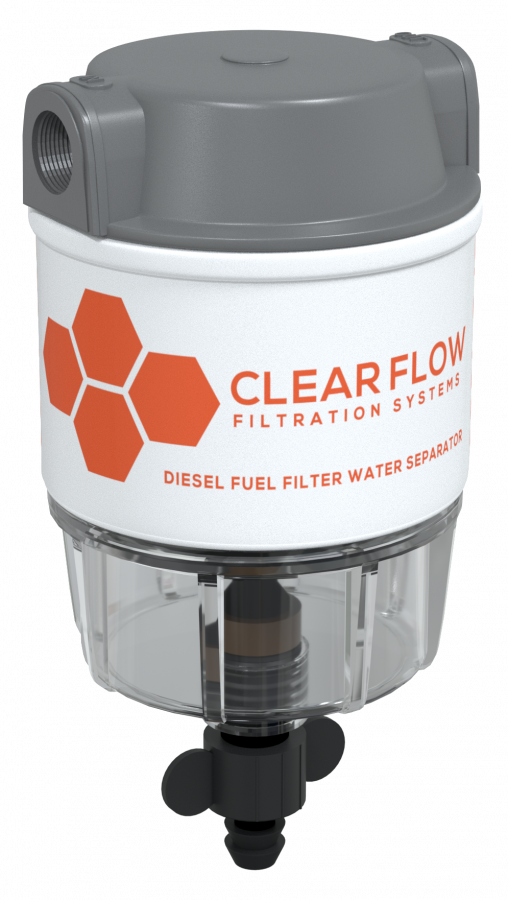
Look for a canister-style filter with a plastic bowl at the bottom. Some have a clear section so you can see water and fuel separated. Others have a metal drain valve at the bottom. If you see a sensor wire going into the bottom of the filter, that is your water-in-fuel sensor.
Place Your Catch Container Underneath
Slide your container under the drain point. You will be surprised how much liquid comes out, so pick something with enough room. A shallow oil drain pan works great.
Open the Drain Valve or Petcock
Most filters have a small plastic drain valve you turn by hand or with a screwdriver. Some use a quarter-turn knob. Turn it slowly counterclockwise. You will hear a hiss, and then liquid will start to flow out.
Watch the Flow and Close at the Right Time
Here is the key part. You want to drain until the liquid coming out changes from dark water to clean diesel fuel. Water settles at the bottom because it is heavier than diesel. So at first, you will see dark, sludgy water, then a mix, then clear fuel. Close the valve as soon as you see clean fuel. If you stop too early, you leave water behind. If you wait too long, you just drain good fuel.
Check for the Water-in-Fuel Light
Start the ignition without cranking the engine, or turn the key to the run position. On most vehicles, the water-in-fuel light will blink or stay on while water is detected. After draining, the light should turn off within a few seconds. If it stays on, repeat the process or check for trapped air.
Dispose of the Waste Properly
The liquid you drained is a mix of water and diesel. Do not pour it on the ground or down a drain. Most auto parts stores and service stations accept used fuel and fuel-contaminated waste. Check your local rules.
Pro Tips from Real World Experience
After draining fuel filters on everything from a 7.3 Power Stroke to a skid steer, here are a few things I wish I knew sooner.
Drain the water separator more often if you live in a humid climate or your truck sits outside a lot. Every oil change is a good rule of thumb, but if you see the warning light, do not wait.
If your filter bowl is clear, you can actually see the water line. It looks like a clear layer at the bottom. That visual check is faster than waiting for the dash light.
Some filters have a primer pump on top. After draining, you may need to pump it to refill the canister and bleed air from the fuel system. If your engine cranks but won't start after draining, air in the fuel lines is the most common reason.
Be gentle with the drain valve. I have seen people crack the plastic housing by overtightening the valve after draining. Snug is enough. Do not force it.
If your fuel tank itself is contaminated with a lot of water, draining the filter alone will not fix the problem. In that case, you may need to drain the tank or have it professionally cleaned.
How Often Should You Drain the Water Separator?
There is no single answer because it depends on your fuel quality and how you use the vehicle. As a baseline, check the separator every 5,000 miles or every oil change. If you get fuel from smaller stations or older storage tanks, check more often.
If your vehicle has a factory water-in-fuel sensor, pay attention to the warning light. That light is there for a reason, and ignoring it can lead to injector replacement, which costs a lot more than a five-minute drain job.
Common Mistakes to Avoid
Skipping the catch pan is the most common mistake. People open the drain and end up with diesel all over the frame, driveway, or shop floor. It is messy and a slip hazard.
Another mistake is leaving the drain valve open too long. People forget to close it, fuel leaks out, and the engine sucks air. If your truck won't start after a drain, the first thing to check is whether the drain valve is fully closed.
A third mistake is using a cheap aftermarket filter that does not have a water separation stage. If you drive a modern common-rail diesel, your engine depends on clean, dry fuel. Stick with OEM-quality replacements and change them on schedule.
Frequently Asked Questions
Can driving with water in the fuel damage my engine?
Yes. Water in the cylinders can cause hydro-lock, which bends connecting rods and cracks pistons. Even small amounts of water cause injector corrosion and poor combustion. It is one of the most expensive diesel repairs and is almost always preventable with simple filter draining.
Do all diesel engines have a water separator?
Most modern diesels do, but not all. Light-duty diesels from the mid-1990s onward usually have a factory fuel water separator. Older mechanical diesels and some heavy-duty applications may rely on the tank's design or an add-on separator. Check your owner's manual to confirm.
How do I know if I got all the water out?
After draining, the water-in-fuel light should go out within a few seconds of turning the key on. If the light stays on or comes back quickly, there is still water in the system. You can also remove the filter bowl if your model allows it and look for a clear water layer at the bottom.
Is it okay to drain a little fuel with the water?
Yes, that is normal and expected. The goal is to push out all the water and a small amount of fuel to make sure no water is left behind. A few ounces of diesel in your waste container is a good sign you reached the fuel layer.
Should I use a fuel additive to remove water?
Some additives claim to emulsify water so the engine can burn it. They can help in mild cases, but they are not a replacement for draining. If you have a water-in-fuel warning, drain first and treat second.
Draining water from your diesel fuel filter is a quick job that protects one of the most expensive parts of your vehicle. With a clear container, a few minutes of your time, and a little attention to detail, you can keep your fuel system dry and your engine running strong. Add it to your regular maintenance routine, and your diesel will give you many more miles of reliable service. If you found this guide helpful, share it with a friend who drives a diesel, and drop a comment below with any questions about your specific model.