How Often Replace Zero Water Filter: Best Guide
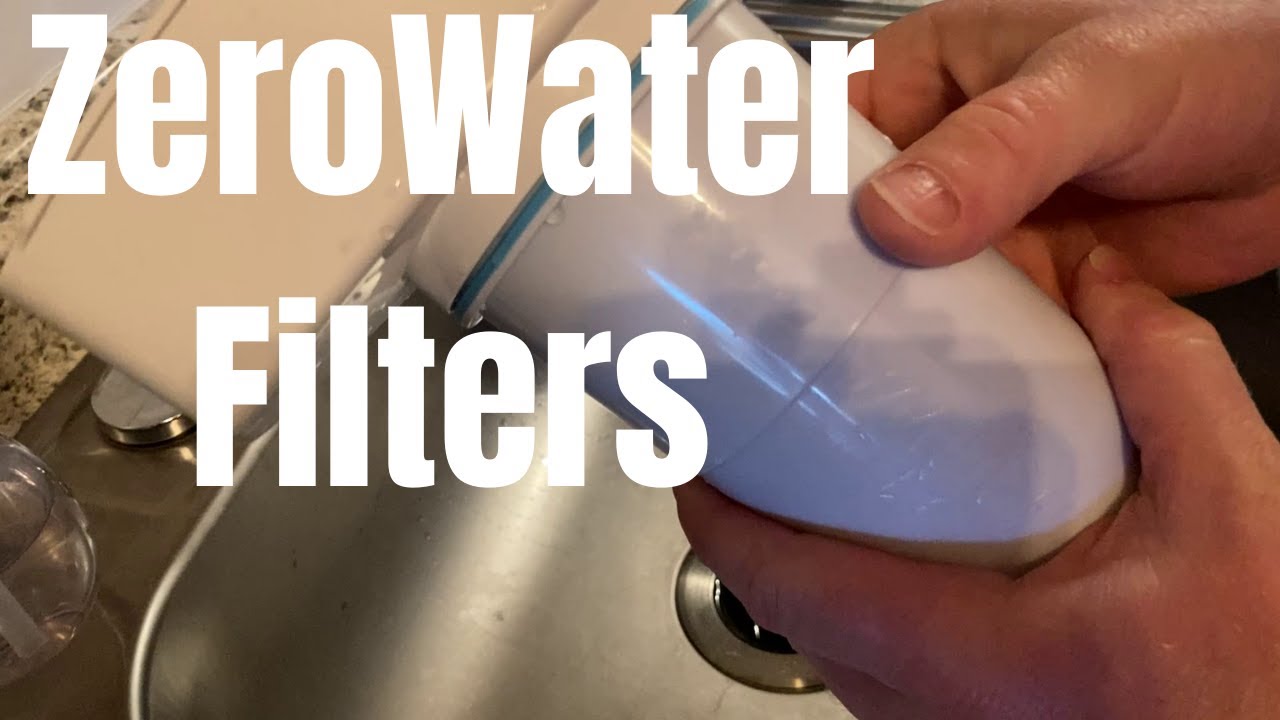
ZeroWater filters should be replaced roughly every 20–40 gallons or every 3–6 months, depending on your water quality and daily usage. If you've ever wondered why your filtered water suddenly tastes a bit off or your TDS meter reading starts creeping up, the answer almost always comes back to a filter that's past its prime.
I've been testing and using ZeroWater pitchers for years in my own home, and I've learned that knowing how often to replace the filter isn't just a suggestion—it's the key to actually getting the clean, pure water the brand promises. Below, I'll walk you through everything I wish someone had told me when I first started using ZeroWater, so you can avoid the same trial and error.
Why Replacement Timing Matters
ZeroWater uses a five-stage ion exchange system that's quite a bit more aggressive than a standard carbon filter. It doesn't just trap contaminants; it actually pulls dissolved solids like lead, mercury, and chromium out of your water through a chemical exchange process. Once the resin beads inside the filter get saturated, they can't hold any more, and your water quality drops fast.
This is why timing matters. Push the filter too long, and you're essentially pouring tap water through spent media. Replace it too early, and you're wasting money on filters that still had life left. The sweet spot is somewhere in between, and it varies more than most owners realize.
A few signs I've personally come to trust:
- TDS meter readings climbing back up toward 050–100 ppm or higher
- Water taking noticeably longer to drip into the lower chamber
- A faint metallic or chlorine taste returning
- Cloudiness in water that used to come out crystal clear
How Often to Replace Based on Usage
Usage is honestly the biggest factor. A single person who fills a small pitcher once a day will wear out a filter far slower than a family of five refilling throughout the day. Here's a rough breakdown I've put together based on what I've seen across my own household and what other long-term users tend to report.
- Light users (1–2 people, occasional use): Every 4–6 months, or roughly 30–40 gallons
- Moderate users (2–3 people, daily use): Every 2–4 months, or roughly 20–30 gallons
- Heavy users (large household, cooking and drinking heavily): Every 4–8 weeks, or roughly 15–20 gallons
- Office or commercial-style use: Monthly replacement is often necessary
If you don't want to track gallons manually, the free ZeroWater TDS meter that comes with most pitchers is honestly one of the best tools you can own. Drop it into your filtered water, and if the reading is above 006 ppm, it's time for a swap. I've found this to be more reliable than any calendar reminder.
Factors That Shorten Filter Life
Not all tap water is equal, and this is where a lot of new users get caught off guard. I learned this the hard way after moving apartments within the same ZIP and seeing filter life cut in half.
Hard water is the silent filter killer. If your municipal supply has high total dissolved solids (TDS), your filter will exhaust faster because the resin is constantly working to swap out those minerals. Some neighborhoods in the Southwest and Midwest routinely have tap TDS in the 300–500 range, which means even a single pitcher fill can push the filter closer to its limit.
Old plumbing can shorten filter life too. If your home has aging pipes, you might get occasional sediment or rust spikes that clog the pre-filter stage of the ZeroWater cartridge faster than normal.
Well water users, this one's especially for you. Well water often contains higher levels of iron, sulfur, and sediment, which can dramatically shorten the lifespan of any pitcher filter. If you're on well supply, expect to change filters more often than someone on treated city water.
Tips to Maximize Filter Lifespan
Once I started following a few small habits, I noticed a real difference in how long my filters lasted. Nothing dramatic, but enough to save a filter or two over the course of a year.
Always use cold water. Hot water can damage the ion exchange resin and reduce the filter's ability to trap contaminants.
Don't let water sit in the upper chamber for long. Stagnant water can encourage bacterial growth and slowly degrade the filter media. I try to refill right after pouring so the filter is always working with fresh flow.
Clean the pitcher monthly. A quick rinse of the reservoir and lid prevents biofilm buildup, which can affect both taste and filter efficiency.
Track your gallons. Some people mark the filter itself with a permanent pen when they install it, then log usage in a notes app. I know it sounds a little obsessive, but it works.
Keep your TDS meter handy. Test once a week if you drink a lot of water, or once a month if usage is lighter.
Common Mistakes to Avoid
I've made a few of these myself, so trust me when I say they're easy traps to fall into.
Ignoring the TDS meter. The meter is there for a reason. If you never use it, you're essentially guessing at filter life.
Refilling before the upper chamber is empty. This can cause water to overflow back through the filter, which isn't a huge issue but can lead to inconsistent taste and unnecessary wear.
Assuming "filtered" means the same thing forever. ZeroWater filters don't lose performance gradually the way some carbon filters do. They hit a point where the resin is fully saturated and then water quality drops noticeably.
Forgetting about the reservoir. Mold or mineral buildup in the pitcher itself can make even a fresh filter taste off.
ZeroWater Filter Replacement: A Quick Recap
| Usage Level | Replace Every | Approximate Gallons |
|---|---|---|
| Light | 4–6 months | 30–40 gallons |
| Moderate | 2–4 months | 20–30 gallons |
| Heavy | 1–2 months | 15–20 gallons |
| Well water users | 4–6 weeks | 10–20 gallons |
This table is a starting point, not a hard rule. Your TDS meter will always give you the most accurate answer.

When the Filter Is Actually Done
Sometimes the signs are subtle, and sometimes they're impossible to miss. Here's what I look for as the final confirmation that a filter has truly run its course:
- TDS meter reading 050 ppm or above after filtering
- Noticeable taste or odor in the water
- The "ready" indicator on the pitcher (if your model has one) hasn't moved in days despite refilling
I always recommend replacing the filter right away once you hit any of these markers. Drinking water through an exhausted ZeroWater filter is essentially the same as drinking unfiltered tap water.
Frequently Asked Questions
How do I know when my ZeroWater filter needs replacing?
The easiest way is to use the included TDS meter. Once the reading climbs above 006 ppm, your filter is no longer delivering the purity ZeroWater is known for, and it's time to swap it out.
Can I make my ZeroWater filter last longer than 40 gallons?
It's not recommended. The filter is rated for roughly 40 gallons under ideal conditions, and pushing it past that point means contaminants will start passing through. It's not worth saving a few dollars when water safety is on the line.
Does hard water ruin ZeroWater filters faster?
Yes. Hard water with high TDS levels will exhaust the filter much faster than soft water. If you live in a hard water area, expect to replace filters more often than the average user.
Should I soak my new ZeroWater filter before using it?
You should run two to three pitchers of water through a brand-new filter before drinking from it. This primes the resin and clears out any loose carbon dust from manufacturing.
Can I clean and reuse a ZeroWater filter?
No, ZeroWater filters are not designed to be cleaned or restored. Once the ion exchange resin is saturated, the filter has reached the end of its useful life and should be replaced with a new one.
Conclusion
Replacing your ZeroWater filter on the right schedule is the single most important thing you can do to actually get the clean, pure water you're paying for. For most households, that means swapping out the filter every 2–4 months, but your TDS meter will always give you the most accurate answer.
I'd encourage you to start tracking your filter life this week. Pour a glass, test it with the TDS meter, and write down the number. Within a few weeks, you'll start to see exactly how your water and your habits affect performance, and you'll never have to guess again.
If you found this guide helpful, drop a comment below with your own TDS readings or any tips you've discovered along the way. I'd love to hear what's working in your home.