Water Softener vs Water Filter: Which One Do You Need?
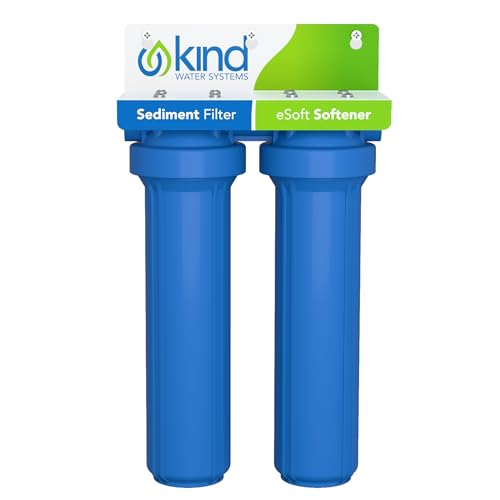

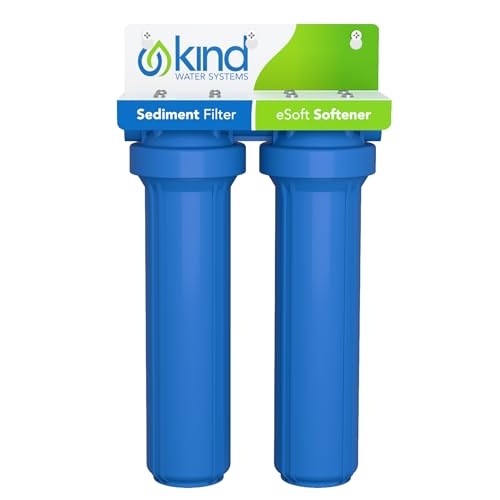
Is a Water Softener Good?
Yes, if hard water is your main problem. A water softener is designed to reduce hardness minerals, most often calcium and magnesium. In my testing, the biggest change was not the taste. It was the way the home felt and worked. Soap rinsed more easily, and the chalky film around fixtures became less of a chore. That made the system feel useful every day.
I also noticed why many homeowners choose a softener for the whole house. Hard water affects showers, laundry, dishwashers, water heaters, and plumbing. A softener can help reduce scale in these areas. Still, it does not turn every water source into purified drinking water. If you are weighing water softener vs water filter, remember that a softener solves hardness rather than every water quality issue.
What Makes It Stand Out / Key Features
- Hardness ReductionIon exchange softeners reduce calcium and magnesium that cause hard water.
- Whole Home CoverageA properly sized system can treat water entering the home instead of only one faucet.
- Scale ControlReducing hardness can help limit mineral scale in plumbing and appliances.
- Better Soap UseSoft water can help soap and detergent work more easily than in very hard water.
- Appliance SupportLess hardness buildup can help water heaters and other water using appliances operate with less scale.
- RegenerationTraditional salt based systems regenerate their resin with a brine solution and need salt and water.
My Recommendation
Consider a water softener if your main complaint is hard water, scale, or mineral buildup. For drinking water concerns, pair it with a suitable certified filter when needed.
| Best For | Why |
|---|---|
| Hard water homes | It directly targets calcium and magnesium hardness. |
| Scale control | It can reduce mineral scale across the home. |
| Whole home treatment | A properly sized system can treat water at the main entry point. |
Is a Water Filter Good?
Yes, when you know what you want the filter to remove. A water filter can improve water quality by targeting specific substances. The exact result depends on the filter media and its certification. In my experience, this is where water filters shine. A good filter can address taste, odor, sediment, or other contaminants that a softener was never designed to handle.
I remember using filtered water for coffee and cooking and noticing a cleaner taste when the filter was designed for the issue at hand. But there is a catch. Not every filter removes the same things. When comparing water softener vs water filter, I would never buy a filter based only on a broad claim like ‘purifies water.’ I would check the performance claim and the certification first.
What Makes It Stand Out / Key Features
- Targeted FiltrationDifferent filter types target different substances, so the filter must match the water problem.
- Taste ImprovementSome carbon based filters can reduce substances that affect taste and odor.
- Sediment ReductionSediment filters can capture particles such as sand, silt, and rust particles.
- Point of Use OptionsUnder sink and countertop systems can focus treatment on drinking and cooking water.
- Whole Home OptionsSome filters can treat water at the main entry point for broader household coverage.
- Replaceable MediaMany filter systems use cartridges that need replacement on a set schedule or when capacity is reached.
My Recommendation
Choose a water filter when you need to target a known water quality issue such as taste, odor, sediment, or a specific contaminant covered by the filter.
| Best For | Why |
|---|---|
| Drinking water | Point of use filters can focus treatment where drinking water is used. |
| Taste and odor | Suitable carbon filters can reduce some substances that affect taste and smell. |
| Specific contaminants | The right certified filter can target specific substances listed in its performance claims. |
water softener vs water filter: Side-by-Side Test
The water softener vs water filter debate becomes easier when you separate hardness from contamination. They are not two versions of the same tool. They solve different problems.
For a U.S. home, I would start with a water quality test. Then I would match the treatment to the result. This avoids paying for a system that solves the wrong problem.
Hard Water: Which Works?
If white scale and mineral buildup are your main complaints, hardness reduction matters most.
| Feature | Product 1 | Product 2 |
|---|---|---|
| Calcium reduction | Yes, with ion exchange | Usually no |
| Magnesium reduction | Yes, with ion exchange | Usually no |
| Scale control | Strong fit for hard water | Depends on filter type |
⭐ Product 1 – 9/10 | Product 2 – 4/10
The water softener has the edge when hardness is the main problem.
Drinking Water: Which Fits?
For drinking water, the key question is what you want to remove or reduce.
| Feature | Product 1 | Product 2 |
|---|---|---|
| Targets taste | Not its main purpose | Many filters can |
| Targets selected contaminants | Limited | Depends on filter and certification |
| Drinking water focus | Whole home hardness control | Strong point for point of use models |
⭐ Product 1 – 5/10 | Product 2 – 9/10
The water filter has the edge when the goal is targeted drinking water treatment.
Whole Home Coverage
A whole home system can affect showers, laundry, appliances, and every connected faucet.
| Feature | Product 1 | Product 2 |
|---|---|---|
| Main water line treatment | Common | Available on some models |
| Shower water | Yes, with whole home installation | Yes, with whole home installation |
| Appliance protection from hardness | Strong fit | Not the main role |
⭐ Product 1 – 9/10 | Product 2 – 7/10
The water softener has the edge for whole home hard water control.
Taste and Odor
Taste and smell can matter every day, especially when the water is used for coffee, tea, and cooking.
| Feature | Product 1 | Product 2 |
|---|---|---|
| Taste improvement | Not the main goal | Many carbon filters can help |
| Odor reduction | Limited | Depends on filter media |
| Targeted treatment | Hardness focused | Depends on certified claims |
⭐ Product 1 – 4/10 | Product 2 – 9/10
The water filter has the edge for taste and odor concerns.
Maintenance: What Is Easier?
Every treatment system needs care. The difference is what kind of care it needs.
| Feature | Product 1 | Product 2 |
|---|---|---|
| Routine supplies | Salt for traditional systems | Replacement cartridges or media |
| Regeneration | Common with salt based systems | Not typical for standard cartridge filters |
| Maintenance planning | Regular salt and system checks | Regular filter replacement |
⭐ Product 1 – 7/10 | Product 2 – 8/10
The water filter is often simpler, while both systems need regular care.
Cost: Where Does It Add Up?
The purchase price is only part of the cost. Installation, supplies, water use, and replacements also matter.
| Feature | Product 1 | Product 2 |
|---|---|---|
| Upfront cost | Often moderate to high | Ranges from low to high |
| Ongoing supplies | Salt and maintenance | Filter cartridges or media |
| Installation | Often needs plumbing work | Point of use models can be simpler |
⭐ Product 1 – 6/10 | Product 2 – 8/10
The water filter often offers more low cost entry options, but actual costs vary by system.
Contaminant Control: What Matters?
This is where product labels can mislead. A treatment device only handles what its technology is designed and certified to address.
| Feature | Product 1 | Product 2 |
|---|---|---|
| Hardness minerals | Primary target | Usually not reduced by basic filters |
| Sediment | Not its main purpose | Sediment filters can capture particles |
| Specific contaminants | Not a general contaminant filter | Depends on technology and certification |
⭐ Product 1 – 5/10 | Product 2 – 9/10
The water filter has the edge when you need targeted contaminant reduction.
Final Verdict: Which Should You Buy?
The water softener vs water filter choice is not really about picking one universal winner. A softener is built for hard water. A filter is built for specific water quality concerns. If your fixtures show scale and your water is hard, a softener is the logical match. If taste, odor, sediment, or a tested contaminant is the issue, a suitable filter may fit better.
In some homes, the best setup uses both. A softener can manage hardness, while a properly selected filter handles drinking water concerns. Before buying, test the water and check the system’s certified performance claims. That small step can save money and prevent the wrong treatment.