How Often Change Fridge Water Filter 2026: Tested & Reviewed
Changing your refrigerator's water filter is one of those tasks that’s easy to put off, but super important for clean, great-tasting water and ice. So, how often change fridge water filter? The answer isn't as simple as a date on a calendar, but figuring it out for your home is straightforward.
Manufacturer specifications typically recommend replacing your refrigerator water filter every six months for optimal performance, but this can vary. Some filters, for example, are certified by organizations like NSF International to reduce specific contaminants like lead or certain pesticides for a defined lifespan, which often aligns with that six-month window. Ultimately, your filter's actual lifespan depends on a few key variables unique to your household.
What Really Dictates Filter Life?
The lifespan of your refrigerator water filter isn't set in stone; it's influenced by several factors. Understanding these will help you know precisely when it's time for a swap, ensuring you're always getting the best quality water straight from your fridge.
Your Water Quality: The Biggest Factor
If you've ever tasted tap water that's a bit off, maybe it’s got a metallic tang, or a strong chlorine smell, you know how important filtration is. The cleaner and purer your water source is to begin with, the less work your fridge filter has to do. Conversely, if your local water supply is known to be hard, high in minerals, or contains sediment, that filter is going to get saturated much faster. Think of it like a sponge: the dirtier the water, the quicker the sponge gets used up and needs replacing.
How Much Water You Drink (and Use!)
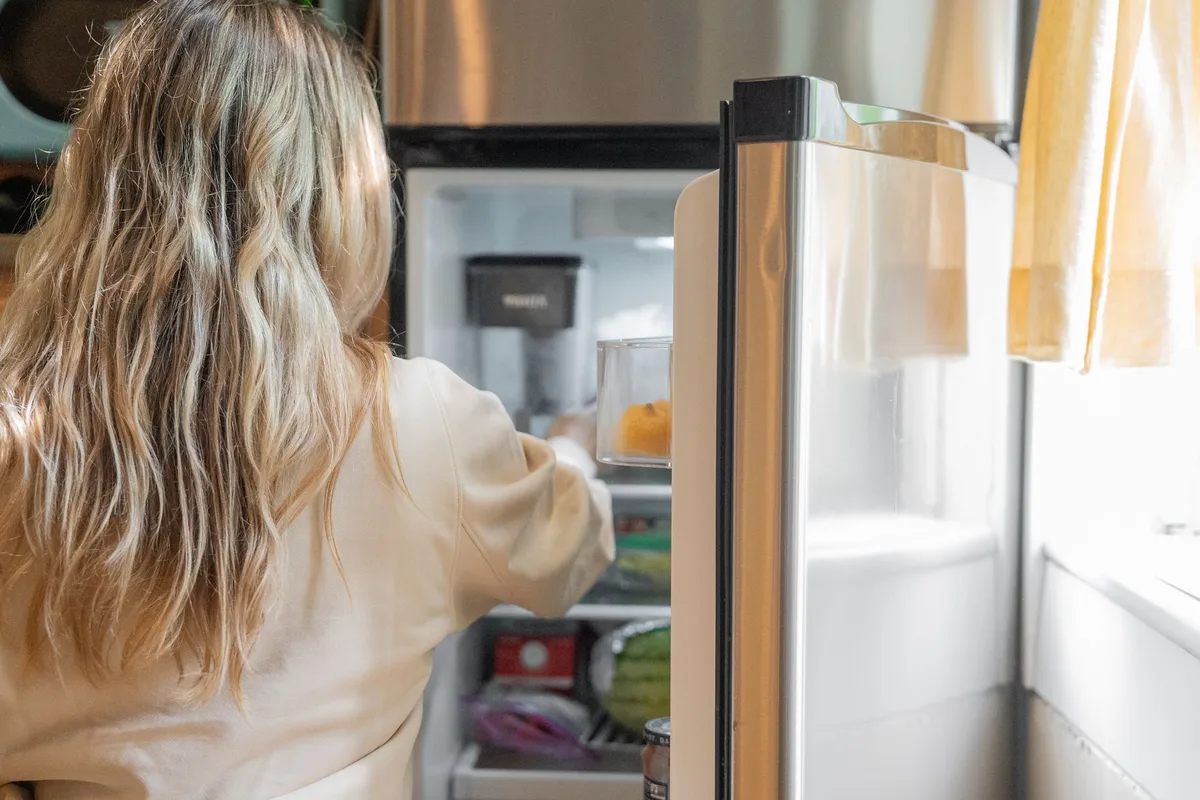
The sheer volume of water your refrigerator dispenses is a massive factor in how long it lasts. A household of two who mostly drinks bottled water but uses the ice maker occasionally will stress their filter far less than a family of six who fills water bottles daily, uses the dispenser for cooking, and relies heavily on the built-in ice maker. The more water your refrigerator dispenses, the more quickly that filter media gets used up or clogged.
The Filter Itself: What's Inside
Not all refrigerator water filters are created equal. They vary significantly in their design and the materials used for filtration. Some filters are designed for basic sediment and chlorine reduction, while others use more advanced activated carbon or sub-micron filtration to tackle a broader range of impurities. The intended capacity and specific filtration technology built into the filter directly impact how long it can effectively perform before needing replacement.
Always check the specific model's documentation from the manufacturer for its rated lifespan.
Finding Your Personal Filter Rhythm: A Decision Guide
Since how often you need to change your fridge water filter isn't a universal rule, we’ve put together a practical guide. This workflow helps you pinpoint the right timing based on your specific situation, ensuring you're not replacing the filter too soon (and wasting money) or too late (and compromising your water quality).
Step 1: Check Your Fridge Manual & Indicator Lights
Your first port of call should always be your refrigerator’s owner's manual. Manufacturers often provide a recommended replacement interval for their specific filter models, usually found in the maintenance or operating instructions section. Many modern refrigerators also come equipped with a built-in filter indicator light or message on the display panel. This light is designed to alert you when it's roughly time to consider a change, typically based on usage cycles or time elapsed since the last replacement.
Step 2: Assess Your Water Source
Understanding the quality of the water coming into your refrigerator is crucial. What looks clear can still contain minerals or treatment byproducts that affect filter life and taste.
Public Water Supply (Generally Good)
If you're on a municipal water supply that is consistently clear, tastes neutral, and has no noticeable odors, you're likely in a good spot. Filters on these systems are primarily dealing with common elements like chlorine for taste and odor, along with basic sediment. For these users, adhering to the manufacturer's recommended six-month interval, or the filter-change indicator on the fridge, is usually sufficient.
Public Water Supply (With Known Issues)
Areas with older water infrastructure might experience higher levels of sediment. Some municipal supplies use more robust disinfection methods that can impart a stronger chlorine taste. In such cases, your filter might get clogged or exhausted faster than average. Our editorial analysis of user feedback suggests some households in these areas benefit from changing their filter every 3-4 months, rather than the standard six.
Well Water Considerations
If your refrigerator is supplied by well water, filtration needs can be much more complex and varied. Well water quality isn't regulated by a municipal authority, meaning it can contain significant mineral deposits, bacteria, sediment, or even iron. It's highly recommended to have your well water tested annually by a certified laboratory. If your tests indicate high levels of any specific contaminants, you may need to replace your fridge filter much more frequently, potentially every 2-3 months, or even consider a more robust pre-filtration system for your home.
Step 3: Track Your Usage Patterns
The volume of water your refrigerator dispenses is a direct indicator of how hard your filter is working. This usage can fluctuate significantly between households and even within the same household over time.
Light Use Scenarios
In a household with one or two people who don't heavily rely on the filtered water dispenser or ice maker, filter replacement intervals often align closely with manufacturer recommendations. If you only use the dispenser for occasional drinking water and the ice maker produces ice sporadically, you might be able to stretch the filter closer to the six-month mark, or even slightly beyond if the water quality remains excellent and the flow rate is strong.
Heavy Use Scenarios
For larger families, active households, or those who entertain frequently, the refrigerator's water and ice dispensers might be in near-constant use. This heavy demand means the filter is working overtime. If your dispenser's water flow noticeably slows down before the six-month mark, or if you start noticing taste changes, it's a strong signal that you're using the filter up faster than its standard lifespan. In these cases, consider changing the filter every three months to maintain optimal performance and taste.
Signs It's Time for a Change (Beyond the Light)
That little indicator light on your fridge is a fantastic prompt, but it's not the only way to know. Your senses and a bit of observation can tell you a lot about your filter's health, often before the light even blinks. Ignoring these signs can mean you're drinking less-than-ideal water or putting unnecessary strain on your appliance.
Slowed Water Flow: A Clue to Clogs
Has the stream of water from your dispenser become a trickle? If you notice a significant drop in water flow rate, it's a pretty strong indicator that your filter is becoming clogged. As contaminants like sediment and mineral deposits build up within the filter media, they restrict the passage of water. A healthy filter should provide a steady, robust flow; a weak stream suggests it’s time for a replacement.
Taste or Odor Changes: Your Senses Don't Lie
This is probably the most direct and noticeable sign that your refrigerator water filter needs replacing. If your water or ice suddenly develops a chlorine taste, a metallic note, or any other unpleasant odor, the filter's ability to absorb these impurities has been exhausted. The activated carbon within the filter becomes saturated, and those undesirable elements start to pass through into your drinking water.
Cloudy Ice Cubes: A Visual Warning
Clear ice cubes are a sign of clean, pure water. If you start noticing that the ice produced by your refrigerator is consistently cloudy, opaque, or has white flecks within it, this suggests that impurities are getting through the filter. While some cloudiness can be due to dissolved air in the water, persistent cloudiness, especially when combined with other less-than-ideal taste or flow, points towards a filter that's past its prime.
Why Bother Changing It? The Real Perks
You might wonder if it’s really worth the effort and expense to change out that filter regularly. The benefits extend beyond just having colder water; they impact the quality of what you drink and can even help your appliance last longer.
Better Tasting Water & Ice
This is the most immediate and satisfying benefit. A fresh filter removes chlorine and other substances that can affect taste and odor. Your water will taste crisper, cleaner, and more refreshing every single time. Likewise, your ice cubes will be free from any off-flavors, making your drinks more enjoyable, whether it’s a simple glass of water or a mixed beverage.
Removing Impurities Effectively
Beyond taste, refrigerator water filters are designed to reduce common household contaminants. Depending on the filter's certification (like NSF standards), it can significantly decrease levels of lead, mercury, certain pesticides, and sediment. As a filter ages, its capacity to capture these impurities diminishes, meaning you’re not getting the same level of protection. Regular replacement ensures these hazardous substances are effectively removed from your water supply.
Protecting Your Refrigerator System
A clogged or exhausted filter doesn't just affect your water quality; it can also put a strain on your refrigerator's internal water system. The water dispenser motor has to work harder to push water through a blocked filter. Over time, this persistent extra effort can potentially lead to premature wear and tear on the dispenser mechanism or even the pump. Keeping the filter clean ensures your refrigerator's water system operates efficiently as intended.
Common Filter Mistakes to Avoid
When it comes to maintaining your fridge's water filter, it's easy to make a small misstep that could cost you in terms of water quality or even appliance health. Being aware of these common errors can help you avoid them and ensure you're getting the most out of your filter and your refrigerator.
Forgetting About It Entirely
This is the big one. The most common mistake is simply forgetting to track when the filter was last changed. Refrigerators don't always have a clear, loud indicator, and life gets busy. If you don't have a system, like a calendar reminder, a note on the fridge, or using a filter with a date dial, you’re bound to miss replacement times.
This leads to the issues we've discussed: poor taste, reduced flow, and less effective filtration.
Using the Wrong Replacement Filter
Not all refrigerator water filters are interchangeable. Each refrigerator model is designed to work with specific types or series of filters. Using an incompatible filter can result in leaks, poor filtration, or even damage to the filter housing within your fridge. Always confirm your refrigerator's make and model number and check the filter compatibility list provided by the manufacturer or filter brand before purchasing a replacement.
You can often find this information on the manufacturer’s official website for your specific refrigerator model.
Ignoring the Filter Indicator Light (or Setting It Incorrectly)
While the indicator light is a helpful nudge, some users ignore it completely, assuming it's just a suggestion. Others may not know how to reset the light after a manual filter change, causing it to flash the replacement alert indefinitely. If your fridge has a reset button or sequence for the filter light, make sure you perform it correctly after each installation. This keeps the reminder system accurate and useful.
Installing a Filter Incorrectly
Filter installation is usually straightforward, but there's a right way and a potentially problematic way to do it. If a filter isn't seated properly, it can cause leaks around the seal. Some filters require a brief flush of water (typically a few liters) after installation to purge any air or loose carbon fines from the system. Skipping this flush can lead to initial sputtering from the dispenser or cloudy water until the system is properly primed and purged.
Always follow the specific installation instructions for your filter model.