How Long Does A Brita Water Filter Last: The Complete Guide
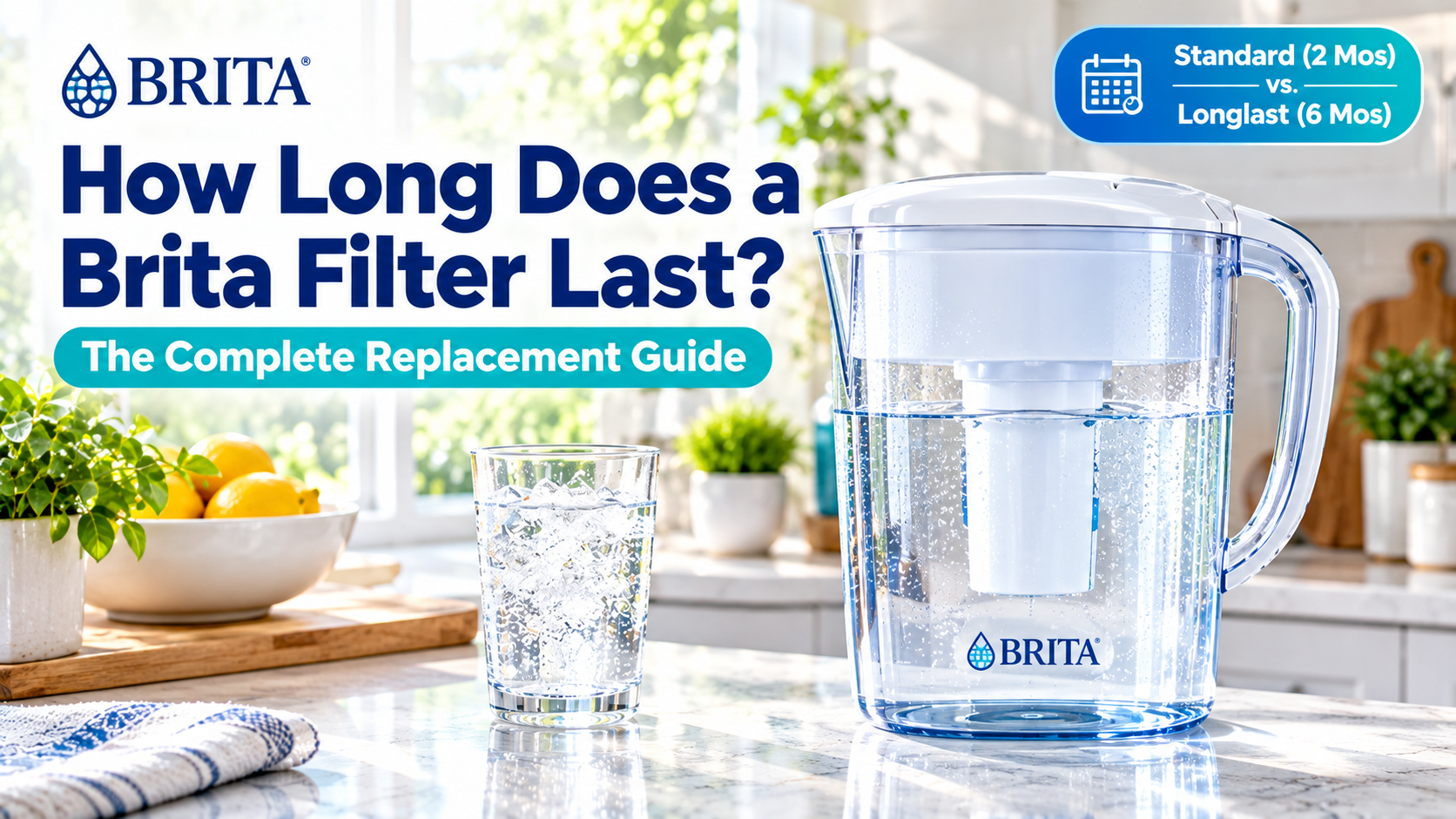
Most Brita water filters last about 2 to 6 months depending on the model and your water usage. Standard pitcher filters typically need replacement every 40 gallons or roughly every two months, while long-lasting filters can go up to six months before losing effectiveness.
If you've ever poured yourself a glass of water from a Brita pitcher and wondered whether the filter is still doing its job, you're not alone. Knowing exactly how long a Brita water filter lasts can save you from drinking water that isn't as clean as it should be — and help you avoid the frustration of changing a filter too soon and wasting money. I've been testing and using Brita filters for years, and I can tell you that the lifespan of these filters depends on a few key factors that most people overlook. In this guide, I'll walk you through everything you need to know, from average filter life to signs that it's time for a replacement, so you can keep your water tasting fresh and safe.

Understanding Brita Filter Lifespan
Brita water filters are designed to improve the taste and quality of your tap water by reducing chlorine, copper, cadmium, mercury, and other contaminants. However, every filter has a limited capacity. Once that capacity is reached, the filter stops working effectively, even if water still flows through it.
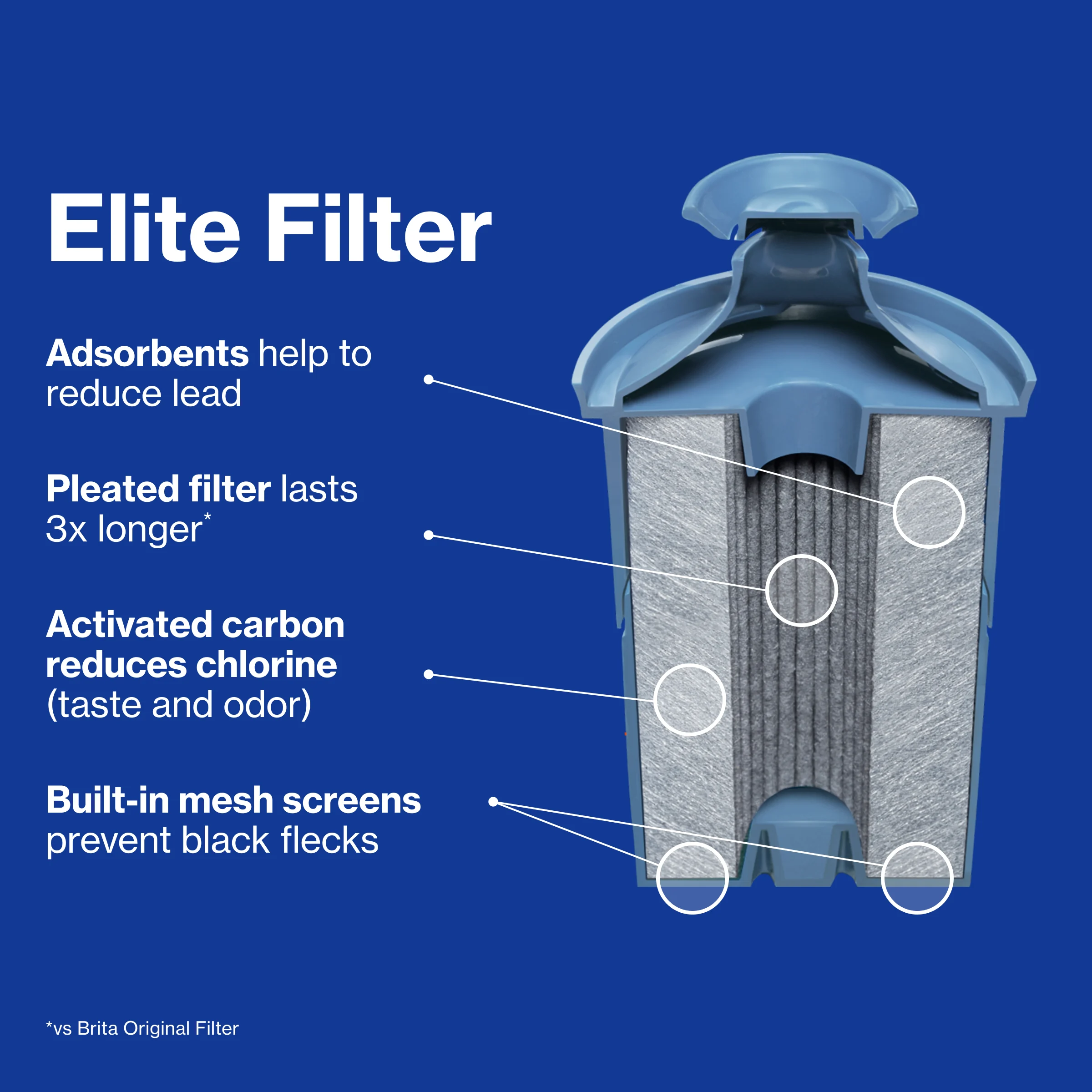
The general rule of thumb is that standard Brita Standard Filter replacements last about 40 gallons, which translates to roughly two months for the average household. If you have a larger family or use your pitcher frequently, you may need to replace it sooner. On the other hand, Brita's Longlast Filter and Elite Filter can handle up to 120 gallons, giving you around six months of use before replacement.
The lifespan isn't just about gallons, though. Time also plays a role. Even if you don't use your pitcher often, the filter material can degrade over time, especially if it's exposed to moisture for too long. This is why Brita recommends replacing filters on a schedule rather than waiting until the water tastes off.
Brita Filter Types and Their Average Lifespan
Not all Brita filters are created equal. Here's a quick breakdown of the most common types and how long each one typically lasts.
- Standard Filter – Lasts about 40 gallons or 2 months
- Longlast Filter – Lasts about 120 gallons or 6 months
- Elite Filter – Lasts about 120 gallons or 6 months
- Stream Filter – Built into Brita Stream pitchers, lasts about 40 gallons or 2 months
- Saucepan Filter – Used in Brita water bottles, lasts about 40 gallons or 2 months
- Refillable Filter – For Brita Hydration Station, lasts about 100 gallons or 4 months
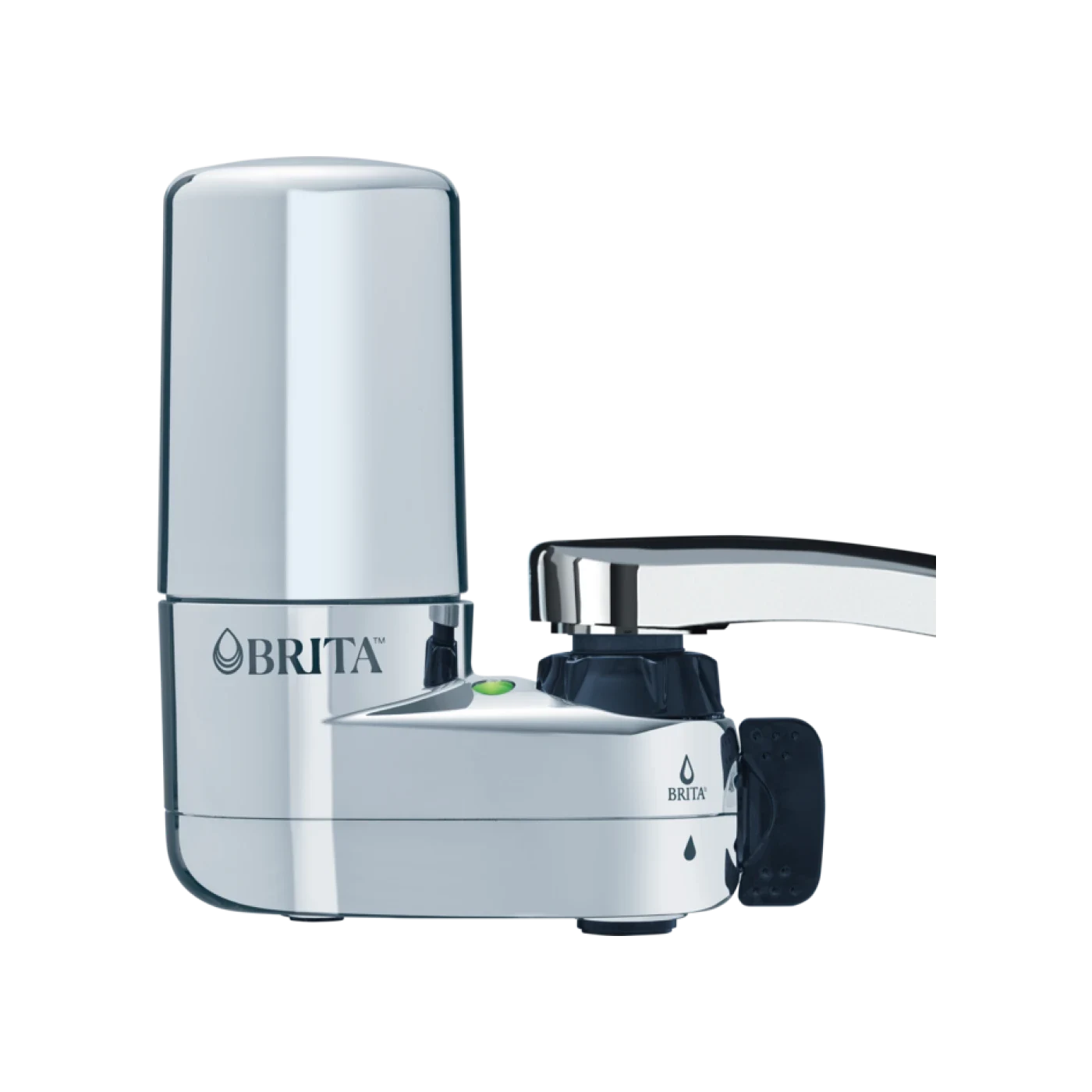
If you're using a Brita bottle like the Hard-Sided or Filtering Water Bottle, the built-in filter generally lasts about two months or 40 gallons, whichever comes first. For those using a Brita faucet mount system, the replacement indicator light will typically alert you after about 100 gallons or four months of use.
Factors That Affect How Long a Brita Filter Lasts
Several things can shorten or extend the life of your Brita filter. Understanding these factors can help you get the most out of every replacement.
Water Quality – If your tap water has high levels of sediment, chlorine, or heavy metals, the filter will work harder and clog up faster. Homes with hard water often see shorter filter life.
Usage Habits – A household that fills the pitcher three or four times a day will burn through a filter much faster than a single person who only uses it occasionally.
Filter Type – As I mentioned earlier, the Longlast and Elite filters are designed for higher capacity and will naturally last longer than the Standard filter.
Time Exposure – Filters that sit unused for weeks can develop mold or bacteria, which is why Brita recommends replacing them even if you haven't hit the gallon limit. This is especially important if you're using a Brita filter in a hot or humid environment.
Maintenance – Rinsing the filter before first use and keeping the pitcher clean can help the filter perform better over time. A dirty pitcher can cause the filter to work harder than it needs to.
Signs Your Brita Filter Needs Replacing
Even with a replacement indicator or a calendar reminder, your filter will often give you signs when it's time for a change. Here are the most common ones.
- Water tastes or smells like chlorine again
- Water flow slows down significantly
- Black or gray specks appear in the water
- The filter looks visibly dirty or discolored
- It's been more than 6 months since installation
- The electronic indicator light changes color or flashes
I remember once ignoring a slow flow issue for a couple of weeks, thinking it was just my old pitcher acting up. Turns out the filter was completely clogged with sediment from my city's aging water lines. Once I swapped it out, the flow was back to normal, and the water tasted crisp again. Lesson learned: don't wait too long to replace a tired filter.
How to Make Your Brita Filter Last Longer
While you can't extend the filter's capacity beyond its rated gallons, you can avoid wasting it prematurely. A few simple habits can help you get the full lifespan out of every cartridge.
- Pre-filter your water – If you have extremely hard or sediment-heavy water, consider using a basic inline pre-filter before pouring it into your Brita pitcher
- Store your pitcher in the fridge – Cold water not only tastes better but also slows down bacterial growth in the filter
- Use the right filter for your needs – If you go through a lot of water, the Longlast or Elite filter might save you money in the long run
- Keep the pitcher clean – Wash the reservoir weekly with mild soap and warm water to prevent buildup that can clog the filter faster
- Always soak new filters – Letting a new filter soak for 15 minutes before first use activates the carbon and improves performance
One of the best tips I can share is to write the installation date on the filter with a permanent marker. It's a simple trick, but it takes the guesswork out of replacement schedules, especially if you don't have an electronic indicator.
Brita Filter Replacement Schedule by Model
Different Brita products come with their own replacement guidelines. Here's a more detailed look at how long each one typically lasts.
- Brita Pitcher Standard Filter – 2 months or 40 gallons
- Brita Pitcher Longlast Filter – 6 months or 120 gallons
- Brita Pitcher Elite Filter – 6 months or 120 gallons
- Brita Stream Pitcher Filter – 2 months or 40 gallons
- Brita Faucet Mount Filter – 4 months or 100 gallons
- Brita Filtering Water Bottle Filter – 2 months or 40 gallons
- Brita Hydration Station Filter – 4 months or 100 gallons
- Brita Instant Purifier Filter – 4 months or 100 gallons
Keep in mind that these are averages. If your household uses more water than the typical two-person family, you may need to replace filters more often. Conversely, if you only use filtered water for drinking and cooking, you might squeeze a bit more life out of each filter.
:max_bytes(150000):strip_icc()/GettyImages-1152504006-94ab99ebb3304b74a87d594d722fe4ce.jpg)
Common Mistakes to Avoid with Brita Filters
Over the years, I've seen a few mistakes that people commonly make with their Brita filters. Avoiding these can help you get cleaner water and save money in the long run.
Leaving the old filter in too long – Many people wait until the water tastes bad to change the filter, but by then, the filter has likely stopped removing contaminants weeks earlier.
Forgetting to soak the new filter – Skipping the initial 15-minute soak can reduce the filter's effectiveness and shorten its lifespan.
Not changing the filter after illness – If someone in your household has been sick, it's a good idea to replace the filter to prevent bacteria buildup.
Using the wrong filter model – Brita pitchers and dispensers use specific filter types. Using the wrong one can cause leaks or poor filtration.
Ignoring the expiration date – Even unused filters have a shelf life. Check the packaging for an expiration date before installing a new one.
Frequently Asked Questions
How often should I change my Brita filter if I use it daily?
If you use your Brita pitcher every day, you should change a standard filter every two months or after filtering about 40 gallons of water. For Longlast or Elite filters, every six months is usually fine for daily use.
Can a Brita filter last longer than 6 months?
Technically, the Longlast and Elite filters are rated for 120 gallons, but Brita doesn't recommend using any filter longer than six months. Over time, the carbon can become a breeding ground for bacteria, which can affect water quality.
Does Brita filter longer if I don't use it?
No. In fact, an unused filter can develop mold or bacterial growth if left wet for too long. Time-based replacement is just as important as gallon-based replacement.
What happens if I use a Brita filter past its lifespan?
Once a Brita filter reaches the end of its lifespan, it stops reducing contaminants effectively. You may notice the water tastes like chlorine again, and you'll be drinking water that's no better than unfiltered tap water.
Are Brita filters recyclable?
Brita has a recycling program through TerraCycle. You can mail in your used filters for free, and they'll be recycled into new products like park benches and watering cans.
Conclusion
The lifespan of a Brita water filter depends on the model you own and how much water you filter, but most standard filters last about two months, while Longlast and Elite filters can go up to six months. The key is to replace your filter based on both time and gallons, and to watch for signs like off-tastes, slow flow, or visible particles. By following a simple replacement schedule and avoiding common mistakes, you'll always have clean, great-tasting water straight from your tap.
If you found this guide helpful, share it with a friend who's still wondering when to change their Brita filter — or drop a comment below with your own tips for getting the most out of your filter.