How Does Soil Filter Water: Honest Review 2026
When you think about water, you probably picture rivers, lakes, or maybe your tap. But before it gets to any of those places, a huge amount of our planet's water takes a detour through the ground. This underground journey is where soil performs one of its most vital, yet often overlooked, tasks: filtering water. Understanding how these natural filters work helps us appreciate the environment and even inform how we manage our own water sources.
The process is more than just dirt trapping debris; it's a complex interaction of physical, chemical, and biological elements. For instance, per ISO 14688 standards for soil classification, soil can range from coarse sands to ultra-fine clays, each offering different filtration capabilities based on particle size and pore structure. This intricate system quietly cleanses water, removing impurities as it seeps downwards.
Why We Need Visuals to Understand Soil Filtration
Trying to grasp how soil filters water solely through text can be tough. It’s a bit like describing a delicious meal without ever showing you the ingredients or the finished plate. Visuals help us connect the dots, turning abstract scientific concepts into something we can actually picture. Diagrams showing the different layers of soil and the pathways water takes, or microscopic views of soil particles and their pores, make the science click.
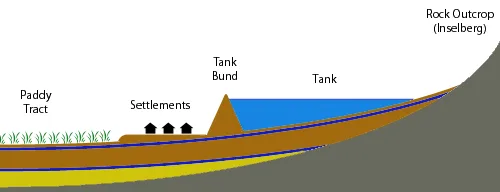
These kinds of visuals demonstrate the physical barriers soil creates, the surfaces where contaminants stick, and the teeming microscopic life that acts as a cleanup crew. Without them, we miss out on the intuitive understanding that comes from seeing the process unfold.
The Key Players: What's Inside Soil That Filters Water?
Soil isn't just a uniform blanket of brown stuff; it's a dynamic, composite material. Several key components work in concert to purify water as it percolates through. Think of them as the different workers on a filtration team, each with a specific job.
Physical Filters: Sand, Silt, and Clay
The primary method soil uses to filter water is physical. Different sizes of mineral particles create a network of spaces, or pores.
- Sand: These are the largest particles, offering relatively large pore spaces. They’re great for letting water flow through quickly while trapping larger debris like leaves or coarse sediment.
- Silt: Finer than sand, silt particles create smaller pores. This means they trap finer particles than sand alone can handle and slow down water flow a bit more.
- Clay: These are the smallest mineral particles, with incredibly tiny pore spaces. Clay is crucial for trapping very fine solids and also provides a lot of surface area for other filtration processes.
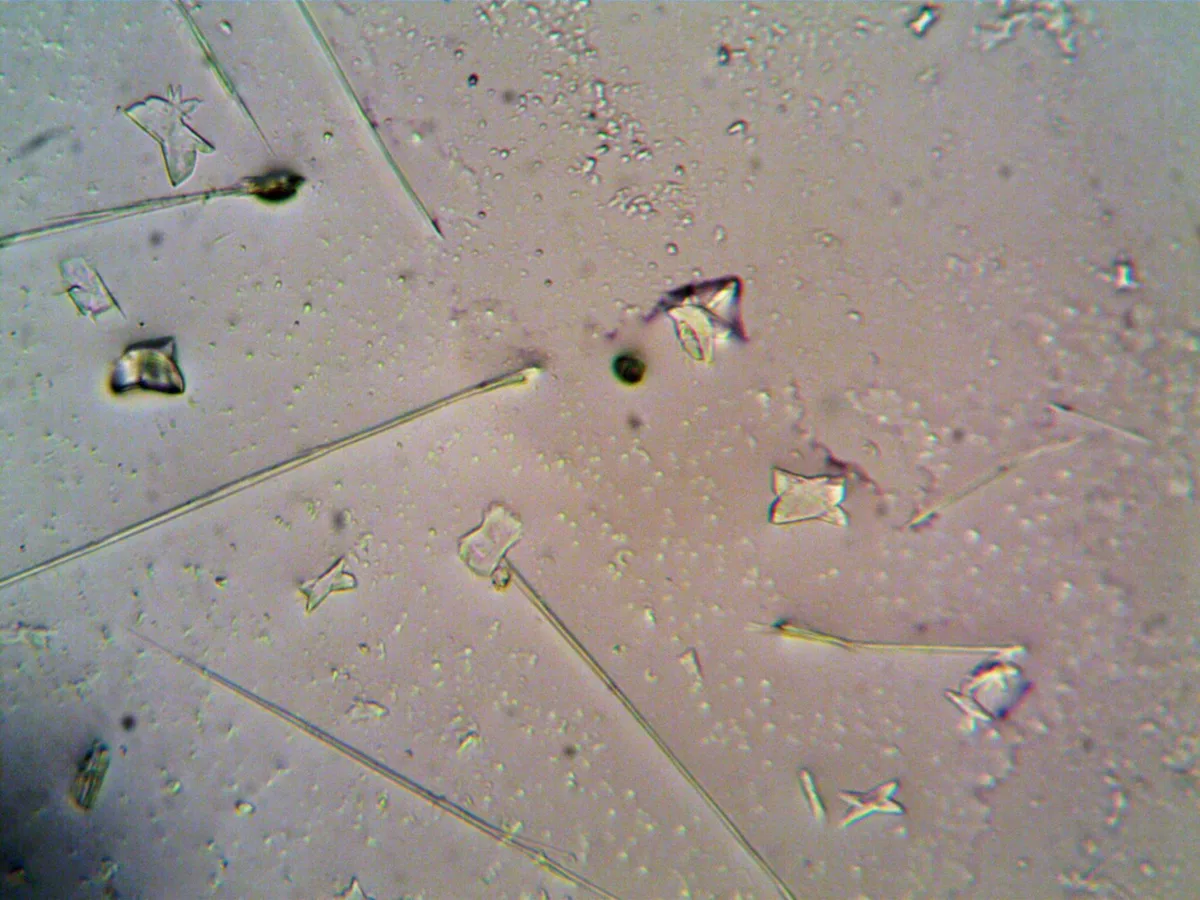
The mix of these sand, silt, and clay particles determines the overall porosity and permeability of the soil, how easily water can pass through and how effectively it can trap contaminants.
The Living Filter: Microbes at Work
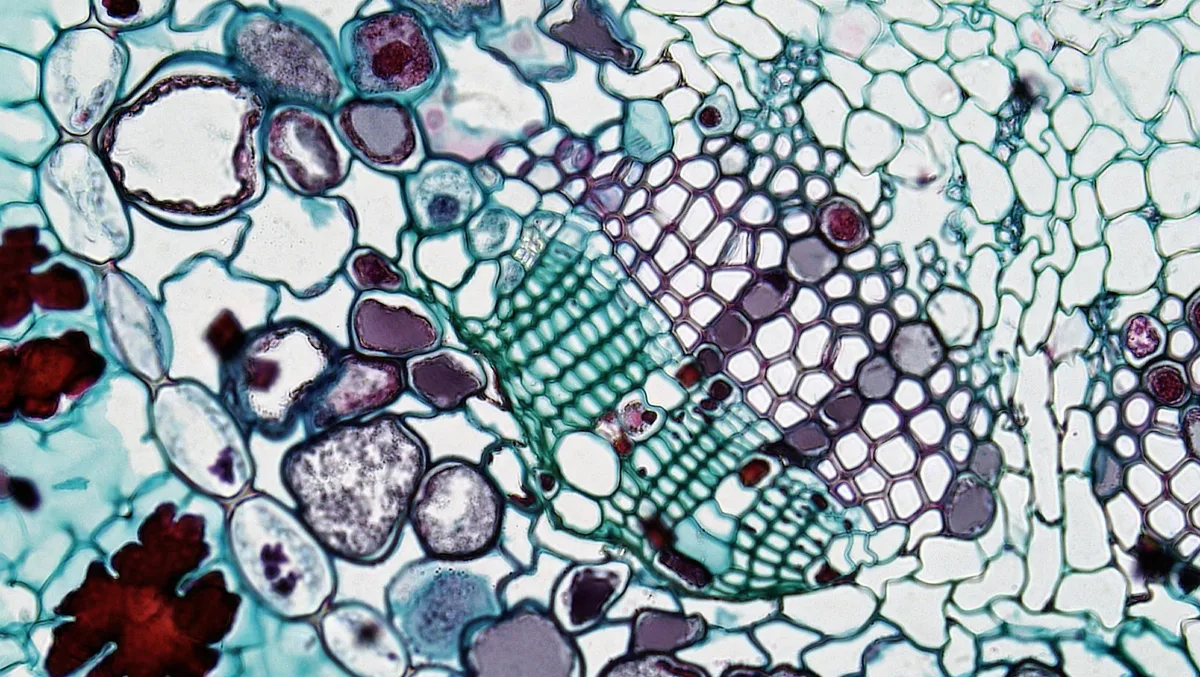
Beyond the inorganic mineral particles, soil is alive. Billions of microorganisms, including bacteria, fungi, and protozoa, call soil home. These tiny organisms are not just passive inhabitants; they are active participants in water filtration.
Many of these microbes can consume organic pollutants, breaking them down into simpler, less harmful substances like carbon dioxide and water. This biological process, known as biodegradation, is incredibly effective at removing dissolved organic contaminants that physical filtration alone cannot catch. The health and diversity of these microbial communities directly impact the soil's ability to purify water.
The Sticky Stuff: Organic Matter and Adsorption
Organic matter, essentially decomposed plant and animal material, plays a dual role in soil filtration. Firstly, it acts as a food source for the vital microbial communities. Secondly, the surfaces of organic matter particles, as well as mineral particles like clay, are often electrically charged.
This charge attracts and holds onto certain dissolved contaminants, a process called adsorption. Think of it like a magnet. Positively charged contaminants might stick to negatively charged soil surfaces, and vice-versa. This is how soil can remove various dissolved ions, heavy metals, and organic compounds from water, effectively pulling them out of the water stream.
The Filtration Process: Step-by-Step
So, you've got water hitting the ground. What happens next? It's not an instant purification act; it's a journey with distinct stages that work together.
Water Infiltration: Meeting the Soil
The first step is infiltration, where water enters the soil surface. How quickly this happens depends on the soil type and its condition. If the soil is already saturated, or if the surface is compacted or covered with impermeable material, infiltration will be slow or non-existent. Heavy rainfall on baked, dry earth can lead to significant runoff because the soil can't absorb the water fast enough.
Percolation: The Journey Downward
Once water is in the soil, it begins to percolate. This is the downward movement of water through the soil's pore spaces, driven by gravity. The rate of percolation is largely determined by the size and interconnectedness of those pores. Coarser soils like sand allow for faster percolation, while finer soils like clay significantly slow it down.
Trapping: Physical Sieving in Action
As water percolates, any suspended particles larger than the soil's pore spaces are physically blocked. Imagine water trying to pass through a sieve; the larger pieces are held back. In soil, this means sediment, debris, and larger microorganisms are captured by the mineral matrix. The smaller the pores, the smaller the particles that can be trapped.
Sticking: Adsorption to Soil Surfaces
While water moves through the pores, some dissolved substances get snagged. As we discussed, contaminants with electrical charges are attracted to the charged surfaces of soil particles, especially clay and organic matter. These substances then bind to the soil, effectively removing them from the water that continues to flow through.
Breaking Down: Microbial Cleanup Crews
Simultaneously, the soil's resident microbes get to work. If the water contains organic pollutants, like compounds from decaying plant matter or certain industrial discharges, bacteria and fungi will metabolize them. They consume these pollutants as food, breaking them down into simpler, usually harmless substances. This biological degradation is a crucial part of natural water purification, especially for organic contaminants.
What Makes Soil a Great Filter (and When It Isn't)
Soil filtration is a fantastic natural process, but it's not foolproof. Understanding its strengths and weaknesses helps manage expectations and appreciate its role. As of 2026, research continues to refine our understanding of optimal soil conditions for various filtration needs.
The Good Stuff: Benefits of Soil Filtration
- Removes Suspended Solids: Physically traps sediment, debris, and larger particles.
- Reduces Organic Pollutants: Utilizes microbial activity to break down many organic contaminants.
- Adsorbs Dissolved Contaminants: Captures certain dissolved metals and organic compounds on particle surfaces.
- Facilitates Groundwater Recharge: Cleans water as it replenhenshes underground aquifers.
- Cost-Effective and Natural: Requires no manufactured components or energy input for the basic filtration.
The Not-So-Good: Limitations and Risks
- Ineffective for Some Contaminants: Doesn't remove dissolved salts or highly persistent synthetic chemicals very well.
- Slowed by Clogging: Excessive sediment or pollutants can block pores, reducing flow and filtration capacity.
- Risk of Re-contamination: If the soil itself is polluted, it can add contaminants to the water.
- Variable Effectiveness: Filtration quality depends heavily on soil type, depth, and microbial health.
Common Problems When Soil Filters Water
Even with its natural advantages, soil filtration isn't always straightforward. You can run into issues that significantly affect its performance.
When Filters Get Clogged
One of the most common problems is pore clogging. If water carrying a lot of suspended sediment, like after a heavy rain on bare soil, tries to infiltrate, those fine spaces get plugged up. This is like a drain getting blocked with hair. When this happens, water can't move through effectively, and the filtration process grinds to a halt.
It can also lead to increased surface runoff, which then carries more sediment, worsening the cycle.
When the Soil Itself is the Problem
Sometimes, the soil isn't the victim; it's the source of the problem. Soils contaminated with heavy metals from past industrial activity, pesticides from agricultural runoff, or other pollutants can actually transfer these harmful substances to the water flowing through them. In these cases, the soil acts as a source of contamination rather than a filter.
What Soil Filtration Can't Do
It's important to be realistic about soil's capabilities. While it's great for many things, it won't purify water to drinking standards on its own in all situations. Soil filtration is generally not effective at removing dissolved salts, hence why groundwater in some coastal areas can be brackish. It also struggles with certain complex chemical compounds that don't readily adsorb or biodegrade.
Real-World Soil Filtration: Where You See It
Soil's filtering abilities aren't just theoretical; they're happening all around us in natural systems. Think about wetlands, for instance. These areas are essentially saturated soils, and they’re incredible natural purifiers. As water flows slowly through the dense plant life and rich soil, contaminants are trapped, adsorbed, and broken down.
This is why wetlands are often called the "kidneys of the landscape."
Forest floors are another great example. Leaf litter and the complex root systems of trees create a multi-layered filtration system. Rainwater that lands on the forest floor infiltrates deeply, getting cleaned by the soil and organic layers before it reaches underground aquifers or streams. This natural process helps maintain the quality of water feeding into our rivers and lakes, contributing to healthier aquatic ecosystems.
How does soil filter water in different environments?
The effectiveness of soil filtration varies significantly depending on the specific environment. In a forest, the thick layer of organic matter and well-developed soil structure provide excellent physical and biological filtration. In contrast, sandy soils near coastlines might offer good physical filtration but are less effective at removing dissolved salts from seawater intrusion. Areas with high rainfall and dense vegetation, like rainforests, generally benefit from more robust natural filtration compared to arid or semi-arid regions where soil might be sparser or more prone to erosion and dust.
Expert Insights for Understanding Soil Filtration
When we look at soil filtration through a scientific lens, a few key factors consistently emerge as critical for optimal performance. Understanding these can help appreciate the nuances of this natural process. Soil scientists and environmental engineers often focus on a few core principles based on extensive research and field observations.
What do soil scientists emphasize about filtration?
Soil scientists consistently highlight the importance of soil structure and the active microbial community. They note that soils with a good balance of sand, silt, and clay, along with ample organic matter, offer the best combination of physical filtration, adsorption sites, and microbial habitats. The depth of the soil is also crucial; deeper soil profiles provide more contact time and a greater volume of filtering material for contaminants to interact with.
- Soil Texture: Governs pore size and water flow rate.
- Organic Matter Content: Provides adsorption sites and food for microbes.
- Microbial Diversity: Enables breakdown of a wider range of organic pollutants.
- Soil Depth: Increases contact time and filtration capacity.
These attributes, when present and healthy, ensure that water passing through the soil is significantly cleaner and safer.