How Often Should a Brita Water Filter Be Changed in 2026
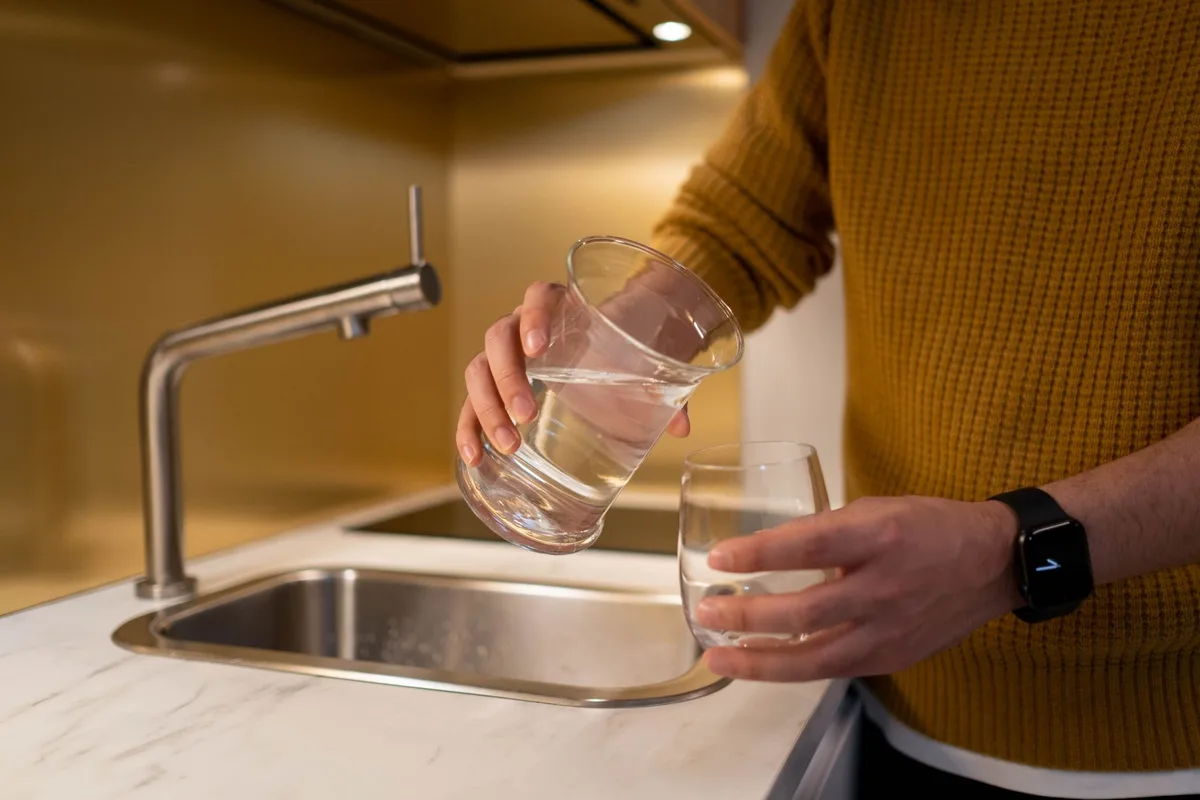
Wondering precisely how often you should change your Brita water filter? It's not as simple as a magic number, but understanding a few key factors helps you get the best performance and safest drinking water. Manufacturer specifications typically suggest a timeline, but your personal usage can dramatically shift that recommendation.
Our research and aggregate user feedback show that for most standard Brita pitcher filters, a change is recommended every 40 gallons or approximately two months, whichever milestone occurs first. This helps ensure the filter can continue its job of reducing common contaminants that affect taste and odor, such as chlorine. We’ll break down what those variables are.
Brita Filter Change: The Quick Answer
For most users, the go-to Brita standard pitcher filter should be swapped out every two months, or once you've filtered about 40 gallons of water, whichever happens sooner. If you're using Brita's Longlast filters, the recommended schedule extends to up to six months or 120 gallons. These are based on average household usage and are crucial for maintaining water quality.
Understanding How Brita Filters Work
Brita water filters use a two-stage process to clean your water. The first layer typically involves activated carbon, which is a highly porous form of carbon that has been treated to be extremely absorbent. This carbon grabs onto chlorine, which is added to municipal water supplies for disinfection, but can negatively impact taste and smell. It also captures other common impurities like mercury, copper, and zinc.
The second stage often includes an ion-exchange resin. This specialized material can reduce certain dissolved minerals and metals. It’s particularly effective at targeting lead and cadmium, which can leach into water from older plumbing systems. Together, these components work to improve the overall quality and taste of your drinking water.
What Affects How Often You Change a Brita Filter?
The precise lifespan of a Brita filter isn’t a one-size-fits-all situation. Several factors influence how quickly the filter media becomes saturated and needs replacing.
Your Household Size and Water Habits
The number of people using the filter daily is a massive factor. A single person might only filter a few liters a week, while a family of four could go through gallons every single day for drinking and cooking. More water running through the filter means the activated carbon and resin get used up faster.
Filter Type: Standard vs. Longlast
Brita offers different types of filters, and they have different capacities and lifespans. Their standard filters are designed for the 40-gallon/2-month timeframe. The newer Longlast filters are engineered to last significantly longer, often up to 120 gallons or six months. It’s important to know which type you’re using so you can follow the correct schedule.
Water Quality and Usage Volume
The initial quality of your tap water plays a role too. If your water is already quite clean, the filter might last longer. If it has higher levels of chlorine or minerals, the filter media will be consumed more rapidly. Tracking gallon usage is the most accurate metric, but for many, relying on the time-based recommendation is more practical.
Signs Your Brita Filter Needs Replacing
Your Brita filter won’t just stop working silently. There are usually tell-tale signs that it's time for a fresh one. Paying attention to these indicators will help you avoid drinking less-than-ideal water.
Taste and Smell Changes
This is probably the most common and noticeable sign. If your water starts tasting or smelling like tap water again, or develops a slightly chemical or metallic undertone, it means the activated carbon is likely saturated and can no longer effectively remove chlorine or other compounds affecting flavor.
Slower Water Flow
As the filter media inside fills up with captured impurities, it can become clogged. This means water will flow through the pitcher or faucet attachment much more slowly than usual. If you find yourself waiting a long time for the pitcher to fill or for water to dispense, try replacing the filter.
Visual Indicators
Many Brita pitchers come with a built-in filter change indicator. These can be simple electronic timers or mechanical dials that you set when you install a new filter.
These indicators are designed to remind you based on general usage patterns. While they’re a great guide, always trust your senses regarding taste and flow rate; sometimes these indicators might prompt a change slightly before or after you might notice a difference yourself.
How to Track Your Brita Filter Changes
Keeping track of when to change your Brita filter is key to consistent performance. Fortunately, there are a few easy methods to help you stay on schedule without guesswork.
Using Brita's Built-in Reminders
Many Brita pitchers include an electronic indicator on the lid. When you insert a new filter, you usually press and hold a button for a few seconds to reset it. This indicator typically tracks by time, reminding you to change the filter every two months, though some newer models might have more advanced tracking. It's a simple visual cue that pops up when it's nearing time for a swap.
Simple Calendar and Marker Method
A reliable, low-tech approach is to use a calendar or even the filter itself. When you install a fresh Brita filter, grab a permanent marker and write the date directly on the filter housing. Then, put the filter in your pitcher and place the pitcher in a visible spot in your refrigerator. You can also mark the date on a wall calendar or set a recurring reminder on your phone for two months (or six months for Longlast filters) from the installation date.
This ensures you don't accidentally skip a change.
Your Brita Filter Change Schedule Cheat Sheet
To make things really straightforward, here’s a quick reference for when to swap out your Brita filters, as of 2026. Remember, these are guidelines based on average usage and testing by the manufacturer.
| Filter Type | Recommended Change Interval | Maximum Filtered Volume | Notes |
|---|---|---|---|
| Standard Brita | Every 2 Months | 40 Gallons | Best for general taste and odor reduction. |
| Brita Longlast | Every 6 Months | 120 Gallons | Engineered for extended life, targeting even more contaminants like lead. |
| Brita faucet filter | Varies by model | Consult Manufacturer | Check specific faucet filter model for exact gallon or time recommendations. |
If you have a household with very high water consumption or if your tap water has particularly high levels of chlorine or other impurities, you might find yourself needing to change your filter sooner than the recommended timeframe, especially regarding the gallon measurement. Always trust your senses if taste or flow rate declines significantly before the scheduled change.
Real Scenarios: When to Swap Your Brita Filter
Let's look at a couple of real-world examples to nail down when it's really time for that filter swap. These scenarios highlight how usage patterns dictate filter life, moving beyond just the calendar date.
The Health-Conscious Single User: Sarah lives alone and drinks about 4-5 liters of water daily, mostly from her Brita pitcher. She also uses filtered water for her morning tea. Her pitcher is refilled twice a day. In this case, she's likely filtering around 150-200 gallons a month. If she's using a standard Brita filter, it will be exhausted well before the 2-month mark, likely within 3-4 weeks. She should rely more on the gallon count or start noticing taste changes much sooner.
The Busy Family of Four: The Miller family uses filtered water for drinking, cooking pasta, filling pet bowls, and making coffee. They easily go through two full pitchers of water daily. For them, a standard filter might only last about 2-3 weeks based on volume, even if it reaches 40 gallons quickly. If they’re using a Longlast filter, they might hit the 6-month mark before hitting 120 gallons, but they should still monitor taste, as heavy use can still accelerate filter saturation.
When in Doubt, Change It Out
This is the golden rule, especially when your health is concerned. If you're unsure when you last changed your Brita filter, or if the water's taste or smell has suddenly taken a turn for the worse, don't hesitate to replace it. Filters are designed to remove potentially harmful contaminants like lead and certain pesticides, so compromising their effectiveness isn't worth the small cost saving. It’s better to err on the side of caution and enjoy reliably clean water.
FAQs About Brita Filter Changes
Here are some common questions folks have about keeping their Brita filters fresh.
How long do Brita faucet filters last?
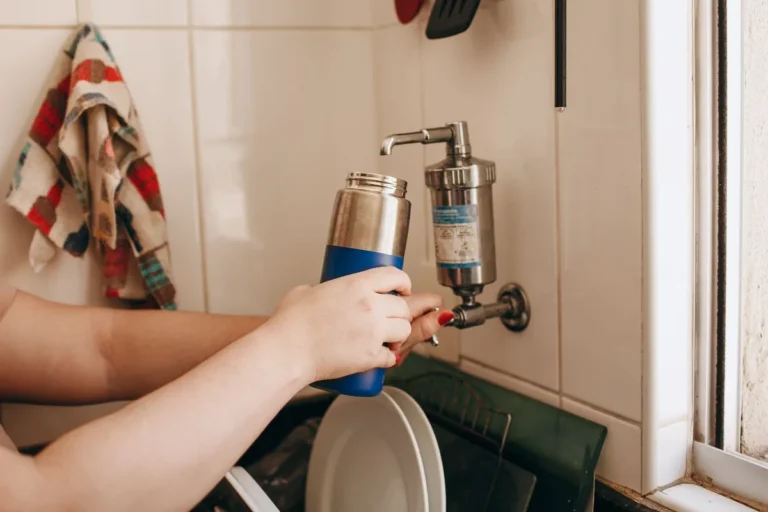
Brita faucet filters have different lifespans depending on the specific model. Generally, they are rated for longer use than pitcher filters, often lasting around 120 gallons or up to four months. Always check the packaging or the Brita website for the exact recommendation for your specific faucet filter model, as designs and filtration media can vary.
Can I use a Brita filter for more than the recommended time?
While you might be tempted to stretch the life of your Brita filter, especially if it seems to be working fine, it's generally not recommended. The filter media becomes saturated over time, meaning its ability to trap impurities like lead and chlorine diminishes significantly. Continuing to use an old filter means you're likely not getting the water purification you expect, and in some cases, the filter could even start to release trapped contaminants back into the water.
What are those black specks in my filtered water?
Those black specks are usually tiny particles of activated carbon. They can sometimes break off from the filter during initial setup if it wasn't rinsed properly, or if the filter is nearing the end of its life and starts to degrade. While they are generally considered harmless, they do indicate that the filter might not be performing optimally. A thorough rinse of the new filter should prevent this, and if it happens with an older filter, it's usually a sign to change it.
Does the type of water affect filter life?
Yes, absolutely. The hardness and overall composition of your tap water can influence how quickly a Brita filter gets used up. Water with higher levels of dissolved minerals, chlorine, or other impurities will clog the filter media faster than cleaner water. So, if your tap water is particularly hard or has a strong chlorine smell, you might find yourself changing your filter more frequently than the standard two-month recommendation.
How does Brita compare to other water filter brands?
Brita filters are widely recognized for their effectiveness in reducing chlorine taste and odor, and their Longlast filters are also certified to reduce lead. When compared to other brands, Brita generally offers a good balance of performance, cost, and availability. Some higher-end systems might offer more advanced filtration for a wider range of contaminants, but for everyday use and improving tap water taste, Brita is a very popular and reliable choice. Their filter replacement costs are also quite competitive.